The Top 10 Best Languages to Learn (And Where to Learn Them!)

Authored By:
Duolingo streak going strong … but still not confident speaking? Choosing the right language can completely change your study abroad experience and future career opportunities. Here are the top 10 most useful languages to learn – and the best places to learn them abroad.
Top 10 Best Languages to Learn
So, which languages are actually worth your time and effort? Here are the top languages to learn based on global demand, career opportunities, and real-world usefulness.
Read More: The 10 Best Foreign Language Programs

Language #1: Spanish
Spanish consistently ranks among the most useful languages to learn, especially for U.S. students. It’s spoken across Europe, Latin America, and growing communities worldwide – meaning you’ll actually use it both professionally and in everyday life.
According to the 2025 report by the Instituto Cervantes, Spanish is spoken by more than 600 million people globally, making it one of the most widely spoken languages in the world. The Foreign Service Institute estimates about 600-750 class hours to reach professional working proficiency.
Popular places to learn Spanish through CIEE include:
- Alcalá de Henares
- Alicante
- Barcelona
- Buenos Aires
- Madrid
- Mérida
- Monteverde
- Palma de Mallorca
- San Juan
- Santiago
- Santiago de los Caballeros
- Seville
Key applications:
- Business across Latin America
- Healthcare & public service careers
- Music, film, and global pop culture
- Travel opportunities across 20+ countries

Language #2: Chinese
Mandarin Chinese is often considered one of the best languages to learn for global careers, particularly in technology and international business.
Language database Ethnologue reports that Mandarin has more than 1.1 billion speakers worldwide, making it the most spoken language on Earth! The Foreign Service Institute estimates about 2,000 class hours to reach professional working proficiency, categorizing Mandarin as a very difficult language to learn.
Popular place to learn Mandarin through CIEE:
Key applications:
- International business
- Technology industries
- Supply chain management
- Global economics
Language #3: French
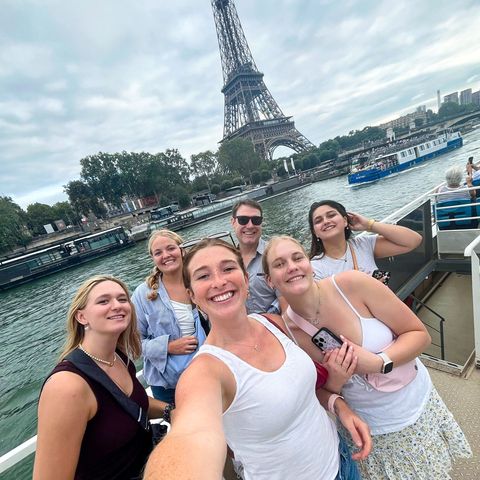
French remains one of the top languages to learn thanks to its global reach across Europe, Africa, and international institutions.
The Organisation internationale de la Francophonie estimates that French is spoken by more than 320 million people worldwide and continues to grow rapidly. Similarly to Spanish, the Foreign Service Institute estimates 600-750 class hours to reach professional working proficiency.
Popular places to learn French through CIEE include:
Key applications:
- Diplomacy & international relations
- NGO and humanitarian work
- Arts, cinema, and culture
- Science and research sectors
Language #4: Arabic
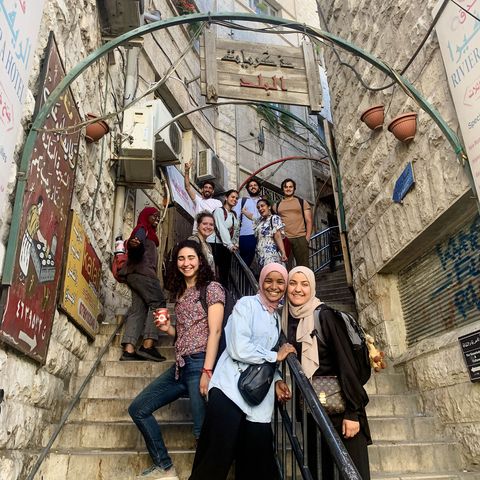
Arabic is one of the most strategically important global languages – and one fewer U.S. students choose, making it especially valuable professionally.
According to the United Nations, Arabic is used daily by more than 400 million speakers. The Foreign Service Institute estimates about 2,000 class hours to reach professional working Proficiency, meaning Arabic is a very difficult language to learn.
Popular places to learn Arabic through CIEE include:
Key applications:
- Diplomacy & foreign service
- Journalism
- International business
- Global policy careers
Read More: Advantages & Benefits of Studying a Foreign Language Abroad

Language #5: Japanese
Japan continues to lead innovation in robotics, gaming, and advanced technology – making Japanese a powerful language for STEM-focused students.
Data from Ethnologue estimates roughly 125 million Japanese speakers worldwide. Similarly to Mandarin and Arabic, the Foreign Service Institute believes it would take about 2,200 class hours to reach professional working proficiency.
Popular places to learn Japanese through CIEE include:
Key applications:
- Robotics & engineering
- Gaming industries
- Technology innovation
- International business

Language #6: German
German is highly beneficial for students pursuing careers in engineering, sustainability, science, or international business within Europe. As a leading language of research and innovation, German supports academic and professional opportunities across global industries.
Ethnologue reports that there are more than 150 million German language speakers globally. The Foreign Service Institute estimates that German requires around 30 weeks to reach professional working proficiency.
Popular place to learn German through CIEE:
Key applications:
- Engineering & manufacturing
- Philosophy & academia
- Sustainability innovation
- International business

Language #7: Portuguese
Portuguese is increasingly recognized as one of the good foreign languages to learn due to Brazil’s economic influence and the global reach of Portuguese-speaking countries across Europe, South America, and Africa. Learning Portuguese also provides access to opportunities in Portugal’s growing technology, startup, and sustainability sectors within the European Union.
The World Population Reviews estimates that more than 270 million people speak Portuguese across the globe. The Foreign Service Institute predicts it would take 600-750 class hours to be proficient in Portuguese.
Popular places to learn Portuguese through CIEE include:
Key applications:
- Renewable energy & sustainability
- International business
- Environmental policy
- South American diplomacy
Language #8: Korean
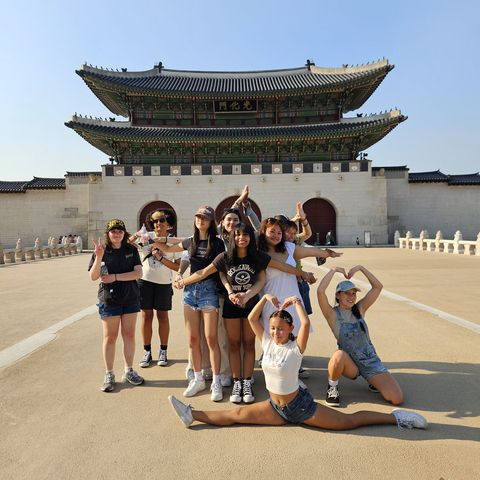
South Korea’s global impact in entertainment, electronics, and innovation has made Korean one of the fastest-growing languages among students.
According to Ethnologue, Korean is spoken by about 80 million people worldwide, and the Foreign Service Institute estimates it takes around 2,200 class hours to be proficient in the language – making it a difficult language to learn.
Popular place to learn Korean through CIEE:
Key applications:
- Electronics engineering
- Media & entertainment industries
- International business
- Diplomacy
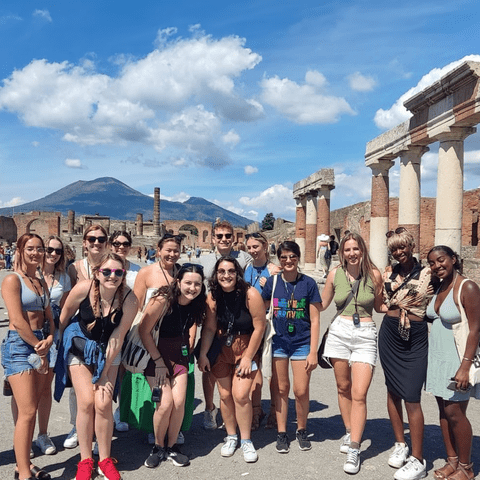
Language #9: Italian
Italian benefits students interested in creative industries such as fashion, design, architecture, and the arts. Learning the language deepens cultural understanding while supporting careers connected to global heritage and luxury markets.
Ethnologue estimates that there are more than 65 million Italian speakers across the globe. The Foreign Service Institute believes it would take around 600-750 class hours to reach professional working proficiency.
Popular places to learn Italian through CIEE include:
Key applications:
- Fashion & design
- Architecture
- Art history
- International business
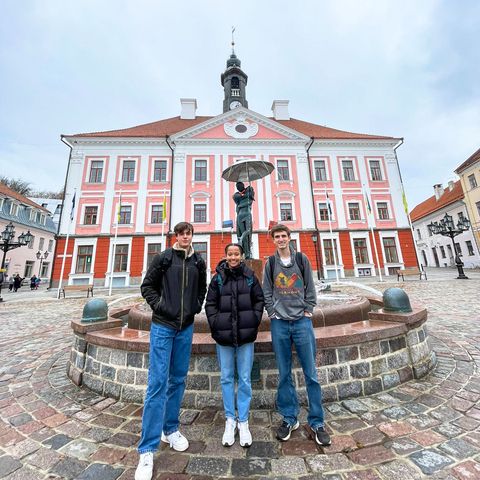
Language #10: Russian
Russian is a valuable language for students interested in global politics, international relations, science, and regional studies across Eastern Europe and Central Asia. Learning Russian helps students develop strong analytical and cross-cultural communication skills while gaining insight into a region that plays a major role in global history, energy markets, and geopolitics.
According to Ethnologue, there are more than 250 million Russian speakers in the world and the Foreign Service Institute estimates that it would take around 44 weeks or 1,100 class hours to reach professional working proficiency.
Popular place to learn Russian through CIEE:
Key applications:
- International relations & diplomacy
- Political science and security studies
- Energy and environmental policy
- Literature, history, and cultural studies

Learn Languages Abroad with CIEE
Language apps help you memorize vocabulary. Studying abroad helps you live the language.
When you study abroad with CIEE, you’re practicing daily – ordering food, navigating cities, making friends, and building confidence. So, if you’re still deciding “what language should I learn,” start with this question instead: Where do you want your global experience to take you?