Brussels vs. Paris: Where Should You Study Abroad?
Authored By:

If you’re planning a study abroad experience in Europe, you’ve likely found yourself comparing Brussels vs. Paris – and for good reason. Both cities sit at the heart of Europe, offer world-class academics, and deliver unforgettable cultural experiences. But day-to-day life in each destination feels very different.
Whether you’ve been searching Paris vs. Brussels, exploring Brussels vs. Paris study abroad options, or asking yourself, “should I study in Brussels or Paris?” this guide will help you make a confident, informed decision.

Location Vibe
When comparing Brussels vs. Paris, the biggest difference comes down to atmosphere and pace.
Paris
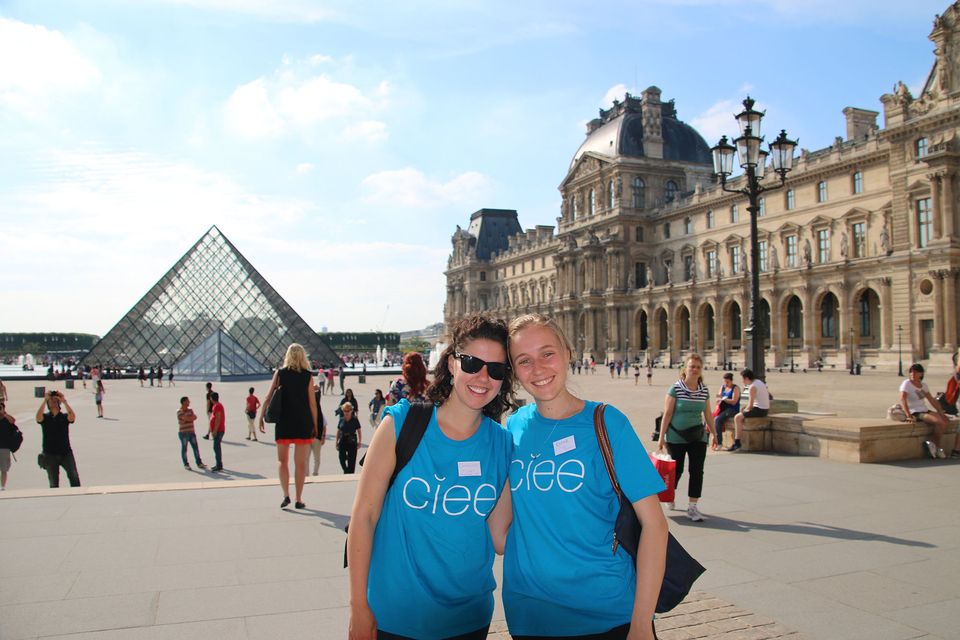
Paris is iconic for a reason. It’s elegant, historic, and endlessly stimulating. From the grand boulevards of Haussmann architecture to cozy cafés tucked into side streets, the city blends sophistication with everyday charm. Neighborhoods (arrondissements) each have their own personality – from the artsy vibe of Montmartre to the student energy of the Latin Quarter.
Life in Paris can feel fast-paced and visually stunning, with something happening at every moment – exhibitions, fashion, food, and culture all layered into daily life.
Read More: EAT, DRINK, EXPLORE: PARIS
Brussels
Brussels feels more low-key but no less dynamic. As the de facto capital of the European Union, it’s international, politically relevant, and culturally diverse, but in a more approachable, less overwhelming way.
Neighborhoods like Ixelles and Saint-Gilles are known for their creative energy, while the city center blends medieval architecture with modern EU institutions. Compared to Paris, Brussels feels more compact, easier to navigate, and quicker to feel like home.
Read More: EAT, DRINK, EXPLORE: BRUSSELS
Bottom Line:
- Paris = grand, fast-paced, iconic
- Brussels = relaxed, international, community-oriented
Cost of Living & Budgeting
When deciding between study abroad in Brussels or Paris, cost can play a major role in your overall experience, from where you live to how often you travel, dine out, and explore.
While both cities are considered relatively expensive compared to other European destinations, there are meaningful differences that can impact your day-to-day lifestyle.
Paris
Paris consistently ranks as one of the most expensive cities in Europe, and that reality shows up quickly once you arrive.
Housing:
Student housing in Paris varies widely depending on location and accommodation type, but central neighborhoods (like the Marais, Saint-Germain, or near major universities) come at a premium. Even with study abroad housing options, space tends to be smaller, and prices are higher compared to most other European cities.
Daily Expenses:
- Coffee: ~$3–5
- Casual meal: ~$12–20
- Metro pass: ~$80/month
Dining out, socializing, and cultural activities (think museums, galleries, and events) can add up quickly, especially if you’re taking full advantage of everything the city offers.
That said, there are ways to save:
- Student discounts at museums and attractions
- Affordable bakeries and takeaway spots
- Budget grocery chains like Franprix or Monoprix
Still, maintaining an active social life in Paris often requires intentional budgeting.
Bottom Line:
Paris comes with a higher cost, but unmatched access to culture, history, and global experiences.
Read More: The Ultimate Guide to Studying Abroad in France
Brussels
Brussels offers a noticeably more budget-friendly experience without sacrificing quality of life.
Housing:
Student housing is typically lower than in Paris, and students often find more spacious accommodations for the price. Neighborhoods popular with students (like Ixelles or Etterbeek) offer great value while still being well-connected.
Daily Expenses:
- Coffee: ~$2–4
- Casual meal: ~$10–18
- Public transit pass: ~$50/month
Food is where Brussels really shines – from affordable local cafés to its famous fries, waffles, and street food. Grocery prices are also generally lower, making it easier to cook and save.
Because the city is smaller and more centralized, you may also spend less on transportation overall.
Travel Bonus:
Brussels’ central location makes it incredibly easy (and often inexpensive) to travel to nearby countries like France, the Netherlands, and Germany – a huge perk for students looking to explore Europe on a budget.
Bottom Line:
Brussels is more affordable, with a high quality of life and easier day-to-day spending.
Read More: The Ultimate Guide to Studying Abroad in Belgium
Academic Environment
Both cities offer excellent academics, but with different strengths.
Paris
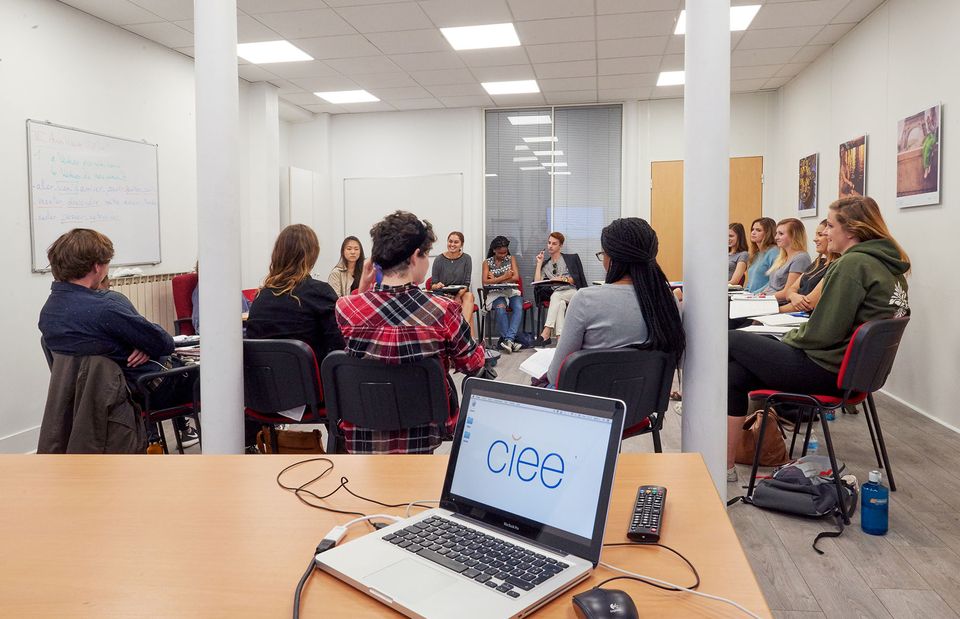
Paris is home to globally recognized universities and institutions. It’s especially strong in:
The academic environment tends to feel more competitive and career-driven. You’ll also find strong connections to global industries, making it ideal for résumé-building and networking.
Read More: Best 8 Paris Study Abroad Programs
Brussels
Brussels stands out for:
- International politics
- European studies
- Public policy
- Global business
With major EU institutions headquartered here, Brussels offers unique access to internships and real-world policy exposure. The academic atmosphere often feels more balanced and collaborative.
Bottom Line:
- Paris = prestige + creative industries
- Brussels = international policy + EU access
Social Scene & Student Life
Your social experience can shape your entire time abroad – and this is where Paris vs. Brussels really diverge.
Paris
Paris offers an expansive social scene:
- Museums, galleries, and concerts
- Nightlife ranging from chic lounges to underground clubs
- A large international student population
However, because the city is so large, building close relationships can take effort. It’s easy to feel anonymous if you don’t actively seek community.
Read More: The Ultimate Guide to Studying Abroad in Paris
Brussels
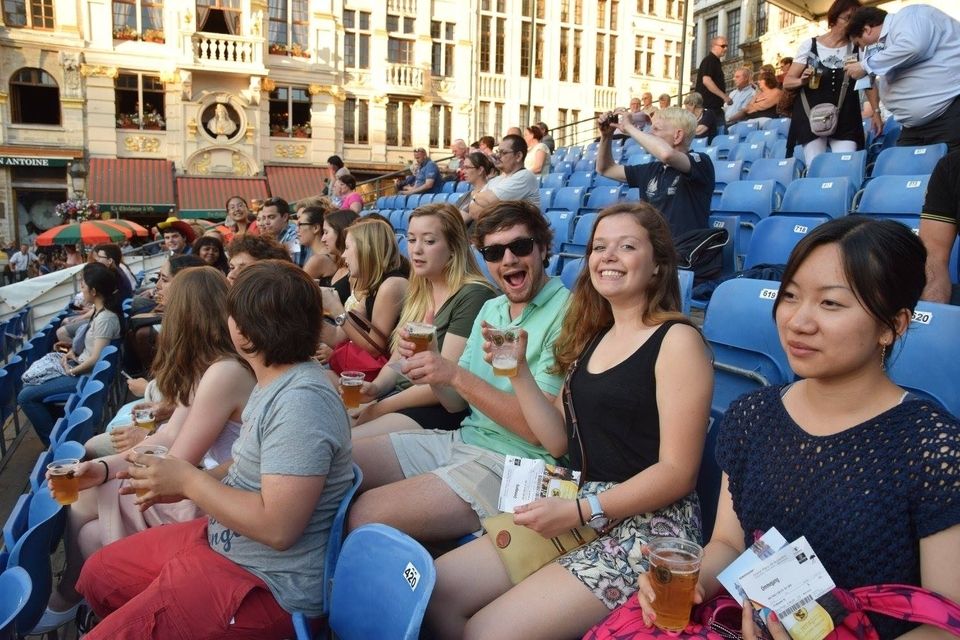
Brussels is known for its friendliness and social accessibility:
- A tight-knit international community
- Lively café and bar culture
- Easier to form consistent friendships
Students often report that it’s easier to meet people and feel integrated quickly.
Bottom Line:
- Paris = endless options, but more effort to connect
- Brussels = smaller scene, stronger sense of community
Read More: 5 Reasons to Study Abroad in Belgium

Language Immersion
For many students, language learning is a core part of the study abroad experience, and your destination can significantly shape how quickly (and confidently) you improve.
When comparing study abroad in Brussels or Paris, both cities offer strong opportunities for French language development, but the type of immersion you’ll experience can feel quite different.
Paris
Paris provides a structured, high-quality environment for learning French, especially in academic settings.
In Daily Life:
- French is the dominant language
- However, English is widely spoken in tourist areas, shops, and among younger locals
- Many Parisians will switch to English if they sense hesitation
This creates a bit of a paradox: Life is easier to navigate as a beginner, but you may need to actively push yourself to practice French in everyday interactions.
Best For:
- Beginners or intermediate learners
- Students who want structured learning + gradual immersion
- Those who appreciate a smoother transition into daily life abroad
Read More: Top 20 French Slang Words and Phrases You Must Know
Brussels
Brussels offers a more layered – and often more immersive – language experience. The city operates in both French and Dutch, with English widely used in international and EU settings. While that might sound less immersive at first, it actually creates more varied opportunities to engage with language in real-world contexts.
In Daily Life:
- French and Dutch are commonly used in shops, cafés, and neighborhoods
- You’re less likely to have interactions automatically default to English
- Locals are often open and conversational, even if your French and/or Dutch isn’t perfect
Because Brussels is less tourist-saturated than Paris, you may find yourself relying on French and Dutch more consistently, especially in day-to-day interactions.
Bonus: Professional Language Exposure
With so many international organizations and EU institutions based in Brussels, you may also encounter multilingual workplaces where French and Dutch are used alongside English – a valuable skill-building environment.
Best For:
- Students who want practical, real-world language use
- Those comfortable navigating a multilingual setting
- Learners who improve through conversation and immersion
Read More: Top 10 Dutch Slang Words & Phrases You Must Know
Bottom Line:
If language acquisition is a priority when choosing between Brussels vs. Paris:
- Paris offers a more structured, academic approach with built-in support
- Brussels provides more organic, day-to-day immersion opportunities

Which City is Right for You?
Still wondering, “should I study in Brussels or Paris?” Here’s a quick way to decide:
Choose Paris if you:
- Thrive in big, fast-paced cities
- Want a classic European experience
- Are drawn to art, fashion, and culture
- Don’t mind a higher cost of living
Choose Brussels if you:
- Prefer a more relaxed, livable city
- Want strong international or EU-focused academics
- Value affordability and ease of living
- Want to build connections quickly
When evaluating Brussels vs. Paris study abroad, think beyond the highlights; consider your day-to-day lifestyle.
Design Your Own Custom Study Abroad Program With CIEE!
If choosing between these two cities feels impossible, there is a flexible option that allows you to experience both: CIEE’s Open Campus Block program.
Open Campus Block gives you the ability to design a fully customizable study abroad experience. Instead of committing to a single location for an entire semester, you can divide your time into blocks and study in multiple cities (up to three!).
Each block lasts approximately six weeks, and you can choose to complete one, two, or three blocks depending on your schedule. This means you could start your program in Paris, then continue in another city such as Brussels, allowing you to experience different academic environments, cultural settings, and lifestyles within one program.
Open Campus Block also allows you to mix academic courses with optional internships and experiential learning opportunities, giving you a well-rounded and personalized experience!
Read More: The Ultimate Guide to CIEE Open Campus Block
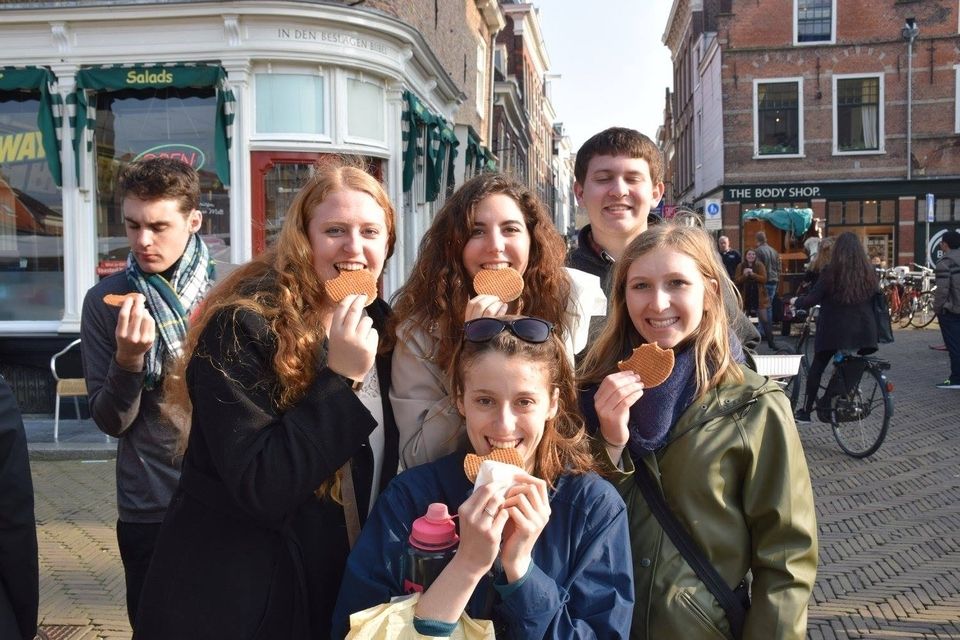
Study Abroad in Brussels and Paris with CIEE
At the end of the day, there’s no single “winner” in the Brussels vs. Paris debate – only the city that aligns best with your goals. Both destinations offer high-quality academics, rich cultural experiences, and opportunities for personal and professional growth.
Whether you choose the iconic energy of Paris or the international charm of Brussels, you’ll gain skills, perspective, and memories that last a lifetime.
Ready to take the next step? Explore CIEE’s programs and start planning your European study abroad adventure!
Related Posts

Finding French community: My church in Rennes
While studying abroad, it can be hard to step out of your American circle and meet locals. That's why my host family has been so amazing, but it's also the... keep reading

Two Worlds Become One
My name is Li Fu Stigers. I am a student at Furman University in Greenville, South Carolina currently taking full advantage of the study abroad opportunity in Rennes this semester... keep reading

8 Best Study Abroad Programs in France for 2027
France is a magical place to take your studies! This incredible country is home to the Louvre, the Eiffel Tower, out-of-this-world cuisine, fashion, history, natural landscapes and so much more... keep reading