Austria vs. Germany: Where Should You Study Abroad?
Authored By:

Trying to choose between Austria vs. Germany for your study abroad experience? You’re not alone. Both countries offer world-class academics, rich culture, and easy access to the rest of Europe – but they each bring a totally different vibe.
Whether you’re drawn to fairytale cities and alpine views or buzzing urban hubs and cutting-edge innovation, this guide will help you decide between Germany vs. Austria and find the best fit for your study abroad goals.
Read More: What Are Your Goals for Studying Abroad?

Quick Overview: Austria vs. Germany Travel Abroad
If you're deciding between study abroad in Austria or Germany, it helps to zoom out and look at how these two destinations compare beyond the highlight reel. While both sit in the heart of Europe and share similarities – like strong academics, efficient public transportation, and easy weekend travel – the feel of your experience can be very different depending on where you land.
Austria tends to offer a more intimate, slower-paced lifestyle centered around culture, nature, and day-to-day ease, while Germany delivers scale, variety, and a more fast-moving, career-oriented environment. From the size of cities to cost of living to social scene, these differences can shape everything from your daily routine to your overall study abroad experience.
Here’s the quick, real-world snapshot:
| Austria | Germany | |
| Vibe | Cozy, scenic, artsy | Fast-paced, diverse, modern |
| Size | Small + easy to navigate | Large + regionally diverse |
| Top Cities | Vienna, Salzburg, Innsbruck | Berlin, Munich, Hamburg |
| Cost of Living | Moderate (Vienna is affordable for a capital) | Varies widely (Berlin cheaper than Munich) |
| Best For | Culture, nature, slower pace | Career-building, variety, big-city life |
When choosing Austria or Germany study abroad, ask yourself: Do you want café culture and mountain views or startup energy and major global cities?
Studying Abroad in Austria: What to Know
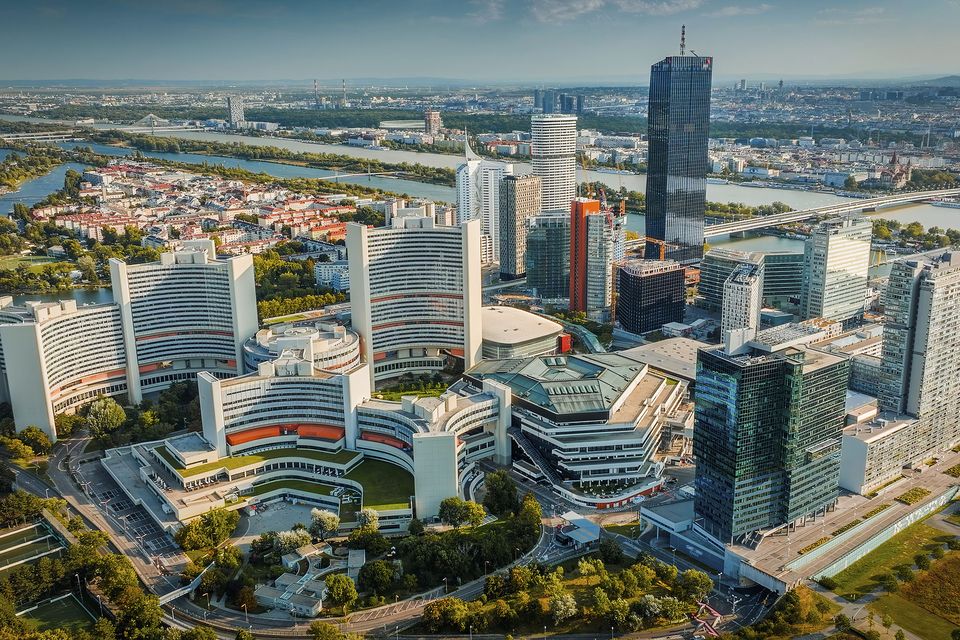
Austria feels like stepping into a European postcard – but one you actually get to live in. Think: Elegant baroque architecture, quiet cobblestone streets, and café-lined squares where daily life unfolds at a slower, more intentional pace. Add easy access to the Alps for weekend hikes or ski trips, plus a strong academic environment rooted in history, arts, and culture, and you get a destination that’s as enriching outside the classroom as it is inside it.
Fast Facts about Austria Study Abroad
- Population: ~9 million
- Climate:
- Winters: Cold, snowy (especially near the Alps)
- Summers: Mild to warm, perfect for exploring
- Location: Central Europe (bordering Germany, Italy, Switzerland, Hungary, and more)
- Currency: Euro (€)
- Language: German (Austrian dialect is softer + slightly different vocabulary)
- Airport: Vienna International Airport (VIE)
- Local Attractions:
- Schönbrunn Palace + Vienna State Opera
- Salzburg’s old town + Alpine views
- Skiing and hiking in the Austrian Alps
- Danube River biking trails
Read More: The Ultimate Guide to Studying Abroad in Austria
Austria Travel Tips
- Carry cash: While cards are becoming more common, many cafés, bakeries, and smaller shops still prefer cash (especially outside Vienna)
- Plan ahead for Sundays and early closing times: Most stores close by early evening and are shut on Sundays, so stock up in advance
- Use public transportation: Austria’s trains, trams, and buses are clean, punctual, and make it easy to explore both cities and the countryside
- Learn key German phrases: While many people speak English, knowing basics like greetings and ordering food goes a long way
- Embrace café culture: Don’t rush; it’s normal to sit for hours over coffee, study, or people-watch (and yes, ordering just one drink is totally fine)
Read More: 5 Reasons to Study Abroad in Austria
When studying in Austria or Germany, Austria stands out if you want a slower, more immersive cultural experience with easy access to nature.
Studying Abroad in Germany: What to Know
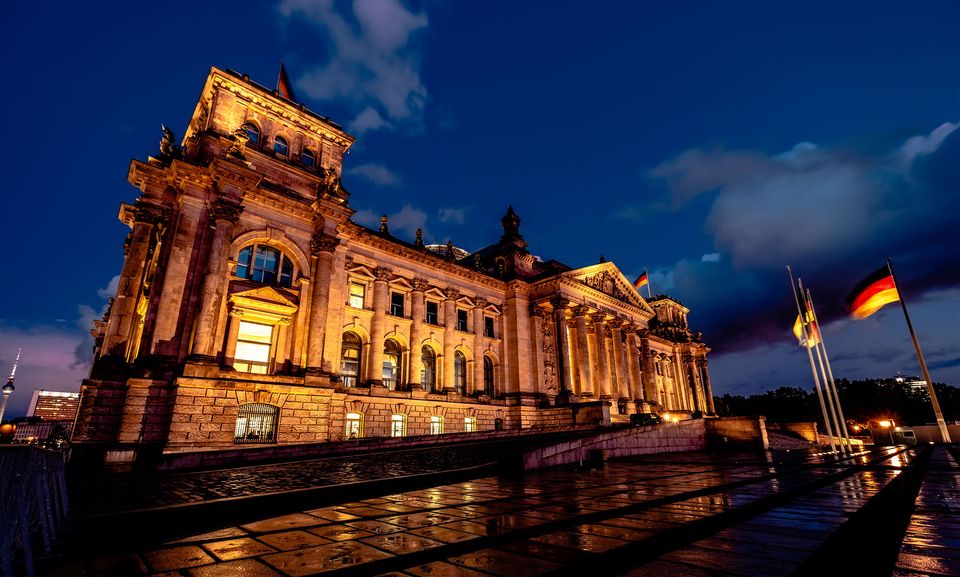
Germany offers a completely different energy: Bigger, more diverse, and deeply connected to global industries and innovation. As Europe’s largest economy, Germany is known for its strong academic systems, career pathways, and emphasis on real-world experience. While each region of the country has its own distinct culture, cities like Berlin highlight Germany’s global, forward-thinking vibe, with a mix of history, creativity, and international influence. If you’re looking for options – whether that’s academic focus, cultural experiences, or future career opportunities – Germany gives you the flexibility to shape a study abroad experience that aligns with your goals.
Fast Facts about Germany Study Abroad
- Population: ~84 million
- Climate:
- North: Cooler, windier
- South: Warmer, closer to Alpine climate
- Location: Central Europe with nine neighboring countries (perfect for travel)
- Currency: Euro (€)
- Language: German (many programs + locals speak English, especially in cities)
- Airports:
- Frankfurt (FRA) – major international hub
- Berlin Brandenburg (BER)
- Munich (MUC)
- Local Attractions:
- Berlin Wall + world-class museums
- Munich’s Oktoberfest + Bavarian culture
- Cologne Cathedral
- Rhine Valley castles
Read More: The Ultimate Guide to Studying Abroad in Germany
Germany Travel Tips
- Trains connect everything: Germany’s rail system is one of the best in Europe, making it easy to travel between cities or even neighboring countries; consider options like the Deutschlandticket for affordable, unlimited regional travel
- Plan ahead for Sundays: Most stores, including grocery stores, are closed, so get into the habit of shopping in advance or relying on restaurants and train station shops
- Learn the recycling system early: Germany takes sustainability seriously, with detailed sorting rules for glass, paper, plastics, and more (plus bottle deposit systems known as “Pfand”)
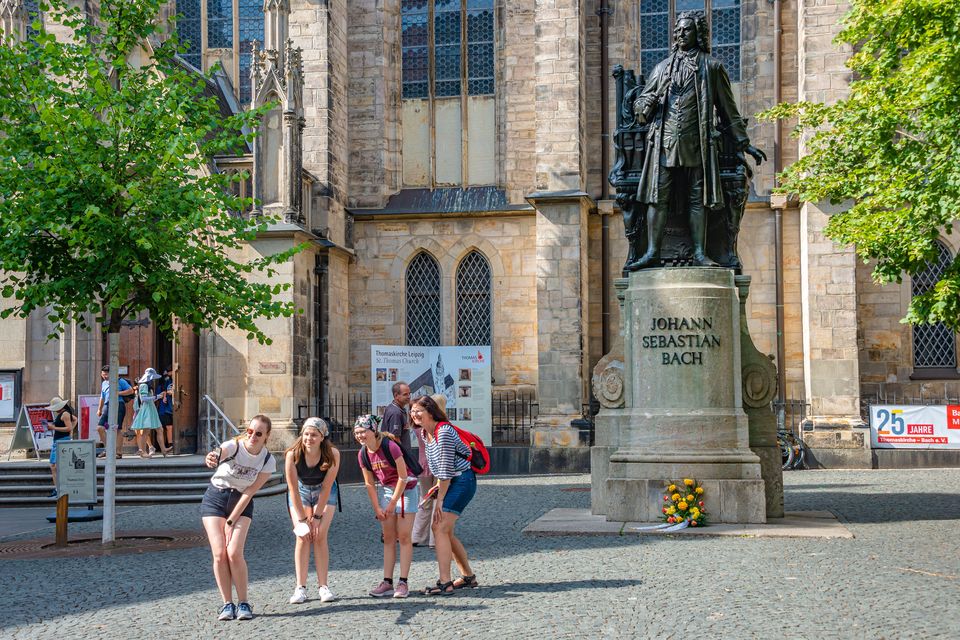
- Get to know your city’s vibe: Germany isn’t one-size-fits-all; Berlin feels creative and edgy, while other cities can be more traditional or business-focused, so lean into what your location offers
- Take advantage of student discounts: From museums and public transit to cultural events, student IDs can unlock major savings if you remember to use them
Read More: 5 Reasons to Study Abroad in Germany
If you're deciding between Germany vs. Austria, Germany is ideal for students who want flexibility, career exposure, and a more fast-paced environment.
Austria vs. Germany: Which One Is Right for You?
Still weighing Austria vs. Germany? Here’s a quick way to decide where to study abroad:
Choose Austria if you want:
- A smaller, more intimate experience
- Easy access to mountains and outdoor activities
- A focus on arts, history, and culture
- A slower, more relaxed pace of life
Choose Germany if you want:
- More program options
- Internship and career-building opportunities
- A diverse, international environment
- Big-city energy and variety

Study Abroad in Austria & Germany with CIEE
Whether you choose to study abroad in Austria or Germany, you can’t go wrong. Both offer top-tier academics, rich culture, and unmatched access to travel across Europe. It really comes down to your ideal experience: Austria’s scenic, slower-paced charm or Germany’s dynamic, opportunity-filled energy.
With CIEE Study Abroad, you can live and learn in cities like Vienna or Berlin, take courses in English while learning German, and even add an internship placement to your program to boost your resume with real-world work experience.
No matter which you choose, Austria or Germany study abroad will leave you with global perspective, real-world skills, and memories that last long after your time abroad ends!
Related Posts
Top 5 Events That Make Fall the Best Semester to Study in Germany
Want to know why the Fall Semster is the best time of year to study abroad in Germany? Check out our top 5 event recommendations here!

Top 20 German Slang Words and Phrases You Must Know
Mastering the German language goes beyond learning proper grammar and vocabulary from textbooks. To truly communicate like a native, you need to embrace the vibrant world of German slang. These... keep reading

Eat, Drink, Explore: Vienna
Best Food to Eat in Vienna Vienna is the kind of city where food isn’t rushed – it’s savored. From cozy cafés to late-night street stands, the vibe is all... keep reading