From Initiative to Action: Community Impact Week in Estonia
Authored By:

This year, CIEE launched a new Community Impact initiative – a deliberate effort to give students more than just an academic or cultural experience abroad. The goal is to help them engage meaningfully with their surroundings, understand local communities, and reflect on their role in a broader global context. It’s about learning through contribution, developing awareness, and building a sense of shared responsibility.
While community engagement has always been part of what CIEE centers do, implemented at different times and in different ways, this is the first time these efforts have been brought together under one shared initiative.
For example, in Estonia we have been thinking along these lines for quite some time. From the beginning of each program, we actively introduce students to volunteer opportunities and encourage them to get involved beyond the classroom.
Over the past semesters, our students have supported the Ukrainian Cultural Center,, taught English classes in Narva, led English-language workshops in Tallinn, and contributed to food aid distribution. These experiences have shown that students are not only willing but genuinely motivated to engage when given the opportunity.
This spring, as part of the newly introduced Community Impact Week, we decided to build on these ideas and create a more focused, shared experience.
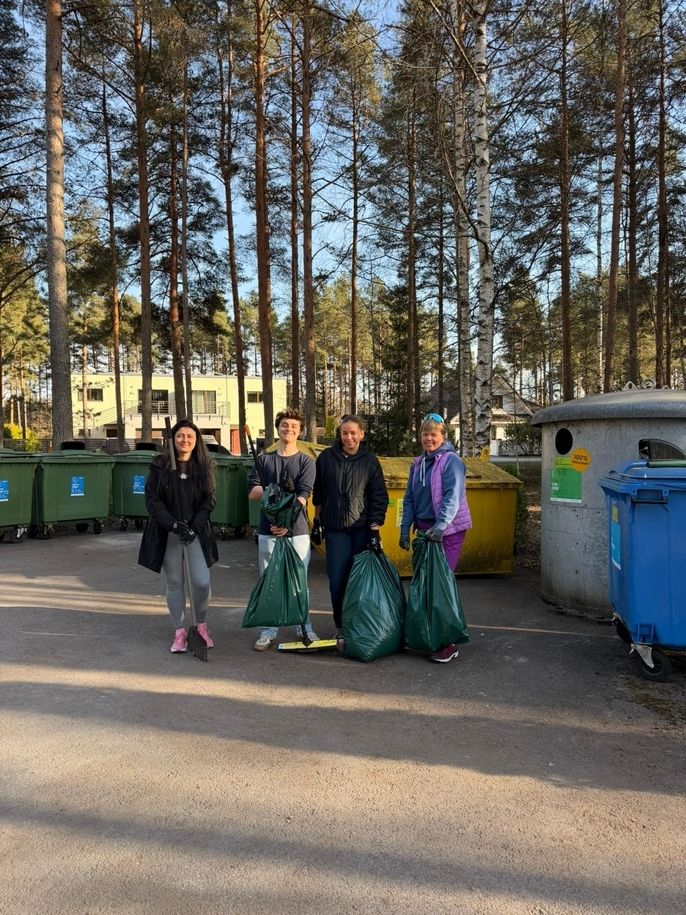
On April 15th, we brought our students to the village of Koidu in Saue municipality to introduce them to something uniquely Estonian: talgud.
There is no exact English equivalent for talgud. While it can be described as community volunteering, it carries a deeper cultural meaning – people coming together to collectively improve their environment. It’s practical, social, and rooted in a long-standing tradition of shared responsibility.
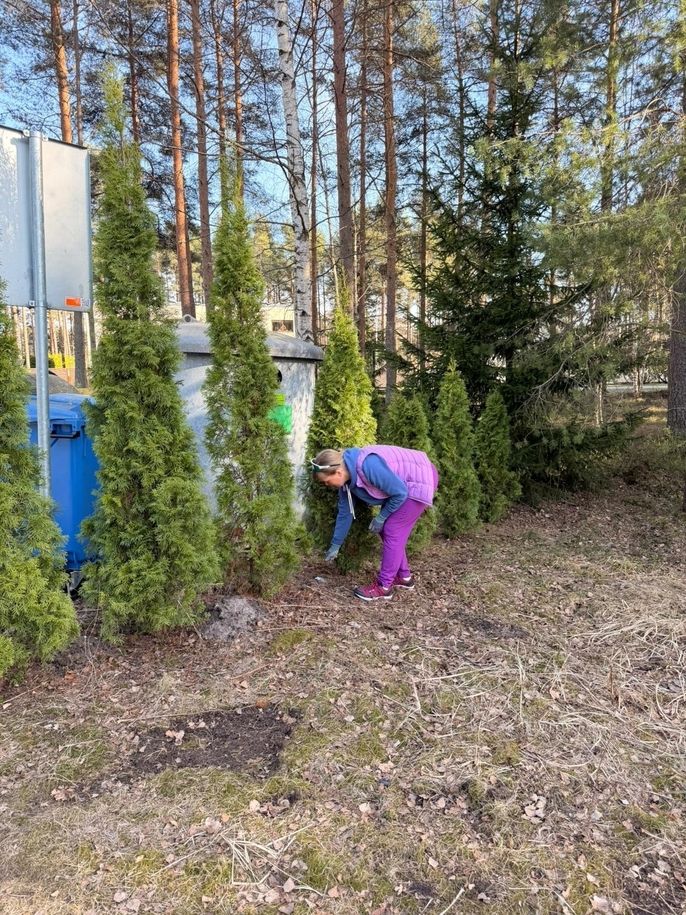
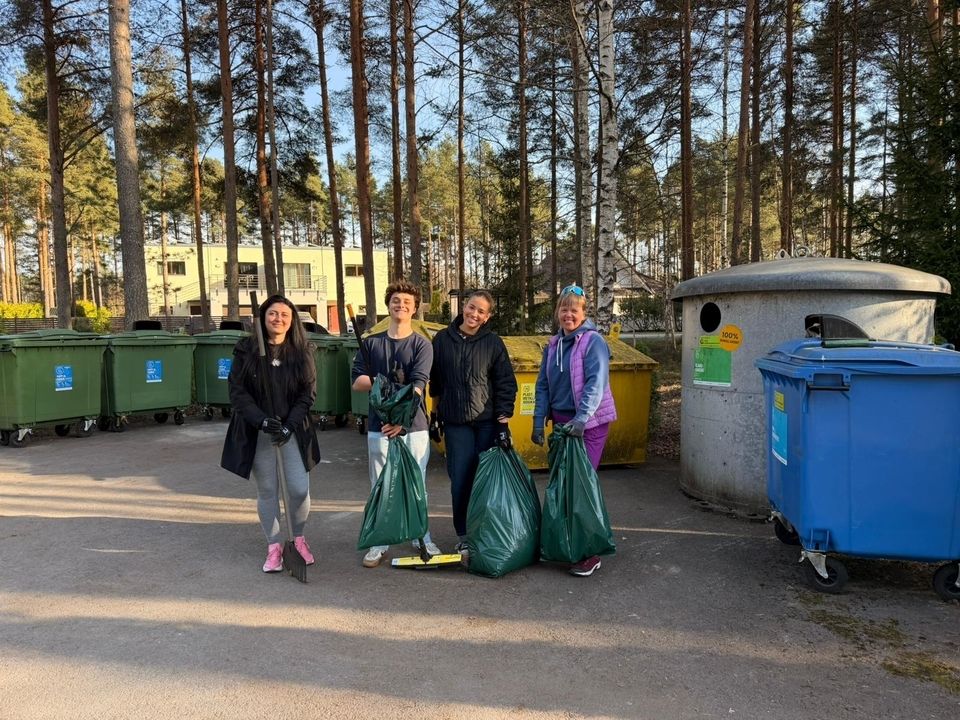
Inspired by Estonia’s globally recognized “Let’s Do It!” (Teeme Ära!) initiative, students spent time cleaning local green areas and public spaces. They remarked on how clean Estonia already feels, but were surprised by how much small debris – especially leftover fireworks – becomes visible after the snow melts in spring. The experience naturally led to discussions about environmental responsibility and everyday habits.
Students also observed that while Estonia has a strong culture of recycling, public bins can sometimes be overfilled, making proper waste disposal challenging. These small but concrete insights helped turn a simple cleanup into a broader learning experience.
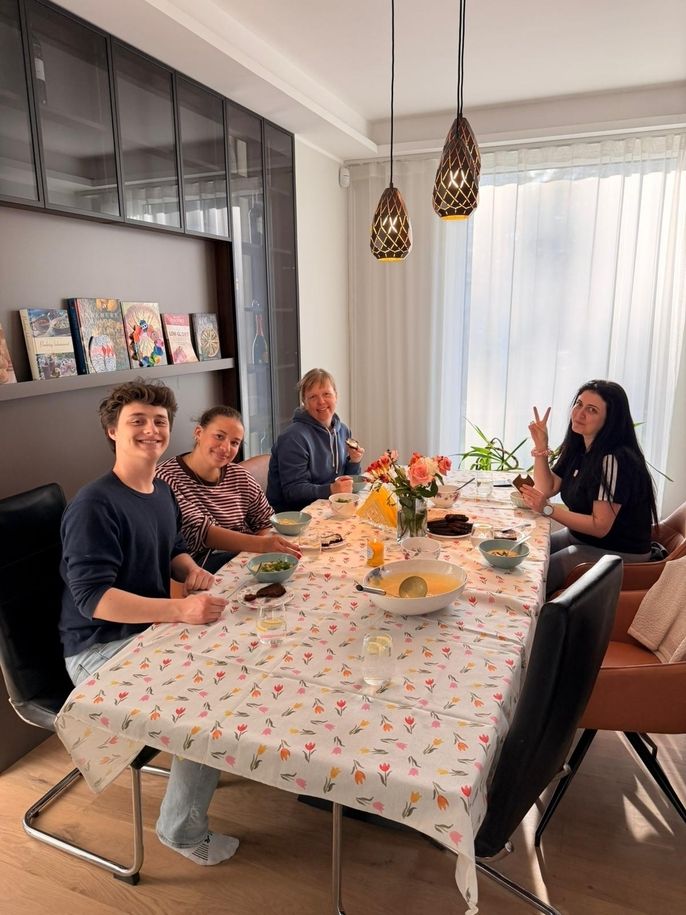
After the work was done, we introduced another local tradition – sharing a warm talgusupp (community soup) and pastry together. For many students, this moment of gathering and reflection became just as meaningful as the activity itself.
The initiative also attracted the attention of a local media outlet, which featured the cleanup in a community newspaper – a clear sign that this kind of engagement resonates not only with students, but with the local community as well.
Community Impact Week is ultimately about perspective. It encourages students to step into a more active role, to understand how communities function, and to see how even small contributions can make a difference.
In Estonia, that journey simply started with a very local tradition – and a shared willingness to take part.
Related Posts
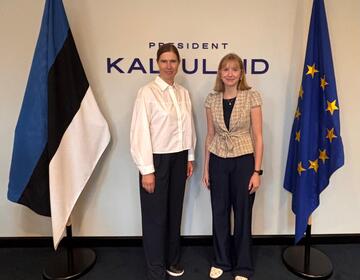
Considering Internship? The Best Opportunities Are Rarely Handed to You
Every summer, we hear students say they hope to work on exciting projects, attend high-level meetings, contribute to meaningful discussions, and make a real impact during their internship. The good... keep reading
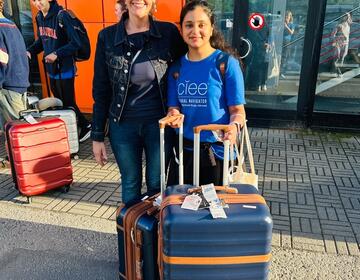
Choosing a Homestay in Tallinn? Read This First.
A homestay can be one of the most rewarding parts of studying abroad. It can also be one of the most challenging. Why? Because you're not simply booking accommodation. You're... keep reading
Making Study Abroad more Accessible – My Experience Volunteering Abroad
Volunteering is something I believe that everyone who can, should. While I volunteer regularly back home, I was worried I wouldn’t be able to find opportunities abroad. After all, not... keep reading