Seoul to Suwon: Walking Through History
Authored By:
Saturday, November 8th, I had the chance to go on the CIEE trip to the Korean Folk Village & Suwon Hwaseong Fortress. We started our morning meeting at the CIEE office in Jonggak, right in the heart of Seoul. The building is surrounded by glass towers, busy cafes, convenience stores, and the constant flow of people heading in and out of subway entrances. It’s the kind of area that feels permanently fast paced screens everywhere, traffic nonstop, and everyone moving with purpose.
But once we boarded the bus and began driving south toward the Folk Village, the scenery started to shift. Little by little, the tall corporate buildings faded behind us, replaced by older residential areas and then by wide roads lined with fall trees. The bright signs and concrete slowly gave way to quieter streets, traditional style rooftops, and stretches of red and orange leaves. It felt like we were leaving the modern version of Seoul and moving back toward an older, slower version of the city, one where the pace feels gentler and the landscape has more history than glass.
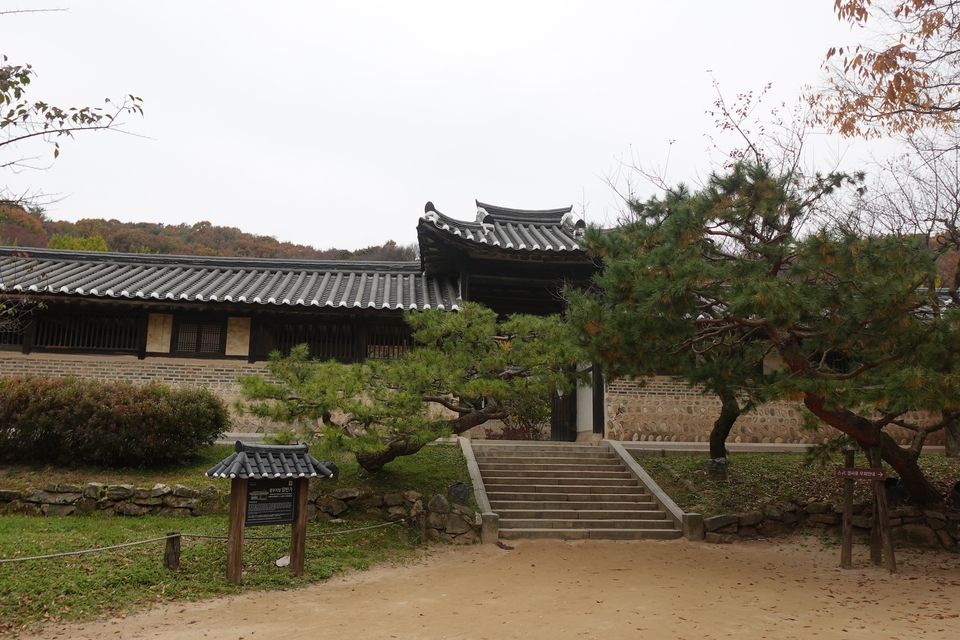
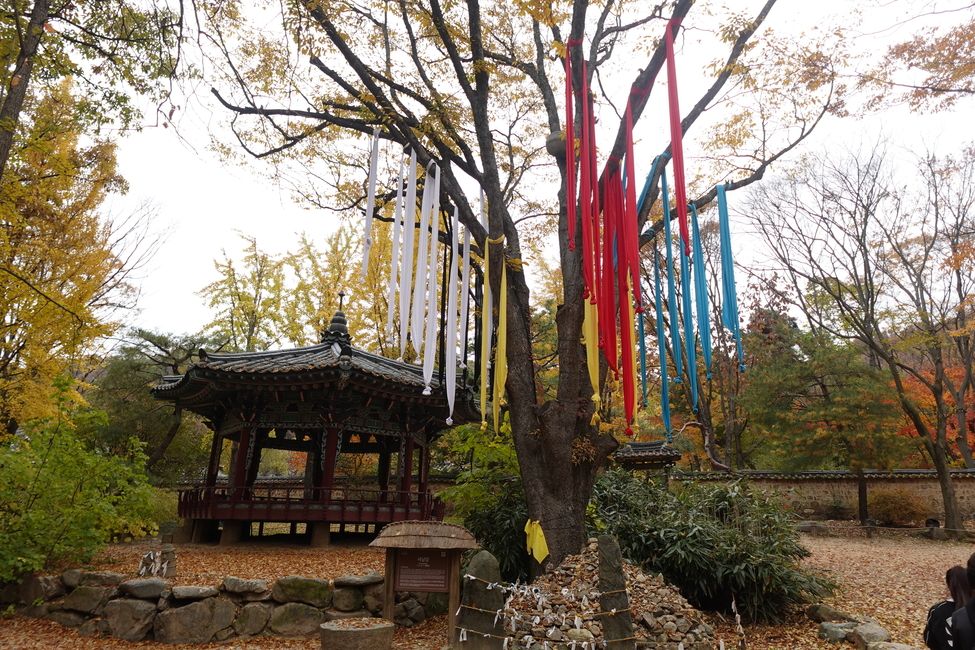
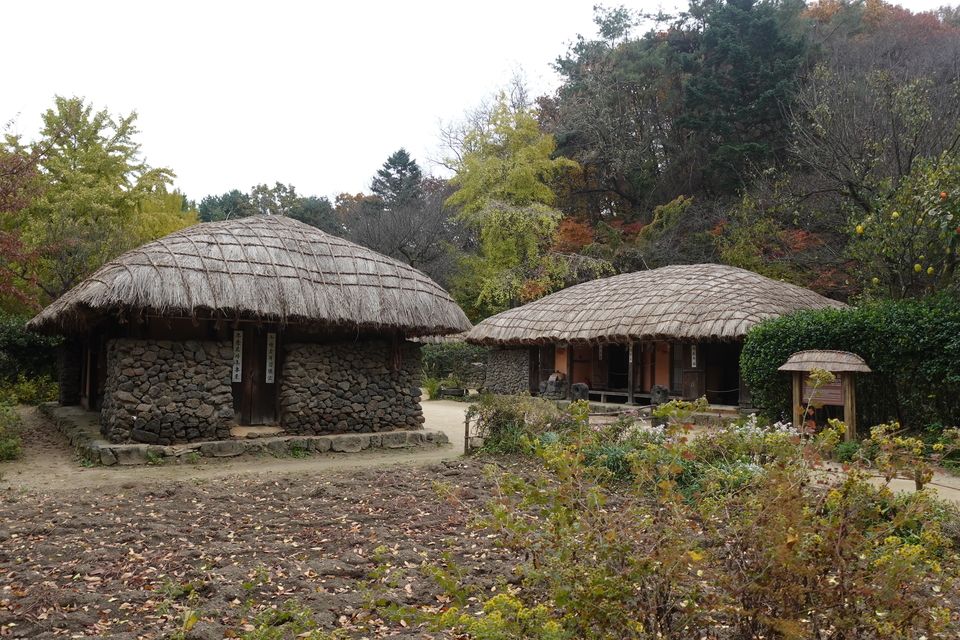
Arriving at the Korean Folk Village felt like stepping out of modern Korea and straight into a preserved piece of the past. The air felt quieter, the colors looked warmer, and the layout of the village wide courtyards, old wells, and traditional workshops made it easy to imagine what daily life might have looked like hundreds of years ago. Families, school groups, and tourists were all moving around, but the space was large enough that it never felt cramped.
Once we stepped inside, our guide took us on a short tour through the main sections of the village. We passed by clusters of hanok houses, farming tools, and old community spaces as he explained how people lived and worked during the Joseon era. The walk was easy and relaxed, giving us enough time to take photos, ask questions, and take in the details.
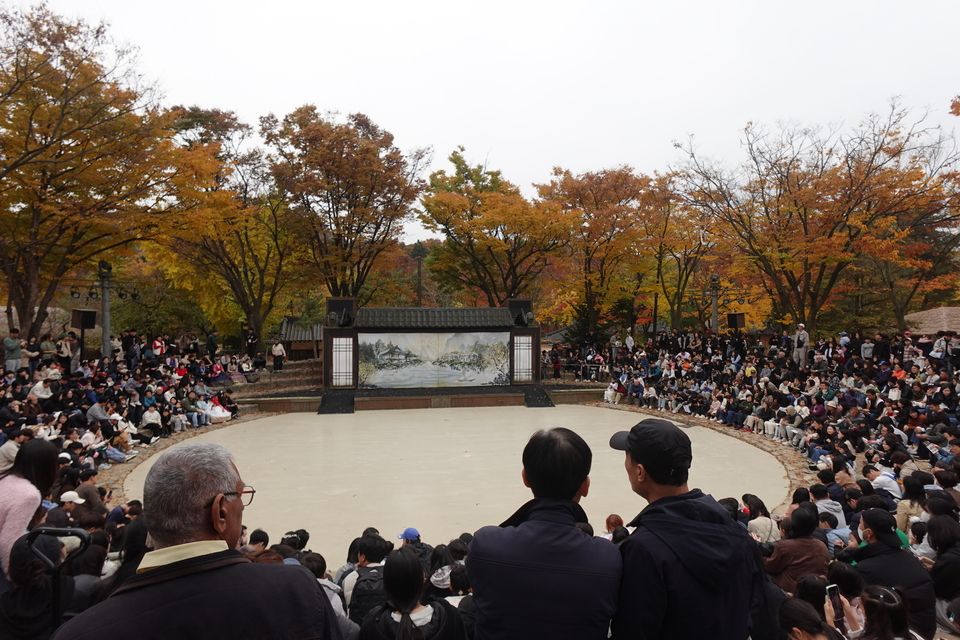
After the guided walk, we headed straight to the performance area. A crowd had already gathered rows of people packed around the open stage, trying to get the best view. The atmosphere felt lively and loud as everyone waited for the show to start. When it finally did, the performers came out with bright outfits, drums, and sangmo hats with long ribbons whipping through the air as they spun. The music was upbeat, and the entire crowd reacted to every big moment with cheers and applause. Watching the traditional performance in the middle of the village made the history feel alive, much more than a museum ever could. After a lunch break, we regrouped, headed back to the bus, and began the drive to our next stop to Suwon Hwaseong Fortress.
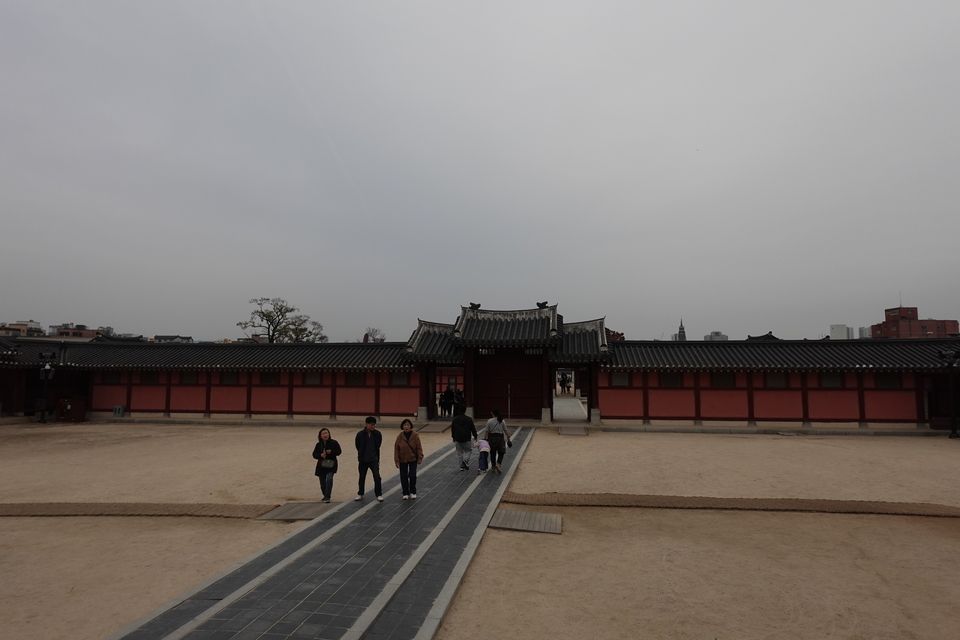
Once we arrived, the atmosphere immediately felt different from the Folk Village. Instead of traditional homes tucked into quiet paths, we were greeted by towering stone walls stretching across the hills, massive wooden gates, and sweeping views of the city below. Walking through the entrance felt like stepping into a living monument one that blended both history and breathtaking natural scenery. The fall leaves around the fortress were vivid shades of orange, red, and gold, creating a dramatic backdrop against the old military structures and lookout towers.
As we explored, our guide explained the historical significance of the fortress and the vision behind its construction. One detail that stood out to me was learning about King Jeongjo and the grand celebration he held to honor his mother’s 60th birthday, which lasted eight days. Hearing the story while standing inside the walls where these events actually took place made the history feel incredibly real. Seeing the fortress in person, with its long defensive walls, archery platforms, and winding paths, gave us a deeper appreciation of the engineering and meaning behind it. It was one thing to read about Korean history in class, but another to stand right in the middle of it.
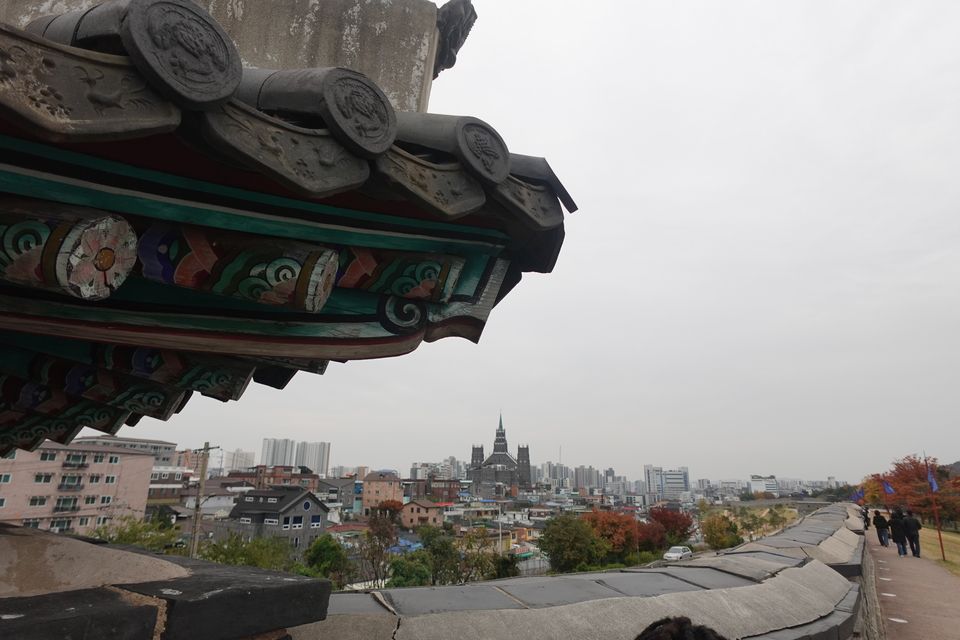
We continued climbing higher along the wall, and each section offered a new perspective: one moment we were looking over modern Suwon with its busy streets and apartment towers, and the next we were surrounded by nature, with nothing but trees, stone, and sky. The mix of historical architecture and natural beauty made the fortress feel peaceful and powerful at the same time. Walking alongside my peers, taking photos, sharing snacks, and stopping at every viewpoint made the experience even better. There was something special about discovering it all together, especially since it was the first time visiting Suwon for many of us.
By the end of the day, I realized how valuable trips like this are not just for learning about Korean history, but for building memories and friendships. CIEE offers these excursions for free, and they’re an incredible opportunity to explore places you might not visit on your own, like the DMZ, Lotte World, or major cultural sites. Beyond the destinations, the trips give you the chance to bond with other students, meet new people, and create connections that last well beyond your study abroad semester.
Looking back on the day, I’m really grateful I decided to join the trip. Experiencing the Folk Village and Suwon Fortress firsthand helped me appreciate Korea’s history in a much deeper way, and sharing it with my peers made it even more meaningful. I highly encourage taking advantage of these trips they're fun, educational, and a great way to make your time abroad unforgettable.
Related Posts
Best Eats and Cafes in Sinchon
Best Eats and Cafes in Sinchon When I first chose Yonsei University, I was excited to explore Seoul’s popular neighborhoods, like Myeongdong, Hongdae, and Seongsu, especially for their restaurants and... keep reading
Pottery in Icheon: Learning from a Korean Ceramic Master
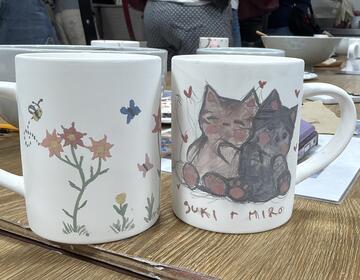
For my first CIEE blog post, I’m sharing my experience visiting Namyang Pottery in Icheon, South Korea! From meeting a master potter with over 50 years of experience to creating my own pottery, this trip gave me a chance to explore a quieter side of Korea and appreciate its traditional craftsmanship. Read along as I share what I learned, what I created, and why this experience became such a memorable part of my study abroad journey!
Andong, Mask Dancing, and Joseon Culture
This weekend, our students here at CIEE Seoul will go on a 1 night, 2 day excursion to the city of Andong which in recent years has become a cultural... keep reading