Adjusting While Studying Abroad
Studying abroad is one of the most remarkable experiences. It is a truly unique opportunity that allows you to learn about new cultures, try delicious foods, and make lasting friendships. However, it is easy to feel homesick or struggle without familiar routines.
Here are some steps you can take to mitigate the initial discomfort and set yourself up for success abroad.
- Identify what makes you feel grounded and plan ahead! Adjusting to life in a new country is exciting but can be unfamiliar. A lot of aspects of our identity are grounded in the routines we maintain, such as hobbies, jobs, and communities we participate in. Initially, I felt homesick and disconnected from myself because I did not know how to keep up with my hobbies. For example, I am part of an a cappella group at my home university, and I was singing multiple times a week, but I didn’t have that abroad. So, I started taking virtual vocal lessons abroad to stay connected with my hobbies and build a familiar routine, which really reduced my homesickness.
- Engage your support system! It is easy to meet great people abroad, but it can be difficult to feel a sense of close community during the beginning of the semester. Before going abroad, I thought about the people within my support system and planned ahead to schedule recurring calls with friends and family. This helped me feel connected to my community at home while also giving me the confidence to build friendships abroad. It was especially helpful to have these calls to look forward to during midterms season or weeks that felt overwhelming.
- Plan your weeks in advance! There is an abundance of things to do, which makes it easy to put your mental and physical well-being aside, causing burnout. Your weekly plan does not have to be meticulous or super specific, but having an idea of the activities you hope to do, the places you want to see, or even just restaurants you want to try can help you plan more intentionally. I planned my weekly activities in advance to ensure that I knew when to complete assignments, which allowed me to patiently explore places.
- Know that it is okay to have days where you do nothing! I struggled with this the most because it feels like you have a small amount of time to accomplish an abundance of things, so it becomes easy to overcommit. However, being well-rested will allow you to be present during activities and enjoy them more.
- Think about what self-care looks like for you, and find ways to continue those habits abroad. For example, many of my friends got gym memberships or joined run clubs to maintain their routines. I practice self-care through hygiene routines, so I brought my favorite products from home, such as lotions and hair oil. Having a consistent self-care routine helped me feel holistically rested as well.
These are just a few things you can do to make the adjustment period easier. Everyone’s study abroad and adjustment experience is different. You will learn new things about yourself, develop new interests, and gain community. In that process, don’t forget to take care of yourself, give yourself grace, and enjoy your study abroad!
Related Posts
A Student's Guide to Yonsei University
Studying abroad at Yonsei University has been an exciting adjustment, from navigating a much larger campus to experiencing a different academic environment. In this post, I share what my classes are like, a typical day in my life, and a few things I wish I'd known before arriving. Whether you're considering studying at Yonsei or just curious about university life in South Korea, here's a little look into my experience so far!
Best Eats and Cafes in Sinchon
Best Eats and Cafes in Sinchon When I first chose Yonsei University, I was excited to explore Seoul’s popular neighborhoods, like Myeongdong, Hongdae, and Seongsu, especially for their restaurants and... keep reading
Pottery in Icheon: Learning from a Korean Ceramic Master
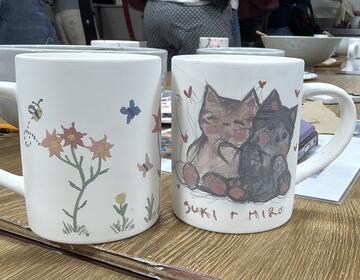
For my first CIEE blog post, I’m sharing my experience visiting Namyang Pottery in Icheon, South Korea! From meeting a master potter with over 50 years of experience to creating my own pottery, this trip gave me a chance to explore a quieter side of Korea and appreciate its traditional craftsmanship. Read along as I share what I learned, what I created, and why this experience became such a memorable part of my study abroad journey!