10 things NONE of the TikToks told me (about living in Seoul)
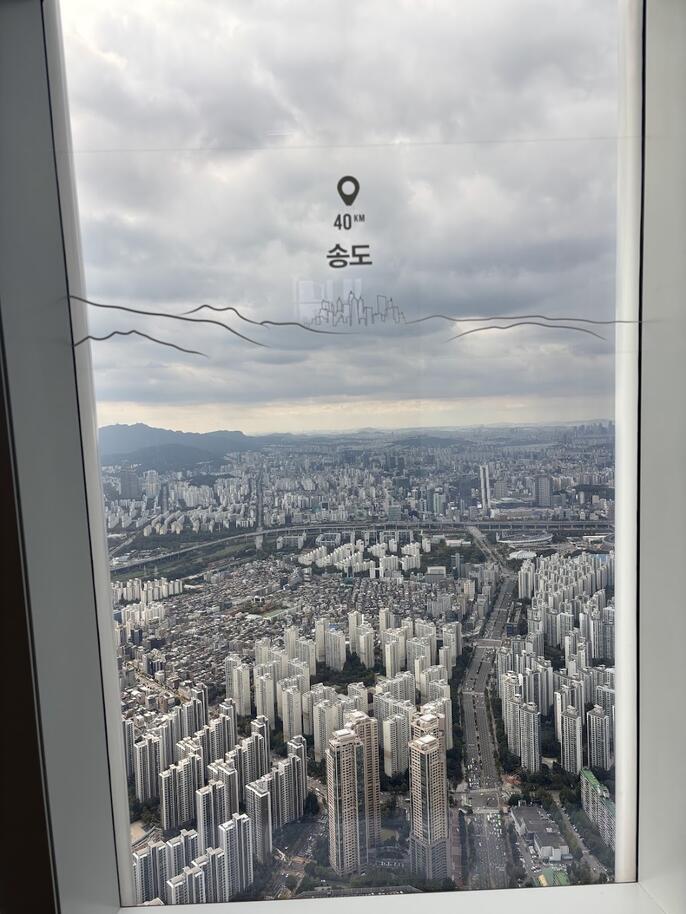
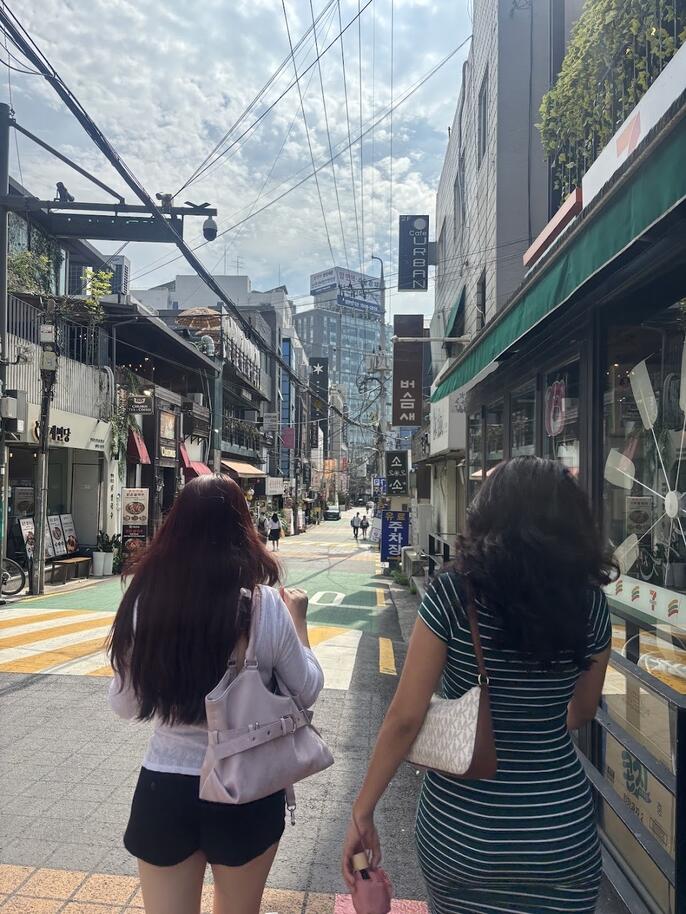
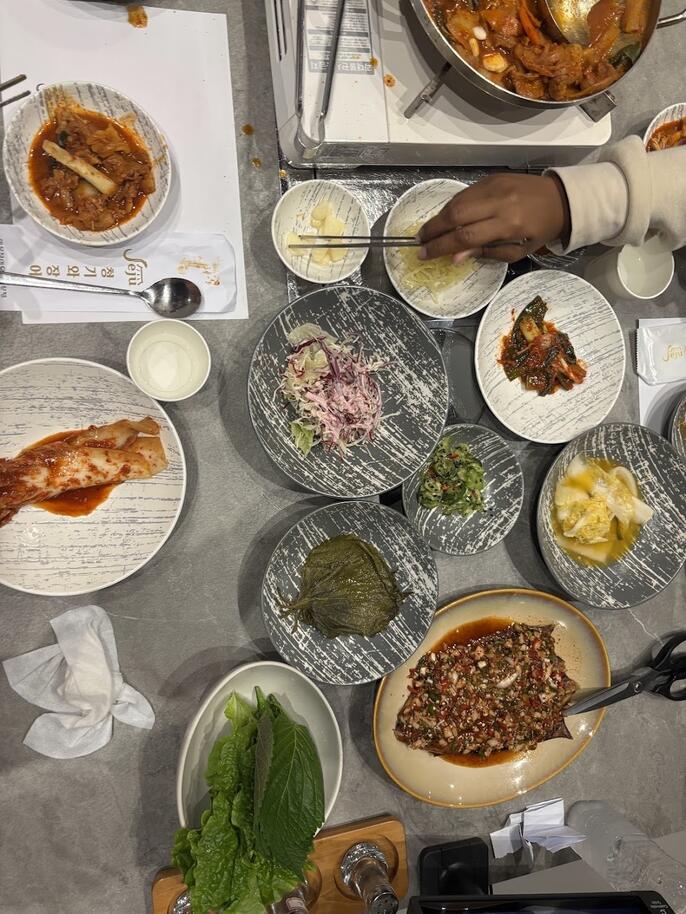
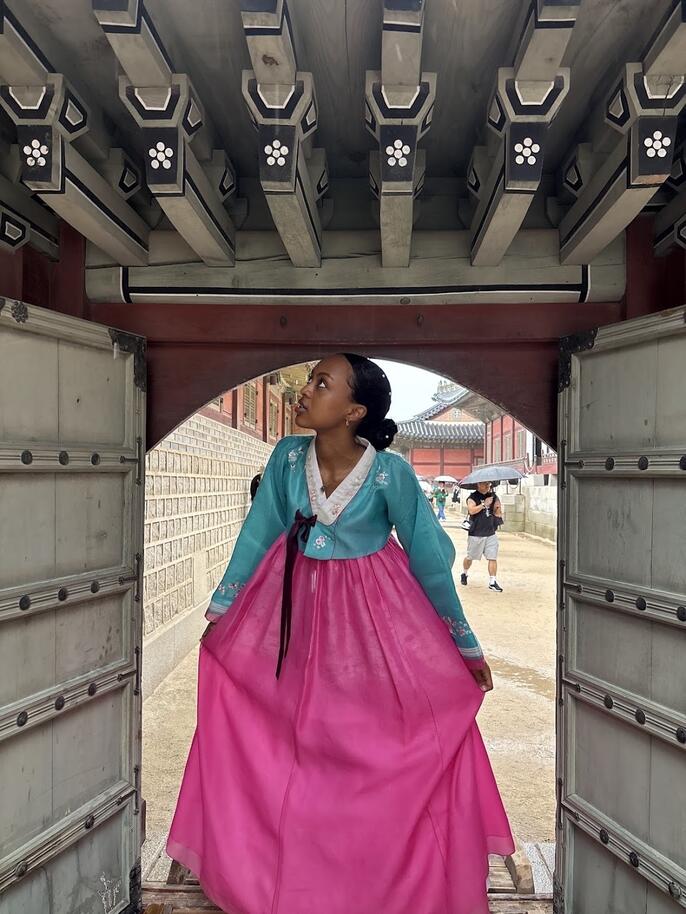
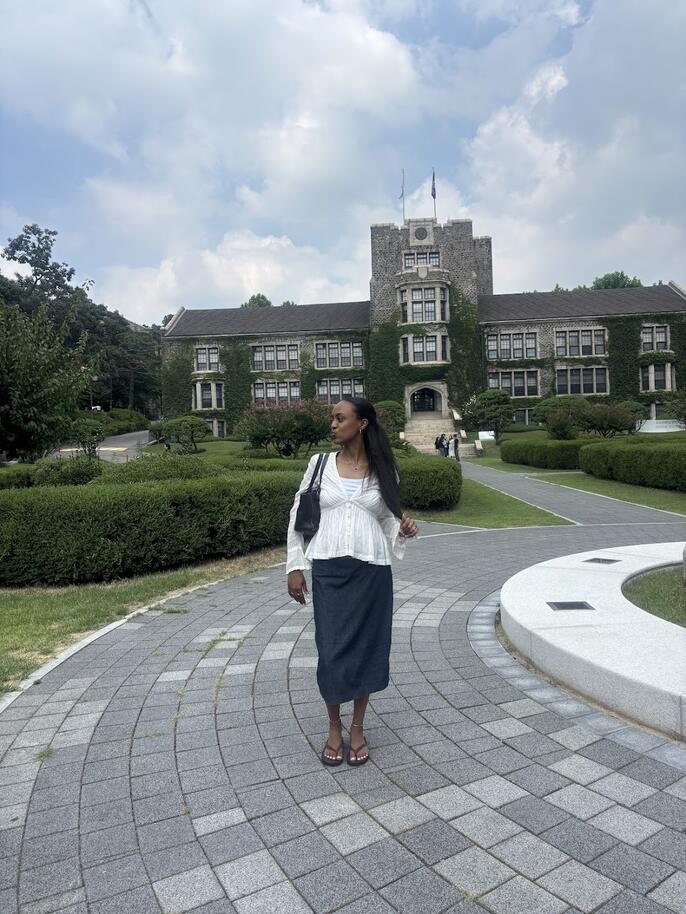
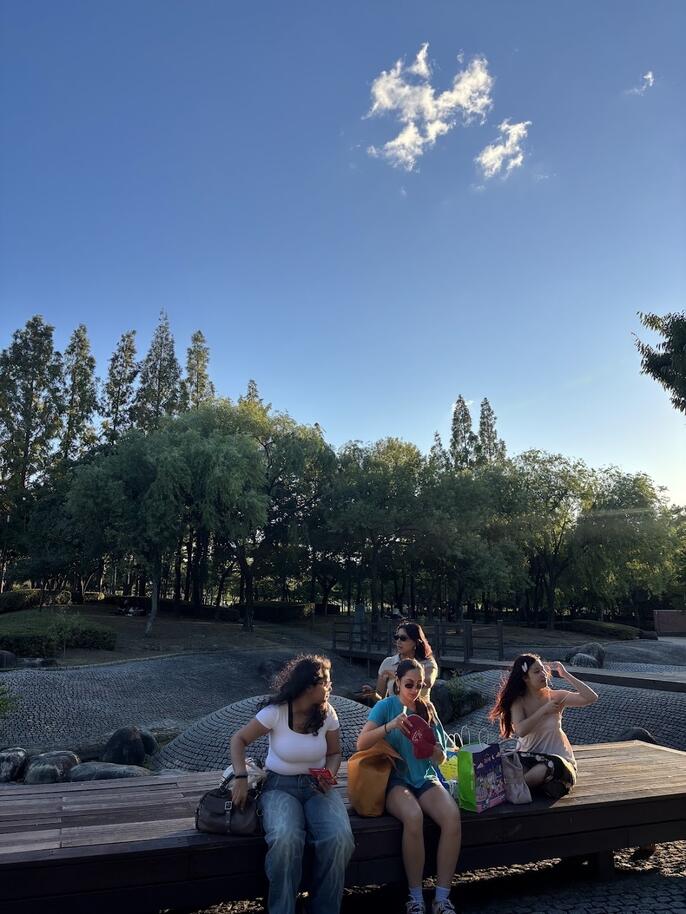
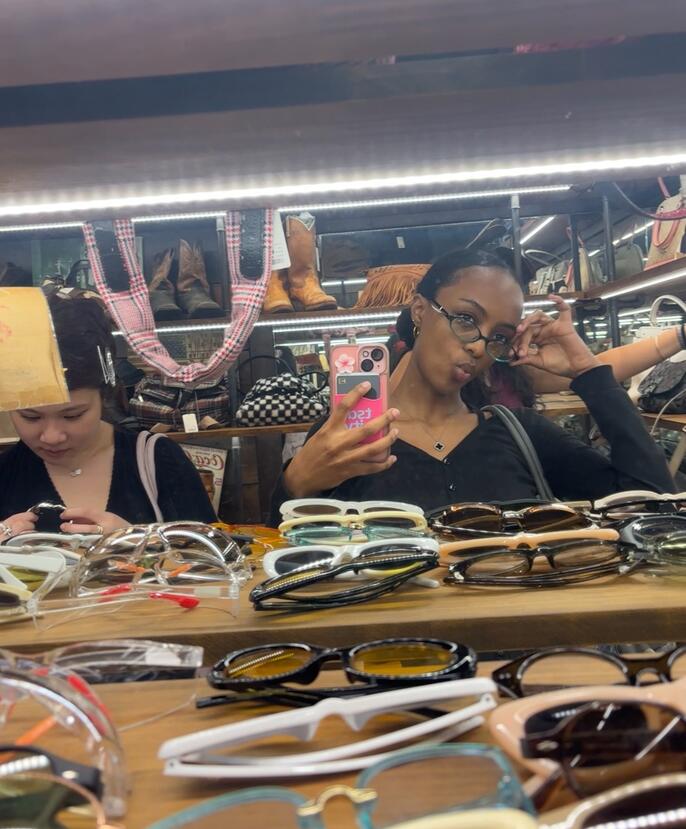
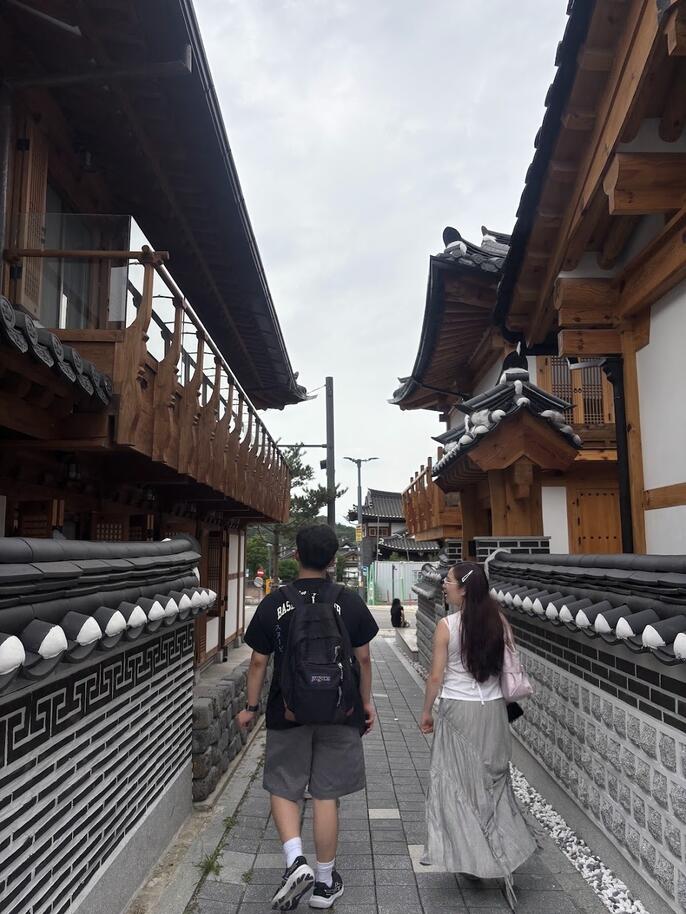
Like most, I watched a healthy amount of TikToks and Instagram Reels before coming to Seoul, South Korea, to prepare myself. I’m sure if you’re thinking of studying abroad here, you have too. And you probably know the basics of the cultural norms and lifestyle. You’ve probably heard about how people don’t usually talk on the bus, how small interior spaces are (tight bathrooms and sometimes narrow walkways), and how people use Naver/Kakao Maps instead of Google/Apple Maps.
The TikToks prepared me for some things, but some things only experience can teach.
I’m a senior at a university in San Francisco, California, USA, studying abroad at Yonsei University this fall, and here are 10 random things (tips, facts, observations) that I wish I could go back and tell myself:
1. Say goodbye to your leftovers.
I’m a light eater sometimes, and I hate wasting food. I’m the type of person who will take a few fries back home for later. It was a bit of a shock for me that most restaurants don’t typically offer to-go services after a meal for leftovers: it’s the norm that you either eat your fill and leave, or order take-out initially.
My tip is: if you’re dining in, order only what you think you can finish then and there. If you would rather have food to save, order take-out on Coupang Eats! If you do, I recommend enjoying it in a public place where food is allowed– I recommend a park by the Han River, like Yeouido Hangang Park or Banpo Hangang Park. To-go orders are usually generous and more leftover-friendly.
2. Buy that cute top the second you see it.
This one is kind of random, but I wish I knew that many clothing stores stock, unstock, and rearrange clothes like there’s no tomorrow (unless it's a vintage store).
I found out about this when I found the perfect grey long sleeve top at a NYU NYU, a wholesale women’s clothes store in Hongdae. I was starving, so I marked where to find the top in my mind and left to eat at a local K-bbq place first before coming back for it. Around 40 minutes later, upon my return, the entire rack was replaced with something else. I was so sad. I never found it again. Rest in peace.
If you find something cute, just buy it.
Although many stores always have a Korean style and/or niche they accommodate, fashion is pretty fast here. Trends come in and out. If you go to shops like NYU-NYU one day, there can be a completely different color-way they’re trying that day based on the weather or trends. They’re always trying to keep things fresh, even if it's a slightly different-looking set of clothes.
This can be good news, too. There's almost always some clearance clothing rack with last season’s leftovers for much cheaper (as seen in: Chakkan, Musinsa).
3. Retail stores don’t close at night, so night shopping is a thing.
I find it more fun to shop at night. Many neighborhoods (like Sinchon, Hongdae, Seongsu) in Seoul are full of lights and life, even at 10 pm. I don’t go shopping exclusively during the day unless I’m worried about something running out of stock.
4. It’s a vertical city, not a horizontal one.
I’ve learned to assume that every establishment (clothing, restaurant, cafe) has an upstairs area. This has meant two things for me.
For one, it’s kind of hard to find specific places. On my first Sunday in Seoul, identifying the church I found online (New Philadelphia in Sinchon) in-person took me more than 30 minutes. Especially because Naver Maps did not provide an exact location, I was walking around in circles expecting to see the typical Church-looking building I’m accustomed to. It turns out it was on the second floor of the unassuming tall, vertical, apartment-looking building I had passed several times.
If you arrive somewhere and don’t see what you expect, that is probably the reason. Sometimes Naver Maps will show a dotted line to help you navigate inside of a building to get to your destination. It also helps to take a look at floor-by-floor directory signs pasted on the outside of tall buildings.
Second, it means there’s a lot more space you can take advantage of. When you enter a cafe, check if it has an upstairs before choosing your seat. Since Korea is safe and seats fill up fast, you can leave your stuff there to mark your spot before heading to the counter and taking your order (trust me, Koreans do this a lot in Seoul— petty theft is extremely rare). Same goes for clothing stores: don’t leave before making sure you’ve checked out all the floors!
5. Korean drivers are insane.
There is no such thing as “pedestrians have the right of way”. Alleyways are made for pedestrians, cars, and motorcycles— always stay on the edges and stay spatially aware. It doesn't help that vehicles don’t honk, so it’s hard to know when one is passing by. This is probably because Korean apartments usually have thin walls, and honking creates lots of noise complaints, especially in residential areas, so drivers avoid it.
And watch out for those motorcycles! Right by my dorm, I nearly got hit by two different motorcyclists in the span of 15 seconds. I’m not joking. Be careful.
6. Don’t take public transport at rush hour times (if you like any personal space at all).
Taking the bus– or even worse, the subway– between 5-7pm reminds me of the packed train scene in Newtopia. I’m being pretty dramatic, but it really does get super crowded.
I made the mistake of taking the 2 from Gangnam to Sinchon Station (a 1 hour 15 min commute) at 6:20 pm and I have never seen a train so packed. I had to stand the entire time with 10 bodies pressed up against me.
Seoul has a lot of people. And many people think similarly and live similar lifestyles. This means cafes, stores, and bus routes are packed during certain hours. I saw this clearly from the lines at the Gangnam and Han River food-truck festivals in early October. Just be aware of this, experience it for yourself, and plan accordingly.
7. Always keep that water on you.
Always bring water when you go out, and fill it when you can (in restaurants / maybe cafes). It is difficult to find water fountains in public (streets / train stations).
Korean food is full of sodium, too. Imagine being tired and thirsty, walking around outside all day. I’ve been there, and it’s not a great time. Stay hydrated.
Streets in Seoul don’t usually have trash cans. If you’re eating from a street vendor, stay in the same area so you can ask the vendor to throw it away for you when you are done.
8. Always keep that portable on you.
Charge your phone before you go outside, and bring a heavy-duty portable charger everywhere just in case!! They should be cheap at most convenient stores and Daiso.
Some places, like train stations, don’t have outlets like you may expect. And you’ll probably be using your phone a lot each day (taking pictures, using map / translation apps).
I don’t think this one is unique to Seoul, but it's specific to being out and about like you will be as an adventurous study abroad student in a fun, new city.
9. Don’t eat fast food here.
In my opinion, getting food from cheap fast food chains here is not worth it. It’s cheap, yes, but expensive when you consider your nourishment, experience, and even cost.
You can get a great, filling, restaurant meal for 9,000-11,000 won ($6.74 to $8.24) in Sinchon, and an unsatisfying meal for 7-9k ($5.25 to $6.74) at a fast food place. The difference in quality is astronomical, and the price difference isn’t as large as in the U.S.
Plus, there are places here that give lots of meat for a low price. There are very limited chances in life for you to be in Korea and stuff yourself to the brim at an all-you-can eat K-bbq meal for only 12,000 won / $12.66 (Tongkeun Galbi Sinchon: https://naver.me/xrz00amr).
This is just my opinion. I say all this because there was one night when I was starving: I didn’t know what to get, so I grabbed a Taco Bell Chalupa Supreme. The meat was tiny, and I was still starving after. Then, I got a burger from No-Brand Burger. I was still starving after! And I was mad at myself because I could have gotten myself a good meal for a price lower than the sum of those two fast food meals.
The only problem is finding an affordable restaurant quickly when you’re hungry. The cheapest option for me is Yonsei dining (includes a student discount if you provide your student ID). But if you’re out and about and want a quick bite, I recommend starring places you want to try in advance on Naver maps. My Naver map is so full of saved Tiktok/Reels recommendations that whenever I’m in any neighborhood, I’ll always have a well-rated, affordable place to go 5 minutes away.
10. Don’t come to Korea without a digi-cam and a good card.
There are places to buy cameras here, sure, like the Dongdaemun camera market. But, by the time you get here you will already be wishing you had a camera. I also heard that cameras are cheaper in the States. I still need to get one!! :(
Extra tip: don't come to Korea without a credit card that does not have foreign transaction fees! I forgot to do this and literally I had to apply while in Korea and get my dad to ship it to me. I currently use Capital One’s Student Savor card, but there are many others. I recommend doing some research in case for a good card that fits your needs– you’ll probably be doing a lot of pocket spending here, so you might as well get the points!
Another extra trip: you might expect everything to be payable via credit/debit card, which is more often the case, but keeping Korean cash is very useful. For one, this is the main way people refill their T-money transport cards (you go to a convenience store and give the cashier your card and your cash). Also, when buying things at traditional markets, food stands, vintage stores, etc., the item is often cheaper if you pay in cash.
You should be able to withdraw cash from your physical debit card at an ATM in Korea, like Woori Bank (works for foreign cards).
I hope this helps! Last, last tip: learn as much Korean as you can before you get here! Trust me, English is pretty common but not ubiquitous. And it’s really hard to make local friends if you don’t know the language.
Don’t worry too much; these are simply things to keep in mind. My two months in Seoul have been genuinely some of the most fun I’ve had, despite any culture shocks or unexpected hiccups. I can’t wait for you to experience it.
You got this, 파이팅!
Related Posts
Midterms at Yonsei University (Scary)
5 tips to survive midterms at Yonsei from someone who was shaking in their boots during exam week.
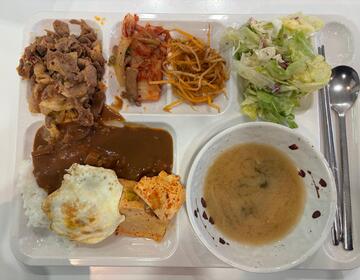
Affordable Eats in Sinchon
Finding good food around the Yonsei University, Sinchon campus in Seoul is extremely easy, but finding a good meal at an affordable price can be a bit more challenging. If... keep reading
Studying Abroad in Korea as a Very American Korean American
My parents immigrated to the United States from South Korea before they began elementary school and grew up learning English. They raised me in southern California, where I learned that... keep reading