Moving to Madrid From The U.S: Surviving Language Fatigue
Authored By:

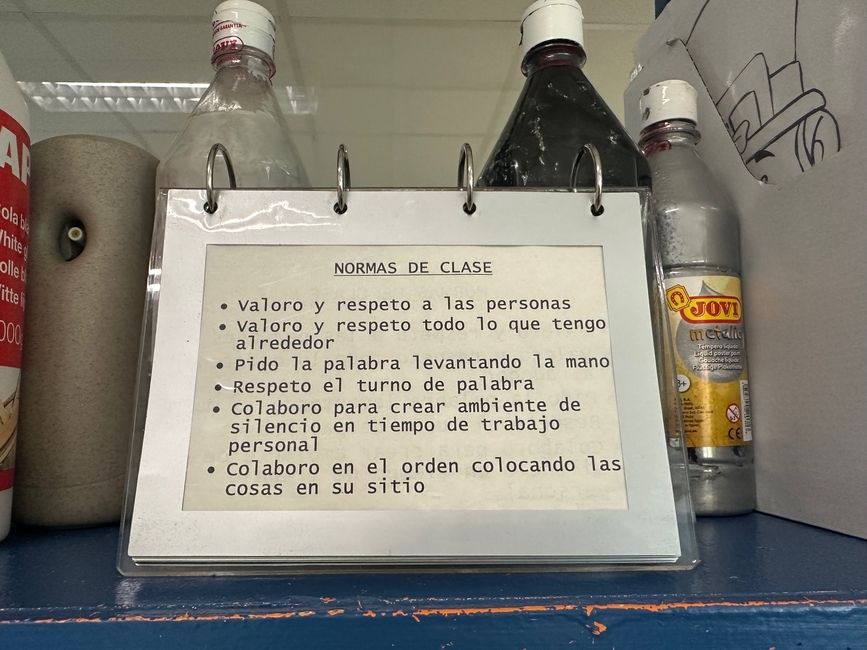
It’s Friday morning. Not a cloud in the sky. After weeks of rain, everyone’s in a good mood.
The teachers’ room is loud— laughter, fast conversations, plans for the weekend. And you’re just sitting there, smiling, nodding…not really understanding any of it
This is the kind of language fatigue no one talks about.
Culture Shock in Spain
My biggest mistake moving to Madrid from the U.S. was assuming most people speak English. Having never been to Spain, or even Europe, I had no idea what to expect. I quickly learned that most locals speak little to no English. Spain is one of the countries least likely to understand conversational English, so if you’re a beginner, the language barrier is something to be prepared for.
Spaniards speak extremely fast, and the American accent makes it almost impossible for locals to understand you unless they happen to speak English. The Madrid accent is also different from what many Americans hear in Spanish classes, so even familiar words can sound foreign.
As a beginner, I often froze, struggling to translate before speaking. Awkward pauses and repeated “no entiendo”s became routine. Small talk was usually the limit, and even rehearsed conversations clearly marked me as a foreigner. I soon realized this barrier made forming deeper connections with non-English speakers difficult, which was a challenge I had not anticipated.
Teaching English in Spain While Still Learning Spanish
As an English language assistant, your job is to speak English with the students. However, not knowing Spanish makes daily life more difficult, especially at school.
Even in bilingual schools, teachers and students primarily speak Spanish. At some point, your students will try to speak to you in Spanish as well — whether that’s to test how much you truly know, or ask how to say a word in English. If you don’t know it, you can’t respond. And while this pushes them to learn how to communicate in English, celebratory moments or stories from students may also be lost in translation, which can be frustrating.
All of the small talk between teachers is also in Spanish, and if you can’t keep up, feeling left out is inevitable. Even if they speak English, they won’t translate every little thing. You will get help here and there, but it’s important to learn how to fend for yourself.
Adjusting to Living Abroad
Constantly translating everything is exhausting. Your brain works overtime, and it’s essential to find ways to relax. For me, overstimulation was common in rooms with no English speakers. The break room, which is loud and fast, is great for listening practice, but not somewhere I could stay for long. I now bring an activity, like a book, work, or just scrolling on my phone, and participate on my own terms.
Outside work, having friends to speak English with is important. If you don’t have any, put yourself out there. Madrid is huge. There are always events and opportunities to meet people. Get out there and find yours!
Moving Abroad Language Learning Checklist
The only way to not improve your Spanish is to make no effort. Immersion is key. Here’s what worked for me as a beginner:
- Duolingo — Free, great for basic vocabulary. One lesson a day is minimal but a good starting point.
- ChatGPT — Excellent for practicing conversation. Expect challenges with speed and vocabulary.
- Spanish TV — Change audio to Spanish with English subtitles. Try shows like Money Heist or Elite or even your favorite shows or movies!
- Spanish class or language exchange — Plenty of opportunities in Madrid to improve skills.
- Try living with Spanish roommates — This one isn’t for everyone, but can be a great way to get in extra daily practice while also immersing yourself in the culture. Try texting and speaking to them only in Spanish whenever you can!
Take advantage of every chance to practice. Every bit counts.
The Growth That Comes
Unless you’ve experienced it firsthand, you can’t understand the trials and tribulations of not speaking the native language where you live.Basic tasks become more complicated than you could ever anticipate, so you have to celebrate the small wins whenever you can. Take yourself out for a sweet treat (there are cafes everywhere here!) Go visit one of the local parks (there’s more than just Retiro!) And most importantly, be proud of yourself.
Moving to a new country is something most people never get to experience . It takes courage to start over and leave everything you know behind. Language fatigue can make things feel lonely and difficult at times, but it’s also a learning experience. It forces you out of your comfort zone and shapes you to be resilient. Give yourself grace when things get tough and remember that your best is always enough. You’re more capable than you know.
Related Posts
Oh! I’m Faith, by the way :)
After two blog posts, I figured it was time to give a (late) but proper introduction to…me.

Learning Spanish by Osmosis
A short list of tips on how I, a non-expert, am going about learning Spanish without actually sitting down to study.
2026-2027 Teach Abroad in Spain is Cancelled...What to do Next and Exploring Other Options
Unsure of what to do next? Here's a started guide to alternatives you can explore.