Dancing with the Stars: Learning Flamenco in Spain Edition
Authored By:

The following blog was written by a student intern on a Summer 2025 CIEE high school summer abroad program. Read on for a first-hand account of what it's like on program in Seville, Spain.
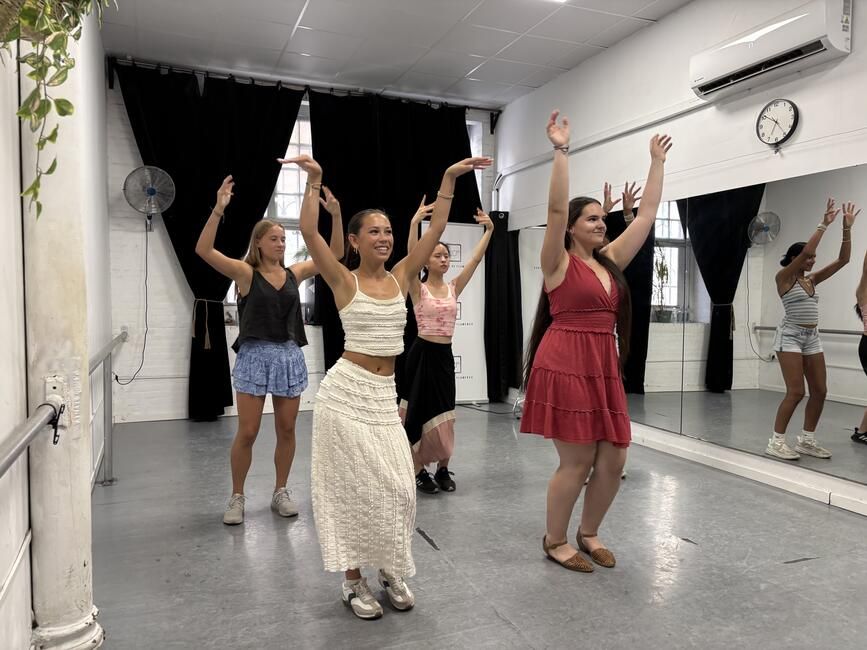
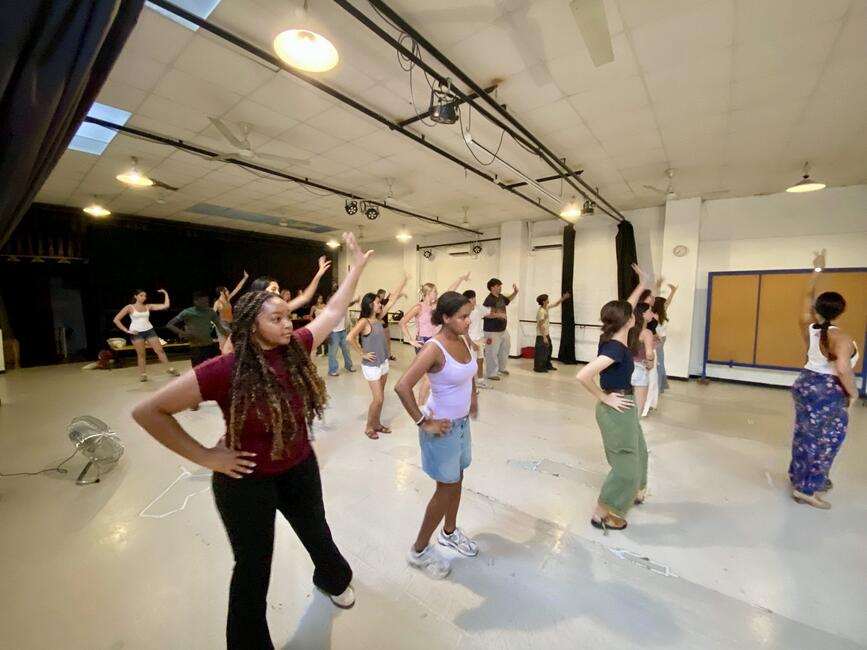
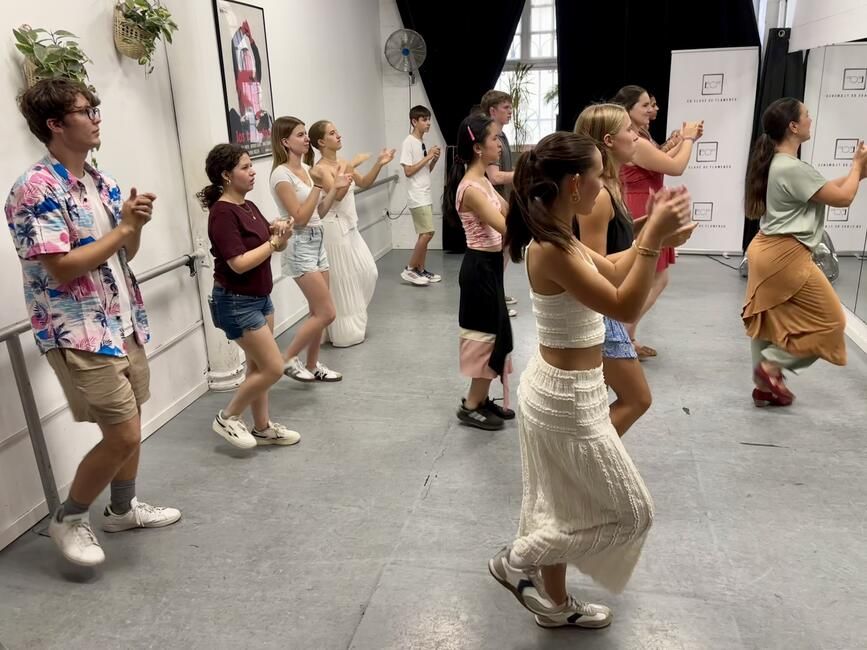
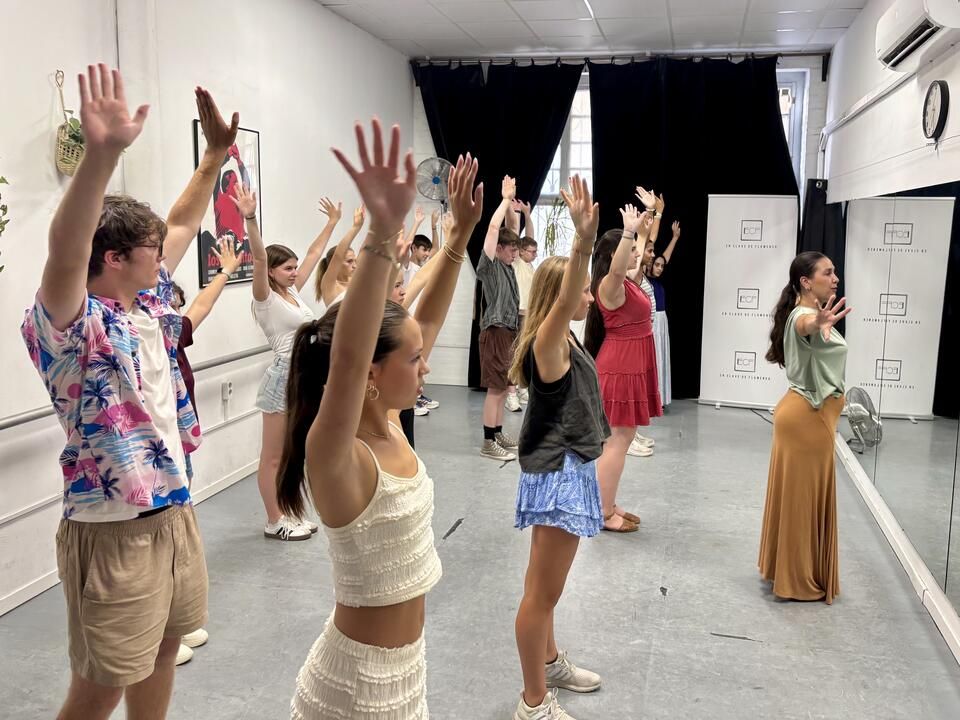
On Thursday, July 24th, 2025, the Seville, Spain HSSA Language and Culture Global Navigators stepped into the vibrant world of flamenco dancing during immersive dance classes at both Sala ZM and En Clave de Flamenco. Flamenco is a very important piece of Spain’s history, and considering it originated in Andalucia, it’s easy to understand its significance in the historic city of Sevilla.
Getting Warmed Up
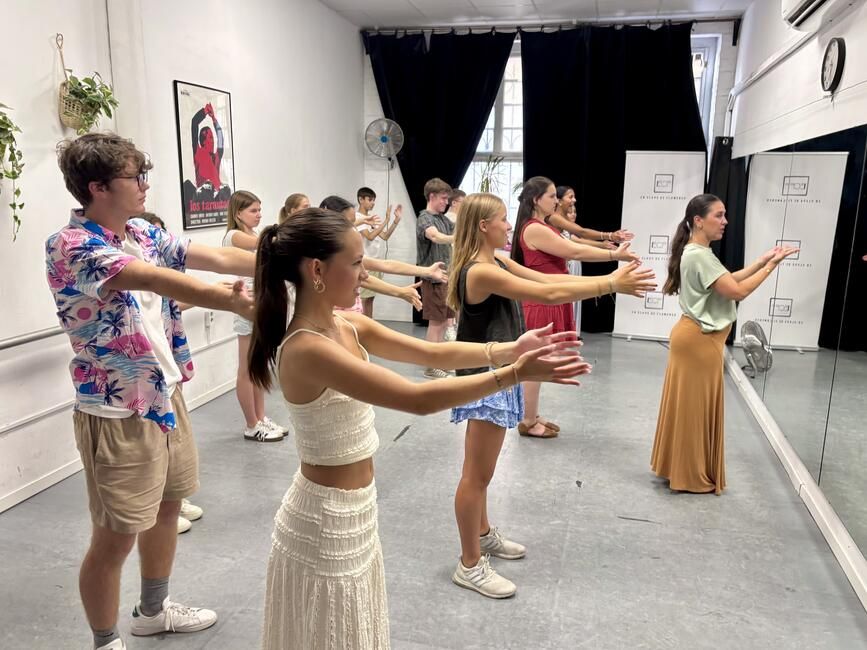
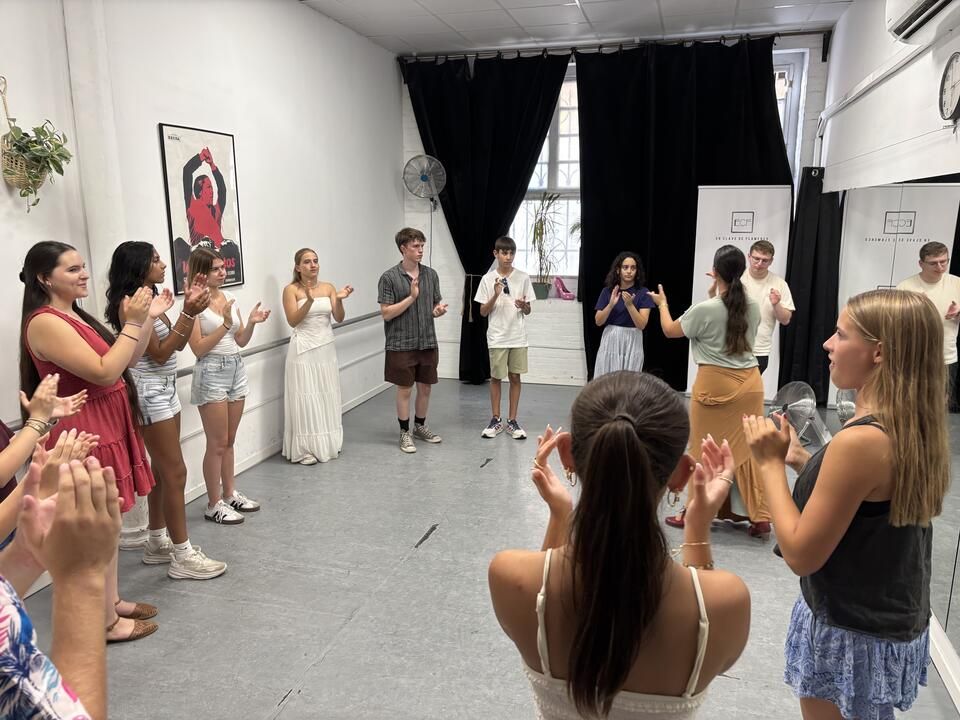
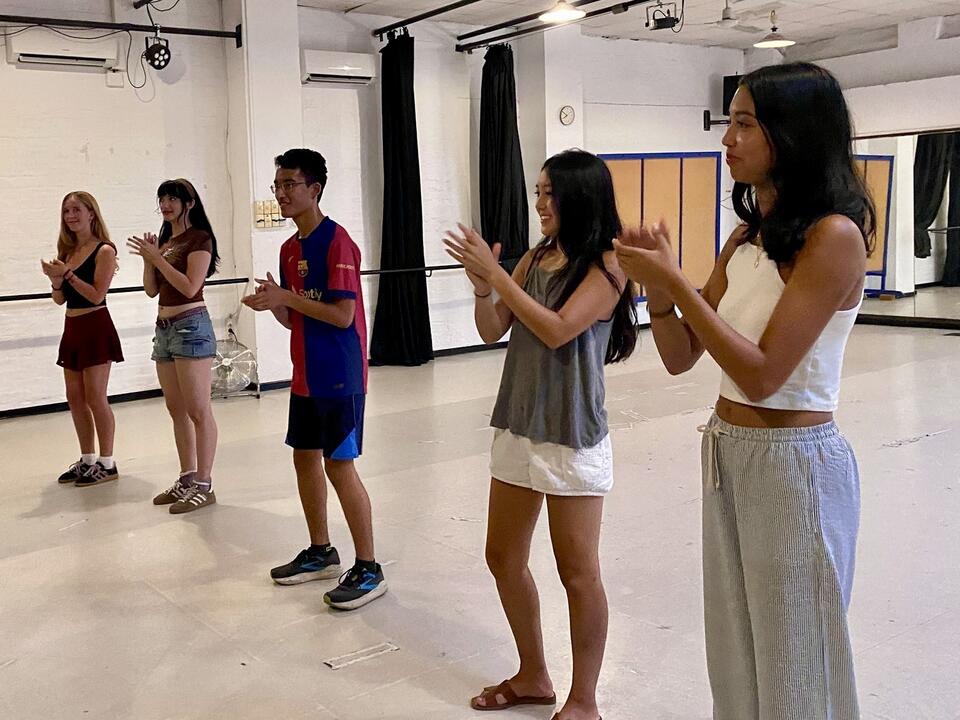
From the moment they arrived, the instructor set the tone by gathering everyone in a large circle and introducing the groups to the basics of flamenco handwork, especially the distinctive clapping techniques with their unique rhythms. It was interesting to hear her explain how even the way you hold up your arms changes the sound completely, and students quickly came to realize that the precision of the clapping is exactly what brings out the passion of flamenco.
The Attitude of Flamenco
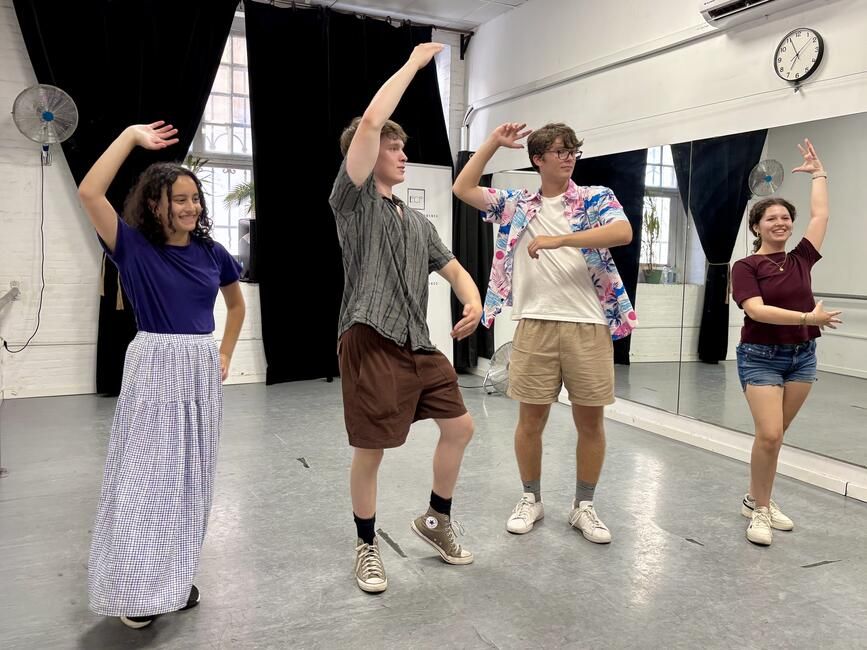
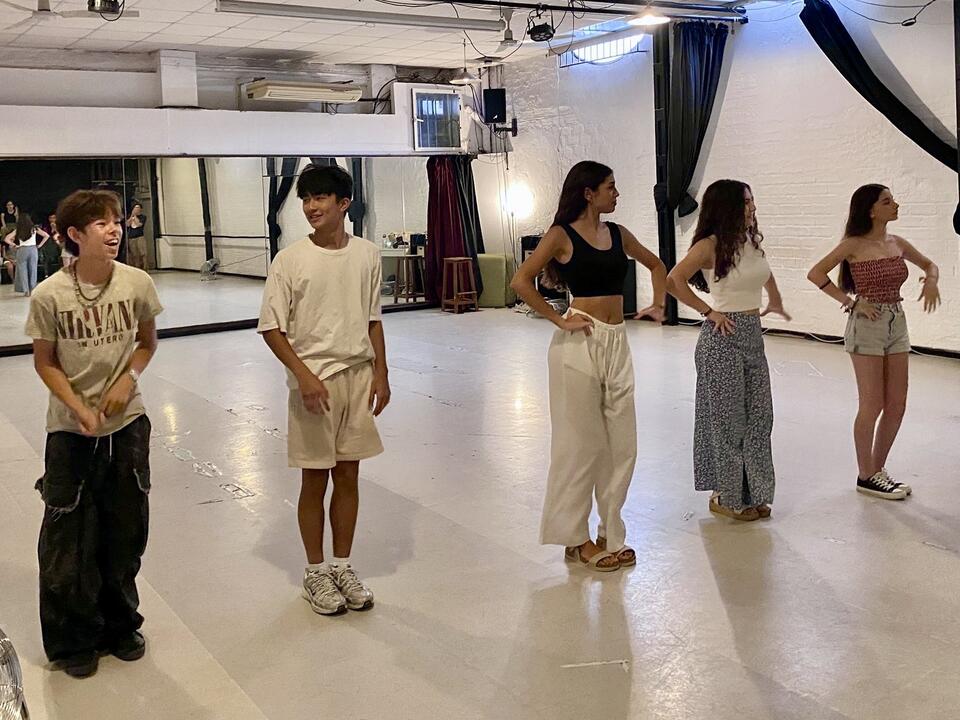
While learning about the clapping techniques, the instructor emphasized something that carried through for the entire class: the “actitud de flamenco.” It’s more than just the steps, claps, and arm movements. It’s about embodying the powerful, elegant, and confident presence that flamenco dancers are known for.
Even students who felt unsure at first were encouraged to channel their confidence into their inner flamenco persona. Strong posture and bold, intentional movements all helped bring the energy of the dance to life.
One Step at A Time
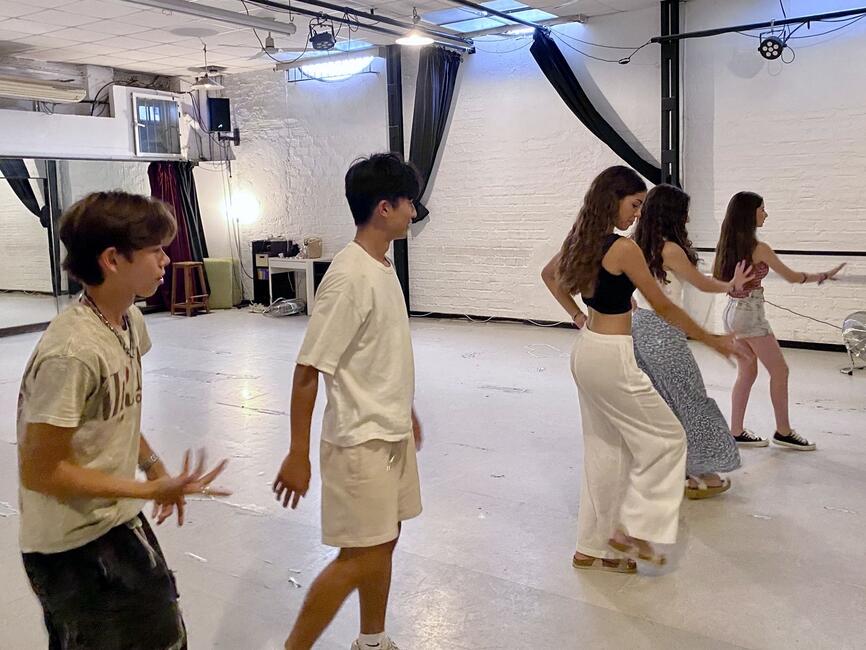
Next came the footwork. With rhythmic voice cues and clever mnemonics, the instructor made complex steps more easily understandable. For example, when there was a three step footwork passage both in the right and then the left direction, the instructor broke down the word “de-re-cha” and “iz-quier-da” into three foot stomps. This made it so much easier for the students to think about how to do the steps and remember them better.
Each new section of the choreography built on the previous one, allowing students to reinforce what they had learned before moving forward. They practiced bit by bit: first without music, then with music, gradually building up to a full routine. Along the way, they also mastered graceful arm movements and the expressive twists of flamenco handwork.
Cheers and Final Performances
After learning the full sequence, students first performed it as a one big group, then they broke off into smaller groups to perform the sequence for each other. Their peers acting as the audience, shouted encouragements commonly used during flamenco dances:
- ¡Olé!
- ¡Guapos/as!
- ¡Vamos!
- ¡Arsa!
From “I Can’t Dance” to Center Stage
It was especially exciting to see how much the students grew in just one class. Before we even started, several students said they “couldn’t dance” or felt nervous, but by the end, they were fully in it. They were moving with confidence, expressing themselves, and embracing the spirit of flamenco.
This kind of transformation, from an unsure beginner to a bold performer, is something we saw not only in this class, but throughout the entire study abroad experience. So many students started out feeling uncertain or out of their comfort zone a bit, and then, little by little, their confidence grew.
With a little more practice, who knows, we might just have some future flamenco performers in the group!
Related Posts

The Art of Side Questing in Madrid
Find out why Madrid is the perfect place to go on a mini adventure (or "side quest") while on a CIEE high school summer abroad program.
Highlights of Our Time in Seville
The following blog was written by a student intern on a Summer 2026 CIEE high school summer abroad program. Read on for a first-hand account of what it's like on... keep reading
Week 1 in Alicante: New Places and New Faces!
The following blog was written by a student intern on a Summer 2026 CIEE high school abroad program. Read on for a first-hand account of what it's like on program... keep reading