Should My Teen Study Abroad? What High School Students Gain From Educational Travel
Authored By:
If you’ve traveled internationally, you know the thrill of stepping into a completely different way of living—new foods, new customs, new daily rhythms, and people who see the world through a totally different lens. It’s fun, surprising, and eye-opening all at once.
Many parents who love to travel want their teen to experience that same sense of discovery: making friends from different backgrounds, trying things they’d never try at home, and seeing how big and varied life is outside the U.S. Cultural immersion gives high school students something no textbook can—a firsthand look at how other cultures approach community, communication, school, family life, and problem-solving. It stretches their thinking, sparks curiosity, and shows them that there are countless ways to live and learn.
When that experience happens through a structured, well-supported program like CIEE High School Summer Abroad, families can feel confident their teen is exploring safely, learning meaningfully, and having fun along the way. In the sections ahead, we’ll explore how different countries teach different lessons—and what high school students can gain from educational travel.
Learning Through Culture
When teens travel, they learn in ways that go far beyond sightseeing. Living in another culture—even for a few weeks—shows them new approaches to communication, community, and daily life.
Cultural immersion is a catalyst for real skill-building. Teens quickly learn how to communicate across language barriers, collaborate with people who have different perspectives, solve problems in new environments, and become more independent in the process. These are skills they’ll use in school, college, and future careers.
In the next sections, we highlight CIEE high school summer abroad programs in Japan, Spain, and Morocco to show how each country teaches in its own way, and how those experiences help high school students grow.
Japan - Learning Through Respect and Ritual
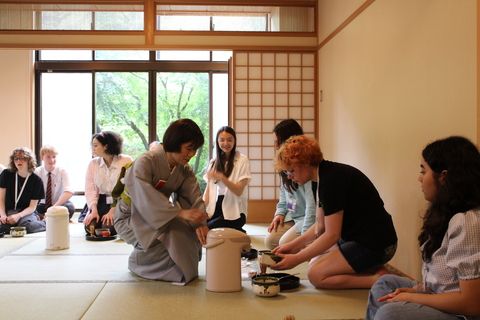
Japanese culture often focuses on intention and respect—from the quiet of a shrine path to the precision of a language lesson or tea ceremony. Instead of rushing, students learn to slow down, observe, and approach each activity with care.
This way of living teaches practical skills: how to listen closely, communicate thoughtfully, and pay attention to small details. It also introduces teens to mindfulness—the idea that focus and calm can be part of how you learn, create, and participate in a community.
CIEE programs include activities and excursions that build these skills through hands-on experiences. Depending on the program, activities may include:
- Tea ceremonies: Practicing patience, etiquette, and mindful attention to each step of the ritual
- Calligraphy workshops: Learning precision and calm focus through traditional brush techniques
- Taiko drumming lessons: Developing active listening, rhythm, and coordinated group communication
- Temple and shrine visits: Observing cultural etiquette and understanding the role of tradition in daily life
- Japanese cooking classes: Applying attention to detail through careful preparation and technique
- Exploring serene spaces like Arashiyama Bamboo Forest: Experiencing mindfulness and reflection in nature
CIEE offers several summer programs—from Japanese Language & Culture to Anime & Manga, Culinary Arts, Robotics, Video Game Design, and more — each giving teens a chance to learn these skills through a topic they already love. Explore CIEE Japan programs to find the one that best matches your teen’s interests and learning goals.
Spain - Learning Through Community and Conversation
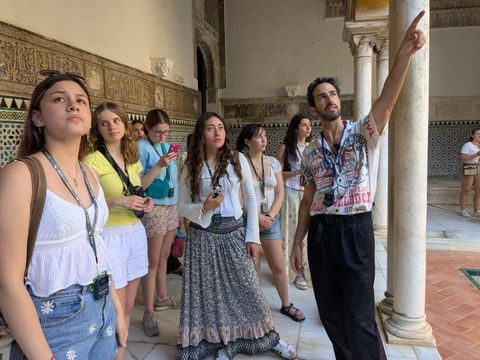
In Spain, teens enter a culture built around connection through shared meals, lively conversations, neighborhood gatherings, and a daily rhythm that values both productivity and enjoyment.
This environment teaches collaboration, confidence in speaking, and the ability to adapt to new social norms. Spain’s flexible daily rhythm of late dinners, afternoon breaks, and long evening walks also shows teens a fresh approach to balance, helping them understand that different cultures organize time and community.
CIEE programs include activities and excursions that build these skills through hands-on experiences. Depending on the program, activities may include:
- Tapas workshops: Practicing conversational Spanish through shared cooking and tasting
- Gothic Quarter or Old Town tours: Navigating historic neighborhoods while learning local history through storytelling
- Barcelona’s Boqueria Market: Using Spanish to ask questions, make purchases, and interact with vendors
- Beach days or kayaking trips: Experiencing Spain’s social, relaxed approach to outdoor life
- Visits to landmarks like La Sagrada Familia or Parc Güell: Understanding how creativity and community shape Catalan identity
- Photo walks or creative workshops: Building observational skills while collaborating with peers
Across Spain, CIEE offers summer programs that match many interests—from Spanish Language & Culture to Culinary Arts, Photography, Honors Spanish, Fashion Marketing, and more—each giving teens the chance to practice communication, collaboration, and cultural flexibility in authentic settings. Explore CIEE Spain programs to find the option that best fits your teen’s goals.
Morocco - Learning Through History and Cultural Diversity
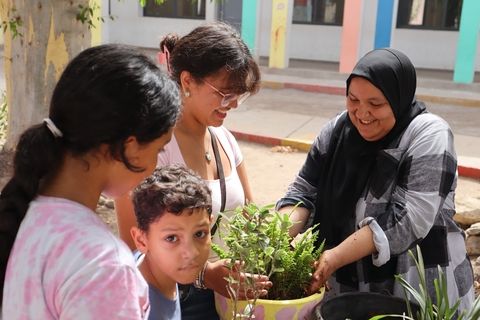
In Morocco, teens experience a culture shaped by centuries of African, Arab, and European influence. From navigating the medina’s winding pathways to sharing mint tea with a host family, students see firsthand how tradition and diversity shape modern Moroccan society.
Homestays offer an especially insightful peek into daily life. Teens experience new family structures, customs, and rhythms with shared meals and language practice in Darija or Modern Standard Arabic. This helps them understand how culture influences communication, hospitality, and community values. Visits to Islamic art museums, ancient kasbahs, and historic sites teach students how architecture, design, and religion have shaped Morocco for centuries.
CIEE programs include activities and excursions that build these skills through hands-on experiences. Depending on the program, activities may include:
- Chefchaouen (“The Blue City”): Observing history and identity through color, design, and community life
- Rabat medina & souks: Practicing communication and negotiation skills in traditional markets
- Hassan II Mosque or Hassan Tower: Learning about Islamic architecture, geometry, and spirituality
- Atlas Mountain hikes: Understanding indigenous Amazigh culture and rural community life
- Service-learning with youth or NGOs: Building leadership, collaboration, and cross-cultural communication
- Conservation fieldwork: Applying problem-solving to real environmental challenges across Morocco’s ecosystems
CIEE offers several summer programs in Morocco: Arabic Language & Culture, Leadership & Service, and Wildlife Conservation. They are all designed to help teens learn through history, diversity, and meaningful connections with local communities. Explore CIEE Morocco programs to find the experience that aligns with your teen’s interests and goals.
What Teens Learn, No Matter Where They Go
Educational travel helps students build skills that support their confidence, communication, independence, and future academic or career goals. These universal takeaways are part of what makes cultural immersion so impactful for high school students.
With CIEE High School Summer Abroad, teens gain these key skills no matter their program:
- Communication: Learning to express themselves across cultures, whether through a new language or new social norms.
- Adaptability: Adjusting to different schedules, customs, and ways of doing things—an essential skill for school, college, and life.
- Independence: Navigating new cities, routines, and daily responsibilities with growing confidence.
- Problem-solving: Figuring out transportation, communicating with locals, or collaborating in group activities abroad.
- Collaboration: Working with peers from across the USA and meeting local teens who bring fresh perspectives and ideas.
- Global Awareness: Understanding how other communities live, learn, work, celebrate, and solve challenges.
- Cultural Competence: Recognizing and respecting differences—and learning how to engage thoughtfully in new environments.
- Academic Growth: Strengthening language abilities, developing technical or creative skills, and often discovering new areas of interest.
Whether a teen studies language in Kyoto, photographs street life in Madrid, volunteers in Morocco, or explores marine ecosystems in the Mediterranean, CIEE programs around the world are designed to build these shared foundations, setting students up for success in high school, college, and their future pathways.
Why Teen Travel Programs Built Around Immersion Matter
Immersive travel helps teens build practical skills they’ll use or life—stronger communication, adaptability, confidence, independence, and a broader understanding of the world. You can learn more about our program outcomes and the Global Seal of Biliteracy to see how these experiences support academic and personal growth.
Ready to apply? Explore CIEE’s immersive student travel opportunities to find the right program for your teen.