The GAA: Gaelic Sports and Irish Culture
Authored By:
The following blog was written by a student intern on one of our Summer 2025 high school summer programs.
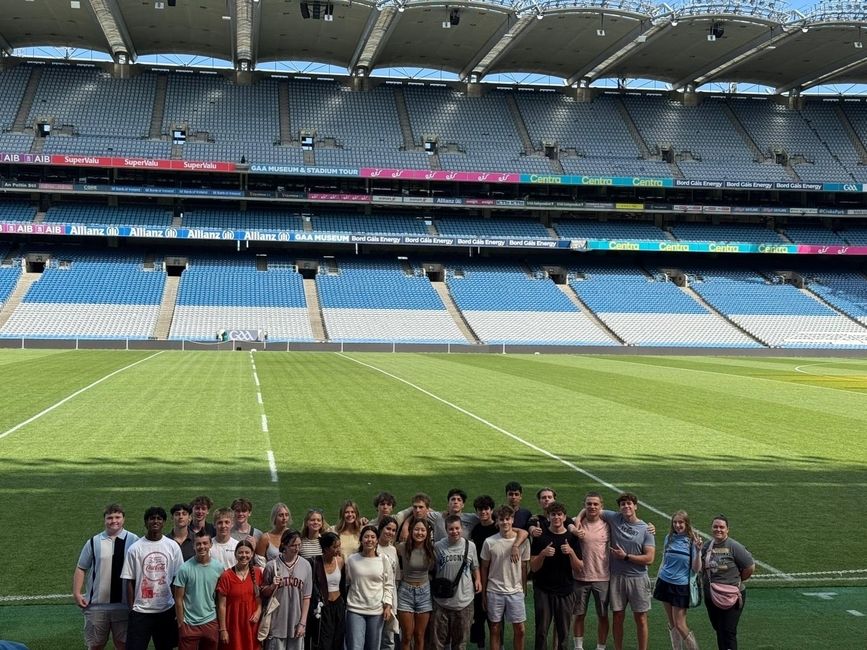
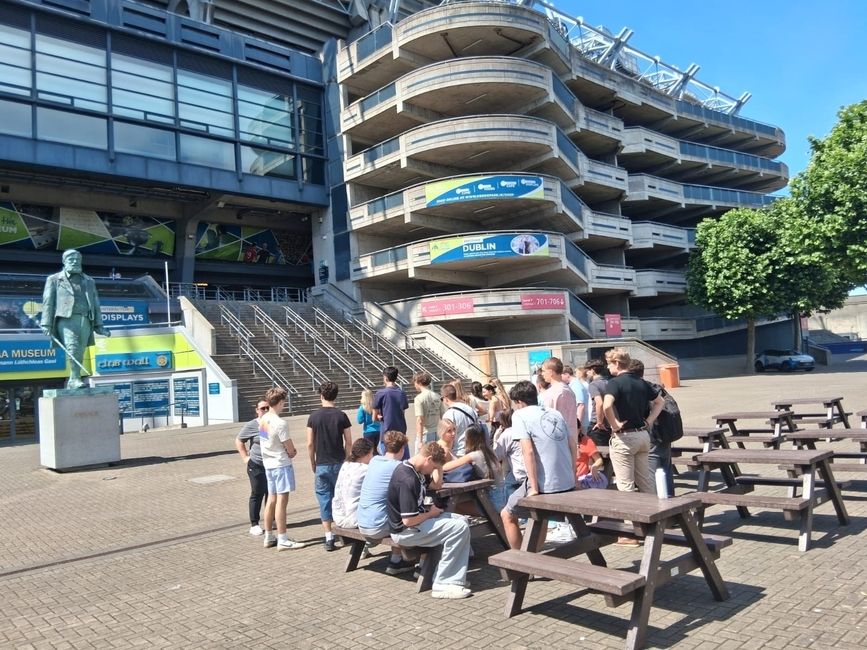
Croke Park is one of the largest stadiums in Europe with a capacity of 82,000 people. Students on program took a trip to the GAA experience, which is associated with Ireland's Gaelic Athletic Association. The GAA teaches people about the Gaelic games and how to play them. Here are some of the takeaways of these long standing Irish games!
What Makes GAA Special?
The GAA is unlike any sports organization in the world. Here's why:
- Players aren’t paid. They play for pride and community, often juggling day jobs while representing their counties.
- You can only play for the county you were born in, keeping the games deeply personal and local.
- Clubs start at the community level, progressing to town and county teams.
- One jersey style covers all GAA sports, showing unity across the disciplines.
- There’s a GAA club in nearly every country worldwide—yes, even in NYC and London!
Even the rules have a charm! They’re uniquely “Irish”—with a wink to the idea that sometimes, not every rule is followed strictly.
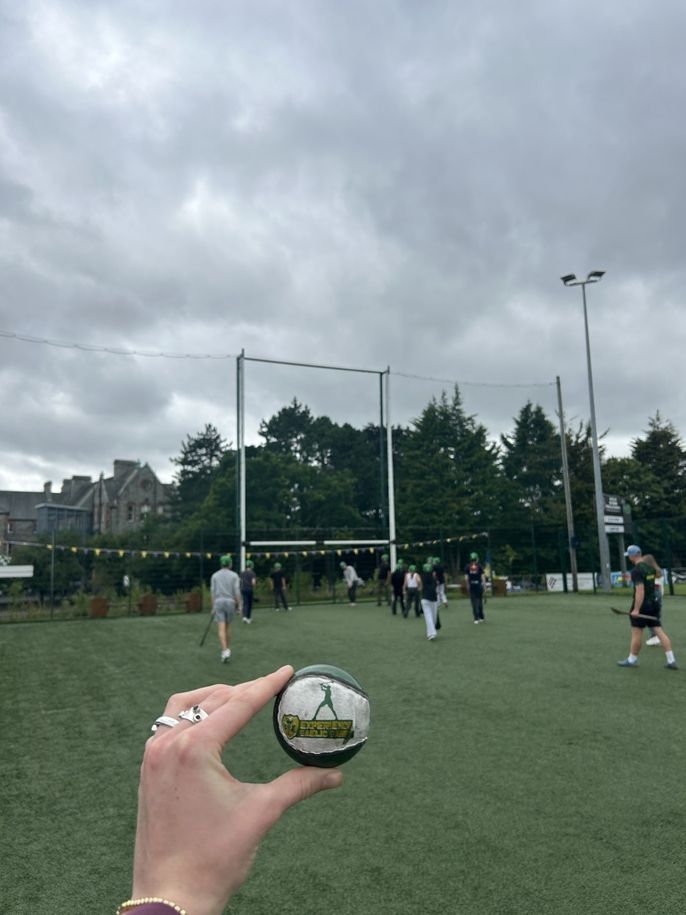
At the GAA Experience we played the top 3 Irish games:
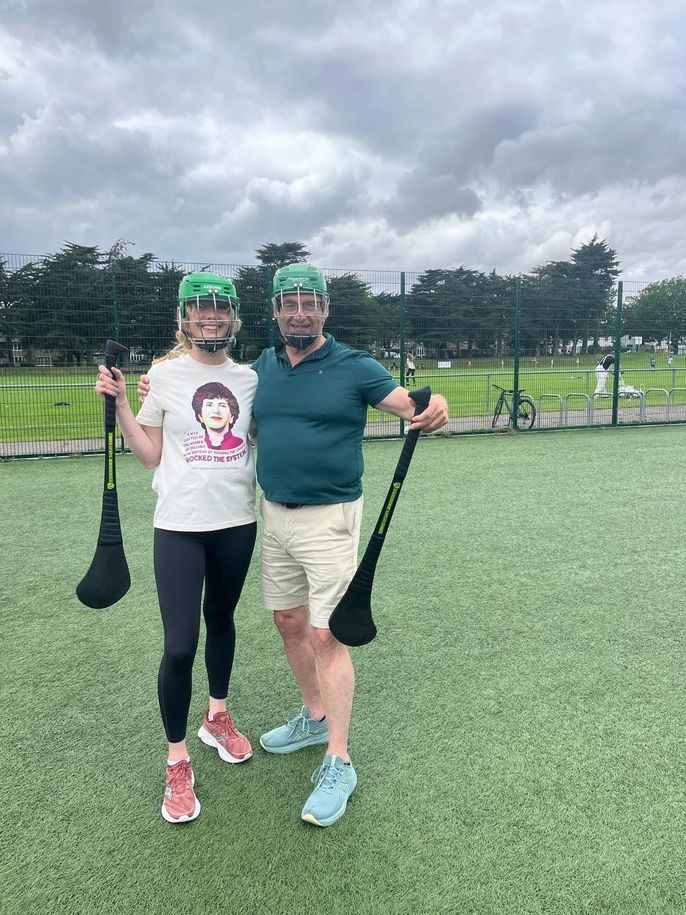
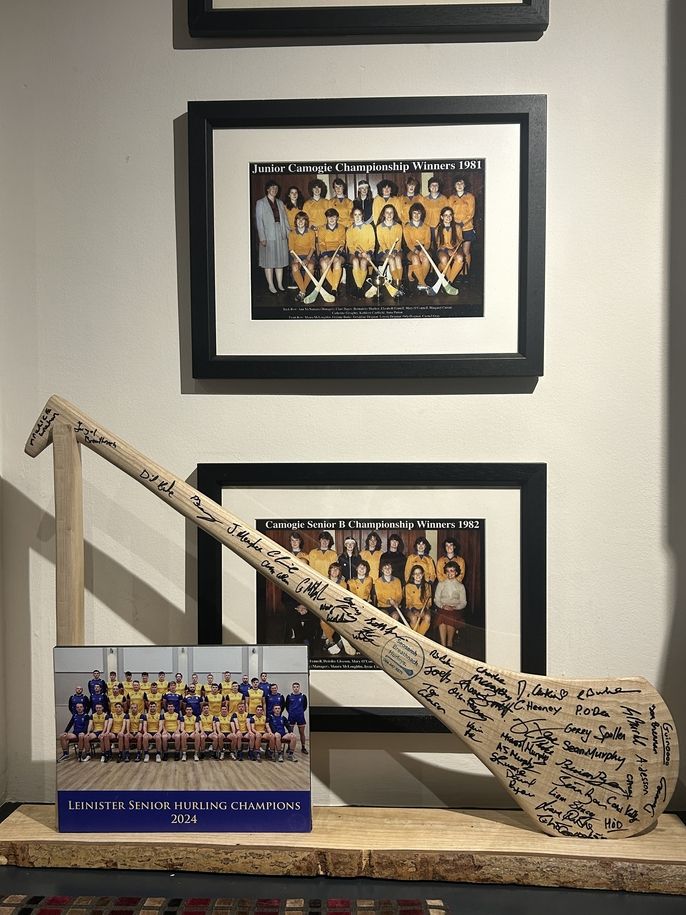
- Hurling, the oldest and fastest stick game in the world, which uses an ash wood stick (called a hurley) and a small ball called a sliotar. The sport originated from ancient warrior training, and today it’s a thrilling, high-speed game of skill and bravery.
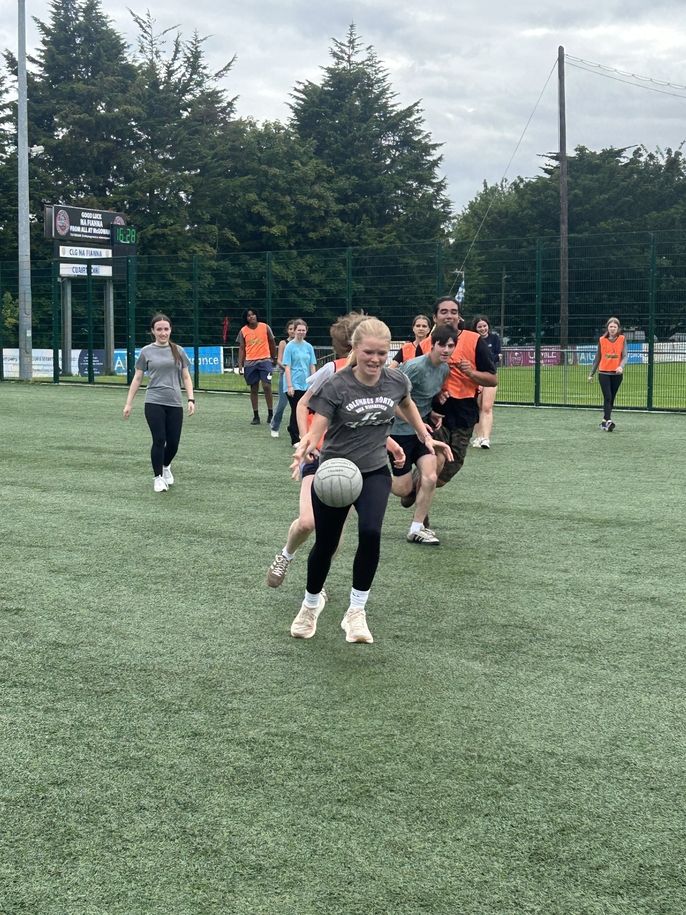
- Gaelic Football, another staple of Irish sports, is played with a round ball that’s carried, kicked, and punched across the field. It's also the fastest-growing women's sport in Europe, proving that Gaelic games are anything but male-dominated.
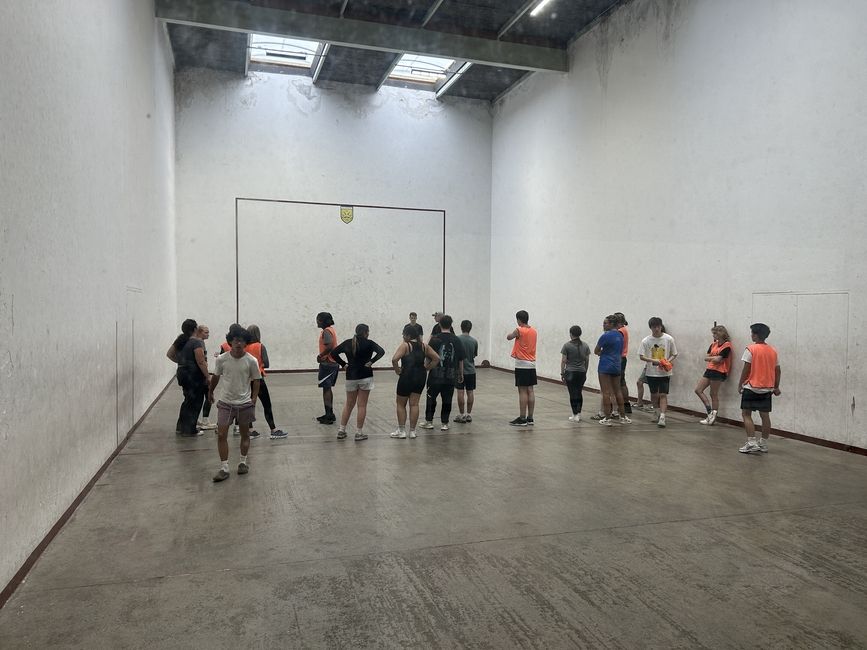
- Gaelic Handball, similar to 'wall ball' in the states this game was played in an alley like squash and involves 2 players hitting a small ball with their palm against a wall
More on Croke Park
Our visit wouldn’t have been complete without reflecting on Bloody Sunday (1920), a tragic moment in Irish history. During a game at Croke Park, British forces stormed the field in retaliation for actions by Irish revolutionary Michael Collins. 14 civilians were killed, including a young player, Michael Hogan, and three children. This event marked a turning point in the struggle for Irish independence.
Yet, sport endured. The first friendly match between Irish and British teams after that tragedy ended in a respectful, hard-fought Irish win—symbolizing resilience and peace.
Whether it's the fiddle and guitar echoing through Temple Bar's alleys or the roar of crowds at Croke Park, Ireland’s culture is built on passion, pride, and community.
Discover more of CIEE's high school summer abroad programs in our filterable program search, and consider applying for next summer's cohort of high school students today!
Related Posts
Behind the Scenes of Dublin's Famous Windmill Lane Recording Studio
During CIEE's Global Entrepreneurship high school summer program in Dublin, we took a deep dive into the heartbeat of Irish music history at Windmill Lane Recording Studios. This legendary space... keep reading
The Best Swim Spots in and Around Dublin
If you're spending your high school summer abroad in Dublin, you're in for more than just amazing classes, cozy pubs, and lively city life. Dublin is also home to some... keep reading
A Weekend in Carlingford
For our last full weekend in Ireland we went to Carlingford, a small coastal town north of Dublin. The students had the opportunity to participate in a variety of activities... keep reading