Shokuhin Sampling: Japanese Food Displays
Authored By:

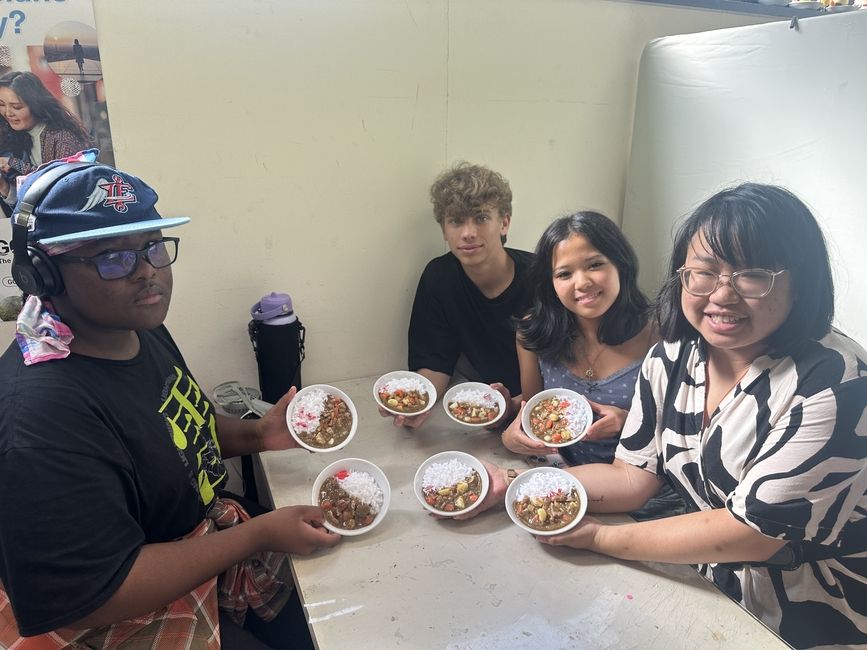
Every summer, language and culture students learn the intricate art of Shokuhin, or Japanese food sampling! Read on for a first-hand account from a student intern on program in summer 2025.
Many restaurants in Japan display realistic models of their dishes outside of their restaurant, often made out of plastic, wax, resin, and more. While wax was mainly used when food sampling first emerged, nowadays, many food samples are made out of plastic. These models help customers solidify their decision on where to eat, for these samples usually look very appetizing!
Food sampling was originated in Japan, during the early Taisho era (1910s). These replicas evolved partly due to the lack of photographic techniques at the time. These samples were first used by health institutes and organizations to introduce healthy foods. However, beginning the 1920s, more restaurants implemented these samples in their restaurants, which resulted in more customers and increased sales. This led to the commercialization of these food moulds, and they are still popular to this day!
These food samples look real due to a number of factors. First, they make the food look like there is steam coming out of it, which creates a “hot and fresh” effect. Second, whenever there is sauce, the maker incorporates a glossy finish which adds a rich, appetizing shine. Third, if a food is supposed to look crispy, the maker adds detailed surfaces made to mimic crunchiness. Fourth, whenever there is meat, color gradients are added to make them look more tender. Finally, the samples enhance the realistic aspect of the foods by including bright tones.
Half of our students made curry and the other half made ramen. I joined the curry team, and therefore was introduced with how to make curry food sampling.
The table is set up so that all the toppings (meat, carrot, potato, and onion) are resting in warm water so that the wax is more pliable. Next to the toppings, there was a bowl in which the finished product would be made in. There was a round white disk in the bowl to create the illusion of the bowl being full.
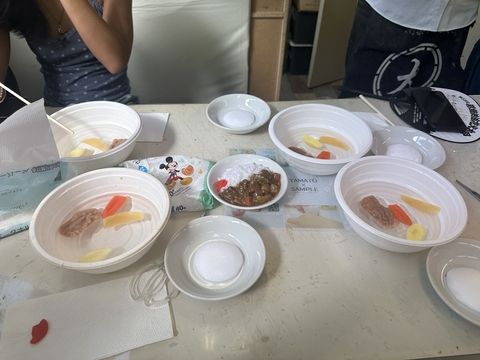
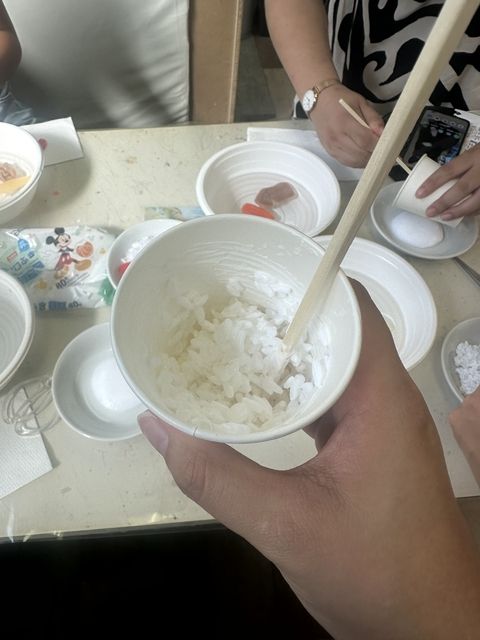
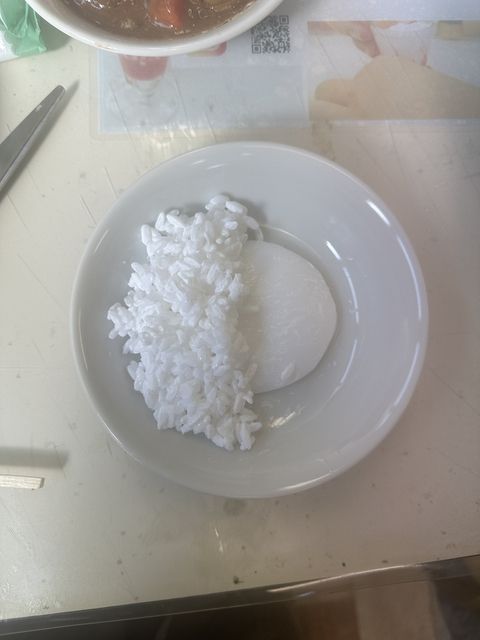
Afterwards, we were given a cup with white pellets made out of wax to resemble rice. The shokuhin sensei then put some glue inside the cup and we mixed the glue and the rice pieces together. Then, we placed the rice in one half of the bowl with the white disk.
Afterwards, we cut the toppings into desired sizes. Some students then molded the cut pieces with their fingers to change the shape.
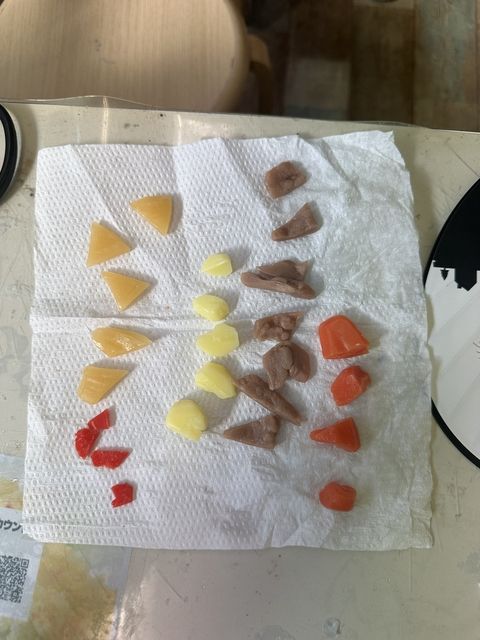
Then, we placed the ingredients in the other half of the bowl. In doing so, we were told to cover the white disk as much as possible.
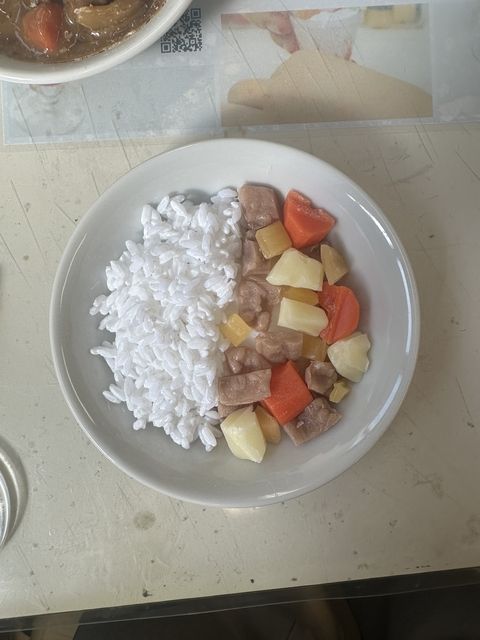
Finally, we were given brown-colored liquid wax to pour all over the bowl to resemble the actual curry! Then, we placed our bowls in the refrigerator for a few minutes, and the shop owners then painted our bowls with gloss (we were told not to participate in this step because the smell of the material may be disturbing to some students). Afterwards, our curry samples were completed!
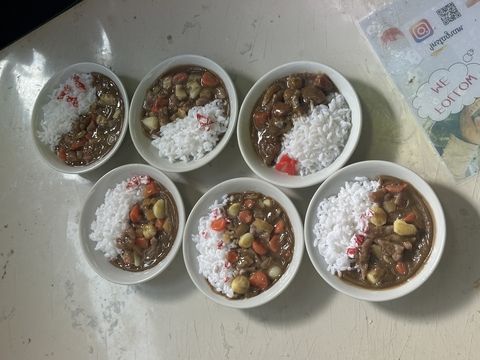
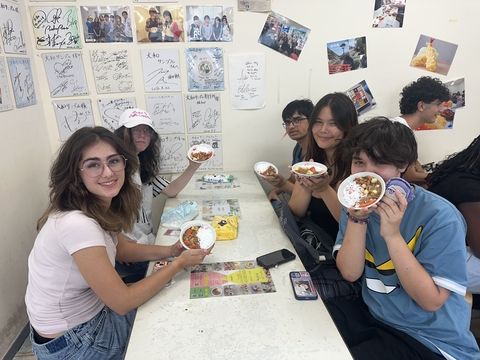
Shokuhin sampling is a major aspect of Japanese food culture, and it offers a unique way for people to engage with cuisine before making a purchase. For visitors and locals alike, food sampling serves as both a practical tool and cultural insight. From this intricate experience, our students definitely fostered a larger appreciation towards Japanese culinary traditions. We hope that they remember this experience every time they encounter food samples outside of restaurants!
Interested in spending a high school summer abroad in Japan this summer? Explore CIEE's many locations in Japan and find the right program for you!
Related Posts
3 Fun Ways to Beat the Heat in Kyoto
Read on for a CIEE participant's top tips for beating the heat while exploring Kyoto’s most iconic landmarks!

Living in Tokyo from the Perspective of a CIEE Student Participant
A brief overview of why Tokyo is seeing an increase in visitors, and the many services that make it an accessible city for so many people.
Student Interview: Cultural and Language Differences While Studying Abroad in Tokyo
The following blog was written by a student intern on a Summer 2025 CIEE high school summer abroad program. Read on for an interview with two students about their experience... keep reading