Exploring Mayan Ruins While Studying Abroad in Yucatán: A Journey to Uxmal
Authored By:

The following blog was written by a student intern on a Summer 2025 CIEE high school summer abroad program. Read on for a first-hand account of what it's like on program in Mexico.
The Excursion: A Day at the Ruins
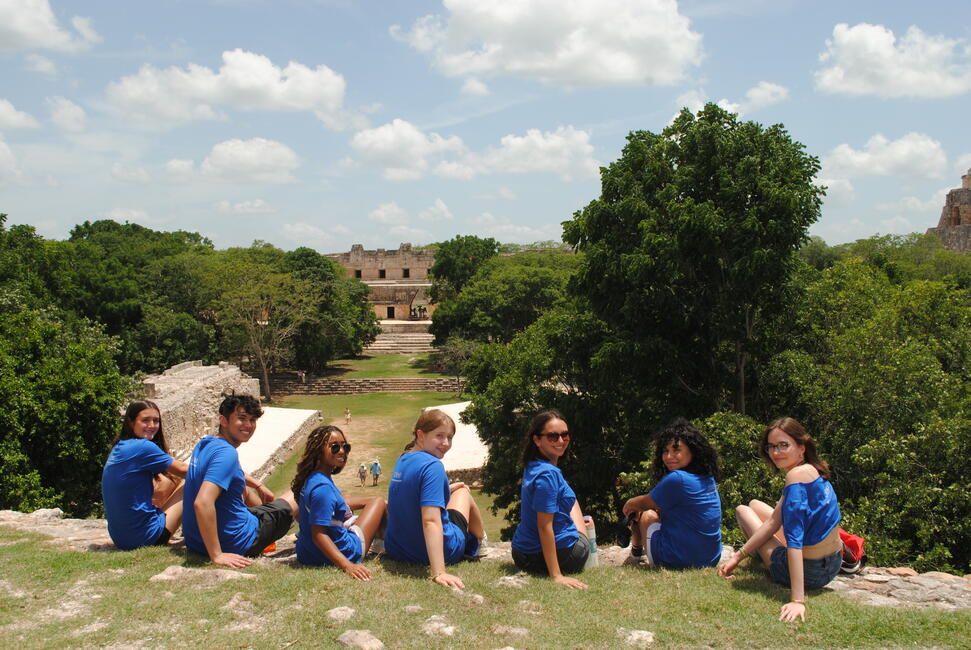
Our day began when our High School Global Navigator students piled into the vans and made the hour-and-a-half journey to the Uxmal archeological site. Along the way, the urban buildings of Mérida fade into the distance as the road winds through small towns and lush forests. Away from the busy city, the hush of the jungle descends under the heat of the midsummer sun.
The First Vista
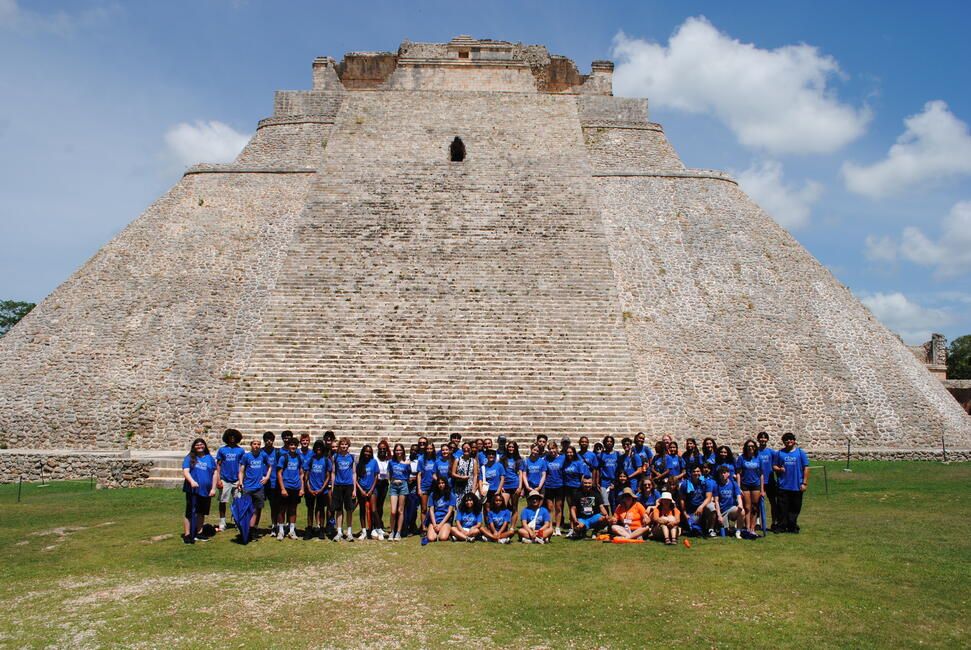
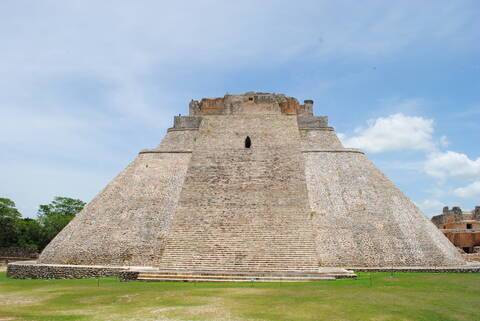
Upon arrival at the archaeological site of Uxmal, the first vista that greets the eye is the Pyramid of the Magician, a towering oval pyramid built by the Mayans starting in the 7th century. Its light grey and brown façade stands tall against the bright blue Yucatán sky, a timeless view that has endured for more than 1,000 years.
The Ancient City
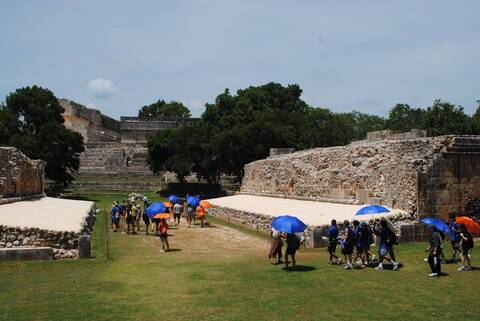
Throughout the complex of Uxmal, a series of ornately carved buildings and open squares allow the imagination to paint a picture of what life might have looked like here in this very spot during the Mayan reign. The archaeological site is expansive with numerous palaces, terraces, and a ball court for the traditional Mayan game of Pok ta Pok.
Symbolism and History
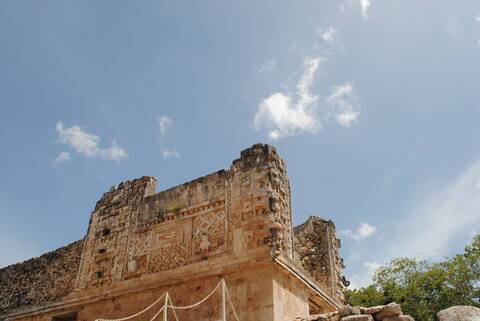
The carvings and statues of Uxmal heavily feature Chac, the Mayan God of rain. As there is no readily available surface water in this region, the Mayans who constructed Uxmal built large underground cisterns to collect rainwater for drinking and agriculture. This reliance on rainfall made the deity of rain one of the most prominent symbols of survival and resilience.
The Red Handprints
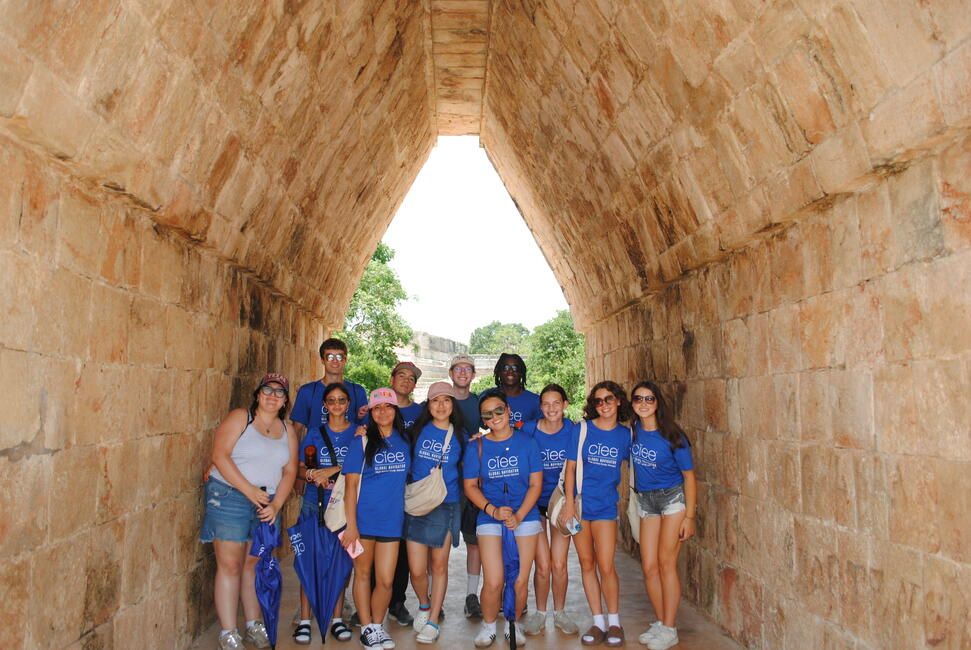
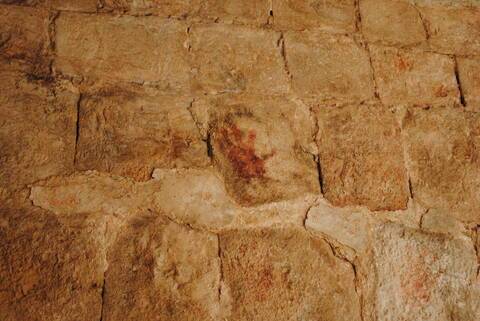
In the archways of Uxmal, red handprints stand out against the san-colored stones. These same kinds of handprints can be seen throughout the Yucatán Peninsula at other Mayan archaeological sites and are believed to be part of an ancient sacred tradition. To this day, the handprints of Mayans are still visible, a clear demonstration of the living history of these ancient cities.
Tips for Visiting the Ruins
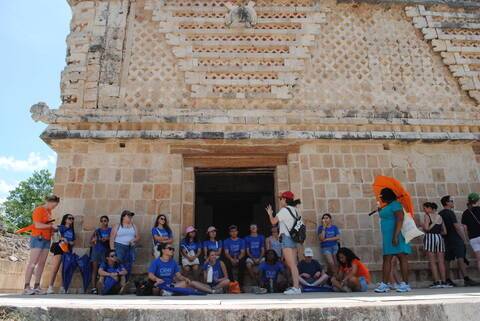
When visiting an archeological site as rich in sacred tradition and culture as Uxmal, learning about the history allows for a more enriching trip. Our students were accompanied by their teachers from CIEE, who are experts on the history of this site and were able to guide the students through the experience. Another essential thing to remember is to stay hydrated and protected from the sun. The heat in Yucatán can be very intense during the summer, so the best way to ensure you enjoy your experience is to find shady spots to rest while walking. Most of all, be present and take your time, visualize what Uxmal might have looked like 1,000 years ago, and imagine yourself transported back in time.
Interested in Spending a Summer Abroad in Mexico?
Learn More About CIEE High School Summer Abroad
Related Posts
Experiencing the World Cup in Mexico
Read what it was like for a student intern on program Summer 2026 to experience the World Cup in Mexico.
¡Hola, Madrid! Excitement, Courage, and Big Changes for High School Students
The following blog was written by a student intern on a Summer 2026 CIEE high school summer abroad program. Read on for an interview of a current student participant studying... keep reading

A Photo Journey: Students Studying Abroad in Mérida
Throughout the summer programs at CIEE Yucatán, there's plenty of free time to explore the city of Mérida with friends from the program. Here are some photos taken by students... keep reading