Teacher! Teacher!


Authored By:

Sawadee ka!
I've learned several things during my first week of work.
Firstly, it's that Thai students walk with their own agenda, and speak to each other as if they are deaf. In other words, things are slow and loud, leaving me utterly confused (and frustrated).
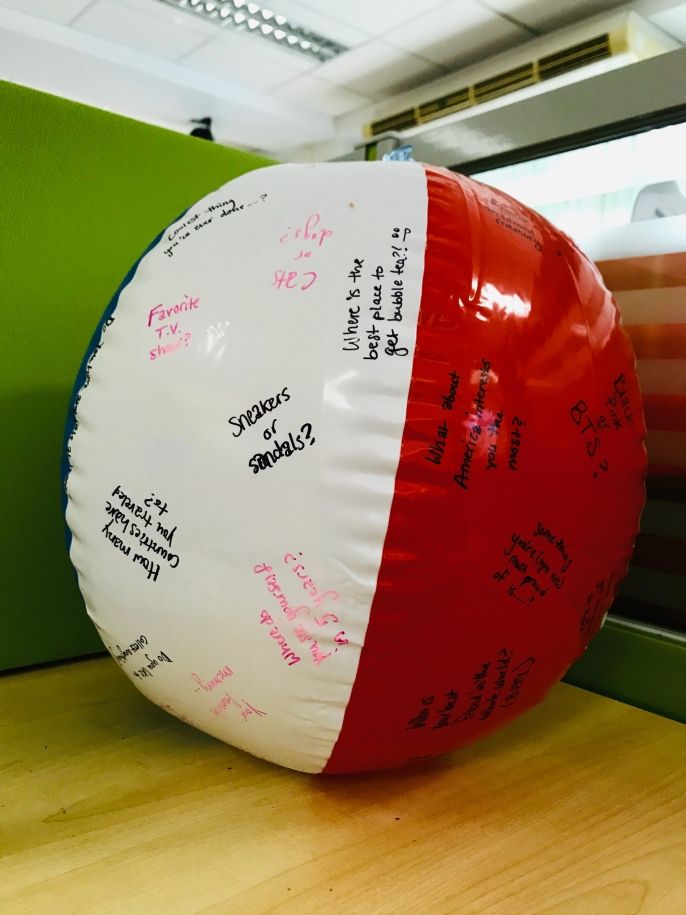
Lesson one was an opener: a beach ball with plenty of questions that require an intermediate amount of English to answer. Students are tossed the ball, and whatever question their thumb lands on is the one they answer. Allows me to gage who they are as ESL speakers (informally assess) and creates the type of environment I need (as an educator) to essentially reach my students.
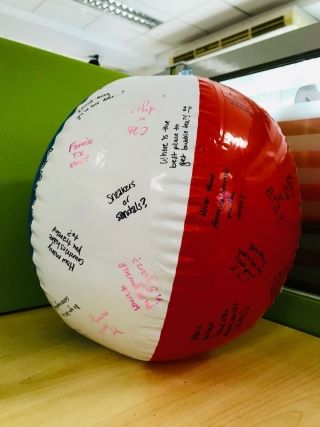
Easy enough, yes? Simple enough... yes. In America, this was a success. In Thailand, this was a struggle. I wish they would run to class the way they ran from this perfectly plush, harmless object. Screaming, laughing, and inconsolable fear. Yet, they came to realize this sort of stress was as unrequired as it was self-inflected, thus returning to complacency. It wasn't too long before it became an enjoyable activity, yielding the success it deserved.
Lesson two was a tad bit different. Still interactive, I held the standard of getting to know my students very high. I challenged them with a heated game of pictionary, full of more laughter, more unnecessary screaming, and more English. The game, although quite simple in its concept, was created to test thier knowledge of American culture (fitting, for their American studies unit). Words like "bird," and "pizza" were easily grasped and communicated. Girls went wild when I included objects central to their world (i.e.: MRT, BTS, pad thai). They found this sort of learning to be playtime, aligning much with Thai "land of smiles" culture.
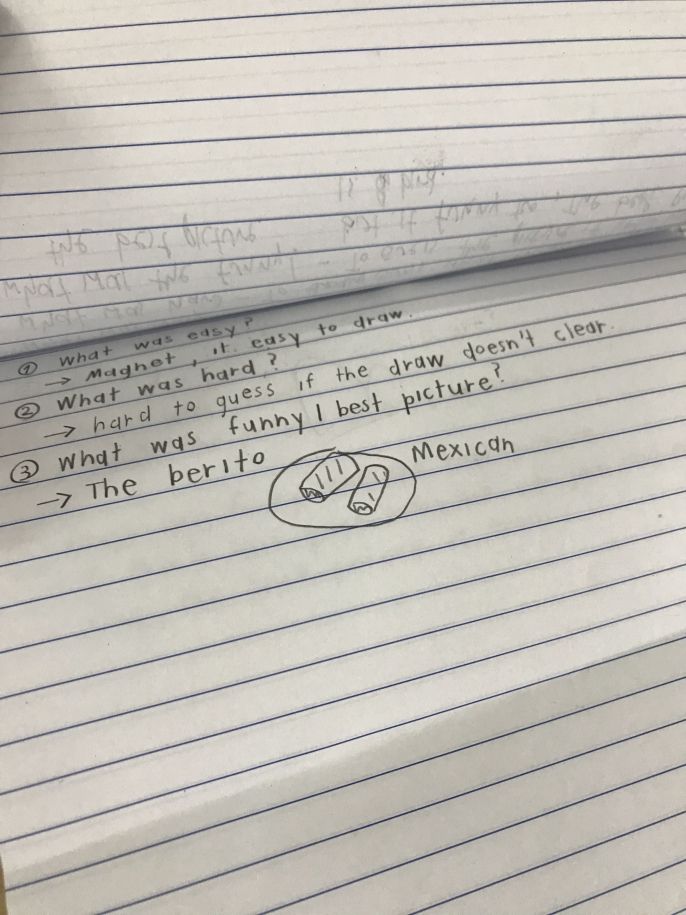
But there's a point to everything I do (shocker!). As a closer, My students were instructed to write about the easiest parts of this game and the most challenging (and why they found it most challenging). Once again, I was informally assessing their ability to write full sentences and summarize concepts in English. Phrases like "doing your nails," or "land of the free" proved rather difficult, which many discussed in their exit ticket. What I found most comical was the overwhleming submissions that labeled "burrito" as their biggest issue. As an avid tex-mex cusine consumer, this was something Chipotle could not stop me from ordering. In my classroom, about 1% of the girls knew what it was, and 3% able to recognize the picture, but not muster the correct word to label it.
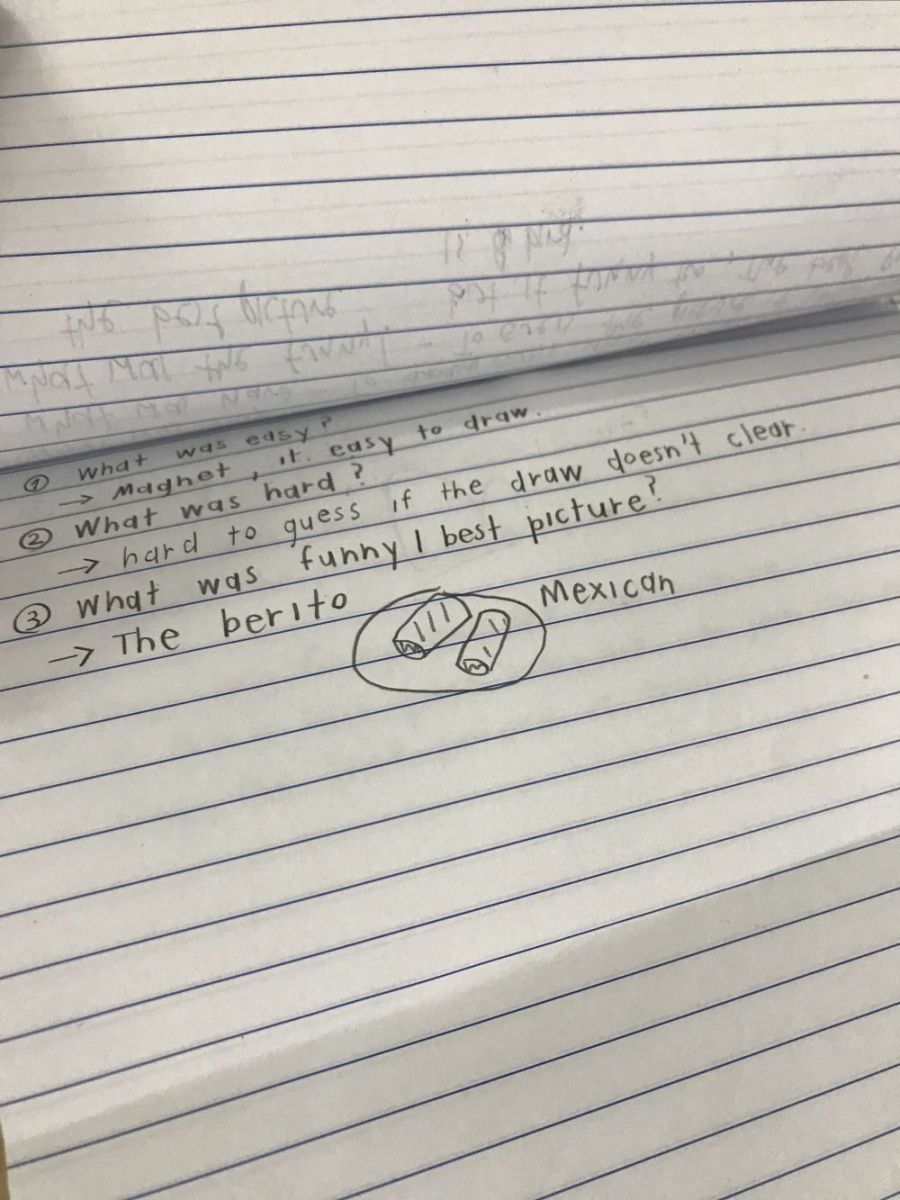
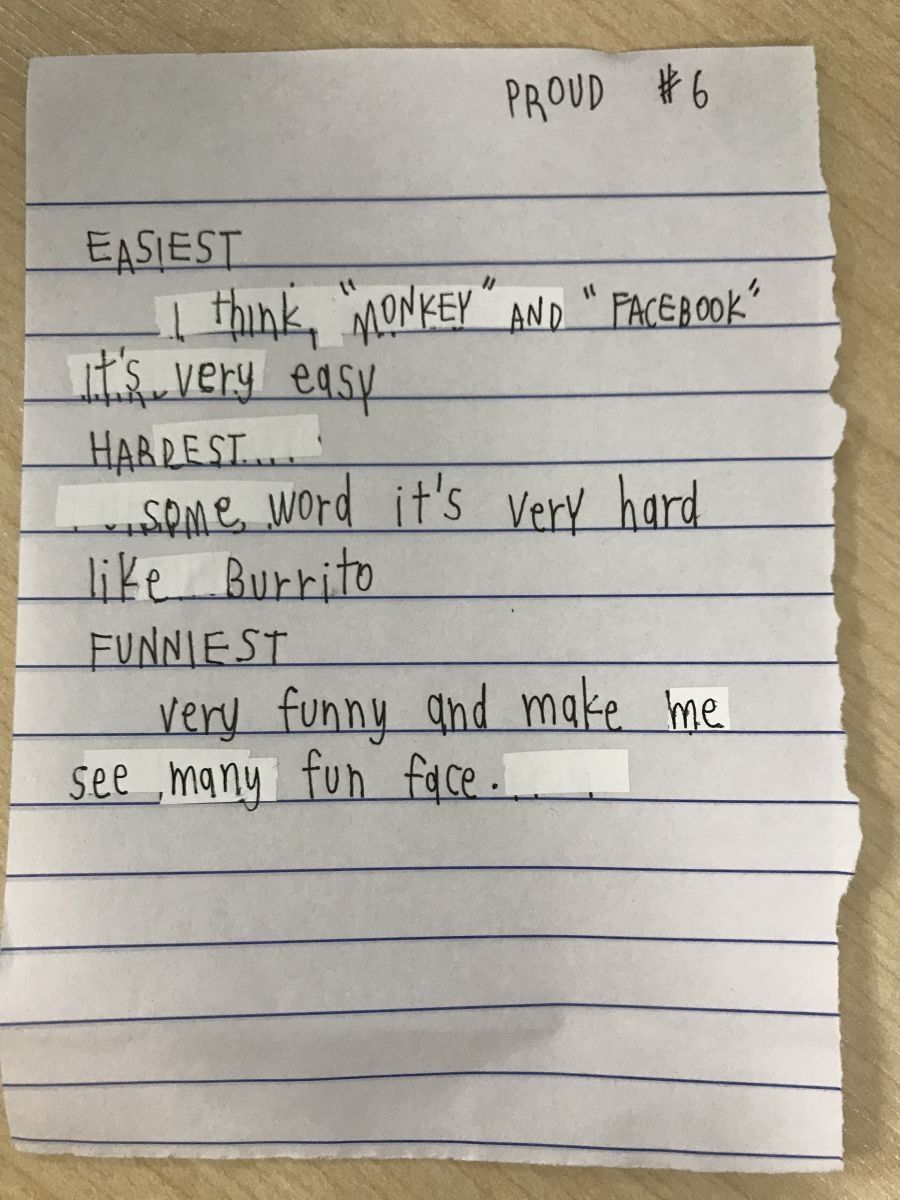
Of course, we spent the remaining five minutes watching Chipotle videos, so I could correct what the girls have been deprived of. Students left intrigued, and very hungry.
Til next time! I'm off to find a burrito in Asia.
Related Posts

The Solo Trip That Changed My Mind
I'd always admired people that went on solo trips, I just didn't ever think I could be one of them. This post shares the story of my first solo trip, how my mindset about it changed, what I learned from it, and a glimpse into what solo travel in Thailand is really like.
Thailand Through the Eyes of My 12th Grade Thai Students
What makes Thailand truly unique beyond its temples and street food? In this reflection, my 12th grade students in Thailand share what their country looks like from the inside — not as a tourist destination, but as home. Through their honest words, we see how Thai culture balances tradition and modern life, how respect, family values, and kindness shape daily experiences. Their perspectives offer an authentic glimpse into Thai society through the eyes of the next generation.
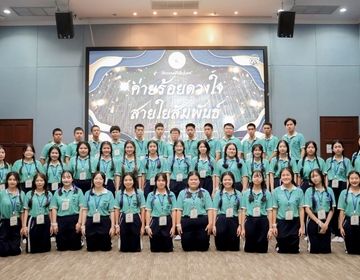
How Schools Shape Students in Thailand: A word from my students
What does school truly teach beyond textbooks and exams? In this reflection, three Thai students offer an inside look at how education shapes not only their academic futures, but their character and identity. Through their voices, we see that Thai schools function as more than places of learning — they are spaces where discipline, ambition, cultural pride, and respect are carefully cultivated. From the belief that education determines one’s future, to the daily practice of courtesy and social harmony, these students reveal how Thai education prepares young people not just for university, but for life. Their perspectives offer a powerful reminder that schools reflect the values of the society they serve.