
Study Abroad in Alcalá de Henares
College Study Abroad

Explore Alcalá de Henares with CIEE
Step into the birthplace of Miguel de Cervantes and study abroad in Alcalá de Henares, Spain, a UNESCO World Heritage Site just 35 minutes from central Madrid. Home to one of Europe’s oldest universities, the city blends centuries of history with a vibrant student atmosphere. Stroll down Calle Mayor, where Cervantes was born, enjoy churros con chocolate at a local café, or catch a performance at the Corral de Comedias, one of Spain’s oldest theaters. From lively tapas nights in Plaza de Cervantes to exploring the city's historic architecture and cultural landmarks, Alcalá de Henares study abroad offers an authentic introduction to Spanish life in a place that helped shape the country’s literary and cultural identity.
While abroad, choose from a variety of study abroad programs in Alcalá de Henares designed to support your academic goals across subjects like Spanish language, literature, history, culture, and the humanities. Whether you're strengthening your language skills, exploring Spain’s rich cultural heritage, or experiencing daily life in a historic university town, Alcalá de Henares study abroad provides a meaningful and immersive experience that combines academic growth with authentic cultural connection.


Top Activities in Alcalá de Henares with CIEE
Every CIEE Alcalá de Henares study abroad program includes frequent cultural excursions uniquely designed to complement the program’s academics and enhance students’ cultural immersion. In Alcalá de Henares, past excursions have included:
- Step into history with exclusive visits to world-renowned museums and cultural landmarks, including the breathtaking UNESCO-listed city center
- Explore beyond the city on a captivating day trip to the opulent Golden Age Palace and the majestic Monastery of El Escorial
- Embark on an unforgettable adventure with a scenic group hike through the stunning Guadarrama Mountains, followed by a relaxing picnic in nature’s embrace

Academics in Alcalá de Henares
CIEE Alcalá de Henares
Explore this historic university town while you stay at CIEE Alcalá de Henares, which is situated in the charming and walkable city center.
Universidad de Alcalá (UAH)
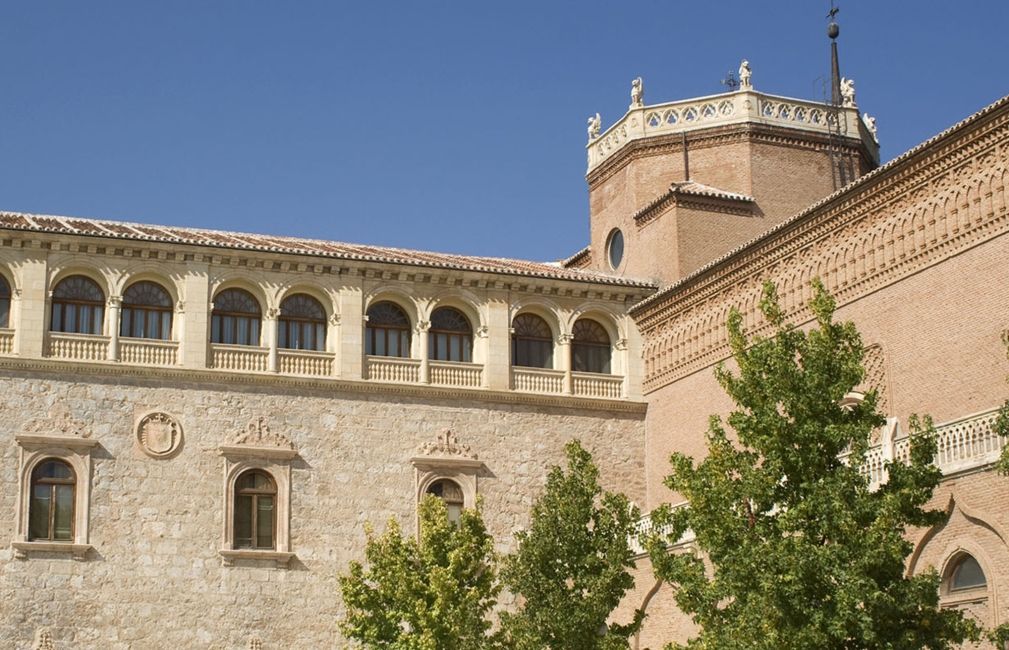
At the Instituto Benjamin Franklin, students study at the institute’s beautiful and modern home. Founded in 1499, the University of Alcalá hosts about 29,000 students in the city center where they study in renovated 16th and 17th century buildings.
Arizona State University (ASU)
Brought to you by CIEE in partnership with ASU, enhance your international coursework with online classes that align with your degree requirements. ASU offers thousands of online courses in asynchronous 7.5-week sessions that fit within the CIEE academic calendar.

Community Impact Initiative in Alcalá de Henares
CIEE's Community Impact Initiative invites you to connect more deeply with your host city by becoming an active member of its community. You’ll work alongside local organizations on projects that reflect real, on-the-ground needs, building meaningful relationships, gaining cultural insight, and contributing to efforts that create lasting, positive change. Through these immersive, hands-on experiences, you’ll engage with your surroundings while supporting initiatives that matter most to your host community.
While in Alcalá de Henares, your service work will align with broader initiatives focused on:
- Food Security
- Community Development + Public Health
- Youth Development + Education Initiatives
Study Abroad Programs in Alcalá de Henares

- Alcala de Henares, Spain
- Study Program
Frequently Asked Questions
Alcalá de Henares offers students the chance to experience Spanish culture in a historic university town with deep cultural roots. The city provides a rich academic environment for students interested in Spanish language, literature, history, culture, and the humanities. Its UNESCO World Heritage-listed city center and student community create a fantastic setting for both academic and personal growth.
Another major advantage is its location. Just a short ride from central Madrid, Alcalá de Henares allows students to enjoy the charm of a smaller city while having easy access to Spain's bustling capital. Whether you aim to improve your Spanish skills, explore historic landmarks, or connect with other students from around the world, Alcalá is an incredible destination for your study abroad experience.
Known for its medieval architecture, historical significance, and charm, Alcalá de Henares is a good place to study abroad for students looking to explore a smaller city outside of Madrid. Alcalá de Henares offers students an excellent opportunity to practice their Spanish and gain experience living abroad in Spain.
Alcalá de Henares is known to be a safe city with a very low level of crime. As with any study abroad destination, we recommend that students keep their belongings secure, stay aware of their surroundings, and travel in groups when possible.
The cost of studying abroad in Alcala de Hernares varies depending on the specific program that you choose and how long you plan to study abroad for. For detailed cost information, we recommend researching each individual Alcala de Hernares study abroad program page.
For costs not included in your program’s outlined fees, it’s important to consider factors surrounding your individual journey while abroad.
Read more: How Much Does it Cost to Study Abroad?
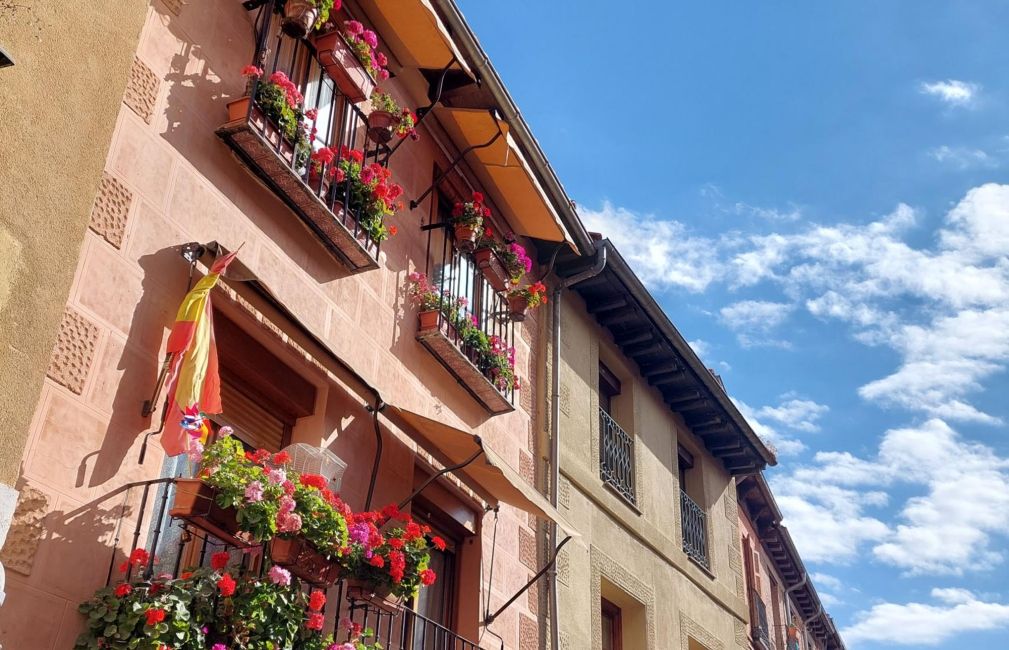
Alcalá de Henares is a beautiful city where students can experience Spanish culture and tradition firsthand. Its cobblestone streets, historic architecture, lively plazas, and centuries-old traditions create a charming environment for students. Students can stroll down Calle Mayor, visit the birthplace of Cervantes, attend performances at the historic Corral de Comedias, and enjoy tapas nights in Plaza de Cervantes while experiencing life as a local.
The city's culture is also shaped by its large student population and strong sense of community. From local cafés serving churros con chocolate to cultural festivals, museums, and more, there are countless opportunities to immerse yourself in the local culture. Plus, Alcalá is smaller compared to other major cities, so many students find it especially easy to build new connections and experience Spanish culture on a deeper level!
In order to ensure our students feel welcomed, supported, and empowered while studying abroad, CIEE staff completes comprehensive diversity equity and inclusion (DEI) training. Staff provide students with advice, resources, and ongoing support both before and during their study abroad program in Alcalá de Henares.
For more detailed information on diversity in Alcalá de Henares, visit our Diversity in Alcalá de Henares page.
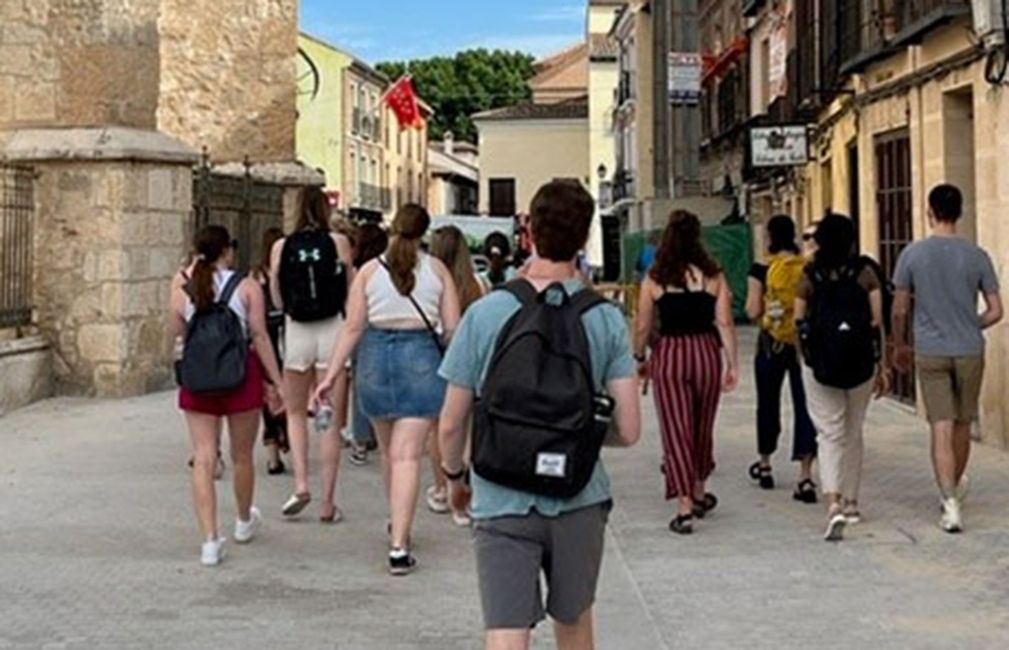
Yes! Alcalá de Henares is a smaller, more walkable city that is easy for students to explore on foot. Many of the city's most historic landmarks, campuses, cafés, plazas, and attractions are located in the historic center, making it simple for students to navigate daily life. CIEE Alcala de Henares is also situated in the city's walkable downtown area, making it convenient to commute to classes or landmarks.
Most students studying or interning abroad in Alcala de Henares will need to obtain the appropriate visa before departure. Visa requirements vary depending on your program type and length of stay. CIEE provides guidance throughout the visa process and helps students understand the required documentation and application steps for their specific program. Be sure to review the latest visa requirements well in advance of your departure to ensure a smooth arrival in Spain.
No, you don’t need to know Spanish to study abroad in Alcala de Henares. CIEE courses are offered in English, and English is commonly used in academic settings and major urban areas.
That said, learning some basic Spanish phrases can make daily life easier and help you connect more with the local culture and community, but it’s not required to thrive during your time abroad.
Study Abroad Scholarships & Grants

Apply in 1,2,3!
You may be wondering if there are any scholarships to study in Alcalá de Henares. CIEE offers scholarships and grants for study abroad programs in Alcalá de Henares to students with demonstrated financial need, proven academic merit, and for specific CIEE programs. Students can apply for scholarships through 3 simple steps:
- Search for and apply to your dream program
- Review all available funding opportunities
- Complete the Scholarship & Grants portion of your application

Study Abroad Scholarships
NEED-BASED SCHOLARSHIPS
Based on students' Estimated Family Contribution (EFC) from their Free Application for Federal Student Aid (FAFSA) and enrolled institution. Complete the Scholarships & Grants portion of your program application to be considered for all awards to which you are eligible.
MERIT SCHOLARSHIPS
Based on academic achievement. Complete the Scholarships & Grants portion of your program application, along with an essay, to be considered for all awards to which you are eligible.
OTHER SCHOLARSHIPS
Other scholarship awards are based on program or alumni status.
Alcala de Henares Blog Posts

The 10 Best Summer Study Abroad Programs for 2027
You could go home this summer. Or stay on campus. But what if you went abroad instead? Go BIG this summer with our list of the 10 b est summer... keep reading

EAT, DRINK, EXPLORE: ALCALÁ DE HENARES
BEST FOOD TO EAT IN ALCALÁ DE HENARES Alcalá de Henares is known for its sweets and rosquillas de Alcalá are one of the city’s most famous pastries. Rosquillas de... keep reading

Your Go-To Spain Study Abroad Packing List for Every Season
Excited to study abroad in Spain , but less excited to pack for your international adventure? We know the feeling, which is why we’ve put together a CIEE-approved, go-to study... keep reading
How to Study Abroad in Alcalá de Henares
Step #1: Select a Timeframe
CIEE offers a variety of ways to study abroad in Alcalá de Henares, including semester-long sessions, summer study abroad, and J-term, with program lengths ranging from four weeks to 18 weeks. With flexible options, it’s important to select a timeframe that makes sense with your personal and academic schedule.
Step #2: Choose a Program You Love
After determining your timeframe, find a program that meets your academic and career goals. Students can choose from subjects like mathematics, business, and Spanish language courses, along with classes focused on local culture, history, and more. Choosing a program you’re passionate about will help you make the most of your Alcalá de Henares study abroad experience!
Step #3: Verify Your Eligibility
Make sure you’re eligible to participate in CIEE’s Alcalá de Henares study abroad offerings. Every program has its own requirements, but typically include a minimum GPA and often other course and credit requirements, too.
Step #4: Create Your Budget
While studying abroad in Alcalá de Henares can be an affordable study abroad option, it’s always a smart idea to budget for other expenses, like incurred travel expenses, gifts, and food.
CIEE also offers millions in study abroad scholarships and grants each year based on several factors including financial need, academic merit, and other considerations, to allow you to make a study abroad dream a reality!
Step #5: Apply!
Now that you’ve found your program, you’re ready to apply! The application process is quite simple, but if you have any questions, we’re always here to help. Just contact us!



Safety at CIEE Alcalá de Henares
At CIEE, your health, safety, and well-being are always a top priority, so you can focus on making the most of your study abroad experience. From trained on-site staff who are local community experts to 24/7 support for students and families at 1-800-40-STUDY (1-800-407-8839), we’re here whenever you need us. Every program location is carefully reviewed for health, safety, and academic quality. Our global teams continuously monitor local conditions and stay connected with trusted partners, government officials, and U.S. embassies around the world. With guidance, resources, and real people ready to help every step of the way, you can feel confident living, learning, and exploring abroad with CIEE.

Student Housing in Alcalá de Henares
CIEE Alcalá de Henares offers a variety of housing options for you to choose from. Our Alcalá de Henares housing options are located in neighborhoods with convenient access to public transportation, shops, and restaurants. Available housing options vary by program.