Work-Life Balance: The Difference Between Germany and America
Authored By:

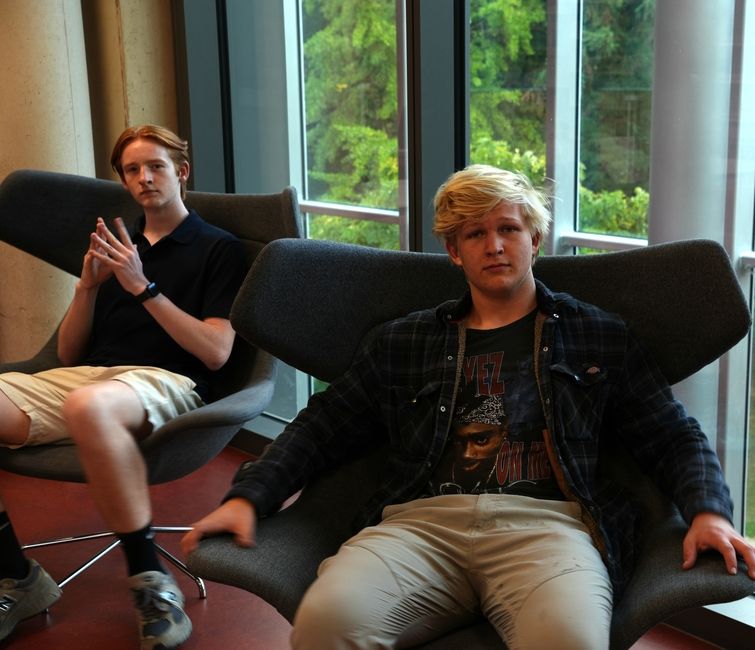
Dominick is an American student studying in Germany as part of the CBYX (Congress-Bundestag Youth Exchange) scholarship exchange program.
Someone told me that the biggest difference between American schools and German schools is that American schools have culture.
German schools are not meant to be so engaging. They're meant to be work. You clock in like a job and drill the skills you'll eventually need for the Abitur (a certificate similar to a U.S. high school diploma that's required to study at university).
American schools are more lively. They have sports, clubs, and other school functions, and lots of kids' lives are centered around their school.
This reveals an underlying difference in the ways Germans and Americans live their lives. For some Americans, occupations complement their personalities. They're an active extension of their life purpose. People say that when you get a good job, every day will feel like a vacation.
However, in general, Germany places a large emphasis on work-life balance. It's less likely for your friends at school to be the same friends you see at home, and when you're home, you're unplugged. Holidays really mean a day off.
This factors into a lower presence of ambition in culture, as people are unlikely to run side hustles or other projects in their free time. For example, I’ve spoken to people in the German startup space, and the whole concept of living on some air mattresses eating pizza with your co-founders is very foreign to them. And when I attended a hackathon here, it was much more laid back and vastly different than ones I’ve been to in America.
However, if America is a land of motion, Germany is a land of stability. Germany is the anchor of Europe’s industry and economy – and that status is not accidental. It starts back in the organization of their classrooms.
Related Posts

Promoting New Perspectives About the U.S. – While in Germany
Few high schoolers have the opportunity to speak with Foreign Service officers – and even fewer with a Consulate General.
Knowing My German City
This foreign architecture now feels like home to me. These “half-timbered” houses feel so characteristic to the region I live in. Still, there are a lot of things that I’ve noticed while traveling around.

Finding Ways to Get Better At German
Der, die, oder das. Those are the three haunting indefinite articles that threaten to send shivers down my spine at night as I jerk awake.