14th Annual CIEE Global Internship Conference Opens in Tallinn
Authored By:

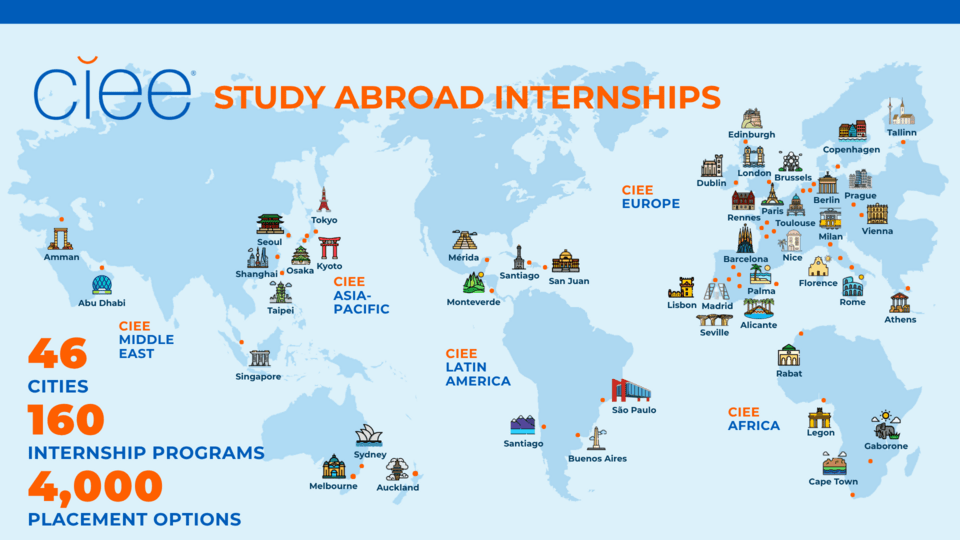
The 14th Annual CIEE Global Internship Conference kicked off today in Tallinn, Estonia, bringing together educators, employers, policymakers, and researchers from around the world to share ideas and best practices for creating internship experiences that prepare students for careers in an economy increasingly shaped by emerging technologies. The conference theme is "Leading Change in Global Internships in Europe's Innovation Engine."
CIEE chose Tallinn as the conference location because of Estonia’s digital infrastructure, startup ecosystem, and technology-driven public services. Often described as Europe's Silicon Valley, Estonia has become a case study in how governments, universities, and employers can work together to support innovation and talent development.
Internship Site Visit to Tal Tech
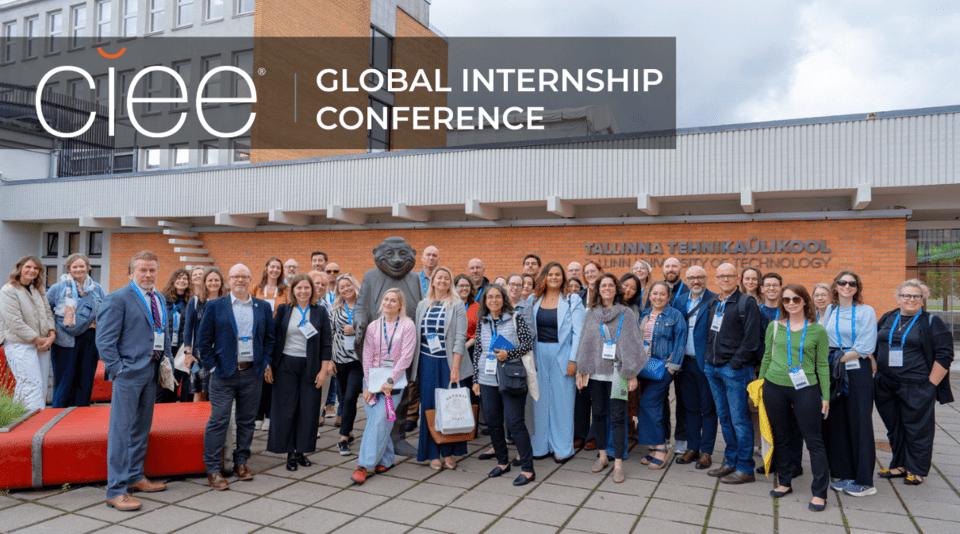
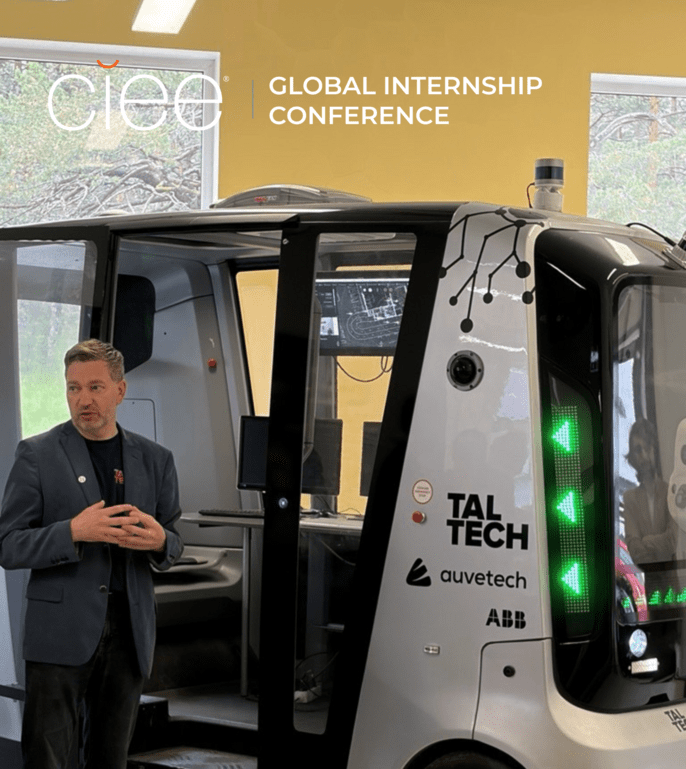
The day's programming began an internship site visit to Tal Tech – Tallinn University of Technology, where participants learned about internship opportunities available to students.
Raivo Sell presented research involving autonomous vehicles and sustainable transportation systems. He demonstrated how self-driving technologies can help identify traffic challenges and improve pedestrian safety while also highlighting projects that allow students to retrofit older vehicles with environmentally sustainable technologies.
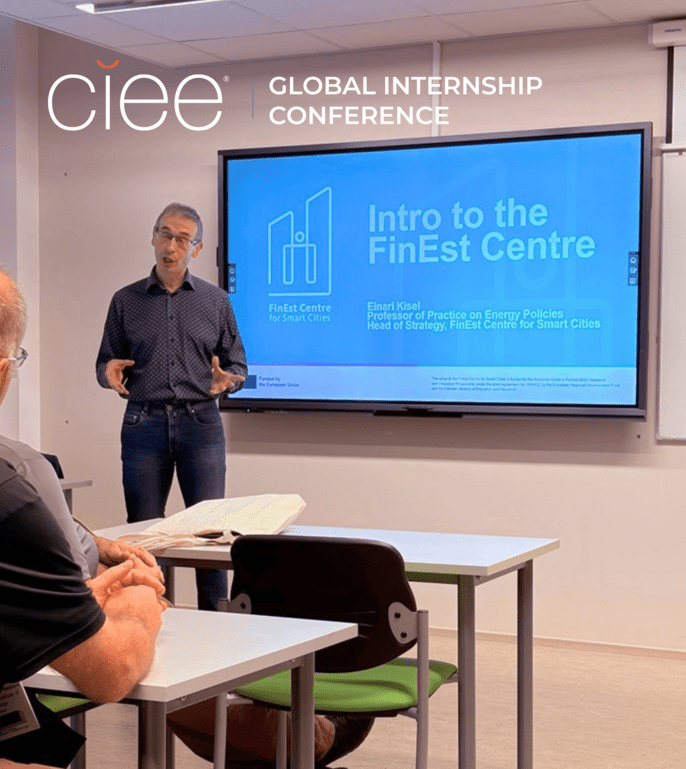
The group also visited the FinEst Centre for Smart Cities, where Einari Kisel shared how his organization is working on research projects to enhance the quality of life in urban areas. Interns can get involved in ongoing, innovative pilot projects that help numerous cities reduce their carbon footprint.
Pre-conference Workshop – Best Practices for Global Internships
The afternoon began with a preconference workshop focused on practical strategies for designing and managing successful internship programs.
Discussions focused on how institutions can deliver meaningful internship experiences while managing risk, strengthening employer partnerships, and ensuring students gain skills that translate into future career opportunities. Panelists emphasized the importance of ongoing support, including check-in meetings and course engagement.
Robby Block, Director of Global Internships at CIEE, highlighted internship programs in Thailand, including opportunities in the defense and security sectors, and emphasized the role of in-person work experiences in helping students develop professional skills and industry knowledge.
Nicole Hunter, Associate Teaching Professor of Finance at the University of Colorado Boulder's Leeds School of Business, shared lessons from a custom internship program that combines faculty-led learning with extensive pre-departure preparation. She explained that one important element of support for students is supporting intercultural awareness and helping students cultivate a “global leadership mindset.”
“We build in an assessment that talks about cultural similarities and differences, how you react to them, how you don't, and even conflict styles that are different,” Nicole said. “This is really where we spend time for these students to build up that resiliency, call it a thicker skin.”
Daria Sivovol, CEO of the American Chamber of Commerce Estonia, discussed her experience hosting a CIEE intern and the benefits of in-person internships for both students and employers.
“We feel like with every intern we get, we learn something else from them, they shape us up in a way, they challenge some things we do, because they bring this Gen Z perspective to things,” said Daria, talking about the benefit to employers of hosting a global intern. “It gives us a really good way of educating ourselves and sometimes changing the way we do things.”
Opening Plenary – Wired for Impact: Immersive Learning in a Digital World
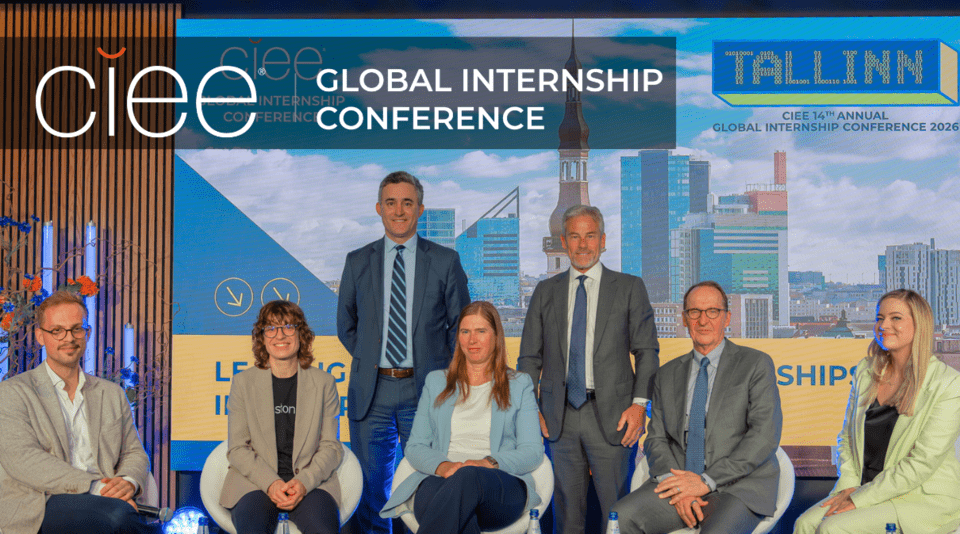
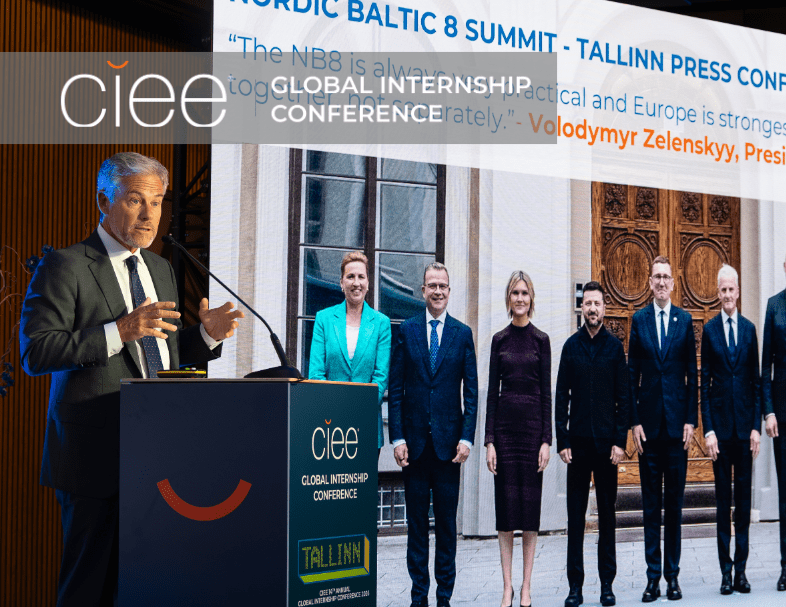
James P. Pellow, Ed.D., President and CEO of CIEE, opened the plenary, talking about the qualitative and quantitative impact of internships for personal and career growth. He shared trends CIEE has seen in its internship programs, including the growing demand for global internships in Europe and Asia and for internship placements related to business and STEM.
He then talked about how remarkable it was to be gathered in Tallinn a day after Estonia hosted the Nordic-Baltic Eight Summit, with Ukrainian President Volodymyr Zelenskyy in attendance - even staying at the conference hotel.
"Mette Frederiksen of Denmark gave one of the most powerful quotes of the press conference when she said 'Innovation decides the outcomes of the battlefield,'" explained Dr. Pellow. "Now, I don't mean to suggest that we're in a battle here in the conference, or that our challenges rise to the challenges and the level that these leaders are dealing with, but they do point to a couple of words that we might hang on to throughout the conference. The words are collaboration, how do we work together, and of course, innovation."
Dr. Pellow closed his introduction with three questions to seed conversations throughout the conference:
- How might we partner with industry to increase the number and variety of global internships to help more students and more businesses grow?
- How might we influence leaders at US colleges and universities to embrace global internships as a core experience as fundamental as any other core course or experience they require of all students?
- How might we position global internships to colleges, students, and parents as a positive buffer, kind of an insurance policy against the potential negative impact of AI on post graduate employment opportunities?
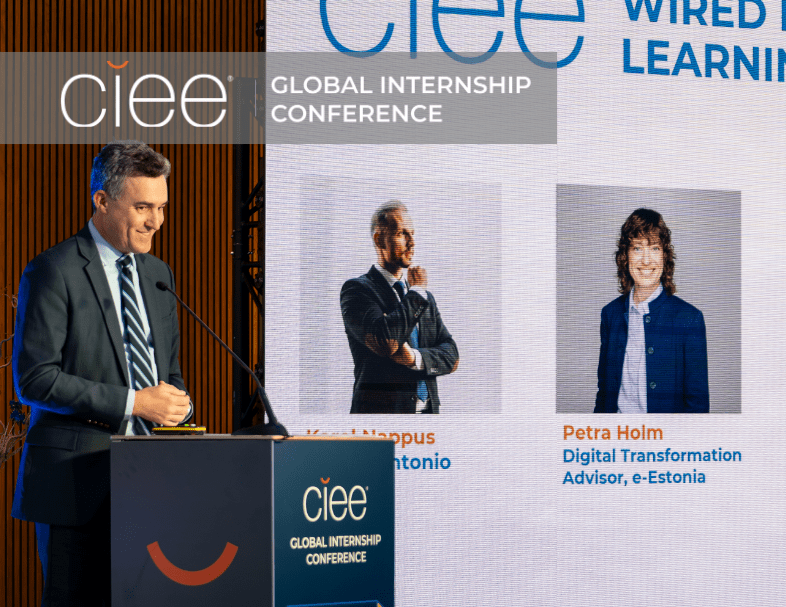
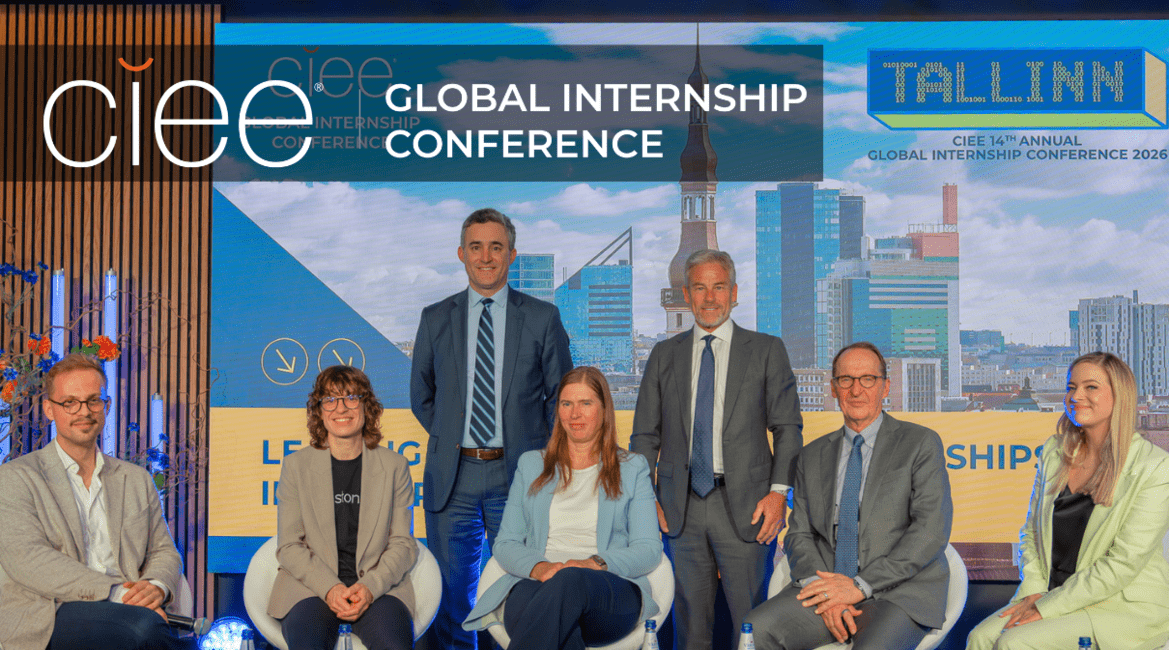
The panel, moderated by Liisi Org, CEO of Latitude59, explored Estonia's digital success and how cities and countries can create environments that attract talent, support startups, and prepare workers for rapidly evolving industries.
Speakers included former Estonian President Kersti Kaljulaid; Petra Holm, Digital Transformation Adviser at the e-Estonia Briefing Centre; and Karel Nappus, COO of Montonio.
Former President of Estonia Kersti Kaljulaid reflected on the country's digital transformation journey, emphasizing that innovation succeeds when government, education, and industry work together, allowing technology to be viewed as a tool for expanding opportunity and social mobility. “Social mobility keeps away intergenerational hopelessness,” she explained. "When young people can see pathways to opportunity, whether through education, global internships, or international experience, they can imagine futures beyond the limits of their circumstances."
Karel Nappus, co-founder of Montonio, shared how Estonia’s startup ecosystem encourages young entrepreneurs to think globally from day one, highlighting the culture of experimentation, agility, and problem-solving that has helped make Estonia a world leader in startups per capita.
“[Estonia is] the best run digital state in the whole world, so it's easy to set up a company and easy to do your taxes, all of these things, so these things all contribute,” Karel said. “On the flip side, there's a lot of strength in us being small and agile and super well connected.”
Petra Holm, digital transformation advisor at e-Estonia discussed Estonia’s new AI Leap initiative, focusing on the importance of digital literacy, cyber hygiene, and teaching students to use AI responsibly and in a manner that strengthens critical thinking.
“With AI Leap, we are hoping to close the gap between the haves and the have-nots, already at the age of 16 or 17, before children leave school,” said Petra. “What we give them is actually a personal tutor in the form of this lovely free app. So, instead of writing an essay for you, it will help you, it will guide you by questions, encourage you to put your thoughts in writing, and then you will end up co-creating the essay and probably the result is going to be better than what you would have achieved on your own, or AI would have achieved on its own. So, together you co-create something, and that is what we think is the purpose of AI, to empower people, to embolden them, and multiply the effect that a human can have empowered by AI."
Dr. Philip Regier, University Dean for Educational Initiatives and CEO, EdPlus at Arizona State University, challenged attendees to consider how technology can increase access to education and opportunity, while ensuring students remain equipped with the human skills—creativity, adaptability, and ethical judgment—that will matter most in an AI-enabled future.
Tech in Tallinn Networking Event
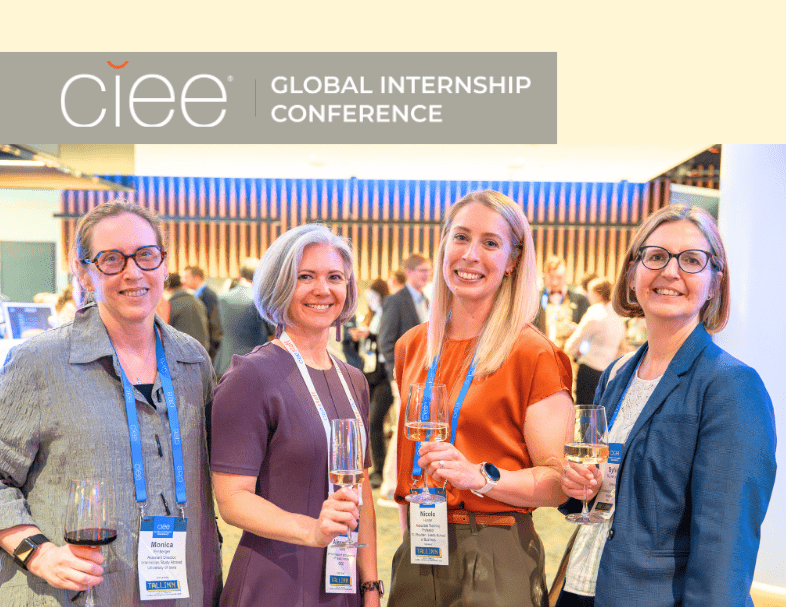
The day concluded with a networking event where participants met representatives from companies across Estonia's technology and startup sectors to learn more about potential pathways for student internships.