
Study Abroad in London
College Study Abroad
Explore London, England

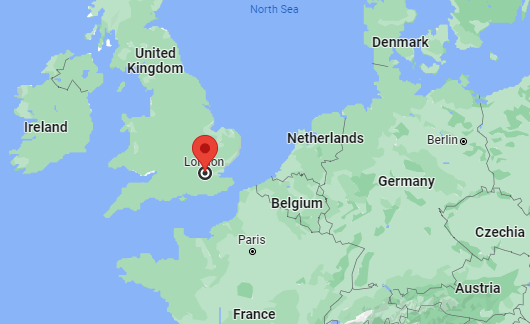
When you study abroad in London, England, you can expect to learn in an international hub with a plethora of museums, art galleries, libraries, and more. A modern, innovative city, studying abroad in London on a CIEE London program comes with a variety of benefits, from exploring eclectic neighborhoods to hearing nearly 300 languages spoken throughout the city. Bustling with must-see art, music, theater, and fashion, the capital of the United Kingdom never runs shy of excitement or attractions. It’s no surprise London remains one of the most popular study abroad destinations for students!
While abroad, students may complete a full- or part-time internship in London, gaining real-world international work experience and developing valuable professional skills. Internships are available across diverse industries, including business, marketing, arts, sustainability, and more, providing a well-rounded perspective of today's global job market and enriching the overall study abroad experience. Start your London study abroad adventure with CIEE!

Top Activities in London
Every CIEE semester program has frequent cultural excursions uniquely designed to complement the program’s academics and enhance students’ cultural immersion. In London, past excursions have included:
- Embark on a day trips to iconic cities like Oxford, home to the legendary university, or Brighton, where you can stroll a famous pier and enjoy the sea
- Visit Hampton Court Palace, where you’ll wander through lavish halls and a world-famous hedge maze
- Set sail on a scenic boat trip to Greenwich while taking in breathtaking views of London’s skyline
- Uncover the exciting history of the South Bank and end with lunch with a feast of global flavors in Borough Market
- Go on guided tours of city highlights, including the Houses of Parliament, the British Museum, street art in East London, or a walk through the redeveloped London Docklands
About CIEE London
Situated in one of London's most vibrant neighborhoods, the Bloomsbury district, CIEE London is set in the academic and literary heart of the city. The Center features 10 classrooms, a student lounge, a library and study space, a student life office, an academic advising office, a café, a garden terrace, and complimentary Wi-Fi and printer access.
Students will come to appreciate the Center's Georgian-style architecture and the area's easy access to boutiques, restaurants, bookstores, and the British Museum.













Academics in London
CIEE London
Our Center in London is part of the CIEE Open Campus Block Network and features Georgian-style architecture, 10 classrooms, a café, garden terrace, and tech zone.
University College London (UCL)
This challenging and highly selective top-ranked UK university has a world-class reputation. Founded in 1826, UCL is the largest college within the University of London, first to admit students of any religion and social background, and first to admit women on equal terms with men. Nearly 40% of students come from more than 140 countries.
University of Westminster
Britain’s first polytechnic opened in 1838 and was rededicated in 1992 as University of Westminster. Known for innovative courses, teaching methods, and diversity, the university hosts 22,000 students, including 5,000 international students from more than 150 countries.
Queen Mary University of London
Queen Mary University of London is part of the UK’s prestigious Russell Group of 24 Universities, and it is the only campus university in London. It has strengths in STEM, Humanities, Business and Law and has five campuses across London that focus on different subject areas. Queen Mary (QMUL) is highly ranked in the UK and in the world and the university emphasizes its international and diverse student population: 42% are international students.
University of the Arts, London
University of the Arts, London was established in 2004 and drew six colleges, each with their own beginnings in the Nineteenth century, together under its umbrella. It now has 19,000+ students both homegrown and international and is world ranked at 2 for Art and Design. UAL’s six colleges are: Central St Martins, London College of Communications, London College of Fashion, Chelsea College of Arts, Camberwell College of Arts, and Wimbledon College of Arts with notable alum including Stella McCartney, Jimmy Choo, and Rachel Stevens.
Arizona State University (ASU)
Brought to you by CIEE in partnership with ASU, enhance your international coursework with online classes that align with your degree requirements. ASU offers thousands of online courses in asynchronous 7.5-week sessions that fit within the CIEE academic calendar.

Internships in London
Depending on your program of study and availability, you may be able to participate in an international internship while studying abroad in London. As a global hub for innovation and entrepreneurship, London offers a fast-paced work environment shaped by industries like fintech, nonprofits, and communications. Blending rich history with modern business, the city provides a dynamic and multicultural setting where collaboration, networking, and global perspectives drive professional success. Interning in London gives you the opportunity to gain hands-on experience while building connections in one of the world’s leading economic centers. You may find opportunities in industries such as:
- Business Management + Administration
- Finance
- Information Technology

Community Impact Initiative in London
CIEE’s Community Impact Initiative invites you to connect more deeply with London by becoming an active member of its community. You’ll work alongside local organizations on projects that reflect real, on-the-ground needs, building relationships, gaining cultural insight, and contributing to meaningful, lasting impact. Your experience may span key focus areas like Food Security, Community Development + Public Health, and Youth Development + Education initiatives.
In London, your service work may include:
- Participating in on-water environmental clean-ups to remove waste from canals and rivers with Moo Canoes
- Supporting preservation and community engagement efforts in historic green spaces with Friends of Bloomsbury Square
- Assisting with food distribution and support services for individuals experiencing homelessness through Brixton Soup Kitchen
London Study Abroad Programs

- London, England
- Study Program
- Part-Time Internship
...for 1, 2, or 3 term blocks!

- Study Program

- Study Program

- Study Program

- London, England
- Study Program

- London, England
- Study Program
- Part-Time Internship

- Study Program

- London, England
- Study Program

- London, England
- Study Program

- London, England
- Study Program
- Part-Time Internship

- London, England
- Full-Time Internship

- London, England
- Study Program
- Part-Time Internship

- Study Program
- Part-Time Internship

- London, England
- Amsterdam, Netherlands
- Study Program

- London, England
- Amsterdam, Netherlands
- Study Program

- London, England
- Study Program
- Full-Time Internship

- London, England
- Study Program

- London, England
- Study Program
- Part-Time Internship

- London, England
- Study Program
Pocket Guide to London
Currency
Pound Sterling
Spoken Languages
English
Available Transportation
Tube, bus, train, fee
Famous Local
King Charles III – the King of the United Kingdom and other Commonwealth realms
Climate
Warm, dry summers; mild, wet, windy winters; mild spring and fall
Did You Know?
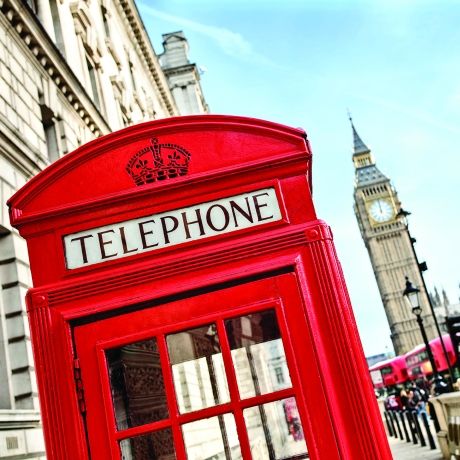
"Big Ben" is not the name for London’s famous tower; it’s actually the name for the bell inside the tower
Airport
London Heathrow Airport (LHR)
Social Norms
Don’t eat food with your hands – table manners are highly valued in the UK
What to Pack
Raincoat, waterproof shoes, backpack
Frequently Asked Questions
With over 6,000 restaurants, 8,500 double-decker buses, and almost 9 million residents, London, England, is a vibrant city with cutting-edge arts, music, fashion, and more. If you’re looking for opportunities to explore famous sights, eat delicious food, and learn more about yourself in this bustling city, London may be the place for you!
Read More: 10 Reasons to Study Abroad in London
If you’re looking to study abroad in London, CIEE offers several programs that allow students to choose from a variety of courses, participate in excursions, volunteer, and more. Simply apply for one of CIEE’s London study abroad programs through your application.
While a student’s London study abroad packing list is heavily influenced by the season and weather they will experience, we generally recommend that students on spring and summer programs pack comfortable walking shoes, rain jackets, and light weight clothing. For fall and winter programs, we recommend that students pack warm, layerable clothing with common winter accessories like gloves, hats, scarves, etc.
Read More: How to Pack for a Semester Abroad in London
One of the biggest DO’s in London is to make sure you look right when you cross the street – remember they drive on the left! One of the biggest DON’TS in London is prioritizing a visit to the London Eye. While this attraction is usually at the top of tourist’s lists, there are a plethora of other attractions to visit in addition to the London Eye, including the Tower of London, Buckingham Palace, and Trafalgar Square among others.
In order to ensure our students feel welcomed, supported, and empowered while studying abroad, CIEE staff completes comprehensive diversity equity and inclusion (DEI) training. Staff provide students with advice, resources, and ongoing support both before and during their study abroad program in London.
For more detailed information on diversity in London, visit our Diversity in London page.
While the best study abroad program in London is subjective, we can provide you with some of our most popular study abroad programs in London:
- Open Campus Block
- Business + Culture
- Semester in London
- January in London
- Fashion + Business
- Summer in London
Read more: 10 Best Study Abroad Programs for College Students
The cost of studying abroad in London varies depending on the specific program that you choose and how long you plan to study abroad for. For detailed cost information, we recommend researching each individual London study abroad program page.
For costs not included in your program’s outlined fees, it’s important to consider factors surrounding your individual journey while abroad.
Read more: How Much Does it Cost to Study Abroad?
Yes, you can absolutely complete an internship abroad in London with CIEE. Our international internship programs allow college students to choose from a variety of full- and part-time internships abroad in a variety of fields, including manufacturing, finance, hospitality, healthcare, public policy, and more!
Search our internship opportunities to get started!
Study Abroad Scholarships & Grants
Apply in 1,2,3!
You may be wondering if there are any scholarships for studying abroad in London. CIEE offers scholarships and grants for study abroad programs in London to students with demonstrated financial need, proven academic merit, and for specific CIEE programs. Students can apply for scholarships through 3 simple steps:
- Search for and apply to your dream program
- Review all available funding opportunities
- Complete the Scholarship & Grants portion of your application

Study Abroad Scholarships
NEED-BASED SCHOLARSHIPS
Based on students' Estimated Family Contribution (EFC) from their Free Application for Federal Student Aid (FAFSA) and enrolled institution. Complete the Scholarships & Grants portion of your program application to be considered for all awards to which you are eligible.
MERIT SCHOLARSHIPS
Based on academic achievement. Complete the Scholarships & Grants portion of your program application, along with an essay, to be considered for all awards to which you are eligible.
OTHER SCHOLARSHIPS
Other scholarship awards are based on program or alumni status.
Study Abroad in London Blog

Top 20 British Slang Words and Phrases
Ahead of any international travel, it’s always smart to brush up on common phrases in your destination’s official language to ensure you can communicate well enough to know what you’re... keep reading

The Ultimate Guide to Studying Abroad in England
Big Ben, The Beatles, Shakespeare, and even Harry Potter – England’s deep history and global influence are recognized around the world. What better way to learn more about this remarkable... keep reading

How to Pack for a Semester Abroad in London
@cieestudyabroad What to pack for a semester abroad in London #cieestudyabroad #studyabroad #packinglist #packingessentials #london #england #europe #travelessentials I Think I Like When It Rains - WILLIS Heading to London... keep reading