
Study Abroad in Prague
College Study Abroad

Explore Prague with CIEE
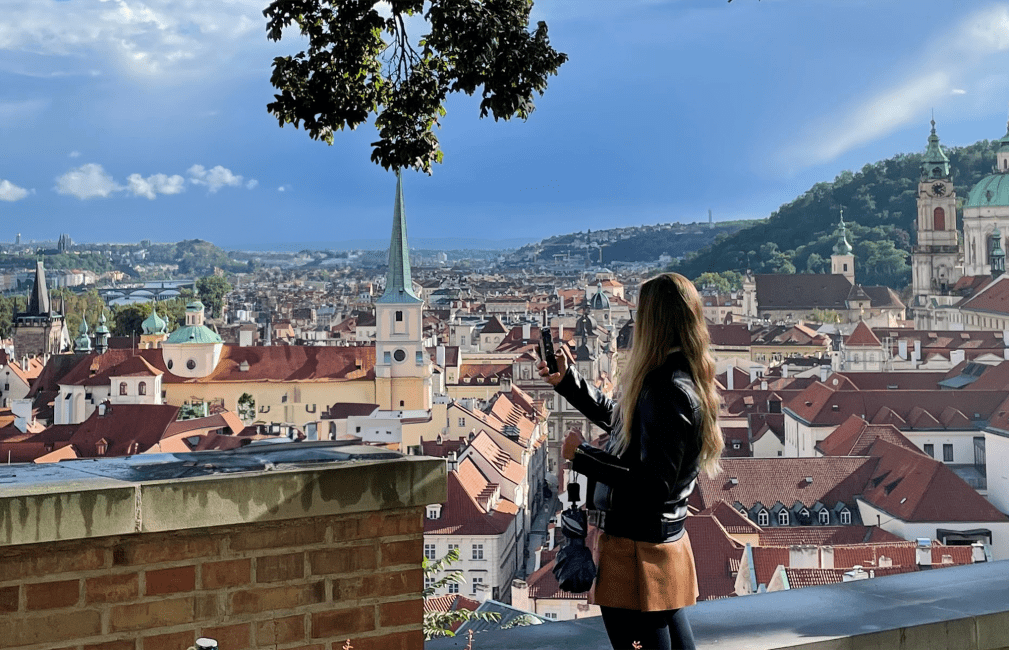
Step into a city where centuries of history meet creative, youthful energy when you study abroad in Prague, Czech Republic. Walk along cobblestone streets lined with Gothic spires and pastel façades, grab a fresh trdelník from a street vendor, or take in sweeping views from Prague Castle. Spend afternoons exploring the eclectic art scene in Žižkov, attending a jazz performance in a cellar bar, or relaxing in a café near Old Town Square. From its historic architecture and vibrant cultural life to its welcoming student atmosphere, Prague study abroad offers an unforgettable blend of old-world charm and contemporary discovery.
While abroad, choose from a variety of study abroad programs in Prague designed to support your academic goals across subjects like the arts, film, education, business, and social sciences. Beyond the classroom, you can also complete a full- or part-time internship in industries such as communications, marketing, education, and more, gaining valuable international work experience while building cross-cultural communication skills. By combining academics with hands-on learning, Prague study abroad gives you the opportunity to build career-ready skills while experiencing the history, creativity, and vibrant culture that make the Czech capital so distinctive.


Top Activities in Prague with CIEE
Every CIEE program has frequent cultural excursions uniquely designed to complement the program’s academics and enhance students’ cultural immersion. In Prague, past excursions have included:
- Step into history through guided tours of the Prague Castle and get a behind-the-scenes look of the Pilsner Urquell Brewery
- Day trips to Karlštejn Castle, Karlovy Vary (spa town), Český ráj (enchanting national park), and Terezín (former Jewish ghetto and Nazi labor camp)
- Venture beyond the Czech Republic with excursions to other European gems, including Vienna, Krakow, Budapest, and Berlin
About CIEE Prague
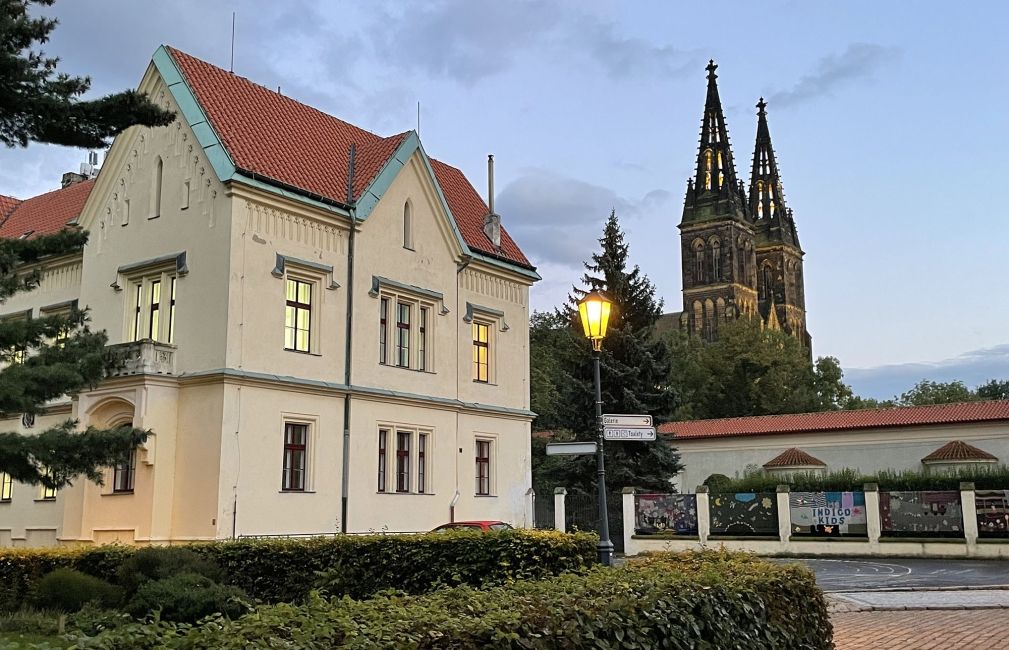
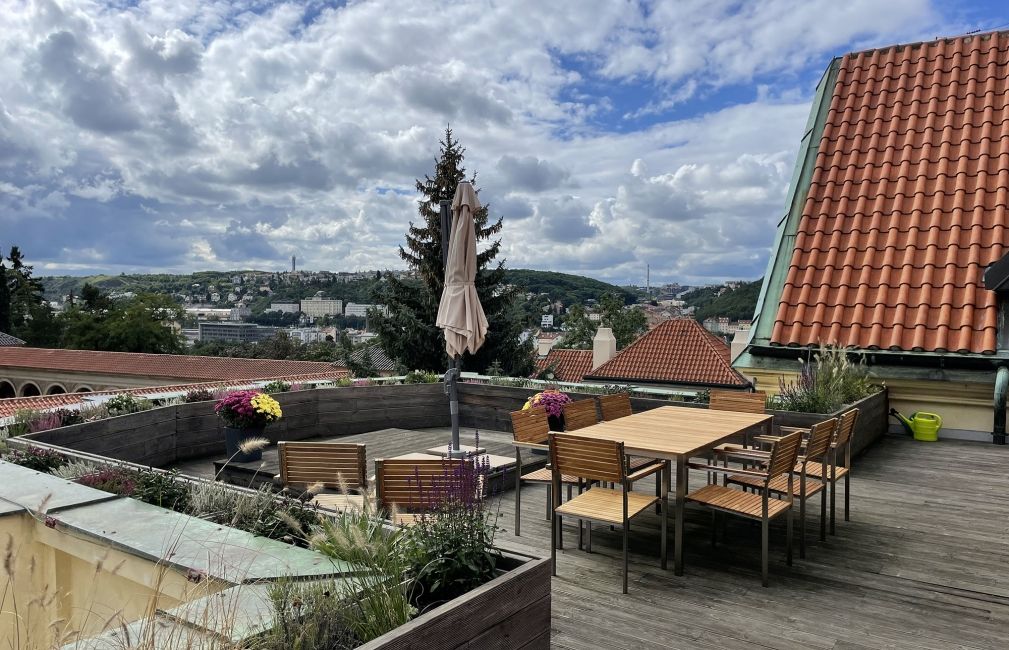
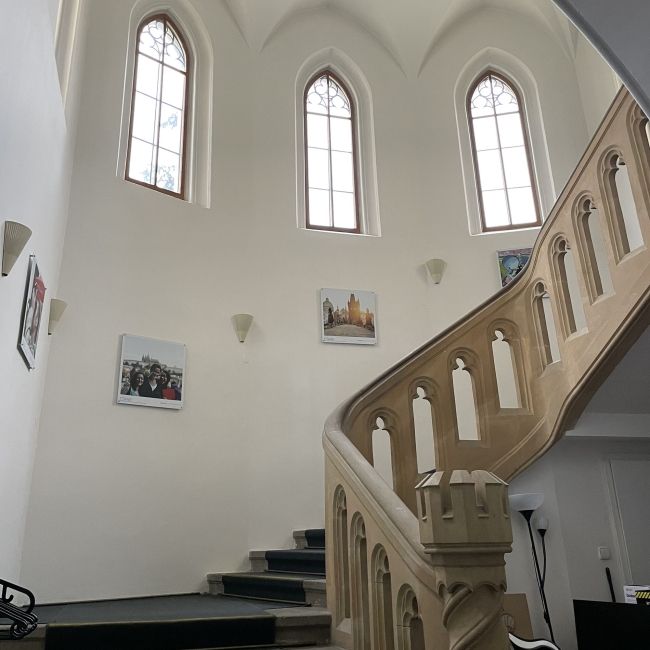
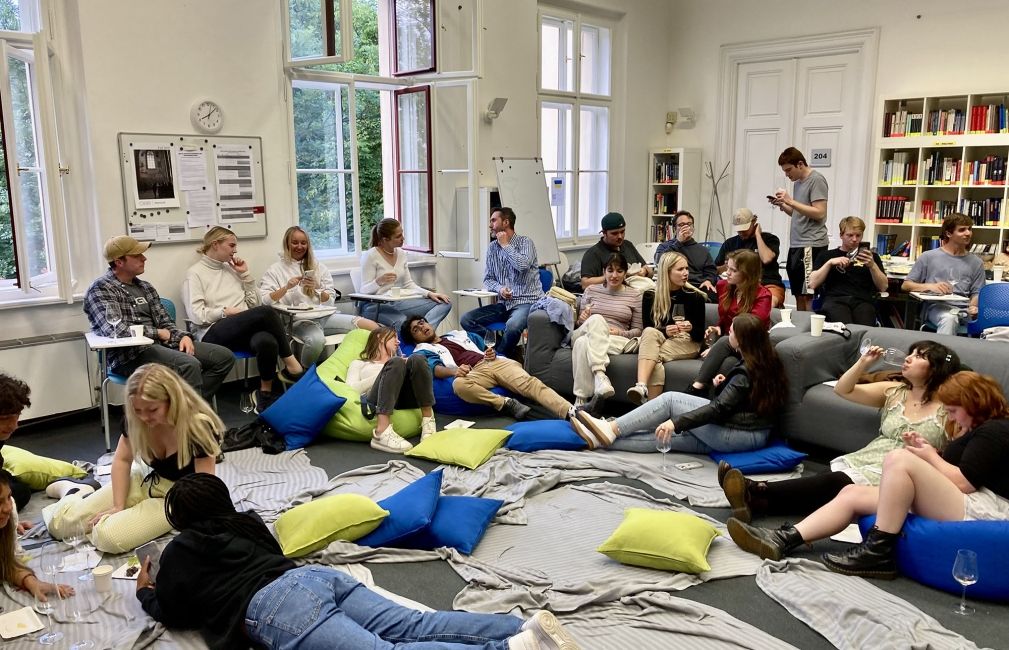
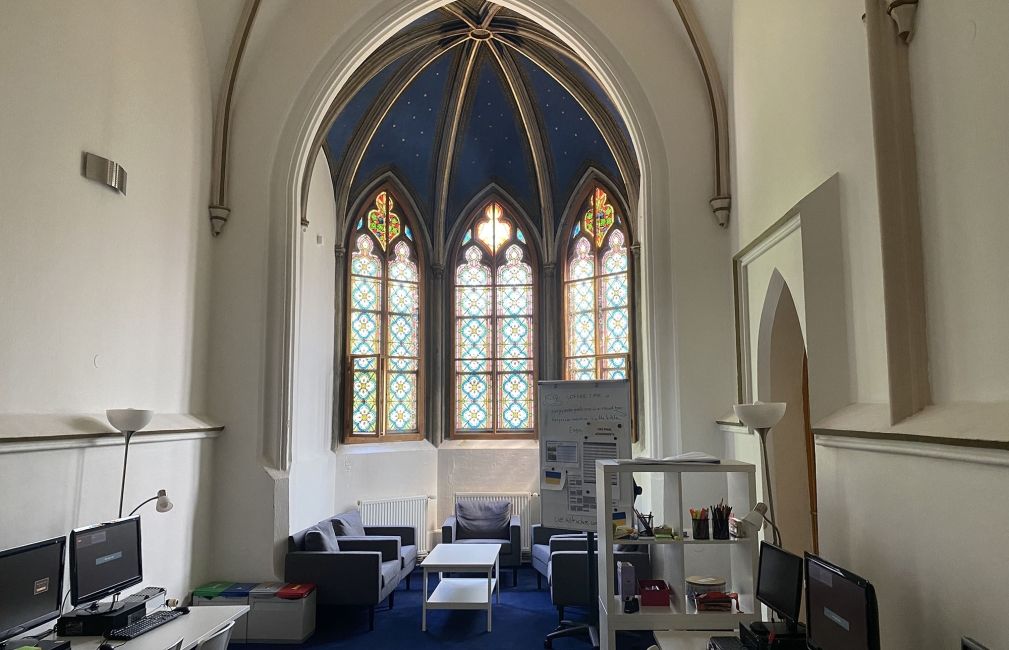
Centrally located in the Vyšehrad neighborhood of the Czech Republic's historic capital, CIEE Prague sits within medieval castle walls atop one of the city's highest hills. The Center boasts 10 classrooms, a student lounge, a student life office, an academic office, a library and quiet study space, a café, an outdoor space, and access to Wi-Fi and printers.
Outside the CIEE Center, students will find that CIEE Prague is situated in a beautiful park-like setting only 15 minutes from the city's famous Old Town Square.

Academics in Prague
CIEE Prague
CIEE Prague, located within the historic medieval walls of Vyšehrad atop one of the city’s highest hills, serves as a vibrant hub where most students take classes exclusively. This unique setting fosters a close-knit community and creates a strong sense of connection, making it the natural focal point of an unforgettable study abroad experience in Prague.
Charles University
Charles University is the oldest university in Central Europe and was founded in 1348 by King Charles IV of Bohemia. CIEE Prague partners with the Faculty of Arts (East and Central European Studies program) and the Faculty of Social Sciences (Institute of Communication Studies and Journalism).
Architectural Institute in Prague (ARCHIP)
ARCHIP is the only school of architecture in Central Europe offering bachelor’s and master’s degrees in architecture and urban design taught entirely in English. Students can take up to six semester credits at ARCHIP.
The Art & Design Institute (ADI)
ADI was founded in 2014 and offers degree programs in visual arts and art direction in both Czech and English, with the goal of enabling its graduates to earn a living in the art market or in the creative industries. It offers instruction in photography, graphics, intermedia/multimedia, painting, and space/interior design, in addition to coursework in cultural anthropology and art, museum and gallery studies, and the psychology of art.
Film And TV School of The Academy of Performing Arts in Prague (FAMU)
FAMU is one of the preeminent film schools in Central Europe. It’s one of three schools that make up the Academy of Performing Arts and one of the oldest film schools in Europe.
Arizona State University (ASU)
Brought to you by CIEE in partnership with ASU, enhance your international coursework with online classes that align with your degree requirements. ASU offers thousands of online courses in asynchronous 7.5-week sessions that fit within the CIEE academic calendar.

Internships in Prague
Depending on your program of study and availability, you may be able to participate in an international internship while studying abroad in Prague. Known for its growing and innovative work scene, Prague is driven by industries like information technology, shared services, and tourism. The city’s professional environment blends entrepreneurial energy with historic charm, offering opportunities within startups, small- to medium-sized enterprises, and NGOs. This hands-on setting allows interns to take on meaningful responsibilities, fostering adaptability, innovation, and strong professional growth in an increasingly global market. You may find opportunities in industries such as:
- Arts, Audio/Video Technology + Communications
- Education + Training
- Marketing, Sales + Service

Community Impact Initiative in Prague
CIEE’s Community Impact Initiative invites you to connect more deeply with Prague by becoming an active member of its community. You’ll work alongside local organizations on projects that reflect real, on-the-ground needs, building relationships, gaining cultural insight, and contributing to meaningful, lasting impact. Your experience may span key focus areas like Food Security, Community Development + Public Health, and Youth Development + Education initiatives.
In Prague, your service work may include:
- Assisting English language instruction through Prague Elementary
- Supporting multilingual learning at ZŠ s RVJ Bronzová
- Engaging with students at Základní škola a Mateřská škola Emy Destinnové
Study Abroad Programs in Prague

- Prague, Czech Republic
- Study Program
...for 1, 2, or 3 term blocks!

- Prague, Czech Republic
- Study Program
- Part-Time Internship

- Prague, Czech Republic
- Study Program
- Part-Time Internship

- Prague, Czech Republic
- Study Program
- Part-Time Internship

- Prague, Czech Republic
- Study Program
- Part-Time Internship

- Prague, Czech Republic
- Study Program
- Part-Time Internship

- Prague, Czech Republic
- Study Program

- Prague, Czech Republic
- Study Program
- Part-Time Internship

- Prague, Czech Republic
- Full-Time Internship

- Prague, Czech Republic
- Study Program
- Part-Time Internship

- Prague, Czech Republic
- Study Program

- Prague, Czech Republic
- Study Program

- Prague, Czech Republic
- Study Program
- Full-Time Internship

- Prague, Czech Republic
- Study Program
- Part-Time Internship

- Prague, Czech Republic
- Study Program

- Prague, Czech Republic
- Study Program
Frequently Asked Questions
Prague, Czech Republic, makes for a great study abroad destination because of the following reasons:
- Its affordable cost of living
- Central location in Europe
- Unique historical context
With world-famous writers, historians, and universities calling this city home, Prague makes for an exciting study abroad location for students interested in business, arts, science, journalism, and more!
Prague is a good place to study abroad for students looking to gain valuable experience living and studying in a vibrant cultural and social environment. With a booming start-up scene, complex history, and flourishing media outlets, Prague has much to explore from its millennial history.
Prague is one of the safest cities a student could travel to for a study abroad program in Europe. As with any city, we advise students to stay aware of their surroundings, protect their belongings, and travel in groups when possible.
The cost of studying abroad in Prague varies depending on the specific program that you choose and how long you plan to study abroad for. For detailed cost information, we recommend researching each individual Prague study abroad program page.
For costs not included in your program’s outlined fees, it’s important to consider factors surrounding your individual journey while abroad.
Read more: How Much Does it Cost to Study Abroad?
Prague is famous for its preserved castles, diverse architecture and museums, abundant nightlife, beautiful hikes, and more. Famous monuments within the city of Prague include Prague Castle from the 9th century, Charles Bridge, St. Vitus Cathedral, and Old Town Square.
In order to ensure our students feel welcomed, supported, and empowered while studying abroad, CIEE staff completes comprehensive diversity equity and inclusion (DEI) training. Staff provide students with advice, resources, and ongoing support both before and during their study abroad program in Prague.
For more detailed information on diversity in Prague, visit our Diversity in Prague page.
Yes! Prague is one of Europe's most walkable and easy-to-navigate cities. Many of the city's most famous landmarks, neighborhoods, and cultural attractions are within walking distance of one another, making exploration easily walkable. For longer trips, Prague's reliable network of trams, buses, and metro lines makes it simple to travel around the city as needed. Students can commute to class, discover new neighborhoods, and venture beyond the city center with ease. Plus, Prague's central location in Europe makes it a great base for weekend travel to other nearby cities.
Yes, you can absolutely complete an internship abroad in Prague with CIEE. Our international internship programs allow college students to choose from a variety of full- and part-time internships abroad in a variety of fields, including manufacturing, finance, hospitality, healthcare, public policy, and more!
Search our internship opportunities to get started!
Most students studying or interning abroad in Prague will need to obtain the appropriate visa before departure. Visa requirements vary depending on your program type and length of stay. CIEE provides guidance throughout the visa process and helps students understand the required documentation and application steps for their specific program. Be sure to review the latest visa requirements well in advance of your departure to ensure a smooth arrival in the Czech Republic.
No, you don’t need to know Czech to study abroad in Prague. CIEE courses are offered in English, and English is commonly used in academic settings and major urban areas.
That said, learning some basic Czech phrases can make daily life easier and help you connect more with the local culture and community, but it’s not required to thrive during your time abroad.
Study Abroad Scholarships & Grants

Apply in 1,2,3!
You may be wondering if there are any scholarships to study in Prague. CIEE offers scholarships and grants for study abroad programs in Prague to students with demonstrated financial need, proven academic merit, and for specific CIEE programs. Students can apply for scholarships through 3 simple steps:
- Search for and apply to your dream program
- Review all available funding opportunities
- Complete the Scholarship & Grants portion of your application

Study Abroad Scholarships
NEED-BASED SCHOLARSHIPS
Based on students' Estimated Family Contribution (EFC) from their Free Application for Federal Student Aid (FAFSA) and enrolled institution. Complete the Scholarships & Grants portion of your program application to be considered for all awards to which you are eligible.
MERIT SCHOLARSHIPS
Based on academic achievement. Complete the Scholarships & Grants portion of your program application, along with an essay, to be considered for all awards to which you are eligible.
OTHER SCHOLARSHIPS
Other scholarship awards are based on program or alumni status.
Prague Blog Posts

The 8 Best Prague Study Abroad Programs
There’s a reason Prague keeps showing up on “must-study-abroad” lists. The architecture is unreal, the location makes weekend travel easy, and the energy of the city makes it feel like... keep reading

EAT, DRINK, EXPLORE: PRAGUE
BEST FOOD TO EAT IN PRAGUE One of my fondest memories of Prague is a meal I had in the Old Town Square. In fact, I was so enthralled, I... keep reading

My Serene Haven in Prague
By: Ezekiel Thoreson Living in Prague for six weeks was an unforgettable experience. Among the countless highlights, Stromovka Park in Holešovice became my serene haven. Located just a five-minute walk... keep reading
How to Study Abroad in Prague
Step #1: Select a Timeframe
CIEE offers a variety of ways to study abroad in Prague, including semester-long sessions, summer study abroad, and J-term, with program lengths ranging from four weeks to 18 weeks. With flexible options, it’s important to select a timeframe that makes sense with your personal and academic schedule.
Step #2: Choose a Program You Love
After determining your timeframe, find a program that meets your academic and career goals. Students can choose from subjects like mathematics, business, and more, along with classes focused on local culture, history, and more. Choosing a program you’re passionate about will help you make the most of your Prague study abroad experience!
Step #3: Verify Your Eligibility
Make sure you’re eligible to participate in CIEE’s Prague study abroad offerings. Every program has its own requirements, but typically include a minimum GPA and often other course and credit requirements, too.
Step #4: Create Your Budget
While studying abroad in Prague can be an affordable study abroad option, it’s always a smart idea to budget for other expenses, like incurred travel expenses, gifts, and food.
CIEE also offers millions in study abroad scholarships and grants each year based on several factors including financial need, academic merit, and other considerations, to allow you to make a study abroad dream a reality!
Step #5: Apply!
Now that you’ve found your program, you’re ready to apply! The application process is quite simple, but if you have any questions, we’re always here to help. Just contact us!





Safety at CIEE Prauge
At CIEE, your health, safety, and well-being are always a top priority, so you can focus on making the most of your study abroad experience. From trained on-site staff who are local community experts to 24/7 support for students and families at 1-800-40-STUDY (1-800-407-8839), we’re here whenever you need us. Every program location is carefully reviewed for health, safety, and academic quality. Our global teams continuously monitor local conditions and stay connected with trusted partners, government officials, and U.S. embassies around the world. With guidance, resources, and real people ready to help every step of the way, you can feel confident living, learning, and exploring abroad with CIEE.

Student Housing in Prague
CIEE Prague offers a variety of housing options for you to choose from. Our Prague housing options are located in neighborhoods with convenient access to public transportation, shops, and restaurants. Available housing options vary by program.
CIEE Prague Staff

Will Barnard
Center Director