
Study Abroad in Cape Town
College Study Abroad

Explore Cape Town with CIEE
Step into a city where stunning coastlines meet energetic streets when you study abroad in Cape Town, South Africa. Whether you’re hiking Table Mountain at sunrise, exploring the colorful Bo-Kaap neighborhood, or enjoying fresh seafood at the Victoria & Alfred Waterfront, Cape Town pulses with energy, creativity, and culture. Catch live music festivals, visit powerful historical landmarks like Robben Island, or spend weekends discovering nearby beaches and vineyards. With top universities, innovative programs in areas like environmental science, public health, and social justice, and a richly diverse community, Cape Town study abroad offers an unforgettable blend of adventure, academic exploration, and cultural connection in one of Africa’s most breathtaking cities.
While abroad, choose from a variety of study abroad programs in Cape Town designed to support your academic goals, with coursework spanning subjects like business, ecology, communications, social sciences, and STEM fields. Beyond the classroom, students can also complete a full- or part-time internship in industries such as health science, marketing and communications, information technology, education, human services, law, and public safety. By combining academics with hands-on professional experience, Cape Town study abroad gives you the opportunity to build career-ready skills while immersing yourself in South Africa’s dynamic culture and spectacular natural beauty.


Top Activities in Cape Town with CIEE
Every CIEE study abroad program has frequent cultural excursions and activities uniquely designed to complement the program’s academics and enhance students’ cultural immersion. In Cape Town, past tours and excursions have included:
- Visits to the vibrant Victoria & Alfred Waterfront, built on top of the historic docks at the Port of Cape Town, where you'll find world-class restaurants, street performances, and stunning harbor views
- Perfect the flavors of South Africa through hands-on cooking lessons for traditional foods from the Cape Malay, isiXhosa, and Afrikaans traditions
- Tours of iconic sites like Cape Peninsula, the Cape Flats, Robben Island, Table Mountain, and cultural hubs like Bo Kaap, and District Six
About CIEE Cape Town
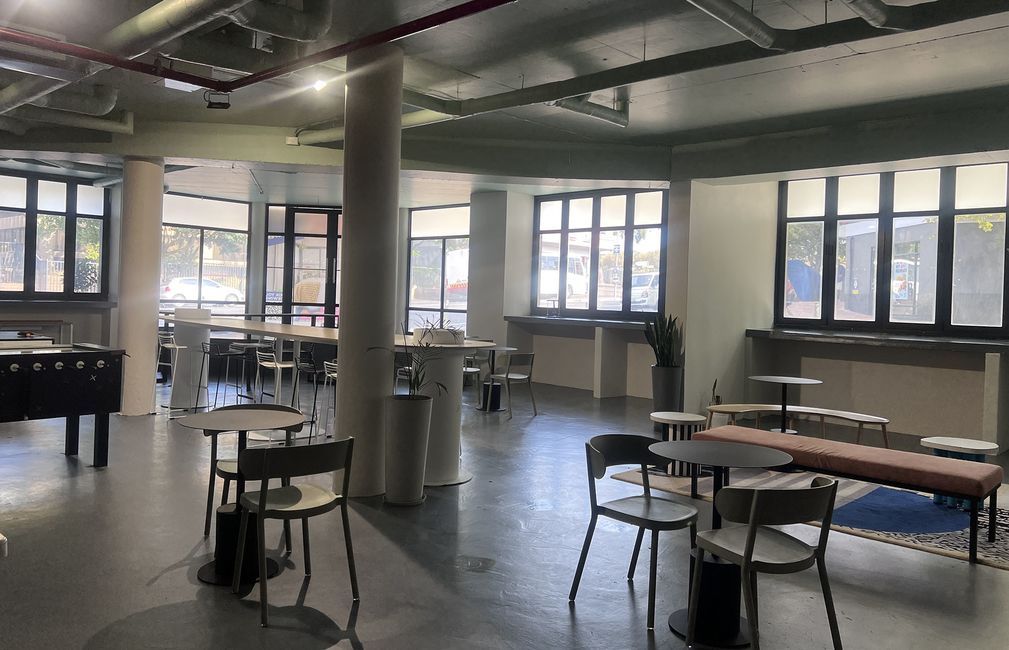
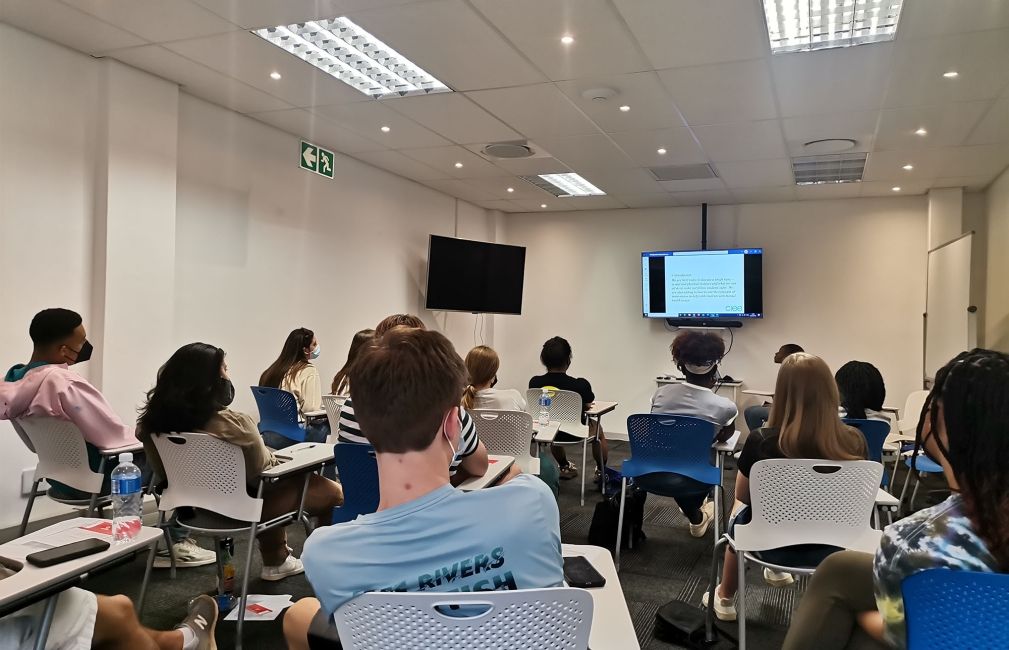
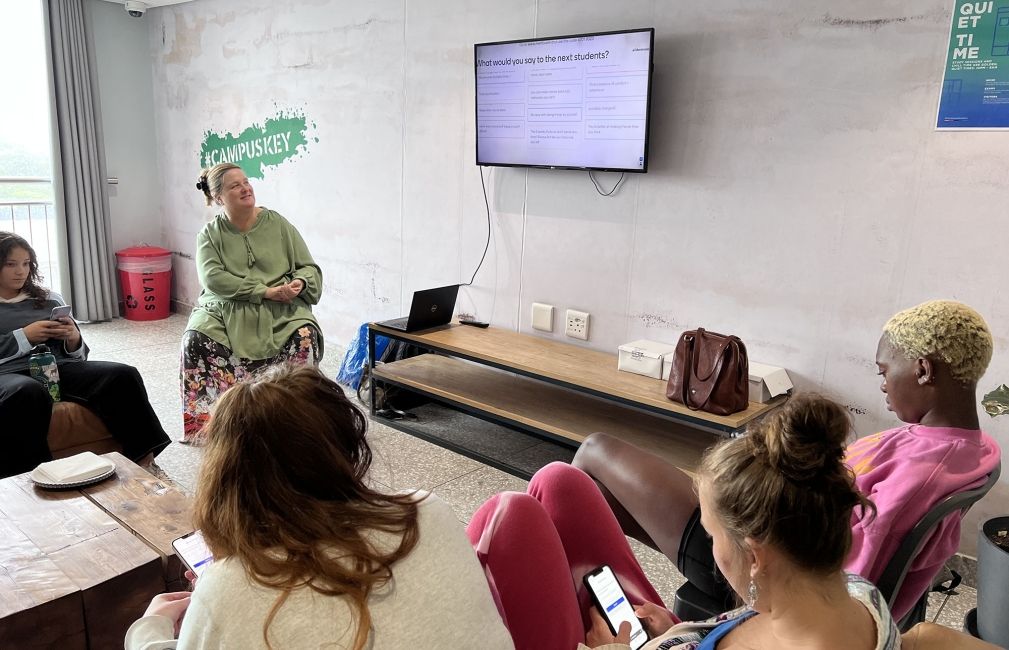
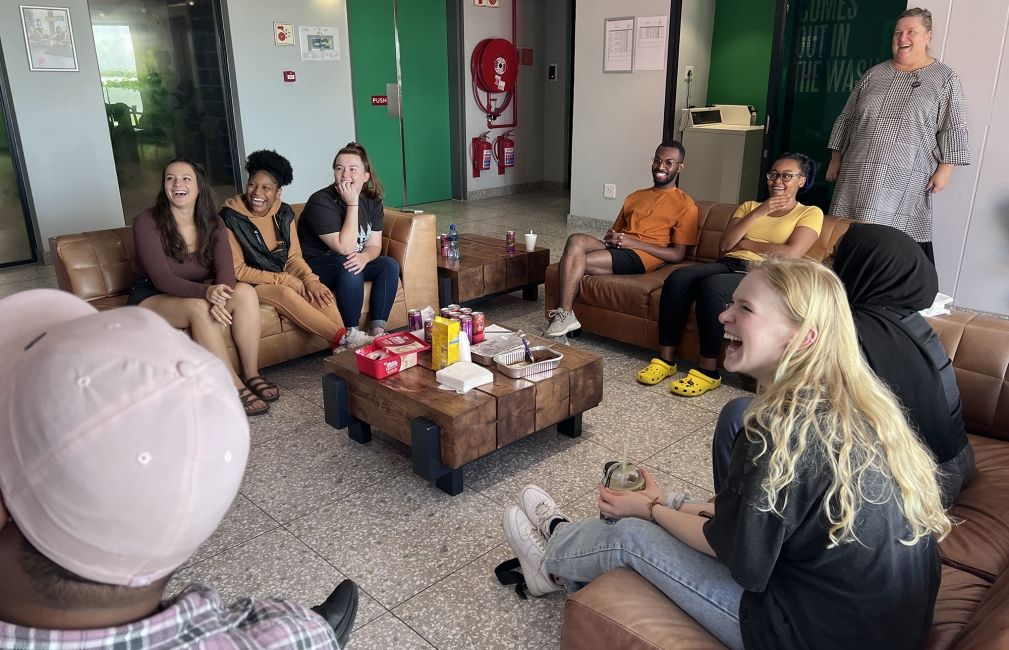
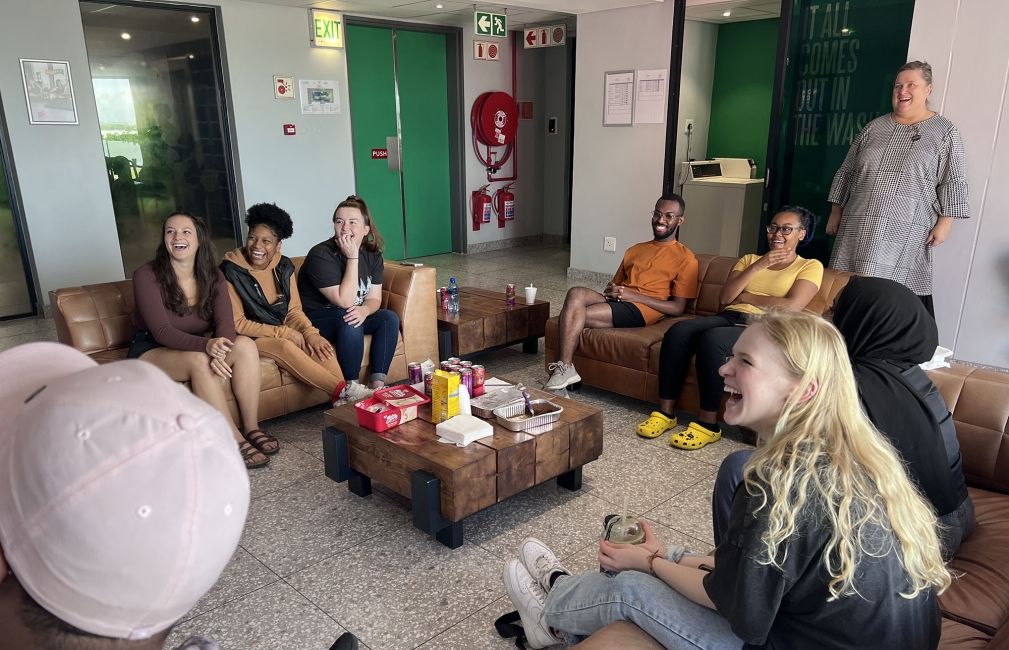
Situated in the vibrant student-friendly suburb of Rondebosch near central Cape Town, CIEE Cape Town boasts two main classrooms, a small meeting room, a student lounge, a student life office, an academic advising office, and complimentary Wi-Fi. The study center is conveniently close to the University of Cape Town, giving CIEE students the chance to socialize with local South African students.
Students will find many exciting conveniences surrounding the CIEE study center. From close access to Table Mountain National Park (hikers, take note!) to plenty of restaurants, coffee shops, beaches (Camps Bay, Clifton, and Muizenberg), and nightlife a short Uber ride away, students will enjoy all the exciting amenities the area has to offer.

Academics in Cape Town
CIEE Cape Town
Our location in Cape Town is part of the CIEE Open Campus Block Network and is located in the Rondebosch district.
University of Cape Town (UCT)
Established as South African College in 1829, UCT is internationally recognized as Africa’s leading research university with beautiful grounds and attractive buildings. The UCT campus includes a range of commercial, medical, recreational, and sporting facilities.
Arizona State University (ASU)
Brought to you by CIEE in partnership with ASU, enhance your international coursework with online classes that align with your degree requirements. ASU offers thousands of online courses in asynchronous 7.5-week sessions that fit within the CIEE academic calendar.

Internships in Cape Town
Depending on your program of study and availability, you may be able to participate in an international internship while studying abroad in Cape Town. Known for its laid-back yet professional work culture, Cape Town emphasizes work-life balance, creativity, and innovation, making it an exciting place to gain hands-on experience. From NGOs and startups to established organizations, you’ll have the opportunity to build real-world skills while immersing yourself in a globally connected city. You may find opportunities in industries such as:
- Agriculture, Food + Natural Resources
- Arts, Audio/Video Technology + Communications
- Education + Training
- Health Science
- Human Services
- Information Technology
- Law, Public Safety, Corrections + Security
- Marketing, Sales + Service
- Science, Technology, Engineering + Mathematics

Community Impact Initiative in Cape Town
CIEE’s Community Impact Initiative invites you to connect more deeply with Cape Town by becoming an active member of its community. You’ll work alongside local organizations on projects that reflect real, on-the-ground needs, building relationships, gaining cultural insight, and contributing to meaningful, lasting impact. Your experience may span key focus areas like Food Security, Community Development + Public Health, and Youth Development + Education initiatives.
In Cape Town, your service work may include:
- Supporting meal preparation and distribution efforts for vulnerable communities with Ladles of Love
- Assisting with meal delivery and community outreach for elderly and homebound individuals through Meals on Wheels
- Contributing to holistic care and support programs for vulnerable children with Rainbow of Hope
Cape Town Study Abroad Programs

- Cape Town, South Africa
- Study Program
- Part-Time Internship
...for 1, 2, or 3 term blocks!

- Study Program
- Part-Time Internship

- Study Program

- Study Program

- Study Program
- Part-Time Internship

- Study Program
- Part-Time Internship

- Cape Town, South Africa
- Study Program
- Part-Time Internship

- Cape Town, South Africa
- Full-Time Internship

- Cape Town, South Africa
- Study Program
- Part-Time Internship

- Study Program
- Part-Time Internship

- Cape Town, South Africa
- Study Program

- Cape Town, South Africa
- Study Program
- Full-Time Internship

- Cape Town, South Africa
- Study Program

- Cape Town, South Africa
- Study Program
- Part-Time Internship

- Cape Town, South Africa
- Study Program
Frequently Asked Questions
Cape Town offers a perfect blend of quality academics, outdoor adventures, and rich cultural immersion. As one of South Africa's most diverse cities, Cape Town is known for its world-class universities, stunning natural landscapes, and welcoming global community. Students can hike the beautiful nearby mountains, visit historic landmarks in and around the city, and experience the city's incredible art, music, and food. Whether you're interested in business, environmental science, public health, social justice, communications, or STEM fields, Cape Town is a fanastic study abroad destination for students!
Cape Town is a good place to study abroad because it’s one of the most diverse cities with 11 official languages, a warm Mediterranean climate, and mountainous landscapes. With thriving creative industries, a rich history, and endless natural attractions, Cape Town is a one-of-a-kind study abroad destination for adventurous students.
Yes, Cape Town is safe for students to study abroad, but with any major city, students should take certain precautions to keep themselves and others safe. We advise students to travel in safe areas of the city, keep their personal belongings secure, and stay on trails when hiking.
The cost of studying abroad in Cape Town varies depending on the specific program that you choose and how long you plan to study abroad for. For detailed cost information, we recommend researching each individual Cape Town study abroad program page.
For costs not included in your program’s outlined fees, it’s important to consider factors surrounding your individual journey while abroad.
Read more: How Much Does it Cost to Study Abroad?
In order to ensure our students feel welcomed, supported, and empowered while studying abroad, CIEE staff completes comprehensive diversity equity and inclusion (DEI) training. Staff provide students with advice, resources, and ongoing support both before and during their study abroad program in Cape Town.
For more detailed information on diversity in Cape Town, visit our Diversity in Cape Town page.
Yes! Cape Town offers several convenient transportation options for students, including taxis, buses, and trains. Many students also take advantage of the city's walkable neighborhoods, especially around university areas, shopping districts, restaurants, and cultural attractions. Students can also enjoy traveling to local beaches, mountains, and major landmarks as getting around Cape Town is easy and makes exploring the city an exciting part of the study abroad experience.
Cape Town is known for its rich multicultural heritage shaped by African, European, and Asian influences. The city offers a mix of languages, traditions, cuisine, music, and art, which creates a uniquely dynamic cultural experience for students. Cape Town provides countless opportunities to engage with South African culture from its local markets to community events and incredible historical sites. Its diverse communities and complex history make it an especially meaningful destination for students seeking to experience deep cultural immersion and develop a unique global perspective.
Cape Town is generally regarded as a laid back city with a low cost of living compared to other cities. Living in Cape Town will give students the opportunity to experience a diverse city with a variety of natural landscapes and exciting nightlife.
Yes, you can absolutely complete an internship abroad in Cape Town with CIEE. Our international internship programs allow college students to choose from a variety of full- and part-time internships abroad in a variety of fields, including manufacturing, finance, hospitality, healthcare, public policy, and more!
Search our internship opportunities to get started!
Most students studying or interning abroad in Cape Town will need to obtain the appropriate visa before traveling to South Africa. Visa requirements vary depending on program length. CIEE provides guidance throughout the visa process and helps students understand the necessary documentation and entry requirements for their specific program, making it easier to prepare for your time abroad.
Study Abroad Scholarships & Grants

Apply in 1,2,3!
You may be wondering if there are any South African scholarships to study abroad in Cape Town. CIEE offers scholarships and grants for study abroad programs in Cape Town to students with demonstrated financial need, proven academic merit, and for specific CIEE programs. Students can apply for scholarships through 3 simple steps:
- Search for and apply to your dream program
- Review all available funding opportunities
- Complete the Scholarship & Grants portion of your application

Study Abroad Scholarships
NEED-BASED SCHOLARSHIPS
Based on students' Estimated Family Contribution (EFC) from their Free Application for Federal Student Aid (FAFSA) and enrolled institution. Complete the Scholarships & Grants portion of your program application to be considered for all awards to which you are eligible.
MERIT SCHOLARSHIPS
Based on academic achievement. Complete the Scholarships & Grants portion of your program application, along with an essay, to be considered for all awards to which you are eligible.
OTHER SCHOLARSHIPS
Other scholarship awards are based on program or alumni status.
Cape Town Study Abroad Blog

6 Reasons to Study Abroad in Africa
What if your study abroad experience could help you stand out professionally, introduce you to entirely new cultures, and give you access to experiences few students ever have? That's exactly... keep reading

EAT, DRINK, EXPLORE: CAPE TOWN
BEST FOOD TO EAT IN CAPE TOWN If you’re looking to pinpoint South Africa’s national dish, here’s a helpful tip: there isn’t one. Cape Town’s multi-cultural heritage boasts British, French... keep reading

Skeleton Gorge: A Beautiful, Grueling Adventure in Cape Town
By: Jeanne d'Arc Koffi Hiking Skeleton Gorge in Cape Town was an experience I’ll never forget. The guidebooks warned it would be challenging, but as someone with hiking experience, I... keep reading
How to Study Abroad in Cape Town
Step #1: Select a Timeframe
CIEE offers a variety of ways to study abroad in Cape Town, including semester-long sessions, summer study abroad, and J-term, with program lengths ranging from four weeks to 18 weeks. With flexible options, it’s important to select a timeframe that makes sense with your personal and academic schedule.
Step #2: Choose a Program You Love
After determining your timeframe, find a program that meets your academic and career goals. Students can choose from subjects like mathematics, business, and more, along with classes focused on local culture, history, and more. Choosing a program you’re passionate about will help you make the most of your Cape Town study abroad experience!
Step #3: Verify Your Eligibility
Make sure you’re eligible to participate in CIEE’s Cape Town study abroad offerings. Every program has its own requirements, but typically include a minimum GPA and often other course and credit requirements, too.
Step #4: Create Your Budget
While studying abroad in Cape Town can be an affordable study abroad option, it’s always a smart idea to budget for other expenses, like incurred travel expenses, gifts, and food.
CIEE also offers millions in study abroad scholarships and grants each year based on several factors including financial need, academic merit, and other considerations, to allow you to make a study abroad dream a reality!
Step #5: Apply!
Now that you’ve found your program, you’re ready to apply! The application process is quite simple, but if you have any questions, we’re always here to help. Just contact us!





Safety at CIEE Cape Town
At CIEE, your health, safety, and well-being are always a top priority, so you can focus on making the most of your study abroad experience. From trained on-site staff who are local community experts to 24/7 support for students and families at 1-800-40-STUDY (1-800-407-8839), we’re here whenever you need us. Every program location is carefully reviewed for health, safety, and academic quality. Our global teams continuously monitor local conditions and stay connected with trusted partners, government officials, and U.S. embassies around the world. With guidance, resources, and real people ready to help every step of the way, you can feel confident living, learning, and exploring abroad with CIEE.

Student Housing in Cape Town
CIEE Cape Town offers a variety of housing options for you to choose from. Our Cape Town housing options are located in neighborhoods with convenient access to public transportation, shops, and restaurants. Available housing options vary by program.