
Study Abroad in Amman
College Study Abroad

Explore Amman with CIEE
Step into a city where ancient history and modern life collide when you study abroad in Amman, Jordan. Wander through Roman ruins in downtown Amman, sip mint tea on a rooftop overlooking the Citadel, or explore local art galleries and music venues tucked into the city’s bustling streets. On weekends, float in the Dead Sea, hike through Wadi Mujib, or visit Petra, one of the New Seven Wonders of the World. With its warm hospitality and unique blend of tradition and innovation, Amman study abroad provides an unforgettable experience in one of the Middle East’s most welcoming destinations.
While abroad, choose from a variety of study abroad programs in Amman designed to support your academic goals across subjects like Arabic language, business, international relations, Middle Eastern studies, and social sciences. Beyond the classroom, you can also complete a full- or part-time internship in industries such as business administration, marketing, education, human services, and agriculture and natural resources, gaining valuable international work experience while developing intercultural communication skills. By combining academics with hands-on learning, Amman study abroad gives you the opportunity to build career-ready skills while experiencing Jordan’s rich history, vibrant culture, and warm hospitality firsthand.


Top Activities in Amman with CIEE
Every CIEE Amman study abroad and international internship program includes frequent cultural excursions uniquely designed to complement the program’s academics and enhance students’ cultural immersion. In Amman, past excursions have included:
- Visit Petra, Jordan’s famous archaeological site carved into the desert cliffs
- Camp in the middle of the desert during an excursion to Wadi Rum, where you'll be surrounded by dramatic red sand dunes under a canopy of stars
- Explore sacred sites including Madaba Plains, Mt. Nebo, and the historic city of Madaba, or journey through time at Jerash, a well-preserved Roman city, then hike through Ajloun
About CIEE Amman
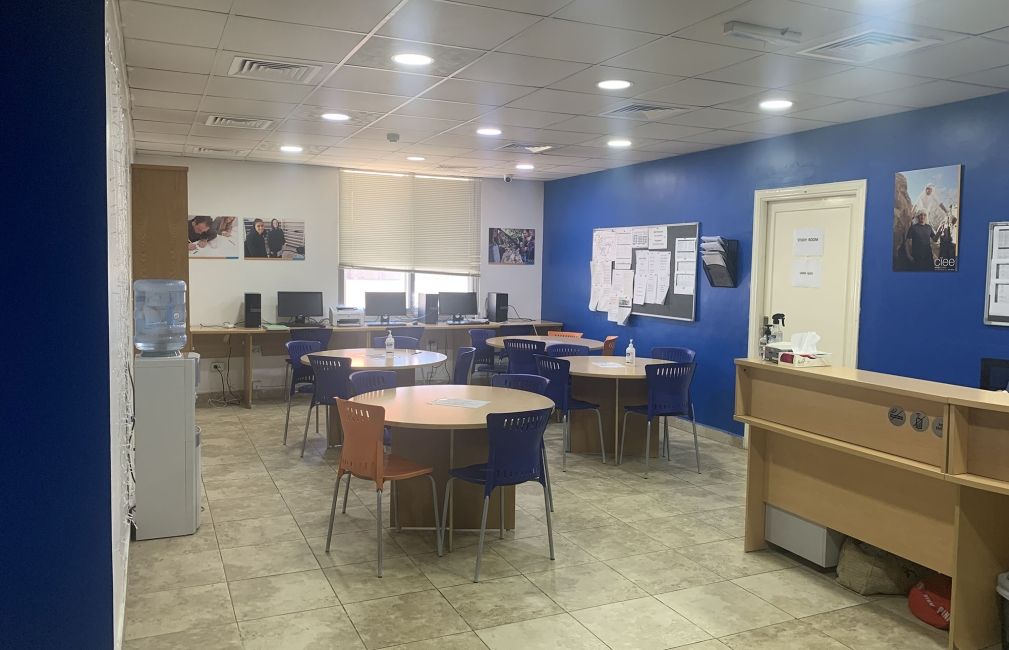
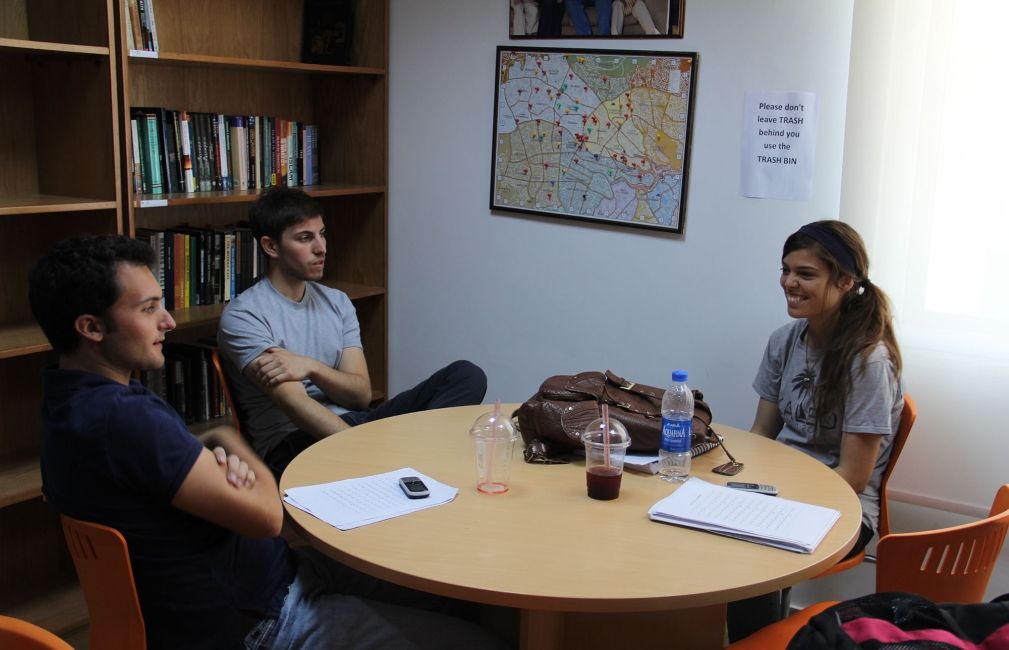
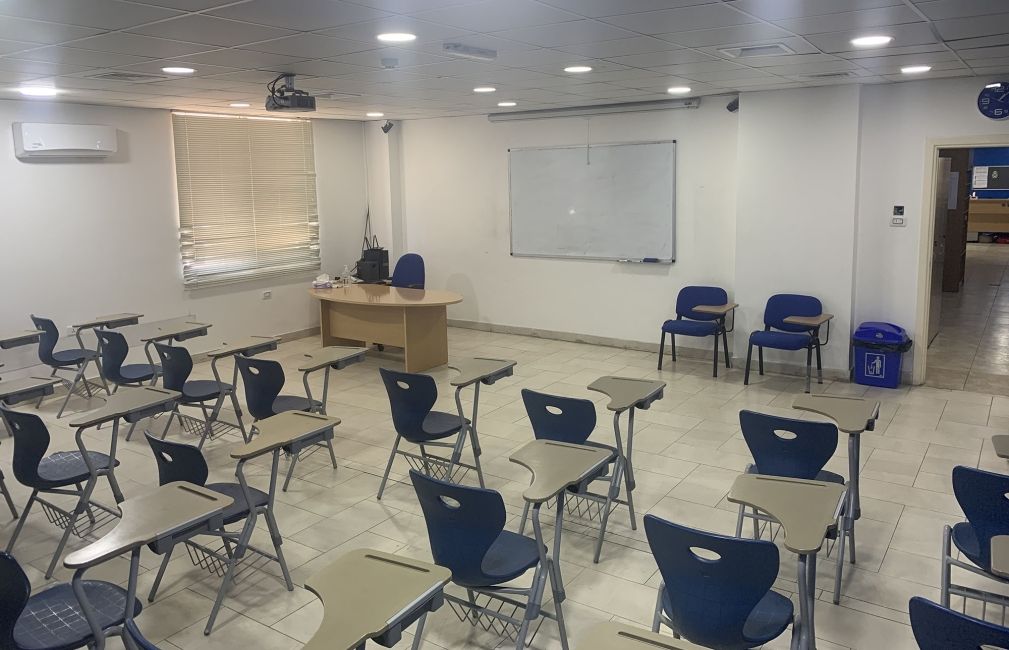
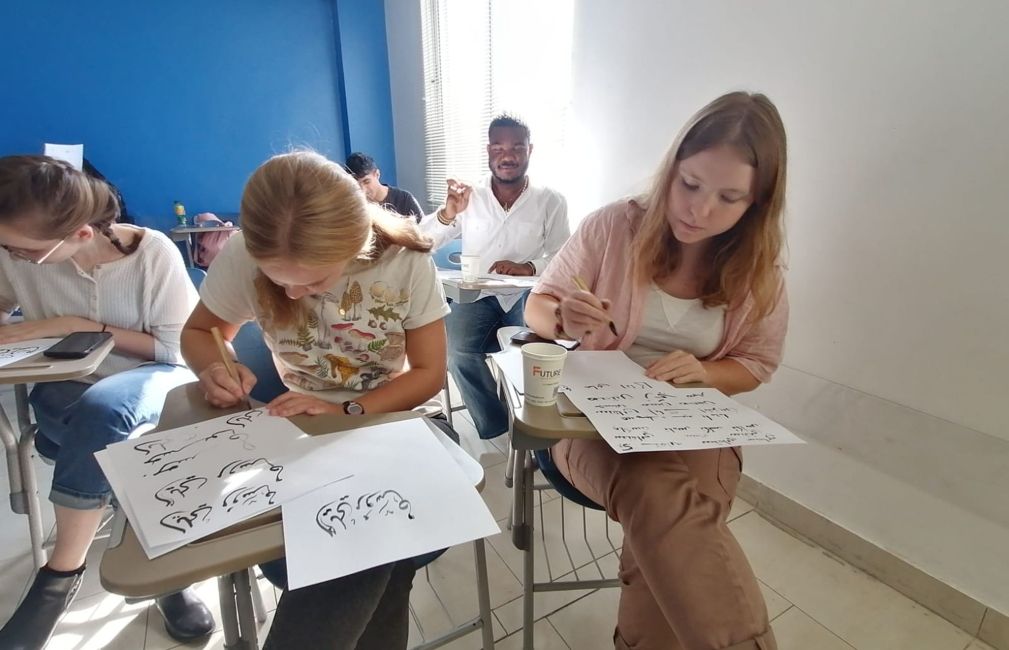
Situated in a student-friendly neighborhood, CIEE Amman is based in a traditional area of the city, giving students the unique and special opportunity to interact with local residents. The study center boasts three main classrooms, a library, a study space, a reception area, and public computers students can use as needed. There is also complimentary Wi-Fi and printer access at the center.
From CIEE Amman, students can easily access public transportation to reach the many affordable nearby restaurants, cafés, gyms, hair salons, and more. Across the street from the study center, students may also visit the University of Jordan, one of the biggest campuses in Amman, where they can socialize with Jordanian students!



Academics in Amman
CIEE Amman
CIEE Amman is based in a traditional neighborhood, which allows students plenty of opportunities to interact with local residents and get to know key academic institutions and sites with ease.
Princess Sumaya University for Technology (PSUT)
Founded in 1991, PSUT is the only private and nonprofit university in Jordan. It is owned by the Royal Scientific Society (RSS), the foremost applied research center in Jordan. PSUT campus is about 10-15 minutes commute from the CIEE Study center by taxi.
Arizona State University (ASU)
Brought to you by CIEE in partnership with ASU, enhance your international coursework with online classes that align with your degree requirements. ASU offers thousands of online courses in asynchronous 7.5-week sessions that fit within the CIEE academic calendar.

Internships in Amman
Depending on your program of study and availability, you may be able to participate in an international internship while studying abroad in Amman. Amman’s work scene blends humanitarian services, marketing, and business development, supported by a growing presence of startups and international organizations. This dynamic environment encourages collaboration and innovation while remaining deeply connected to local culture and values. You may find opportunities in industries such as:
- Agriculture, Food + Natural Resources
- Business Management + Administration
- Education + Training
- Human Services
- ZMarketing, Sales + Service

Community Impact Initiative in Amman
CIEE’s Community Impact Initiative invites you to connect more deeply with Amman by becoming an active member of its community. You’ll work alongside local organizations on projects that reflect real, on-the-ground needs, building relationships, gaining cultural insight, and contributing to meaningful, lasting impact. Your experience may span key focus areas like Food Security, Community Development + Public Health, and Youth Development + Education initiatives.
In Amman, your service work may include:
- Supporting community initiatives through Ezwitti Restaurant, contributing to programs that promote social solidarity
- Assisting with advocacy, research, and community-building efforts alongside Sawiyan
- Engaging in youth development programs with Squash Dreamers, supporting refugee and underserved girls through education and mentorship
Study Abroad Programs in Amman

- Study Program
- Part-Time Internship

- Study Program
- Part-Time Internship

- Amman, Jordan
- Full-Time Internship

- Amman, Jordan
- Study Program
- Part-Time Internship

- Amman, Jordan
- Study Program

- Amman, Jordan
- Study Program
- Full-Time Internship

- Amman, Jordan
- Study Program
- Part-Time Internship

- Amman, Jordan
- Study Program
Frequently Asked Questions
Amman is a fantastic city for students seeking a unique student abroad destination that blends ancient history with modern culture. Students can spend their time exploring Roman ruins, local markets, art galleries, and historic neighborhoods. Known for its hospitality and welcoming atmosphere, Amman offers the perfect introduction to Middle Eastern culture and Jordan's incredible history.
The city is especially appealing for students interested in Arabic language, business, international relations, Middle Eastern studies, and social sciences. Through coursework, internships, cultural excursions, and interactions with local communities, students gain firsthand experience that extends far beyond the classroom.
A unique blend of ancient and modern, Amman, Jordan is a good place to study abroad for students interested in Middle Eastern culture, politics, and language. As the capital of Jordan, students have the opportunity to explore Amman’s famous sites, from Mount Nebo and Rainbow Street to the Roman Theater and Citadel Hill.
Amman is a fairly safe city in the region, but petty theft and crime still exists. As with any city, we advise students to travel in groups when possible, stay aware of their surroundings, and keep their belongings secure.
The cost of studying abroad in Amman varies depending on the specific program that you choose and how long you plan to study abroad for. For detailed cost information, we recommend researching each individual Amman study abroad program page.
For costs not included in your program’s outlined fees, it’s important to consider factors surrounding your individual journey while abroad.
Read More: How Much Does it Cost to Study Abroad?
Students learn that daily life in Amman often revolves around family, community, hospitality, and spending time with others. Cafés, restaurants, markets, and public gathering spaces play an important role in social life, and it's common to see friends and families spending hours together over a meal, coffee, or tea. Many students find that one of the most memorable parts of living in Amman is the warmth and generosity of the local community!
As Jordan's capital, Amman is also an important cultural, economic, and educational center in the region. The city offers a unique mix of rich history, contemporary culture, and global influences, giving students a unique opportunity to experience modern Middle Eastern life. Whether exploring local neighborhoods, practicing language skills, attending local events, or learning about the region's history and traditions, students gain a deeper understanding of Jordanian culture while building meaningful connections that enrich their study abroad experience.
Yes! Students generally find it easy to navigate the areas where they spend most of their time. Nearby neighborhoods, restaurants, stores, and cultural attractions are easy to explore, allowing students to quickly become familiar with the city.
For longer distances, students can use public transportation and other local transit options to travel throughout the city with ease. CIEE Amman offers easy access to public transportation, making it convenient for students to reach nearby restaurants, capuses, markets, and cultural attractions.
In order to ensure our students feel welcomed, supported, and empowered while studying abroad, CIEE staff completes comprehensive diversity equity and inclusion (DEI) training. Staff provide students with advice, resources, and ongoing support both before and during their study abroad program in Amman.
For more detailed information on diversity in Amman, visit our Diversity in Amman page.
Yes, you can absolutely complete an internship abroad in Amman with CIEE. Our international internship programs allow college students to choose from a variety of full- and part-time internships abroad in a variety of fields, including manufacturing, finance, hospitality, healthcare, public policy, and more!
Search our internship opportunities to get started!
Most students studying or interning abroad in Amman will need to obtain the appropriate visa before departure. Visa requirements vary depending on your program type and length of stay. CIEE provides guidance throughout the visa process and helps students understand the required documentation and application steps for their specific program. Be sure to review the latest visa requirements well in advance of your departure to ensure a smooth arrival in Jordan.
No, you don’t need to know Arabic to study abroad in Amman. CIEE courses are offered in English, and English is commonly used in academic settings and major urban areas.
That said, learning some basic Arabic phrases can make daily life easier and help you connect more with the local culture and community, but it’s not required to thrive during your time abroad.
Study Abroad Scholarships & Grants

Apply in 1,2,3!
You may be wondering if there are any scholarships to study in Amman. CIEE offers scholarships and grants for study abroad programs in Amman to students with demonstrated financial need, proven academic merit, and for specific CIEE programs. Students can apply for scholarships through 3 simple steps:
- Search for and apply to your dream program
- Review all available funding opportunities
- Complete the Scholarship & Grants portion of your application

Study Abroad Scholarships
NEED-BASED SCHOLARSHIPS
Based on students' Estimated Family Contribution (EFC) from their Free Application for Federal Student Aid (FAFSA) and enrolled institution. Complete the Scholarships & Grants portion of your program application to be considered for all awards to which you are eligible.
MERIT SCHOLARSHIPS
Based on academic achievement. Complete the Scholarships & Grants portion of your program application, along with an essay, to be considered for all awards to which you are eligible.
OTHER SCHOLARSHIPS
Other scholarship awards are based on program or alumni status.
Amman Study Abroad Blog

Top 10 Arabic Slang Words & Phrases You Must Know
If you plan to study abroad in Jordan or the United Arab Emirates (UAE), you’ll want to pick up some of the official language spoken in both countries: Arabic. While... keep reading

EAT, DRINK, EXPLORE: AMMAN
BEST FOOD TO EAT IN AMMAN With Israel and Egypt on one side, and Syria, Iraq, and Saudi Arabi on the other, it’s no wonder Jordan’s cuisine is so vast... keep reading
Unveiling Jordan's Hidden Treasures: 5 Must-Visit Gems
By: Dorra Guermazi Jordan's landscape is a tapestry of awe-inspiring beauty and cultural heritage, where ancient wonders and natural marvels converge in harmony. While Petra and the Dead Sea are... keep reading
How to Study Abroad in Amman
Step #1: Select a Timeframe
CIEE offers a variety of ways to study abroad in Amman, including semester-long sessions, summer study abroad, and J-term, with program lengths ranging from four weeks to 18 weeks. With flexible options, it’s important to select a timeframe that makes sense with your personal and academic schedule.
Step #2: Choose a Program You Love
After determining your timeframe, find a program that meets your academic and career goals. Students can choose from subjects like mathematics, business, and language courses, along with classes focused on local culture, history, and more. Choosing a program you’re passionate about will help you make the most of your Amman study abroad experience!
Step #3: Verify Your Eligibility
Make sure you’re eligible to participate in CIEE’s Amman study abroad offerings. Every program has its own requirements, but typically include a minimum GPA and often other course and credit requirements, too.
Step #4: Create Your Budget
While studying abroad in Amman can be an affordable study abroad option, it’s always a smart idea to budget for other expenses, like incurred travel expenses, gifts, and food.
CIEE also offers millions in study abroad scholarships and grants each year based on several factors including financial need, academic merit, and other considerations, to allow you to make a study abroad dream a reality!
Step #5: Apply!
Now that you’ve found your program, you’re ready to apply! The application process is quite simple, but if you have any questions, we’re always here to help. Just contact us!

Safety at CIEE Amman
At CIEE, your health, safety, and well-being are always a top priority, so you can focus on making the most of your study abroad experience. From trained on-site staff who are local community experts to 24/7 support for students and families at 1-800-40-STUDY (1-800-407-8839), we’re here whenever you need us. Every program location is carefully reviewed for health, safety, and academic quality. Our global teams continuously monitor local conditions and stay connected with trusted partners, government officials, and U.S. embassies around the world. With guidance, resources, and real people ready to help every step of the way, you can feel confident living, learning, and exploring abroad with CIEE.

Student Housing in Amman
CIEE Amman offers a variety of housing options for you to choose from. Our Amman housing options are located in neighborhoods with convenient access to public transportation, shops, and restaurants. Available housing options vary by program.
CIEE Amman Staff

Zein Nsheiwat
Center Director