Study Abroad in Latin America


Study in the artsy, culturally-complex, and developing region that is Latin America.
Lush rain forests. Staggering beaches. Booming urban centers home to the arts, sports, and business. When you study abroad in Latin America, it's both challenging and exciting to keep up with its dynamic and rapidly evolving cultural landscape.
The diverse 20+ nations of Latin America were born of a mixture of glorious indigenous civilizations, immigrants, and landscapes, all united by Spanish and Portuguese languages. Whether you want to study literature in Mexico, explore rainforests in Costa Rica, participate in Argentina's performing arts scene, improve your language skills in Chile, explore the vibrant culture of Brazil, discover the historical charm of Puerto Rico, or immerse yourself in the Caribbean culture of the Dominican Republic, we have the study abroad programs to meet your needs and abilities.
How to Study Abroad in Latin America
With CIEE study abroad programs in Latin America spanning all across the region, you can study what you want, where you want. Add cultural excursions, homestays, volunteer opportunities, and diverse coursework into the mix, and you have the recipe for a successful college study abroad experience. Start your application today!
Countries to Study Abroad in Latin America

Argentina
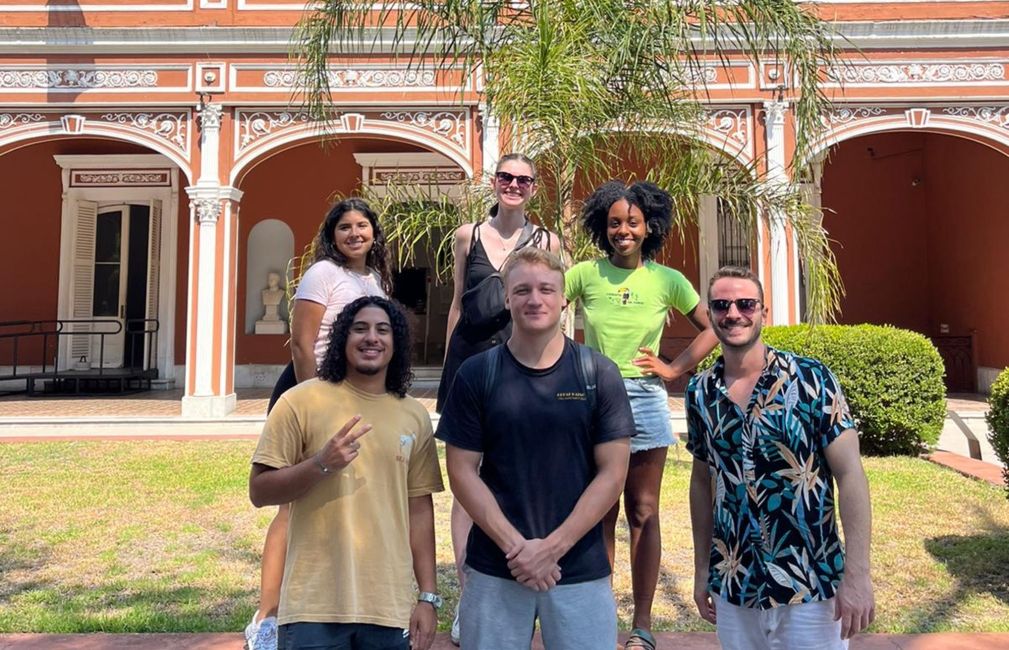
Study abroad in Buenos Aires and experience the city’s vibrant culture, tango, art, and rich history while exploring Argentina’s diverse regions and traditions.

Brazil
Study abroad in São Paulo and immerse yourself in the city’s rich culture, diverse arts, and dynamic urban life while discovering Brazil’s unique heritage.

Chile
Study abroad in Santiago and immerse yourself in Chile’s rich culture, stunning landscapes, vibrant arts, and history while exploring the dynamic capital and surrounding regions.

Costa Rica
Study abroad in Monteverde and explore lush cloud forests, diverse wildlife, sustainable agriculture, and Costa Rica’s vibrant culture while immersed in nature.

Dominican Republic
Study abroad in Santiago de los Caballeros and immerse yourself in the city’s vibrant culture, history, music, and nearby natural beauty while exploring Dominican life.

Mexico
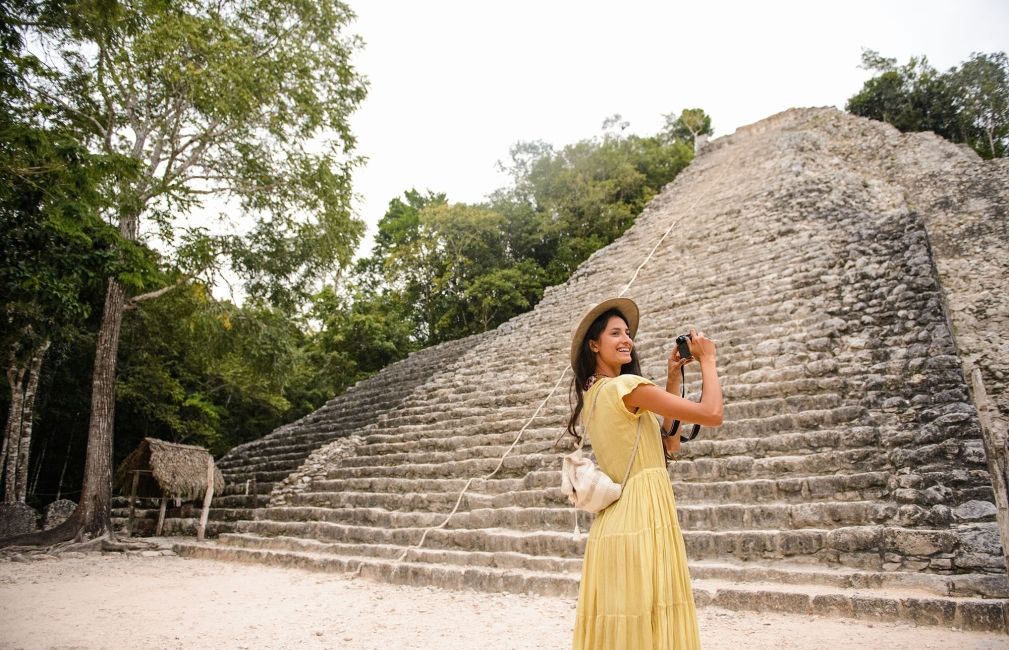
Study abroad in Mérida and explore ancient Mayan ruins, vibrant culture, stunning beaches, and colonial architecture while experiencing the region’s rich history.

Puerto Rico
Study abroad in San Juan and experience vibrant culture, historic sites, stunning beaches, and lively music in the heart of the Caribbean.
Trending Study Abroad Programs in Latin America

- Buenos Aires, Argentina
- Study Program
- Part-Time Internship
...for 1, 2, or 3 term blocks!

- San Juan, Puerto Rico
- Study Program
- Part-Time Internship

- San Juan, Puerto Rico
- Study Program
- Part-Time Internship

- Buenos Aires, Argentina
- Study Program
Study in up to 3 Cities this Semester
Design Your Own Program
With CIEE's open campus model, you can design your very own study abroad semester program to include up to three different locations. Feel free to build your own program using our custom study abroad tool, spin the globe, or take a look at experiences around some of our most popular open campus combinations!
Questions about Latin America Study Abroad
If you’re wondering, “Where are the best places to study abroad in Latin America?” we’d recommend looking into the following destinations:
- Argentina: A mix of cultures and people perfect for a student interested in the arts, nature, economics, and more!
- Chile: A great destination for students looking to be in a modern, dynamic capital city full of culture and traditions.
- Costa Rica: A biodiverse paradise best suited for students passionate about nature, hands-on research, and cultural immersion.
- The Dominican Republic: A historically and culturally charming destination for students looking to improve their Spanish and explore Dominican culture.
- Mexico: A unique destination well-suited for students looking for an affordable, culturally diverse location with natural wonders.
The cost of studying abroad in Latin America varies depending on the specific program that you choose and how long you plan to study abroad for. For detailed cost information, we recommend researching each individual Latin America study abroad program page.
For costs not included in your program’s outlined fees, it’s important to consider factors surrounding your individual journey while abroad.
Read more: How Much Does it Cost to Study Abroad?
Yes, Latin America is safe for students to study abroad, but as with any major city, students should take certain precautions to keep themselves and others safe. We advise students to travel in safe areas of the city, keep their personal belongings secure, and travel in groups when possible.
For more information, visit Safety at CIEE.
Latin America is a great study abroad destination for students looking to be in a culturally diverse region with beautiful landscapes and top-rated universities. With study abroad programs spanning across five countries, CIEE allows students to pursue study abroad programs in Argentina, Chile, Costa Rica, the Dominican Republic, and Mexico.
Reasons to study abroad in Latin America include:
- Improving your Spanish language skills
- Completing diverse coursework
- Trying new cuisines
- Engaging in the local community through internships and volunteer work
- Immersing yourself in a new culture
Put simply, yes! Students can study Spanish abroad in Latin America on one of CIEE’s programs. By immersing yourself in a Spanish-speaking location, you’ll quickly advance your Spanish language skills both inside and outside of the classroom.
Whether you’re a beginner or have a high level of Spanish language proficiency, studying abroad in a Spanish-speaking country will undoubtedly improve your Spanish skills! For a fast-track language program, check out our Summer Intensive Spanish Language program in Argentina! For less intense language learning, we’d recommend a program like our Liberal Arts program in Santiago where you supplement elective courses with a Spanish language class.
While the best study abroad programs in Latin America is quite subjective, we can provide you with a list of some of our most popular study abroad programs in Latin America:
- Sustainability + the Environment (Monteverde)
- Liberal Arts (Buenos Aires)
- Tropical Ecology + Conservation (Monteverde)
- Summer Global Internship (Monteverde)
- Open Campus Block (Monteverde)
- Liberal Arts (Santiago de los Caballeros)
- & more!