
Study Abroad in Buenos Aires
College Study Abroad

Explore Buenos Aires
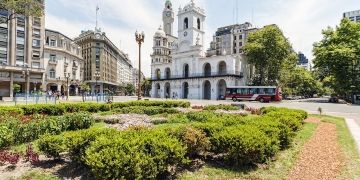
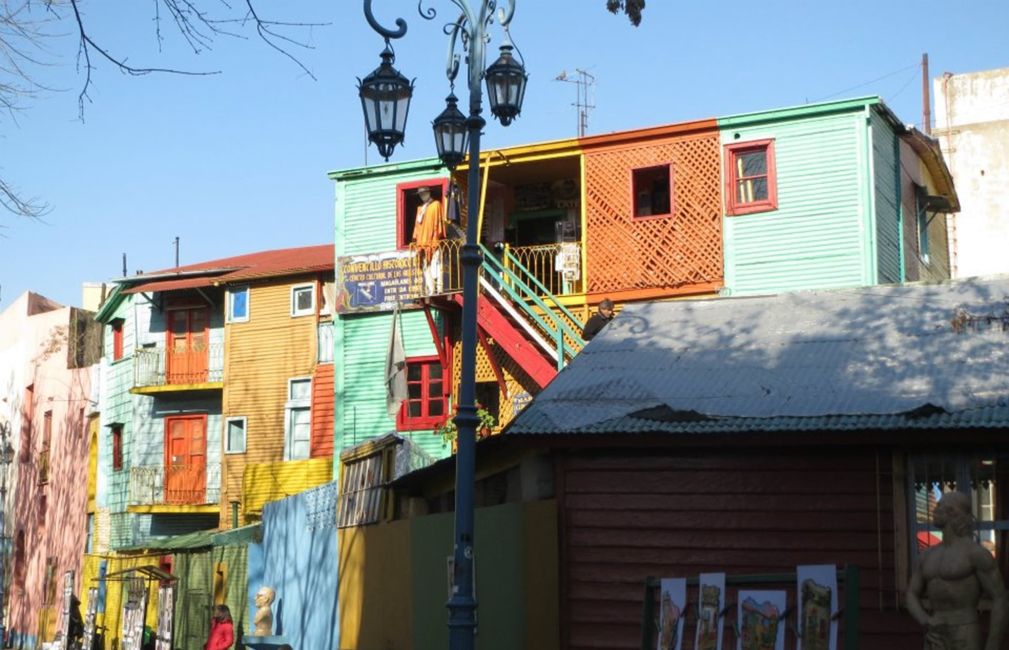
Lose yourself in the heartbeat of Argentina when you study abroad in Buenos Aires, a city renowned for its stunning architecture, passionate tango rhythms, and electric cultural atmosphere. Explore colorful neighborhoods like La Boca and Palermo, savor traditional dishes like empanadas and asado, and dive into Spanish through daily conversations with locals. With incredible museums, buzzing theaters, and top-notch universities around every corner, Buenos Aires study abroad is your ticket to mixing serious learning with nonstop cultural vibes. Whether you're catching a live tango show, cheering at a fútbol match, or discovering hidden cafés, every day brings a new adventure in this city that never stops inspiring.
While abroad, students may complete a full- or part-time internship in Buenos Aires, gaining real-world international work experience and developing valuable professional skills. Internships are available across diverse industries, including business, marketing, business, and the arts, providing a well-rounded perspective of today's global job market and enriching the overall study abroad experience.
Study Abroad Programs in Buenos Aires

- Buenos Aires, Argentina
- Study Program
- Part-Time Internship
...for 1, 2, or 3 term blocks!

- Buenos Aires, Argentina
- Study Program
- Part-Time Internship

- Buenos Aires, Argentina
- Study Program

- Buenos Aires, Argentina
- Study Program
- Part-Time Internship

- Buenos Aires, Argentina
- Study Program

- Buenos Aires, Argentina
- Study Program
- Part-Time Internship

- Buenos Aires, Argentina
- Full-Time Internship

- Buenos Aires, Argentina
- Study Program
- Part-Time Internship

- Buenos Aires, Argentina
- Study Program
- Part-Time Internship
- Buenos Aires, Argentina
- Study Program

- Buenos Aires, Argentina
- Study Program
- Full-Time Internship

- Buenos Aires, Argentina
- Study Program
- Part-Time Internship

- Buenos Aires, Argentina
- Study Program

- Buenos Aires, Argentina
- Study Program
- Part-Time Internship

- Buenos Aires, Argentina
- Study Program

Top Activities in Buenos Aires
Every CIEE semester program has frequent cultural excursions uniquely designed to complement the program’s academics and enhance students’ cultural immersion. CIEE Buenos Aires presents students with a variety of cultural activities and learning opportunities that truly enrich the local experience, including:
- Visiting an Argentine cattle ranch, tasting a traditional Argentine asado, and learning about the rugged lifestyle of the legendary Gaucho culture
- Touring free museums, art galleries, and cultural centers, such as Museo de Bellas Artes, Museo de Arte Decorativo, Museo de Arte Moderno, and Centro Cultural Recoleta
- Attending festivals, city-sponsored events, and live theater performances where you'll feel the energy of Buenos Aires come alive
About CIEE Buenos Aires
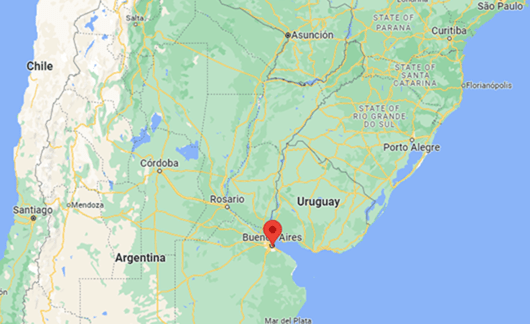
Located in the heart of Argentina's capital, CIEE Buenos Aires is in Recoleta, a lively neighborhood known for its European architecture and chic cafés. The area is well-connected by public transportation, providing easy access to parks, restaurants, and shops.
Inside the study center, students have access to five modern classrooms, lounge areas, an event space, free Wi-Fi, computers, printers, and a student life office for cultural advice and volunteer opportunities. There's also a charming outdoor space to enjoy.


Academics in Buenos Aires
CIEE Buenos Aires
The CIEE study center is located in the center of Buenos Aires, is part of the CIEE Open Campus Block Network, and is one of the most vibrant and student-populated neighborhoods of the city.
Universidad Católica Argentina (UCA)
This private Catholic university was founded in 1958 and is among the top five universities in Argentina, according to the 2018 QS World University Rankings. The university is made up of 11 schools, four institutes, and has more than 13,000 students.
Universidad de Buenos Aires (UBA)
Created in 1821, UBA is the largest public university in Argentina, the most highly-ranked university in Latin America, and ranks 75th among the top ranked universities in the world. It counts among its graduates several Nobel Prize winners and former presidents of Argentina.
Universidad Nacional de las Artes (UNA)
UNA was founded in 1996 when seven prestigious art institutions united to form the National Art University Institute, whose name changed to UNA in 2014. The university has 11 different academic units located throughout Buenos Aires.
Universidad de Salvador (USAL)
The Universidad del Salvador was founded in 1944 by the Jesuits. It is a private, Catholic confessional university. The institution has campuses in the city of Buenos Aires, the province of Buenos Aires, and the province of Misiones.
Universidad Torcuato Di Tella (UTDT)
The Universidad Torcuato Di Tella (UTDT) is a private, non-profit Argentine university founded in 1991, inheriting the avant-garde spirit of the Torcuato Di Tella Institute (1958). Currently, the university offers 12 undergraduate programs and 34 postgraduate programs. All its activities take place at the Di Tella Campus, located in the Belgrano neighborhood of Buenos Aires.
Arizona State University (ASU)
Brought to you by CIEE in partnership with ASU, enhance your international coursework with online classes that align with your degree requirements. ASU offers thousands of online courses in asynchronous 7.5-week sessions that fit within the CIEE academic calendar.

Internships in Buenos Aires
Depending on your program of study and availability, you may be able to participate in an international internship while studying abroad in Buenos Aires. The city’s work scene spans arts, business, communications, marketing, and technology, with opportunities across creative agencies, startups, and established organizations. Known for its collaborative and relationship-driven culture, Buenos Aires offers an engaging environment to gain hands-on experience and build global skills. You may find opportunities in industries such as:
- Arts, Audio/Video Technology + Communications
- Business Management + Administration
- Education + Training
- Hospitality + Tourism
- Marketing, Sales + Service
- Transportation, Distribution + Logistics

Community Impact Initiative in Buenos Aires
CIEE’s Community Impact Initiative invites you to connect more deeply with Buenos Aires by becoming an active member of its community. You’ll work alongside local organizations on projects that reflect real, on-the-ground needs, building relationships, gaining cultural insight, and contributing to meaningful, lasting impact. Your experience may span key focus areas like Food Security, Community Development + Public Health, and Youth Development + Education initiatives.
In Buenos Aires, your service work may include:
- Supporting food distribution, social outreach, and community care efforts with Más allá, assisting individuals in vulnerable conditions through basic needs and companionship
- Contributing to emergency aid and long-term social development initiatives with Cáritas Argentina, supporting communities through food, shelter, and social inclusion programs
- Participating in urban agriculture, composting, and environmental education initiatives with Colectivo Reciclador, promoting sustainability and community engagement
Pocket Guide to Buenos Aires
Currency
Argentine Peso
Spoken Languages
Argentinian Spanish
Available Transportation
Subway, buses, taxis
Famous Local
Pope Francis – first pope from the Western Hemisphere and South America, and first from the Jesuit order
Climate
Warm, humid, wet summers; cold, windy winters; mild spring and fall
Traditions
The tango – fascinating and popular dance music that originated in Buenos Aires in the 1880s
Airport
Ministro Pistarini International Airport (EZE)
Social Norms
People are very expressive when greeting, using hugs and kisses in addition to hand shaking
What to Pack
Backpack, comfortable shoes, Spanish dictionary
Frequently Asked Questions
Founded in 1536, Buenos Aires is a good place to study abroad for students looking to explore Argentine culture, take intensive Spanish language courses, and increase their intercultural understanding. Voted “the number-one city to visit” in Latin America, CIEE programs in Buenos Aires allow students to learn, intern, and volunteer in this historical, multicultural metropolis in Argentina.
Follow these 3 simple steps to study abroad in Buenos Aires:
- Search CIEE Buenos Aires study abroad programs (and pick your favorite!)
- Explore CIEE Scholarship and Grant opportunities to learn how you can fund your travels
- Start your application!
Read more: How to Study Abroad
With pleasant weather year-round, world-class museums, and bustling nightlife, Buenos Aires is a great study abroad destination for adventurous, curious students looking to live in Latin America.
Buenos Aires is famous for its musical scene, rich European heritage, traditional neighborhoods, exciting nightlife, and so much more. Find out for yourself by starting a program application today!
From award-winning restaurants, unique neighborhoods that blend European and South American styles, and rich cultural heritage, Buenos Aires has much to explore. With a population close to 13 million, over 300 plays performed every weekend, and 734 bookstores, there are many activities in beautiful Buenos Aires for students to do.
In order to ensure our students feel welcomed, supported, and empowered while studying abroad, CIEE staff completes comprehensive diversity equity and inclusion (DEI) training. Staff provide students with advice, resources, and ongoing support both before and during their study abroad program in Buenos Aires.
For more detailed information on diversity in Buenos Aires, visit our Diversity in Buenos Aires page.
The cost of studying abroad in Buenos Aires varies depending on the specific program that you choose and how long you plan to study abroad for. For detailed cost information, we recommend researching each individual Buenos Aires study abroad program page.
For costs not included in your program’s outlined fees, it’s important to consider factors surrounding your individual journey while abroad.
Read more: How Much Does it Cost to Study Abroad?
Yes, you can absolutely complete an internship abroad in Buenos Aires with CIEE. Our international internship programs allow college students to choose from a variety of full- and part-time internships abroad in a variety of fields, including manufacturing, finance, hospitality, healthcare, public policy, and more!
Search our internship opportunities to get started!
Study Abroad Scholarships & Grants

Apply in 1,2,3!
You may be wondering if there are any scholarships to study in Buenos Aires. CIEE offers scholarships and grants for study abroad programs in Buenos Aires to students with demonstrated financial need, proven academic merit, and for specific CIEE programs. Students can apply for scholarships through 3 simple steps:
- Search for and apply to your dream program
- Review all available funding opportunities
- Complete the Scholarship & Grants portion of your application

Study Abroad Scholarships
NEED-BASED SCHOLARSHIPS
Based on students' Estimated Family Contribution (EFC) from their Free Application for Federal Student Aid (FAFSA) and enrolled institution. Complete the Scholarships & Grants portion of your program application to be considered for all awards to which you are eligible.
MERIT SCHOLARSHIPS
Based on academic achievement. Complete the Scholarships & Grants portion of your program application, along with an essay, to be considered for all awards to which you are eligible.
OTHER SCHOLARSHIPS
Other scholarship awards are based on program or alumni status.





Buenos Aires Study Abroad Blog

Santiago vs. Buenos Aires: Which is Better?
When it comes to choosing a study abroad destination in Latin America, two cities often come to the forefront: Santiago, Chile study abroad, and Buenos Aires, Argentina study abroad. Both... keep reading

Top 20 Argentinian Slang Words and Phrases You Must Know
Heading to Buenos Aires, the cosmopolitan capital of Argentina? If so, now’s the time to brush up on your lunfardo or Argentinian Spanish slang! Mastering the Spanish language goes beyond... keep reading

Study Abroad in Latin America: The Ultimate Guide
Deciding where to study abroad can be as thrilling as it is daunting, especially with so many amazing Latin America study abroad programs and countries to choose from. We get... keep reading