
Work & Travel USA
CIEE Work & Travel USA is the longest-running program of its kind, and there’s a reason why we sponsor more participants than any other organization. Whether you’re a visiting student or an employer, CIEE delivers unmatched support and the best international exchange experiences.

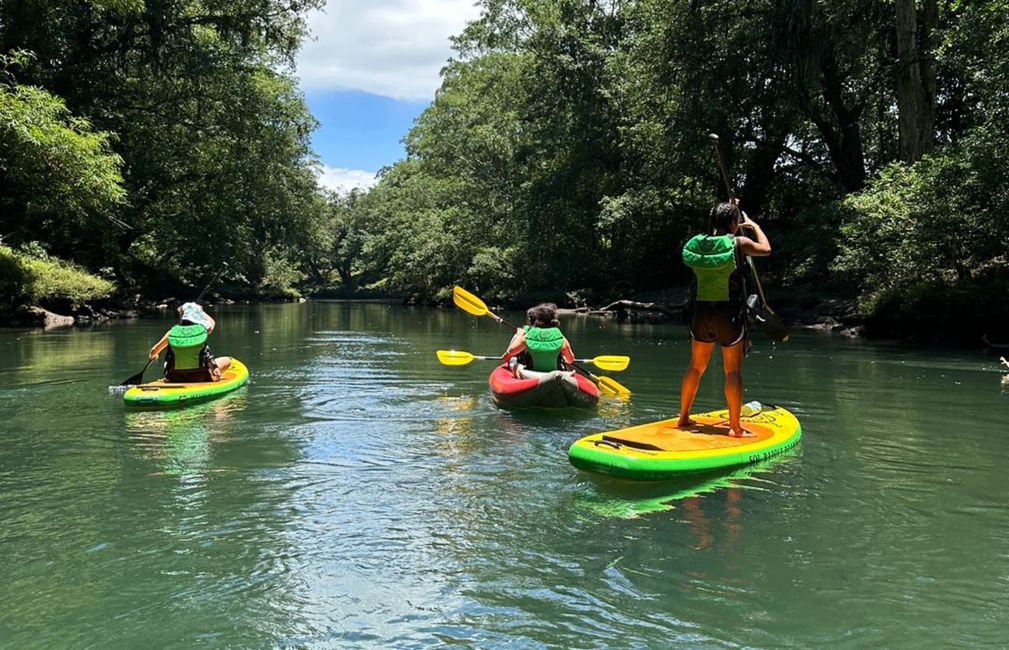

Simple From Start to Finish
Finding a seasonal job, hiring, obtaining a visa, getting ready for the trip, dealing with taxes and paychecks, complying with regulations – a work and travel experience can be complicated. It doesn’t have to be. And with CIEE Work & Travel USA, it isn’t.
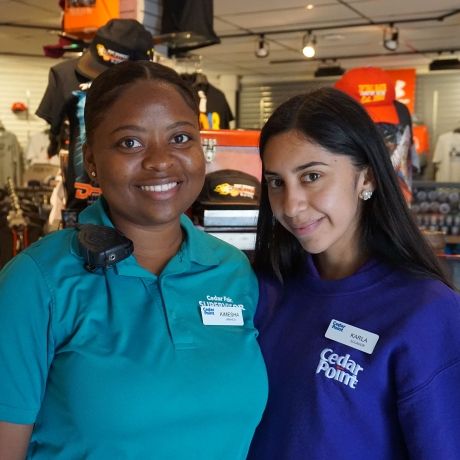
Simple Hiring Process
CIEE works with more than 70 of the most reputable international representatives in the world. We make hiring easy through our own overseas job fairs, dedicated recruiters, and virtual hiring services. Each candidate is pre-screened for English skills, a positive attitude, and team spirit. Students are confident they will fit in, and employers are assured of getting productive seasonal team members.
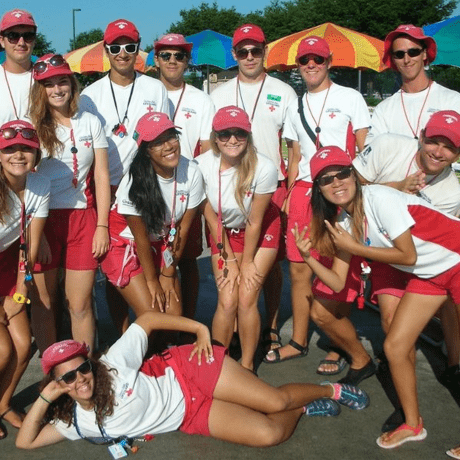
Thorough Preparation
We take the time to make sure every student is ready for his or her cultural exchange experience, months ahead of departure. We walk them through the process with clear instruction and assistance for everything from obtaining a visa to travel advice. There’s also an in-depth online orientation about living and working in the United States.
Constant Communication
CIEE remains in touch with all of the CIEE Work & Travel USA students throughout the program. We offer tips on living in America, reminders about regulations, and great information on how to make the most of their American experience. There is also a CIEE Work & Travel USA community on Facebook where students can connect and share their journey of discovery with the world.
 Connecting Global Leaders, Creating Lasting Impact
Led by the U.S. Department of State in partnership with organizations like CIEE, BridgeUSA brings together the next generation of current and emerging young leaders through unmatched cultural and professional exchange programs.
Learn more about BridgeUSA