
Study Abroad in Palma de Mallorca
College Study Abroad

Explore Palma de Mallorca with CIEE
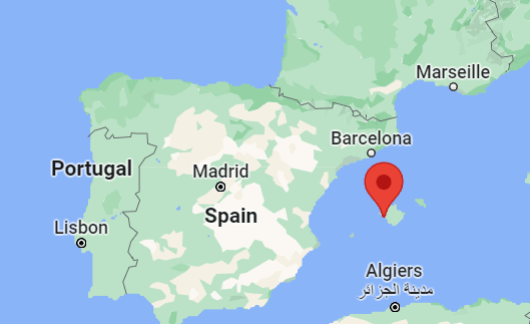
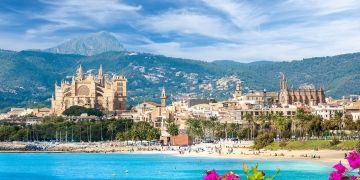
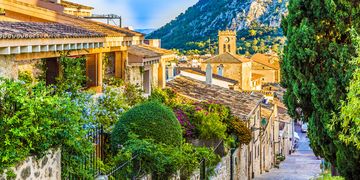
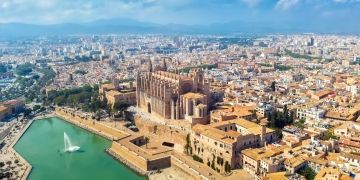
Head to the Mediterranean and study abroad in Palma de Mallorca, Spain, where island life meets historic charm. Walk through the narrow stone alleys of the old town, grab an ensaïmada from a local bakery, or take in the Gothic beauty of La Seu Cathedral rising over the sea. Spend time exploring the local markets of Santa Catalina or S'Olivar, lounging at Illetas beach, or hiking the trails of the Serra de Tramuntana. With open-air festivals, fresh seafood by the harbor, and weekend ferry trips to nearby islands, Palma de Mallorca study abroad offers a coastal rhythm that blends culture, nature, and everyday adventure.
While abroad, students may complete a full- or part-time internship in Palma de Mallorca, gaining real-world international work experience and developing valuable professional skills. Internships are available across diverse industries, including business, marketing, arts, sustainability, and more, providing a well-rounded perspective of today's global job market and enriching the overall study abroad experience. See for yourself what the city’s rich history, quaint squares, stunning beaches, and bustling modern lifestyle have to offer when you study abroad in Palma!

Top Activities in Palma de Mallorca with CIEE
At CIEE Palma, our students enjoy frequent cultural excursions and activities uniquely designed to complement the program’s academics and enhance students’ cultural immersion. In Palma de Mallorca, past study tours and excursions have included:
- Visits to World Heritage Site Sierra de Tramuntana, Mallorca’s most important and stunning mountain range, which forms the northern backbone of the country
- Sightseeing at scenic points of interest, including Cape Formentor, the northernmost point of the island, the white sand beaches of Es Trenc, and Mondragó, a natural park
- Learning to appreciate the savor and vintage of wine during a visit to Mallorca’s traditional winery, Macià Batle
About CIEE Palma
CIEE Palma occupies the second floor of ELE USAL, a language academy affiliated with Universidad de Salamanca. This location is quite lively, with students from around the world studying here to learn Spanish. The Center features a student lounge, a student life office, and complimentary WiFi. CIEE Palma and ELE USAL share select facilities and amenities, including classrooms, computer labs, copy centers, and a modest study space. Students interested in biking to the Center will be interested to know the city of Palma offers a biking service to students, with a bike path right near campus.
Beyond CIEE Palma, students will find a variety of conveniences, including shops, restaurants, cafeterias, supermarkets, two public libraries (Can Sales and Misericordia), Palma's most popular department store (Corte Inglés), and bus stops. The Center is also within walking distance of Palma's police station, a private hospital, the waterfront, and the city's main square, Plaza de España.
It is also worth noting that CIEE Palma is near Universitat de les Illes Balears (UIB), CIEE's esteemed partner institution, where students may access UIB's libraries.


Experience CIEE Palma

Academics in Palma de Mallorca
CIEE Palma de Mallorca
Our location in Palma de Mallorca places students in the heart of Palma de Mallorca, where the center offers easy access to historic architecture, seaside promenades, and local markets.
Universitat de les Illes Balears (UIB)
Established in 1978 and descendent of Mallorcan universities dating back to the fifteenth century. UIB is a public institution with 13,000 students specializing in 36 different majors. UIB is a university rooted in the culture and identity of the Balearic Islands and the Mediterranean, with a strong commitment to serving society, sustainability, and respect towards the environment. UIB Campus is 4 miles from downtown Palma by Serra de Tramuntana World Heritage Site mountains. It is well connected to the center of Palma and 15-minutes by metro.
Arizona State University (ASU)
Brought to you by CIEE in partnership with ASU, enhance your international coursework with online classes that align with your degree requirements. ASU offers thousands of online courses in asynchronous 7.5-week sessions that fit within the CIEE academic calendar.

Internships in Palma de Mallorca
Depending on your program of study and availability, you may be able to participate in an international internship while studying abroad in Palma de Mallorca. As one of the Mediterranean’s leading travel destinations, Palma’s work scene is centered around tourism, hospitality, and international business. The city is also home to growing innovation hubs like Parc Bit, where startups and tech-focused companies are creating new opportunities across emerging industries. With a strong international presence and collaborative team environments, Palma offers a dynamic yet relaxed professional setting shaped by a culture that values both productivity and quality of life. You may find opportunities in industries such as:
- Architecture + Construction
- Arts, Audio/Video Technology + Communications
- Business Management + Administration
- Hospitality + Tourism
- Human Services
- Marketing, Sales + Service

Community Impact Initiative in Palma de Mallorca
CIEE’s Community Impact Initiative invites you to connect more deeply with Palma de Mallorca by becoming an active member of its community. You’ll work alongside local organizations on projects that reflect real, on-the-ground needs, building relationships, gaining cultural insight, and contributing to meaningful, lasting impact. Your experience may span key focus areas like Food Security, Community Development + Public Health, and Youth Development + Education initiatives.
In Palma de Mallorca, your service work may include:
Supporting food distribution efforts for vulnerable populations with Food Bank of Mallorca
Assisting with community support and care initiatives through Llar d'Ancians - C. de Mallorca
Engaging in educational and community programs that promote sustainability and cultural diversity with Saint Vincent de Paul School
Study Abroad Programs in Palma
- Palma de Mallorca, Spain
- Study Program

- Palma de Mallorca, Spain
- Study Program
- Part-Time Internship

- Palma de Mallorca, Spain
- Full-Time Internship

- Palma de Mallorca, Spain
- Study Program
- Part-Time Internship
- Palma de Mallorca, Spain
- Study Program
- Full-Time Internship

- Palma de Mallorca, Spain
- Study Program
- Part-Time Internship

- Palma de Mallorca, Spain
- Study Program
- Palma de Mallorca, Spain
- Study Program
Pocket Guide to Palma de Mallorca
Currency
Euro
Spoken Languages In Palma de Mallorca
Castilian (Spanish), Catalan (Mallorquin dialect), and English
Available Transportation
Taxi, Bus, Train
Climate
Hot, bright, and humid summers and mild, sunny winters
Places To Explore
Castell de Bellver – a hilltop castle dating back to the 1300s offering panoramic views of the city
Famous Local
Rafael "Rafa" Nadal, a superstar tennis player
Airport
Palma de Mallorca Airport (PMI)
Social Norms
It is considered rude to play loud music on the island's 250+ beaches and some beaches may even prohibit it
What to Pack
Swimwear, sunglasses, sunblock, a light jacket, and comfortable shoes
Live from Palma
Frequently Asked Questions
Palma de Mallorca is considered a great location to receive a high-quality education and learn from world-class professionals. Students interested in business, hospitality, tourism, and environmental sustainability, in particular, will have many opportunities to learn from and experience Palma’s booming economy.
Read more: The Ultimate Guide to Studying Abroad in Palma de Mallorca
Palma de Mallorca is considered a safe city in Spain, although petty crime and pickpocketing may occur. As with any study abroad destination, we recommend that students keep their belongings secure, stay aware of their surroundings, and travel in groups when possible.
Dubbed “The Pearl of the Mediterranean,” Palma de Mallorca is known for its bustling, modern, cosmopolitan lifestyle, charming city squares, authentic bars and restaurants, vibrant neighborhoods, and pristine, picturesque beaches.
Read more: Mallorca Travel Guide: Everything You Need to Know
Palma is Mallorca’s capital city and greatest treasure, with many exciting sights and landmarks to offer. From sunbathing on the city’s diverse beaches to going scuba diving, participating in wine tastings, visiting Catedral-Basílica de Santa María de Mallorca, and more, there are plenty of ways to make the most of your time in Palma!
The cost of studying abroad in Palma varies depending on the specific program that you choose and how long you plan to study abroad for. For detailed cost information, we recommend researching each individual Palma study abroad program page.
For costs not included in your program’s outlined fees, it’s important to consider factors surrounding your individual journey while abroad.
Read more: How Much Does it Cost to Study Abroad?
Yes, you can absolutely complete an internship abroad in Palma with CIEE. Our international internship programs allow college students to choose from a variety of full- and part-time internships abroad in a variety of fields, including manufacturing, finance, hospitality, healthcare, public policy, and more!
Search our internship opportunities to get started!
Study Abroad Scholarships & Grants

Apply in 1,2,3!
You may be wondering if there are any scholarships to study in Palma de Mallorca. CIEE offers scholarships and grants for study abroad programs in Palma de Mallorca to students with demonstrated financial need, proven academic merit, and for specific CIEE programs. Students can apply for scholarships through 3 simple steps:
- Search for and apply to your dream program
- Review all available funding opportunities
- Complete the Scholarship & Grants portion of your application
Study Abroad Scholarships
Need-Based Scholarships
Based on students' Estimated Family Contribution (EFC) from their Free Application for Federal Student Aid (FAFSA) and enrolled institution. Complete the Scholarships & Grants portion of your program application to be considered for all awards to which you are eligible.
Merit Scholarships
Based on academic achievement. Complete the Scholarships & Grants portion of your program application, along with an essay, to be considered for all awards to which you are eligible.
Other Scholarships
Other scholarship awards are based on program or alumni status.
Palma Blog Posts
The Ultimate Guide to Studying Abroad in Palma de Mallorca
Basking in Spain’s island life would be a fine way to study abroad. Don’t you think? Not only can CIEE make it happen, but in Spain’s captivating Palma de Mallorca... keep reading
Mallorca Travel Guide: Everything You Need to Know
For students looking for a unique study abroad experience, we have just the thing at CIEE: Island life. And what better place to bask in island life than on Mallorca... keep reading
Is Uber in Spain? Top 5 Travel Apps to Use in Spain
You’re already doing something right if you’re considering a study abroad program in Spain . Now for the fun part: planning your adventures while you’re there. Unfortunately, sorting through the... keep reading