
Study Abroad in Madrid
College Study Abroad

Explore Madrid with CIEE
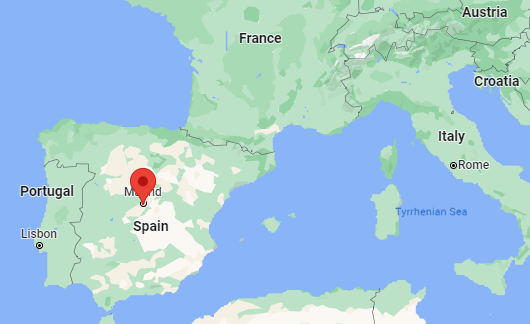
Experience the buzzing energy of Spain’s capital when you study abroad in Madrid. Start your morning with a café con leche and a walk through Retiro Park, then head to class in the fast and clean metro. In the afternoon, browse masterpieces at the Prado Museum, grab a calamari sandwich near Plaza Mayor, or join locals for tapas in Charmartín as the sun goes down. Catch a Real Madrid game at Santiago Bernabéu stadium, bike in the Madrid Rio park, or take a weekend trip to nearby cities like Toledo or Segovia. With its rich artistic heritage, food lifestyle, and strong sense of local identity, Madrid study abroad promises an adventure full of flavor, rhythm, and discovery.
Round out your experience abroad by adding a full- or part-time internship in Madrid to gain practical, real-world work experience in a local Spanish business or an international organization. Whether you’re interested in marketing, sustainability, or the arts, interning in Madrid will give you a taste of the global job market and help build your career skills in the real world. From the city’s rich history and vibrant arts scene to its bustling urban life, you are in for an unforgettable adventure when you study abroad in Madrid!
Top Activities in Madrid with CIEE
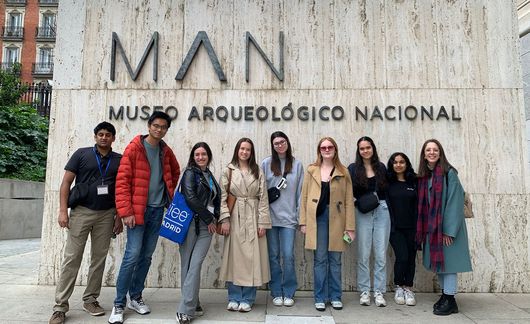
Every CIEE program has frequent cultural excursions uniquely designed to complement the program’s academics and enhance students’ cultural immersion. In Madrid, past excursions have included:
- The Monastery of El Escorial, the Roman architecture of the city of Segovia, or the UNESCO World Heritage Site of Alcalá de Henares
- Visits to Seville, Barcelona, Granada, Bilbao, the Canary Islands, or Morocco
- Cooking classes, flamenco lessons and shows, visits to the Rastro open-air market, local festivals, and celebrations in and around the city
About CIEE Madrid
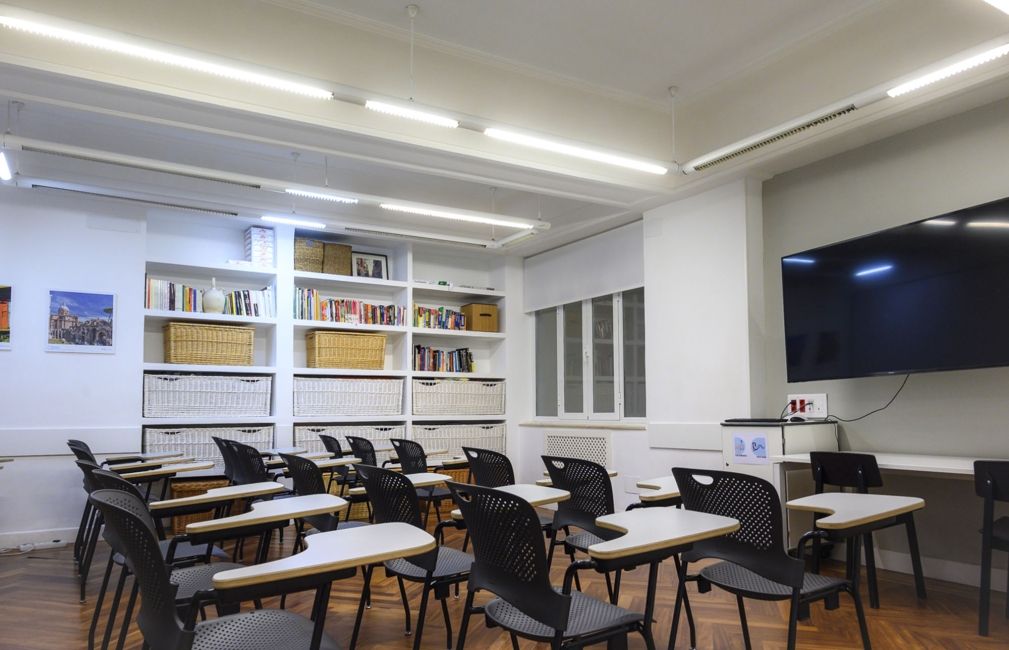
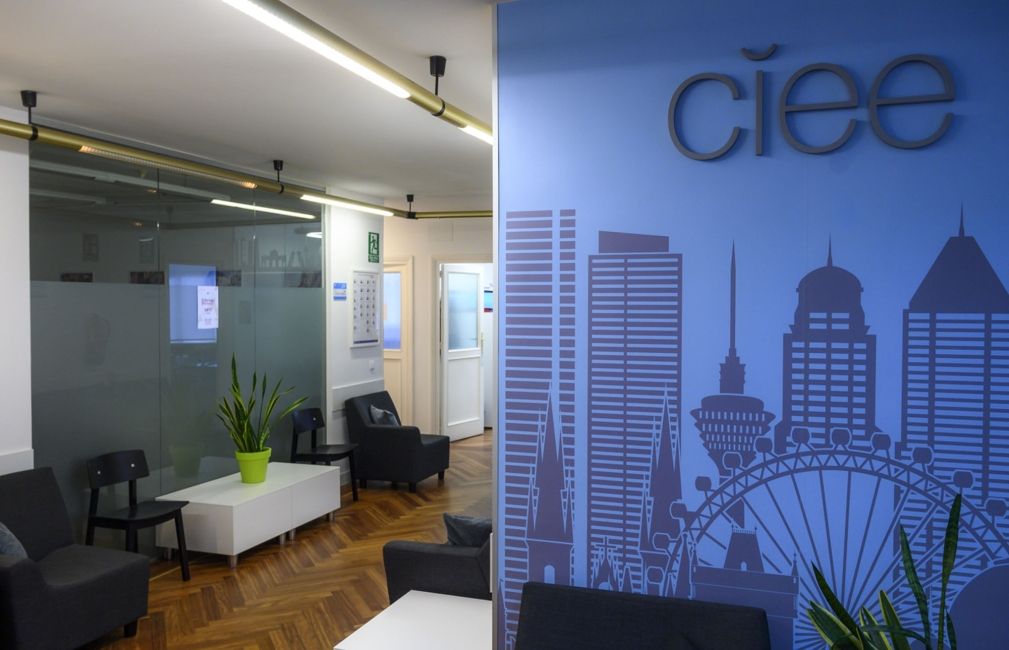
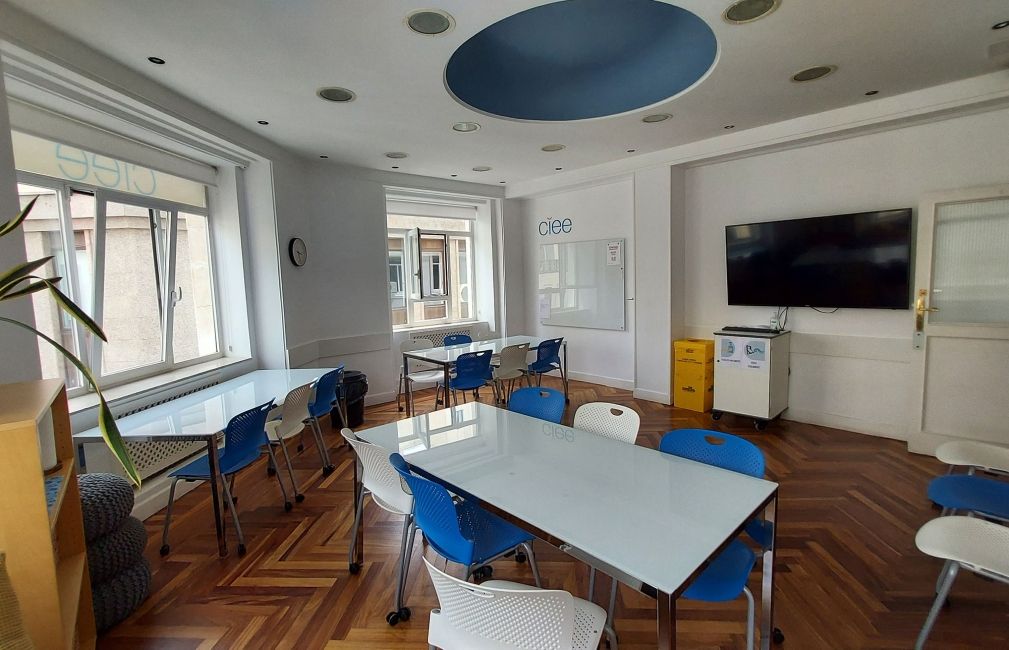
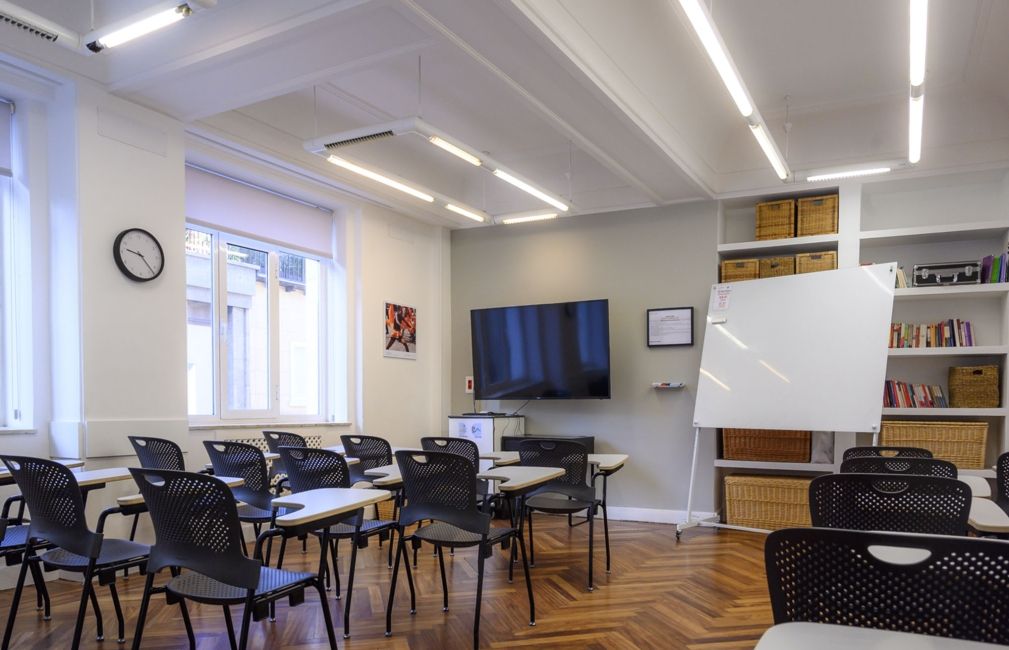
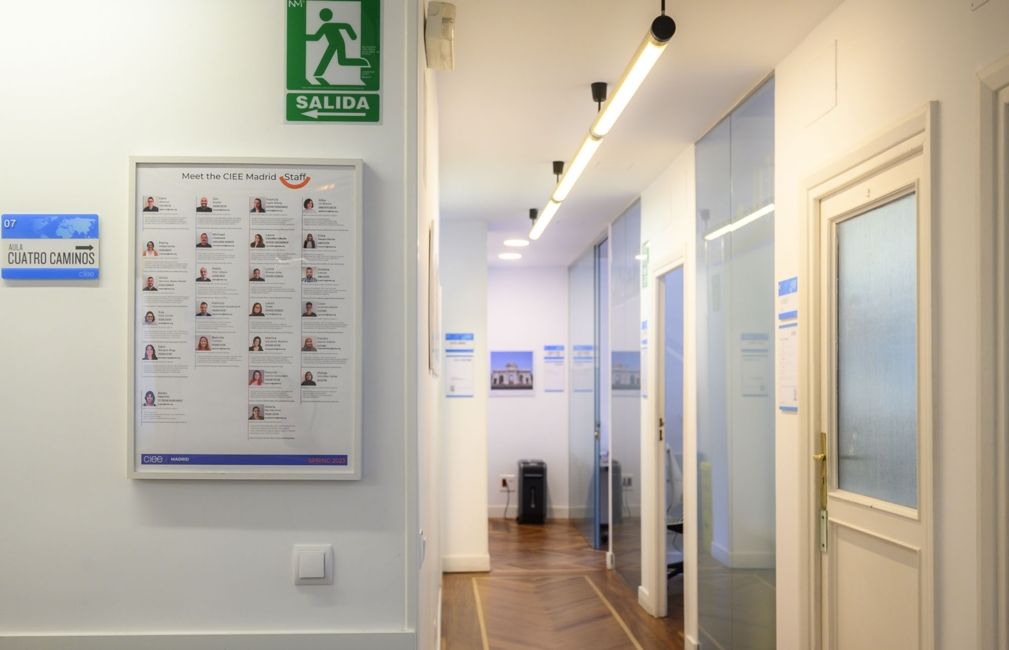
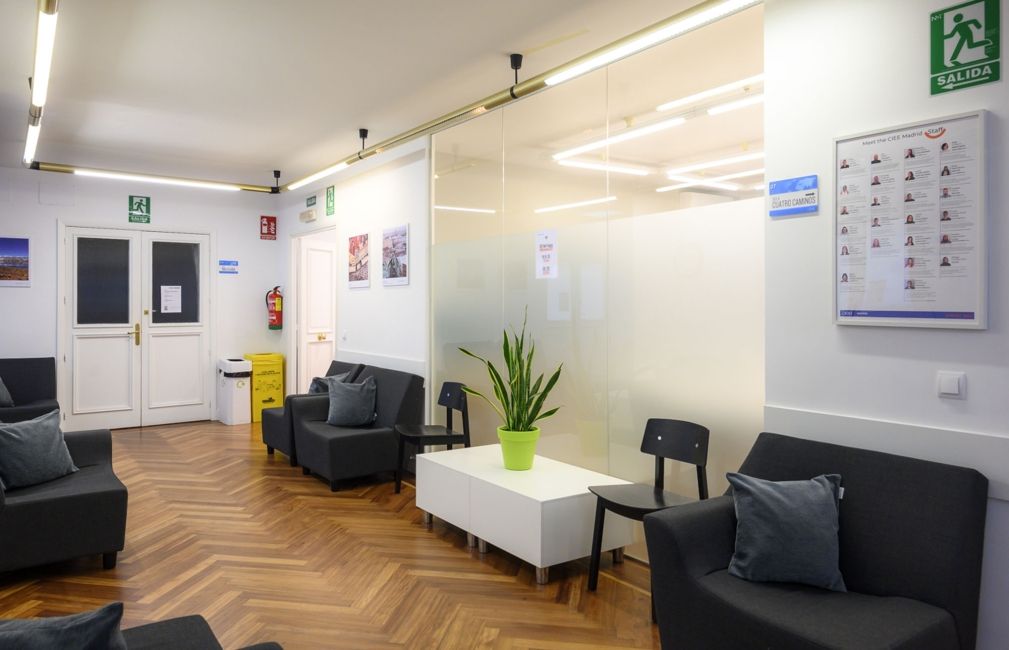
Located in the historic center of Spain's capital near Puerta de Sol, CIEE Madrid features five classrooms, a student lounge, an academic advising office, a student life office, and complimentary WiFi. The Center is conveniently located near shops, cafés, tapas bars, theaters, museums, copy centers, and metro stations.
Beyond campus, students will discover they're within minutes of the Spanish Congress, Museo Prado, and the LGBTQ+ district of Chueca. Students are also encouraged to visit the free public libraries around Madrid!



Academics in Madrid
CIEE Madrid
Our Center in Madrid is part of the CIEE Open Campus Block Network. Located near the Puerta de Sol, the Institute includes classrooms, lounges, Wi-Fi, and full-time staff.
Universidad Carlos III de Madrid (UC3M)
Established in 1989, UC3M received the European Campus of Excellence award in 2010 and is recognized as Spain’s most prestigious institution of higher education. It follows a U.S. academic calendar and has one of the highest percentages of full-time and tenured female faculty in Spain.
Fundación Ortega y Gasset-Marañón (FOM)
FOM is a private institution that is the result of the merger, in 2010, of the José Ortega y Gasset and Gregorio Marañón foundations. Its work is aimed at promoting culture, training and research, as well as creating a space for plural and independent thought within the fields of social sciences, humanities and health sciences.
Universidad Nebrija
Nebrija University is a private university based in Madrid, Spain, named after Antonio de Nebrija, 15th c. author of the first Spanish language dictionary. It has operated since 1995, and its main campus is headquartered in Madrid's city center district of Argüelles.
Arizona State University (ASU)
Brought to you by CIEE in partnership with ASU, enhance your international coursework with online classes that align with your degree requirements. ASU offers thousands of online courses in asynchronous 7.5-week sessions that fit within the CIEE academic calendar.

Internships in Madrid
Depending on your program of study and availability, you may be able to participate in an international internship while studying abroad in Madrid. As Spain’s capital and economic center, Madrid’s work scene spans industries such as sustainability, nonprofit organizations, tourism, and education. The city’s growing network of coworking spaces supports a flexible, modern approach to work, attracting entrepreneurs, freelancers, and global companies alike. While Spanish is widely used, many organizations operate in international environments, offering opportunities to build cross-cultural communication skills. Blending long-standing traditions with contemporary business practices, Madrid provides a professional setting that is both structured and approachable. You may find opportunities in industries such as:
- Agriculture, Food + Natural Resources
- Arts, Audio/Video Technology + Communications
- Business Management + Administration
- Consumer Goods + Retail
- Education + Training
- Finance
- Hospitality + Tourism
- Human Services
- Information Technology
- Marketing, Sales + Service
- Science, Technology, Engineering + Mathematics
- Transportation, Distribution + Logistics

Community Impact Initiative in Madrid
CIEE’s Community Impact Initiative invites you to connect more deeply with Madrid by becoming an active member of its community. You’ll work alongside local organizations on projects that reflect real, on-the-ground needs, building relationships, gaining cultural insight, and contributing to meaningful, lasting impact. Your experience may span key focus areas like Food Security, Community Development + Public Health, and Youth Development + Education initiatives.
In Madrid, your service work may include:
- Supporting education and holistic development programs for teenage mothers through Fundación Madrina
- Assisting with school-based initiatives that promote nutrition, well-being, and equal opportunities for children through the City of Madrid Volunteer Department
- Contributing to social integration and empowerment programs for refugees and migrants with Madrid for Refugees
Study Abroad Programs in Madrid

- Madrid, Spain
- Study Program
- Part-Time Internship
...for 1, 2, or 3 term blocks!

- Madrid, Spain
- Study Program

- Study Program

- Study Program

- Study Program
- Part-Time Internship

- Madrid, Spain
- Study Program
- Part-Time Internship

- Madrid, Spain
- Full-Time Internship

- Madrid, Spain
- Study Program
- Part-Time Internship

- Study Program
- Part-Time Internship

- Madrid, Spain
- Full-Time Internship

- Madrid, Spain
- Study Program

- Madrid, Spain
- Study Program
- Part-Time Internship

- Madrid, Spain
- Study Program
Pocket Guide to Madrid
Currency
Euro
Spoken Languages
Spanish, English
Available Transportation
Metro, bus
Famous Local
Julio Iglesias – Spanish singer, songwriter, and former professional footballer
Climate
Short, hot, dry summers (June to September); cold, cloudy winters (November to March); mild spring and fall
Did You Know?
Madrid’s classic Spanish restaurant, Sobrino de Botín, was founded in 1725, making it the oldest restaurant in the world
Local Attraction
The Prado – a Spanish national art museum with one of the world’s finest collections of European art
Airport
Adolfo Suárez Madrid-Barajas Airport (MAD)
Social Norms
Summoning a person by curling your index finger toward you is considered offensive
What to Pack
Backpack, comfortable shoes, sunscreen
ASU Online Madrid
Discover how you can connect to a world of online learning wherever you study abroad.
Frequently Asked Questions
For students wondering, “Why should I study abroad in Madrid?” there are several key reasons, including:
1. Madrid is a culturally-diverse city, offering opportunities to immerse yourself in cultures unlike your own
2. Madrid is home to several quality educational institutions
3. Studying in Madrid offers opportunities to learn Spanish abroad
4. Madrid has many local sports teams, most notably the soccer club Real Madrid
Madrid is famous for a number of reasons, including its international football (soccer) team, variety of beaches, jamón ibérico ham, and Prado Museum, to name a few. When you study in Madrid, you can find out for yourself what makes this city so unique and exciting!
A student’s packing list will vary based on the season they’ll experience in Madrid, Spain. For hot, dry summers (June to September), we generally recommend that students pack lightweight, breathable clothing. For cold, cloudy winters (November to March) in Madrid, we recommend that students pack sweaters, boots, a windbreaker, and heavier clothing.
Read more: The Ultimate Guide to Your Study Abroad Packing List (10 Essential Items!)
Madrid is regarded as a very safe city in Europe, but as for any student studying abroad, we recommend that students look out for pickpocketing, keep their belongings near them, and travel in groups when possible.
In order to ensure our students feel welcomed, supported, and empowered while studying abroad, CIEE staff completes comprehensive diversity equity and inclusion (DEI) training. Staff provide students with advice, resources, and ongoing support both before and during their study abroad program in Madrid.
For more detailed information on diversity in Madrid, visit our Diversity in Madrid page.
The cost of studying abroad in Madrid varies depending on the specific program that you choose and how long you plan to study abroad for. For detailed cost information, we recommend researching each individual Madrid study abroad program page.
For costs not included in your program’s outlined fees, it’s important to consider factors surrounding your individual journey while abroad.
Read more: How Much Does it Cost to Study Abroad?
Yes, you can absolutely complete an internship abroad in Madrid with CIEE. Our international internship programs allow college students to choose from a variety of full- and part-time internships abroad in a variety of fields, including manufacturing, finance, hospitality, healthcare, public policy, and more!
Search our internship opportunities to get started!
Study Abroad Scholarships & Grants

Apply in 1,2,3!
You may be wondering if there are any scholarships to study in Madrid. CIEE offers scholarships and grants for study abroad programs in Madrid to students with demonstrated financial need, proven academic merit, and for specific CIEE programs. Students can apply for scholarships through 3 simple steps:
- Search for and apply to your dream program
- Review all available funding opportunities
- Complete the Scholarship & Grants portion of your application
Study Abroad Scholarships
Need-Based Scholarships
Based on students' Estimated Family Contribution (EFC) from their Free Application for Federal Student Aid (FAFSA) and enrolled institution. Complete the Scholarships & Grants portion of your program application to be considered for all awards to which you are eligible.
Merit Scholarships
Based on academic achievement. Complete the Scholarships & Grants portion of your program application, along with an essay, to be considered for all awards to which you are eligible.
Other Scholarships
Other scholarship awards are based on program or alumni status.
Study Abroad Madrid Blog

The Ultimate Guide to Studying Abroad in Madrid
Magnificent Madrid . The most Spanish of all Spain’s cities. The best place to live. The finest people. That is, if you take Ernest Hemingway’s word for it. The literary... keep reading

Best Places to Study Abroad in Spain
Home to sites like the Prado Museum, Camp Nou, and Catedral de Sevilla, Spain is a country rich in culture and history. With so much to see in Europe’s fourth-largest... keep reading

Madrid vs. Barcelona Study Abroad: Which is Better for You?
You’ve decided to study abroad in Spain . Great! Step one is done. Step two: Madrid or Barcelona ? It’s a big decision. Wh ich city in Spain is best... keep reading