
Liberal Arts Language Immersion




Unique Experiences
Immerse yourself in a cosmopolitan hub
and engage with the diverse, university-centered community that thrives in this forward-thinking city
Experience Barcelona's timeless charms
while embracing the city's ancient traditions and modern spirit, fostering a deep connection with the local culture
Accelerate your fluency
through engaging conversations with Spanish peers and bonding with your host family

Your Destination
Barcelona is Spain’s bilingual city where Catalan and Spanish intertwine, creating the perfect environment for language immersion and cultural exploration. Whether you're practicing Spanish with locals in bustling markets, engaging in lively discussions at a traditional café, or exploring the historic streets of the Gothic Quarter, every experience deepens your connection to the language and culture. With a perfect blend of history, modern energy, and artistic expression, Barcelona is the perfect place to study abroad.

Program Highlights
- Academic Courses: Choose from CIEE courses and host institution courses that align with your academic major.
- Optional Internship Placements: Enhance your program with an optional for-credit internship that aligns with your career aspirations.
- Immersive Experiences: Participate in activities, excursions, study tours, and more that showcase your host city's culture, values, and local art, film, music, cuisine, and sports scenes.
- Cultural Projects: Volunteer with members of the local community, join student clubs to socialize with your peers, and attend local workshops and events to get to know your host city.

Excursions & Activities
CIEE’s excursions and cultural activities in Barcelona will open doors for you to explore Spain’s rich diversity, language, culture, history, and timeless beauty in ways that will enhance your time abroad.
Samples of past excursions and activities:
- Trek the Carretera de les Aigües to witness breathtaking panoramic views of the city
- Delight your taste buds with local culinary favorites like churros con chocolate, patatas bravas, and pinchos
- Hike Montserrat's stunning trails and marvel at Barcelona's oldest preserved garden
Please note: Activities are based on past programs and subject to change at CIEE's discretion to adapt to local circumstances and participant feedback. Our goal when arranging activities is always to enhance your experience.
Program Blogs

What Countries Celebrate Halloween?
Ever wondered how Halloween goes down in other parts of the world? Spoiler alert: it's not all about pumpkin carving and candy overload! From Mexico’s Día de los Muertos to... keep reading

Challenges of Studying Abroad You May Face (And How to Overcome Them)
Studying abroad is an adventure of a lifetime, yet like anything, it can come with some challenges and learning curves. After all, you are exploring a (likely) brand new country... keep reading

10 Best Cafes in Barcelona
By: Tara Shadravan I’ve been living in Barcelona for my fourth month now—I know because my 90 day metro pass just expired. I have established my favorite park, mastered the... keep reading
Housing & Meals
Housing
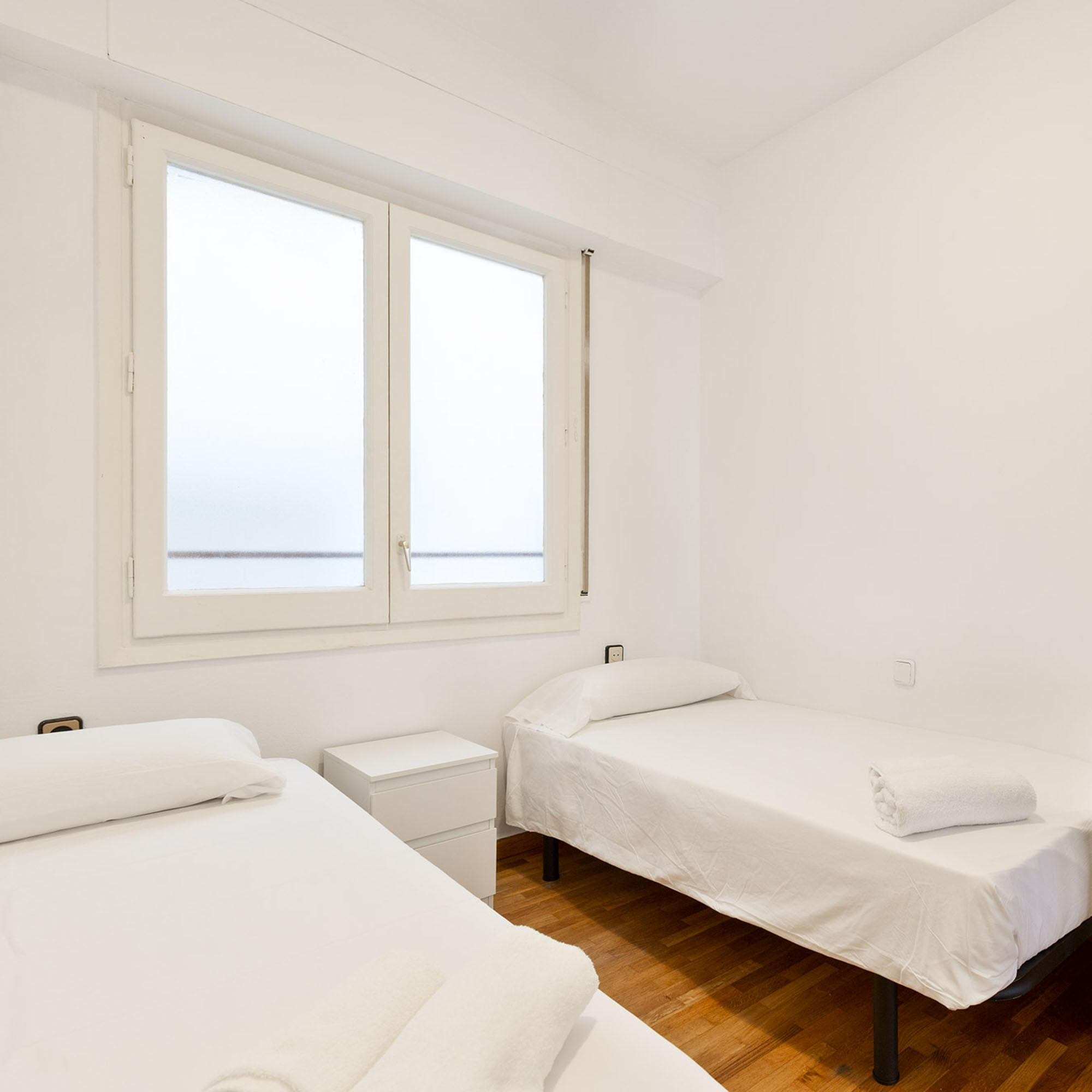
CIEE Barcelona offers diverse housing options to ensure you’re comfortable in your home away from home. From homestays to shared apartments to residence halls, we strive for your accommodation preferences to be met. Additionally, all housing options are located in neighborhoods with convenient access to public transportation, shops, cafés, and eateries.
Standard Housing: Includes a single room in a homestay or at a residence hall located in Barcelona or the metropolitan area within a 60-minute commute by public transportation to the CIEE Center. Homestays feature a kitchen, living room, and bathroom shared with a host family. Residence Halls boast shared kitchens, common areas, and laundry facilities shared with other students.
Select Housing: Includes a double room at a shared apartment located in Barcelona within a 35-minute commute by public transportation to the CIEE Center. Apartments boast shared kitchens, common areas, and laundry facilities shared with other students. Select housing requires an additional fee.
Select Plus Housing: Includes a single room at a residence hall or a shared apartment located in Barcelona within a 35-minute commute by public transportation to the CIEE Center. Residence halls boast shared kitchens, common areas, and laundry facilities shared with other students. Apartments boast shared kitchens, common areas, and laundry facilities shared with other students. Select housing requires an additional fee. Select Plus housing requires an additional fee.
A note: The default criterion to assign housing is first-come, first-served; however, other factors may also be considered. If we cannot accommodate your first housing choice, we'll let you know before you arrive. Non-standard housing options require an additional fee that can be found in the program Dates and Fees.
Meals
- Homestays: Students have breakfast and dinner with their host families, and they are responsible for lunch. Students are not typically permitted to use the stovetop/oven at the host family home.
- Residence Halls and Shared Apartments: Meals are not included.







Academics
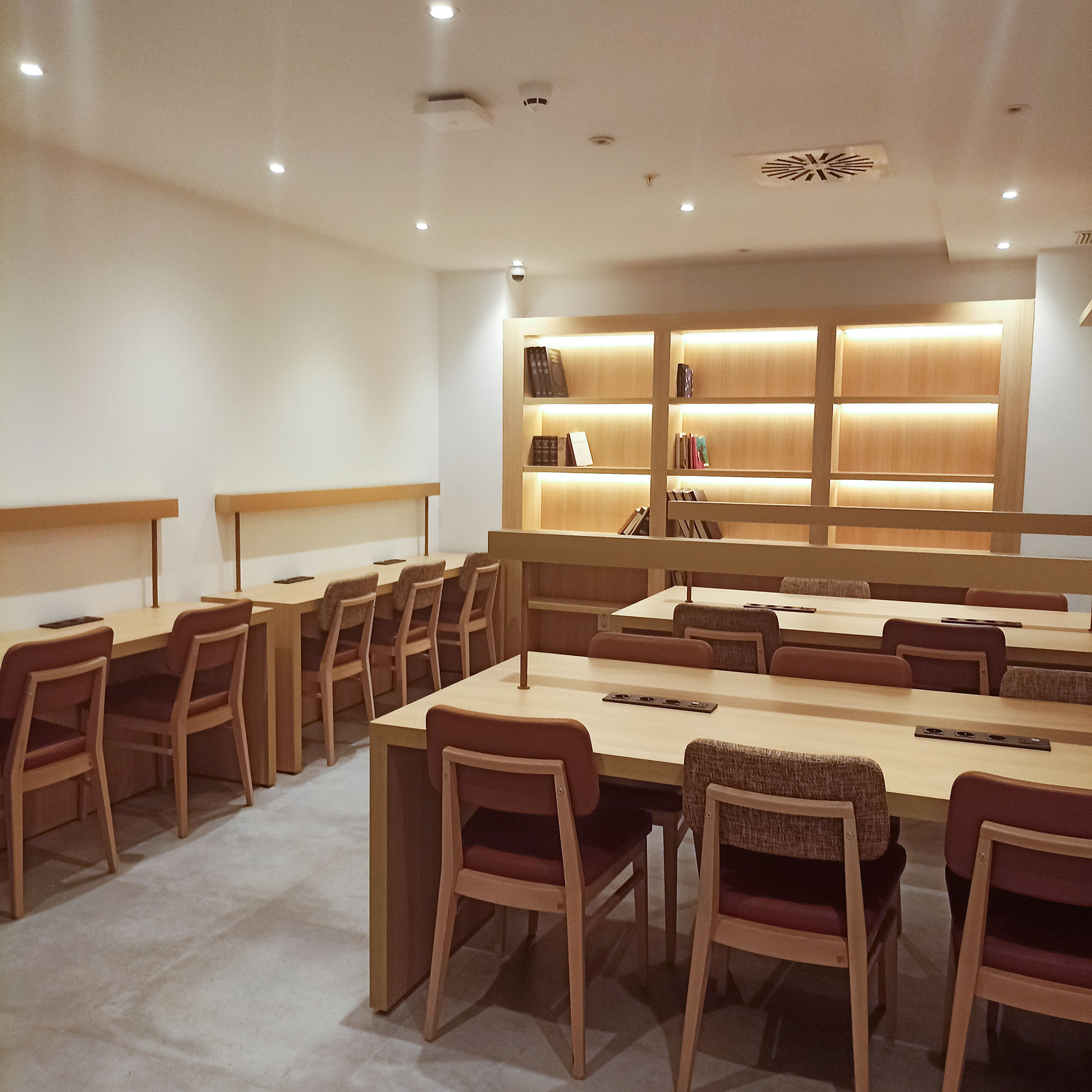
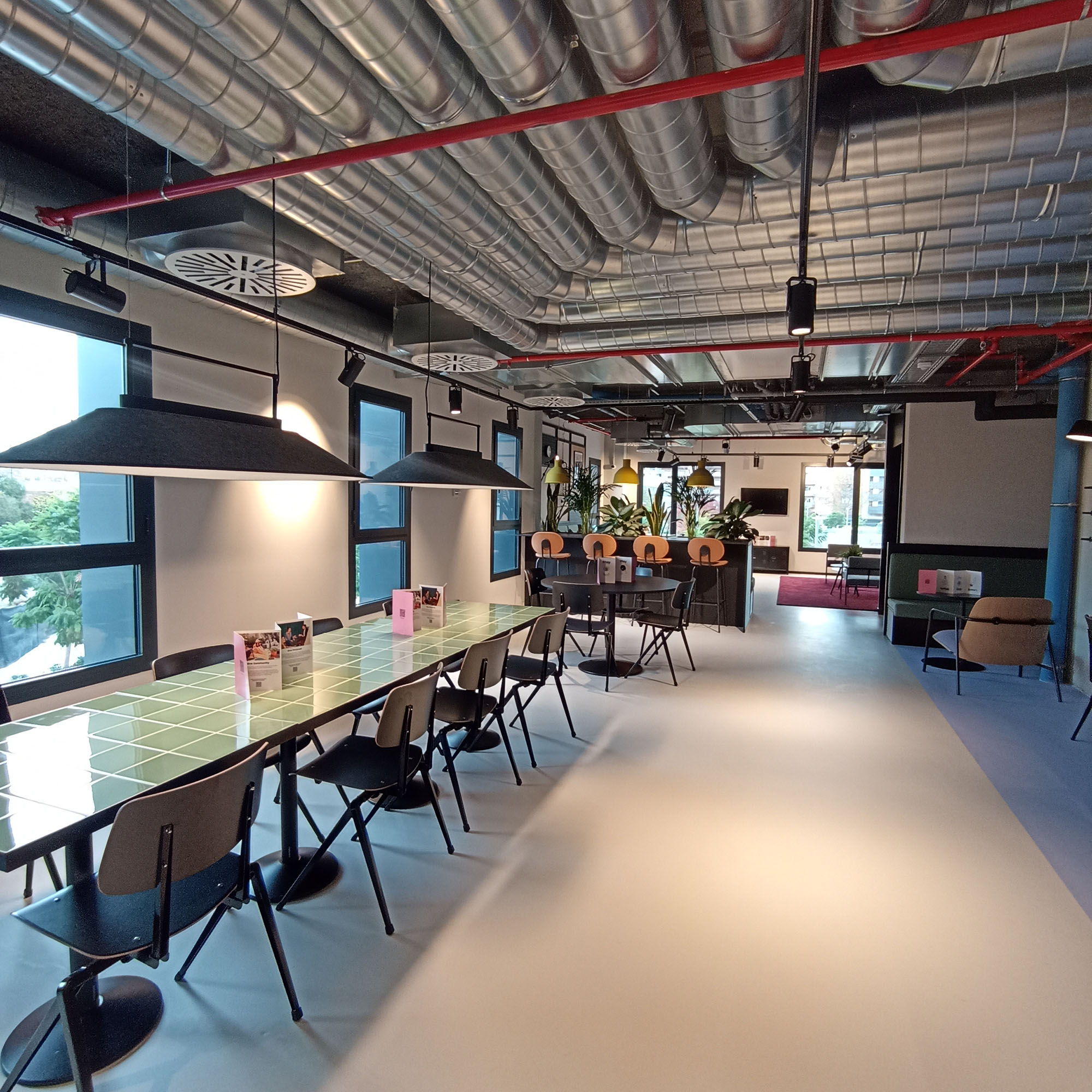
CIEE Barcelona: Study near Barcelona’s main square, Plaça Catalunya, on a beautiful pedestrian passageway, only minutes from cafés, restaurants, and important cultural attractions. CIEE Barcelona features classrooms, a student lounge, conference rooms, and charming 19th-century terraces where students can relax outdoors.
Universitat Pompeu Fabra (UPF) is a highly ranked public university in Barcelona created in 1990 by the Autonomous Government of Catalonia. At UPF, students can take courses with local students through the Department of Economics and Business administration, or with other international students at the Barcelona Program for Interdisciplinary Studies (BaPIS). All courses are usually held at Ciutadella Vila Olímpica Campus.
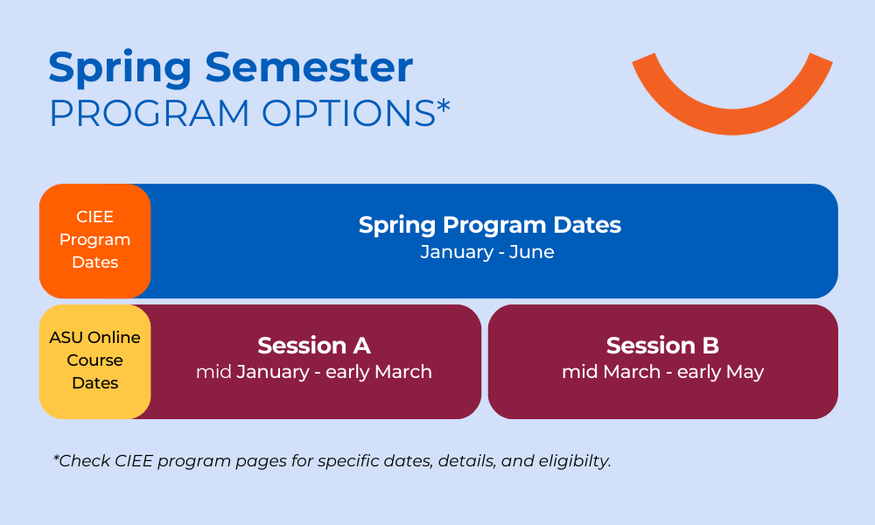
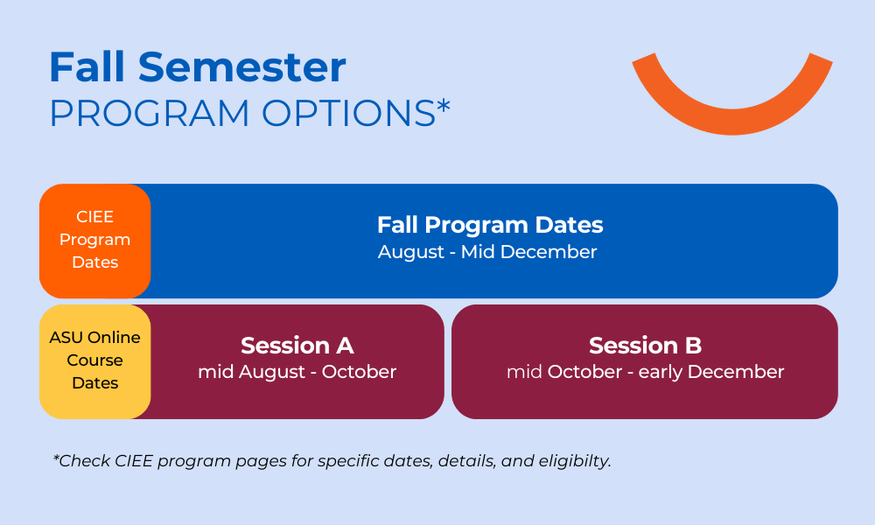
Arizona State University (ASU): Brought to you by CIEE in partnership with ASU, enhance your international coursework with online classes that align with your degree requirements. ASU offers thousands of online courses in asynchronous 7.5-week sessions that fit within the CIEE academic calendar.
Course Information
- Once internship hours are started, students may not drop the internship and take another CIEE course.
- UPF courses are regular UPF classes taught with local students with a different academic system.
- UPF BaPIS courses are for both local and international students.
Academic Projects
History, Philosophy, Religion
Languages and Cultural Studies
Literature, Linguistics, and Writing
Social Sciences
Visual and Performing Arts
Agriculture
Academic Projects
History, Philosophy, Religion
Languages and Cultural Studies
Literature, Linguistics, and Writing
Social Sciences
Visual and Performing Arts
Agriculture
Academic Projects
History, Philosophy, Religion
Languages and Cultural Studies
Literature, Linguistics, and Writing
Social Sciences
Visual and Performing Arts
Agriculture
The following lists of courses constitute representative samples of course offerings through UPF and UPF BaPIS and may vary from semester to semester. Prior to arrival, students will be provided with a list of UPF and UPF BaPIS courses offered for their specific term and year of study.
UPF Barcelona Program for Interdisciplinary Studies (BaPIS)
Courses in Spanish
Course offerings may vary from semester to semester. Courses are 3 U.S. credits.
Syllabi for the courses listed below can be found on the BaPIS website.
Here is a sample of BaPIS courses in Spanish:
- Barcelona, The City, and It's History / Barcelona, la ciudad y su historia
- Literary Texts: Interpret, Dialog, and Create / Textos literarios: interpretar, dialogar, crear
- Activism and Animals Defense in Catalonia, Europe, and The World / Activismo y defensa de los animales en Cataluña, Europa y el mundo
- Climate Emergency, Environmentalism, and Energy Transition / Emergencia climática, ecologismo y transición energética
- What Is News? Truth, Misinformation, and Hegemony / ¿Qué es noticia? verdad, desinformación y hegemonía
UPF Regular courses
The following list is a general selection of regular UPF courses available to international students and is subject to change:
- Prehistory / Prehistoria
- Ancient History / Historia Antigua
- Medieval History / Historia Medieval
- Great Religious Traditions / Grandes Tradiciones Religiosas
- Contemporary Art / Arte Contemporáneo
- Introduction to Literary Studies / Introducción a los estudios literarios
CIEE proudly partners with ASU to deliver asynchronous, 100% online coursework that aligns with your degree requirements from anywhere you study abroad.
CIEE and ASU offer courses online per program eligibility, at no additional charge. Be sure to review online courses with your home school advisor.
Check the CIEE Program Dates and ASU start dates below to maximize course options within your program!
Search ASU Online Courses BROWSE FAQs for more INFO
Note: This course listing is for informational purposes only and does not constitute a contract between CIEE and any applicant, student, institution, or other party. The courses, as described, may be subject to change as a result of ongoing curricular revisions, assignment of lecturers and teaching staff, and program development. Courses may be canceled due to insufficient enrollment.
"(GI)" denotes courses that originated at CIEE's Global Institutes and that are offered at multiple CIEE sites.
Discover Internship Opportunities
We're excited you're considering this program! Next, explore the types of internships you can choose from for an epic internship abroad with CIEE Study Abroad.
Explore Industry Options
Students interning in Barcelona are placed with innovative startups and global organizations across various sectors. The most sought-after profiles are those with interests in business, engineering, marketing, and communication, reflecting the city's vibrant work scene that thrives on creativity and collaboration.

Business Management and Administration
Study international business practices, multicultural leadership, and global market dynamics.

Education and Training
Experience international teaching methodologies and curriculum development in classrooms around the globe.

Marketing, Sales and Service
Explore global market dynamics, cross-cultural consumer engagement, and sales techniques in firms, agencies, and companies.
Browse Internship Opportunities
Explore internship placements available through this program to find the right fit for your academic and professional goals.
Disclaimer: Internship placements are subject to availability and host employer hiring discretion. Application and payment of CIEE fees does not guarantee specific placement. This internship listing is for informational purposes only and does not constitute a contract between CIEE and any applicant, student, institution, or other party.
Scholarships & Grants
CIEE offers scholarships and grants annually to help students like you make your study abroad dream a reality.
Students who apply to this program are eligible for the following scholarships and grants:
- Ping Scholarships for Academic Excellence
- Global Access Initiative (GAIN) Travel Grants
- CIEE Gilman Go Global Grant
- Global Access Initiative (GAIN) Scholars Grants
To be considered, submit the CIEE Scholarships & Grants application within your CIEE program application.
Dates & Fees
You get more for every dollar when you study abroad with CIEE, because our high-quality programs include everything from excursions to insurance. There are no hidden charges, and no disappointing surprises when you arrive.
Program |
Application Due |
Start Date |
End Date |
Fees & Housing |
|---|---|---|---|---|
| Program Spring 2027 16 weeks | Application Due Deadline Passed | Start Date | End Date | Fees & Housing $22,450 |
| Program Fall 2027 16 weeks | Start Date * | End Date * | Fees & Housing $22,450 | |
| Program Academic year 2027-2028 34 weeks | Start Date * | End Date * | ||
| Program Spring 2028 16 weeks | Start Date * | End Date * | ||
| Program Fall 2026 16 weeks | Application Due Deadline Passed | Start Date | End Date | Fees & Housing $21,950 |
| Program Academic year 2026-2027 34 weeks | Application Due Deadline Passed | Start Date | End Date | Fees & Housing $43,275 |
*Dates for this program are provided as tentative dates. Please consult with your study abroad advisor to confirm dates before purchasing your flights.
To help you budget, keep in mind that students are responsible for the cost of international airfare, local transportation, books and supplies, visas, and personal expenses. In addition, your college or university may charge additional fees for study abroad, or may require you to receive a transcript via CIEE's School of Record, which carries an additional fee of $500.
Program Fees
CIEE offers the most student support of any provider in its program fee, including an airport greeting, full-time leadership and support, orientation, cultural activities, local excursions, pre-departure advising, and CIEE iNext travel protection with benefits.
| Participation Confirmation | $500 * |
| Educational Costs | $15,256 ** |
| Housing | $6,500 *** |
| Insurance | $194 |
| Total Fees | $22,450 |
Optional Housing
CIEE accommodation options are detailed in the Housing section. Based on availability, Select or Select Plus Housing can be chosen during the application process for an additional fee. Housing is assigned on a first-come, first-served basis; however, other factors may also be considered.
| Select Housing Fee | $1,600 |
| Select Plus Housing Fee | $2,400 |
Financial Aid
CIEE offers the most grants and scholarships of any study abroad organization, including $8 million/year in travel grants, merit-based scholarships, institutional grants, and Gilman Go Global Grants.
Estimated Costs
Students are responsible and manage costs related to travel, meals, books, and personal expenses. Below are estimates for consideration.
| Meals not included in program fee | $1,530 † |
| International Airfare | $1,250 †† |
| Local Transportation | $82 ††† |
| Books & Supplies | $60 †††† |
| Visa Fees | $160 |
| Potential travel to consulate for visa | $500 |
| Personal expenses | $1,002 ††††† |
| Total Costs | $4,584 |
*non-refundable fee
**Direct cost of education charged uniformly to all students
***Housing fees listed are for financial aid purposes only and should not be considered a basis for calculation of refunds.
†The listed estimated cost is for students in homestays and the additional optional cost for dining out once per week ($460). Families provide 2 meals (breakfast and dinner) and students purchase lunch (there isn’t usually access to a kitchen). For students in apartments, you should budget approx. $266 per month for groceries if you plan on making your own meals, and more if you plan on eating out regularly.
††Round-trip flight based on U.S. East Coast departure, dependent on carrier.
†††Local transportation: €47/$54 T-jove (3-month unlimited public transport rides on metro, bus, and train systems) / €24/$28 T-usual (1-month unlimited rides)
††††Total estimate cost for school supplies the duration of program
†††††Personal expenses may include but are not limited to the following: taxis, social activities and entertainment, toiletries, cell phone (low-cost SIM card with a 30GB-50GB data plan). Does not include personal travel.
Program Fees
CIEE offers the most student support of any provider in its program fee, including an airport greeting, full-time leadership and support, orientation, cultural activities, local excursions, pre-departure advising, and CIEE iNext travel protection with benefits.
| Participation Confirmation | $500 * |
| Educational Costs | $15,256 ** |
| Housing | $6,500 *** |
| Insurance | $194 |
| Total Fees | $22,450 |
Financial Aid
CIEE offers the most grants and scholarships of any study abroad organization, including $8 million/year in travel grants, merit-based scholarships, institutional grants, and Gilman Go Global Grants.
Estimated Costs
Students are responsible and manage costs related to travel, meals, books, and personal expenses. Below are estimates for consideration.
| Meals not included in program fee | $1,530 † |
| International Airfare | $1,250 †† |
| Local Transportation | $84 ††† |
| Books & Supplies | $60 †††† |
| Visa Fees | $160 |
| Potential travel to consulate for visa | $500 |
| Personal expenses | $1,002 ††††† |
| Total Costs | $4,586 |
*non-refundable fee
**Direct cost of education charged uniformly to all students
***Housing fees listed are for financial aid purposes only and should not be considered a basis for calculation of refunds.
†The listed estimated cost is for students in homestays and the additional optional cost for dining out once per week ($460). Families provide 2 meals (breakfast and dinner) and students purchase lunch (there isn’t usually access to a kitchen). For students in apartments, you should budget approx. $266 per month for groceries if you plan on making your own meals, and more if you plan on eating out regularly.
††Round-trip flight based on U.S. East Coast departure, dependent on carrier.
†††Local transportation: €47/$54 T-jove (3-month unlimited public transport rides on metro, bus, and train systems) / €24/$28 T-usual (1-month unlimited rides)
††††Total estimate cost for school supplies the duration of program
†††††Personal expenses may include but are not limited to the following: taxis, social activities and entertainment, toiletries, cell phone (low-cost SIM card with a 30GB-50GB data plan). Does not include personal travel.
Program Fees
CIEE offers the most student support of any provider in its program fee, including an airport greeting, full-time leadership and support, orientation, cultural activities, local excursions, pre-departure advising, and CIEE iNext travel protection with benefits.
Financial Aid
CIEE offers the most grants and scholarships of any study abroad organization, including $8 million/year in travel grants, merit-based scholarships, institutional grants, and Gilman Go Global Grants.
Estimated Costs
Students are responsible and manage costs related to travel, meals, books, and personal expenses. Below are estimates for consideration.
Program Fees
CIEE offers the most student support of any provider in its program fee, including an airport greeting, full-time leadership and support, orientation, cultural activities, local excursions, pre-departure advising, and CIEE iNext travel protection with benefits.
Financial Aid
CIEE offers the most grants and scholarships of any study abroad organization, including $8 million/year in travel grants, merit-based scholarships, institutional grants, and Gilman Go Global Grants.
Estimated Costs
Students are responsible and manage costs related to travel, meals, books, and personal expenses. Below are estimates for consideration.
Program Fees
CIEE offers the most student support of any provider in its program fee, including an airport greeting, full-time leadership and support, orientation, cultural activities, local excursions, pre-departure advising, and CIEE iNext travel protection with benefits.
| Participation Confirmation | $300 * |
| Educational Costs | $15,206 ** |
| Housing | $6,250 *** |
| Insurance | $194 |
| Total Fees | $21,950 |
Optional Housing
CIEE accommodation options are detailed in the Housing section. Based on availability, Select or Select Plus Housing can be chosen during the application process for an additional fee. Housing is assigned on a first-come, first-served basis; however, other factors may also be considered.
| Select Housing Fee | $1,600 |
| Select Plus Housing Fee | $2,400 |
Financial Aid
CIEE offers the most grants and scholarships of any study abroad organization, including $8 million/year in travel grants, merit-based scholarships, institutional grants, and Gilman Go Global Grants.
Estimated Costs
Students are responsible and manage costs related to travel, meals, books, and personal expenses. Below are estimates for consideration.
| Meals not included in program fee | $1,142 † |
| International Airfare | $1,000 †† |
| Local Transportation | $72 ††† |
| Books & Supplies | $60 †††† |
| Visa Fees | $160 |
| Potential travel to consulate for visa | $500 |
| Personal expenses | $210 ††††† |
| Total Costs | $3,144 |
*non-refundable fee
**Direct cost of education charged uniformly to all students
***Housing fees listed are for financial aid purposes only and should not be considered a basis for calculation of refunds.
†The listed estimated cost is for students in homestays. Families provide 2 meals (breakfast and dinner) and students purchase lunch (there isn’t usually access to a kitchen). For students in apartments, you should budget approx. $265 per month for groceries if you plan on making your own meals, and more if you plan on eating out regularly.
††Round-trip flight based on U.S. East Coast departure ranges from $700-1200 dependent on carrier.
†††Local transportation: €44/$48 T-jove (3-month unlimited public transport rides on metro, bus, and train systems) / €22/$24 T-usual (1-month unlimited rides)
††††Total estimate cost for school supplies the duration of program
†††††$100 emergency fund + cell phone expense (low-cost SIM card with a 30GB-50GB data plan) + toiletries
Program Fees
CIEE offers the most student support of any provider in its program fee, including an airport greeting, full-time leadership and support, orientation, cultural activities, local excursions, pre-departure advising, and CIEE iNext travel protection with benefits.
| Participation Confirmation | $300 * |
| Educational Costs | $30,031 ** |
| Housing | $12,750 *** |
| Insurance | $194 |
| Total Fees | $43,275 |
Optional Housing
CIEE accommodation options are detailed in the Housing section. Based on availability, Select or Select Plus Housing can be chosen during the application process for an additional fee. Housing is assigned on a first-come, first-served basis; however, other factors may also be considered.
| Select Housing Fee | $1,600 |
| Select Plus Housing Fee | $2,400 |
Financial Aid
CIEE offers the most grants and scholarships of any study abroad organization, including $8 million/year in travel grants, merit-based scholarships, institutional grants, and Gilman Go Global Grants.
Estimated Costs
Students are responsible and manage costs related to travel, meals, books, and personal expenses. Below are estimates for consideration.
| Meals not included in program fee | $1,142 † |
| International Airfare | $1,000 †† |
| Local Transportation | $72 ††† |
| Books & Supplies | $60 †††† |
| Visa Fees | $160 |
| Potential travel to consulate for visa | $500 |
| Personal expenses | $210 ††††† |
| Total Costs | $3,144 |
*non-refundable fee
**Direct cost of education charged uniformly to all students
***Housing fees listed are for financial aid purposes only and should not be considered a basis for calculation of refunds.
†The listed estimated cost is for students in homestays. Families provide 2 meals (breakfast and dinner) and students purchase lunch (there isn’t usually access to a kitchen). For students in apartments, you should budget approx. $265 per month for groceries if you plan on making your own meals, and more if you plan on eating out regularly.
††Round-trip flight based on U.S. East Coast departure ranges from $700-1200 dependent on carrier.
†††Local transportation: €44/$48 T-jove (3-month unlimited public transport rides on metro, bus, and train systems) / €22/$24 T-usual (1-month unlimited rides)
††††Total estimate cost for school supplies the duration of program
†††††$100 emergency fund + cell phone expense (low-cost SIM card with a 30GB-50GB data plan) + toiletries
What's Included
Tuition
Housing
Pre-departure Advising
Advising before you depart to set goals and answer questions
Optional on-site airport meet-and-greet
Orientation
Introduction to your program plus practical information about living in your host city
On-site Staff
Full-time program leadership and support in your city
Cultural and/or Co-curricular Activities
Excursions and/or Study Tours
Travel Protection
CIEE iNext travel protection
24/7 emergency on-site support
Our Staff

Andrés Tabárez
Center Director

José Luis Espinosa
Academic Director
José Luis is a philologist with a Ph.D. in Modern Languages and Gender Studies from the Universidad de Salamanca (Spain) with a 20-year experience in international education as a teacher, team leader and academic trainer and manager.

Fernando Janeiro
Director of Program Management
Nando holds a Master's Degree in Humanities from Universitat Pompeu Fabra (Barcelona) and is certified as a Spanish as a Second Language instructor.
Get Started
1
2
Connect With Your Campus Study Abroad Office
Share your plans and confirm you're on track to meet all required steps to go abroad.
3
Contact CIEE
We're here to help! Send us an email if you still have questions or need information about applying to this program.
4
Interested in an optional internship?
After being accepted to this program and submitting the required internship documents, work with CIEE staff on your internship goals and select which positions to interview for. CIEE will reach out to companies that would be a good fit for you, your interests, and your qualifications. Finalize your internship placement upon arrival!
You might also like

- Barcelona, Spain
- Study Program
...for 1, 2, or 3 term blocks!

- Madrid, Spain
- Study Program
- Part-Time Internship
...for 1, 2, or 3 term blocks!

- Seville, Spain
- Study Program
...for 1, 2, or 3 term blocks!