
Advanced Liberal Arts
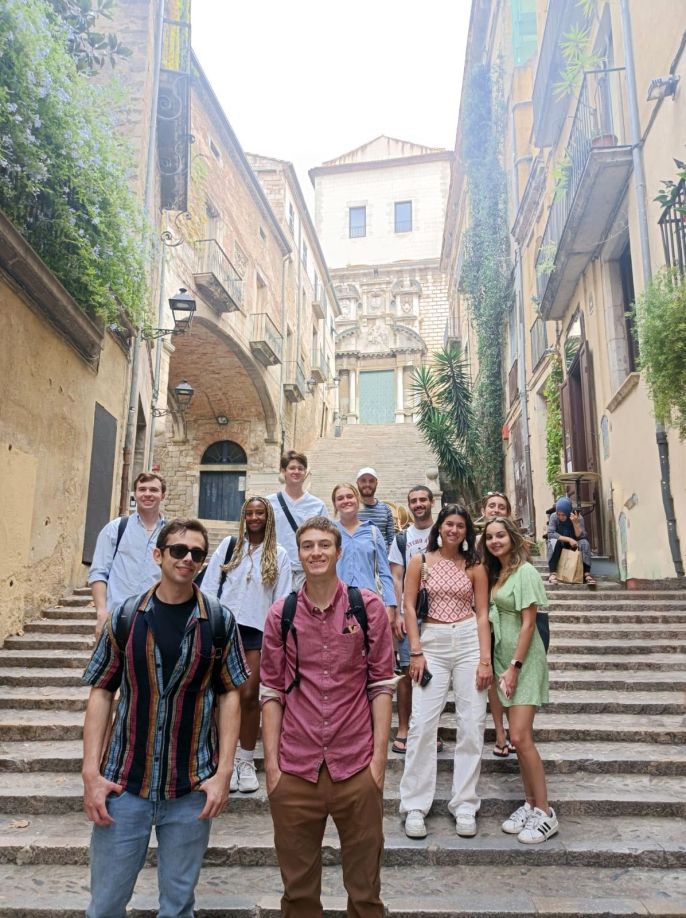

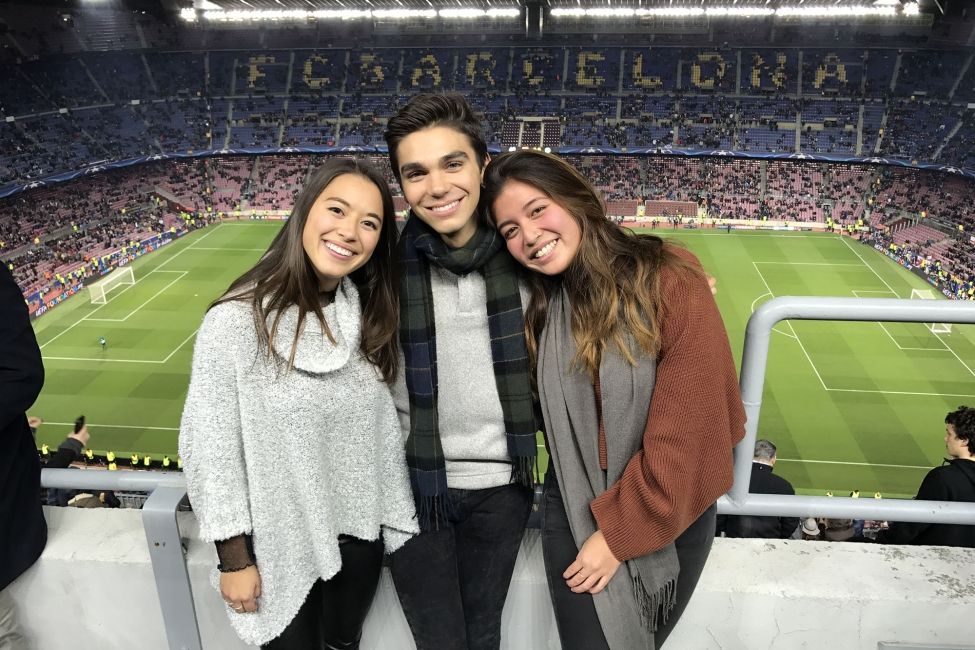

Unique Experiences
Gain fluency fast
by chatting with Spanish peers at the University of Barcelona
Bite into Barcelona's culture
with small-group cooking lessons, foodie tours, and a wine-tasting night
Gain valuable experience
with an internship

Your Destination
Barcelona is Spain’s bilingual city where Catalan and Spanish intertwine, creating the perfect environment for language immersion and cultural exploration. Whether you're practicing Spanish with locals in bustling markets, engaging in lively discussions at a traditional café, or exploring the historic streets of the Gothic Quarter, every experience deepens your connection to the language and culture. With a perfect blend of history, modern energy, and artistic expression, Barcelona is the perfect place to study abroad.

Program Highlights
- Academic Courses: Choose from CIEE courses and host institution courses that align with your academic major.
- Optional Internship Placements: Enhance your program with an optional for-credit internship that aligns with your career aspirations.
- Immersive Experiences: Participate in activities, excursions, study tours, and more that showcase your host city's culture, values, and local art, film, music, cuisine, and sports scenes.

Excursions & Activities
CIEE’s excursions and cultural activities in Barcelona will open doors for you to explore Spain’s rich diversity, language, culture, history, and timeless beauty in ways that will enhance your time abroad.
Samples of past excursions and activities:
- Discover the Gràcia neighborhood, famous for its bohemian and artistic style and streets filled with color and culture
- Hike the Carretera de les Aigües for amazing views over the city
- Dive into the captivating art of flamenco at one of Barcelona's renowned tablaos
Please note: Activities are based on past programs and subject to change at CIEE's discretion to adapt to local circumstances and participant feedback. Our goal when arranging activities is always to enhance your experience.
Program Blogs

EAT, DRINK, EXPLORE: BARCELONA
BEST FOOD TO EAT IN BARCELONA A study abroad trip to Barcelona isn’t complete without tasting Spain’s famous paella. Paella originates from the Valencian region but is internationally recognized as... keep reading
Top 7 Spanish Immersion Programs with CIEE Study Abroad
Let’s be real: There’s no better way to learn Spanish than actually living it. Forget the textbook exercises and Duolingo streaks – envision yourself chatting with locals about fútbol (not... keep reading

How to Study Abroad in Europe: 3 Steps
Europe is the top dog for study abroad students. The latest indication: nearly two-thirds of all U.S. students studying abroad did so in Europe, as reported by the Institute of... keep reading
Housing & Meals
Housing
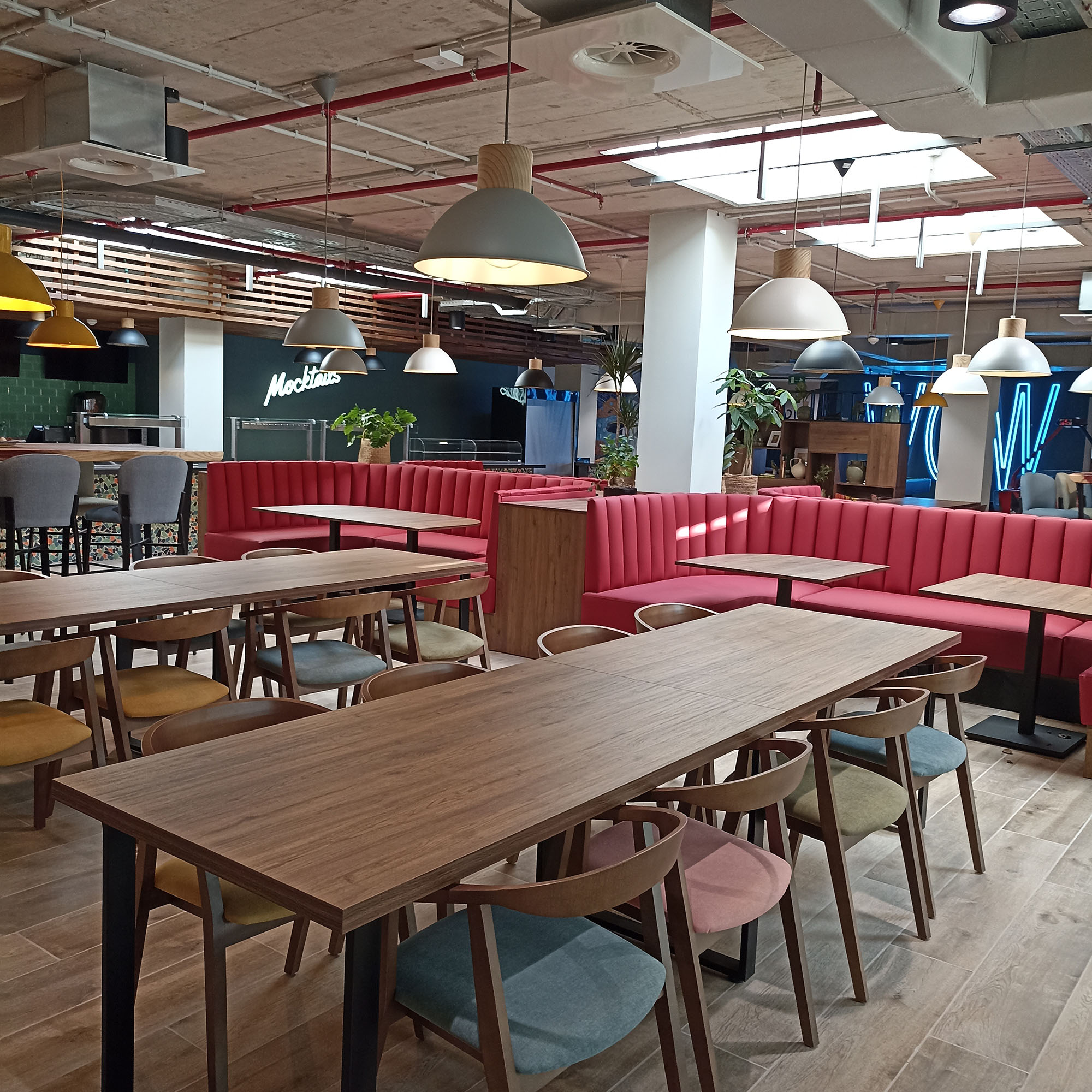
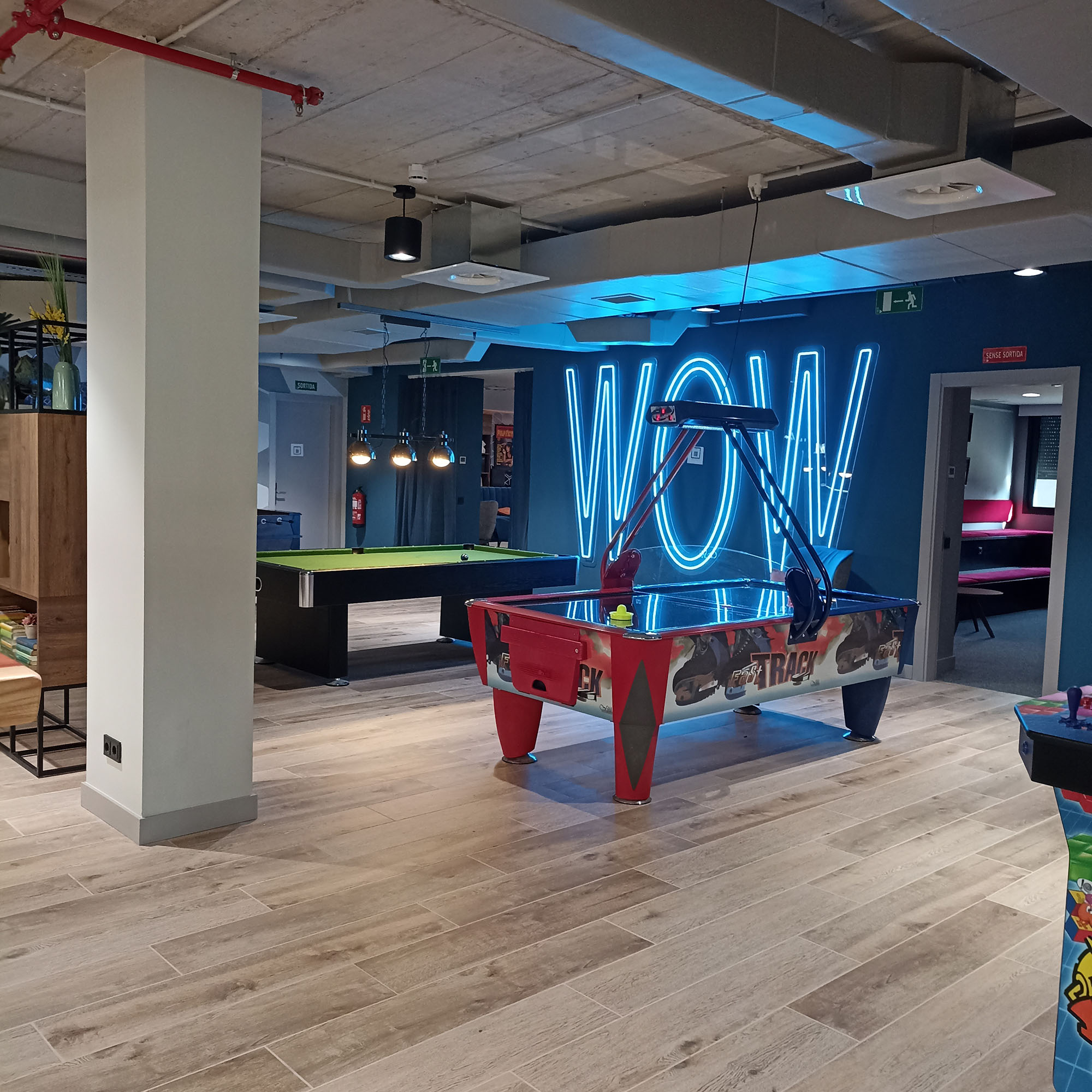
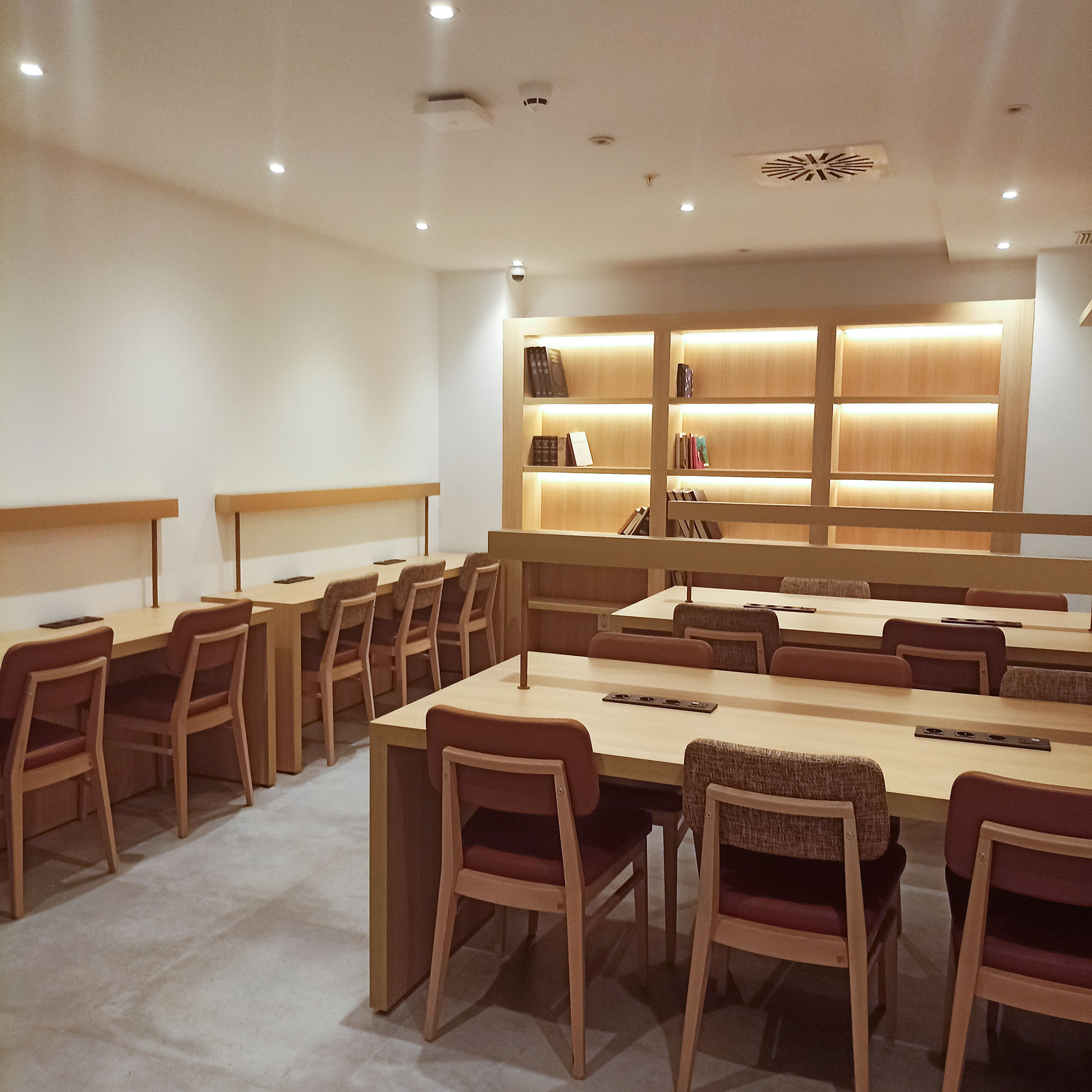
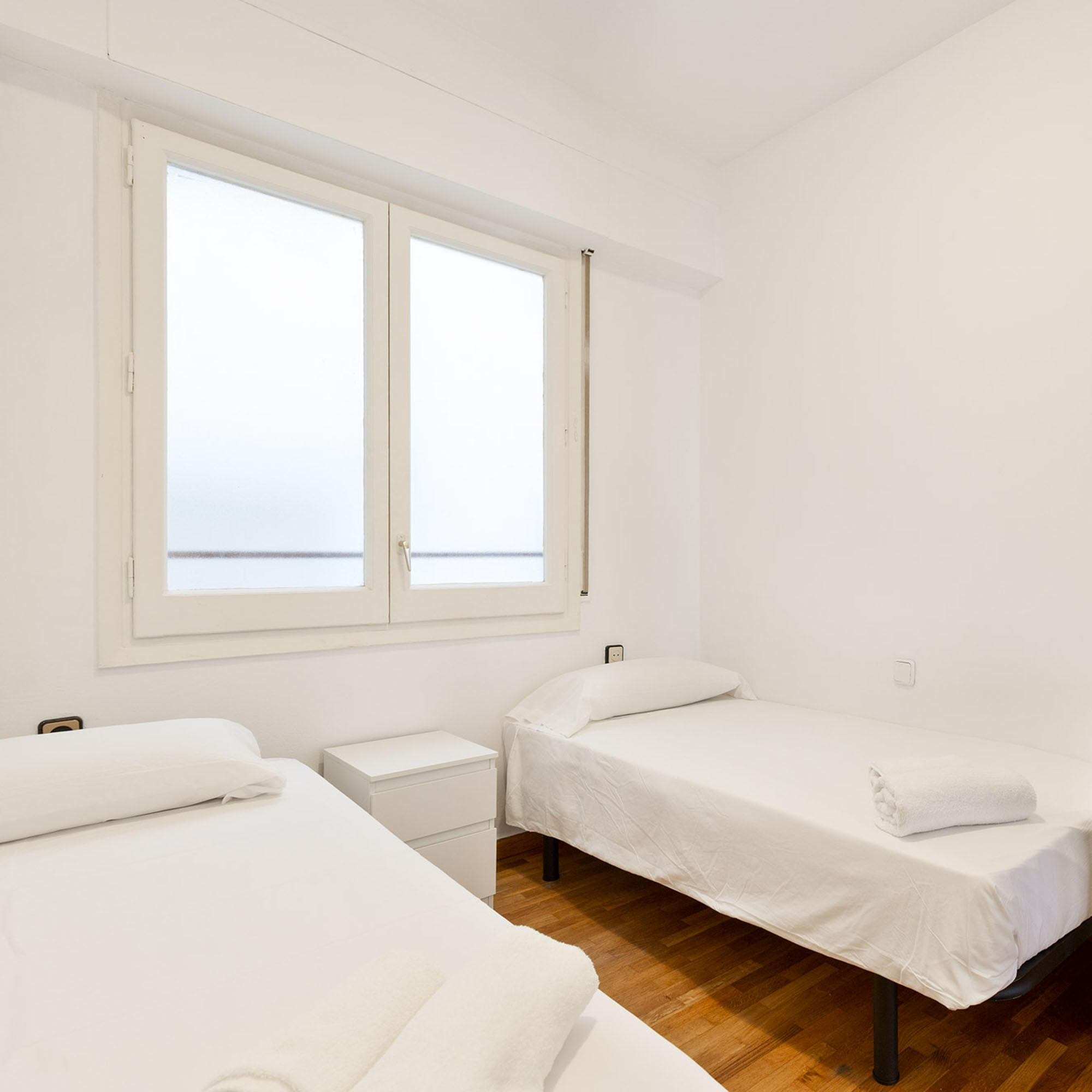
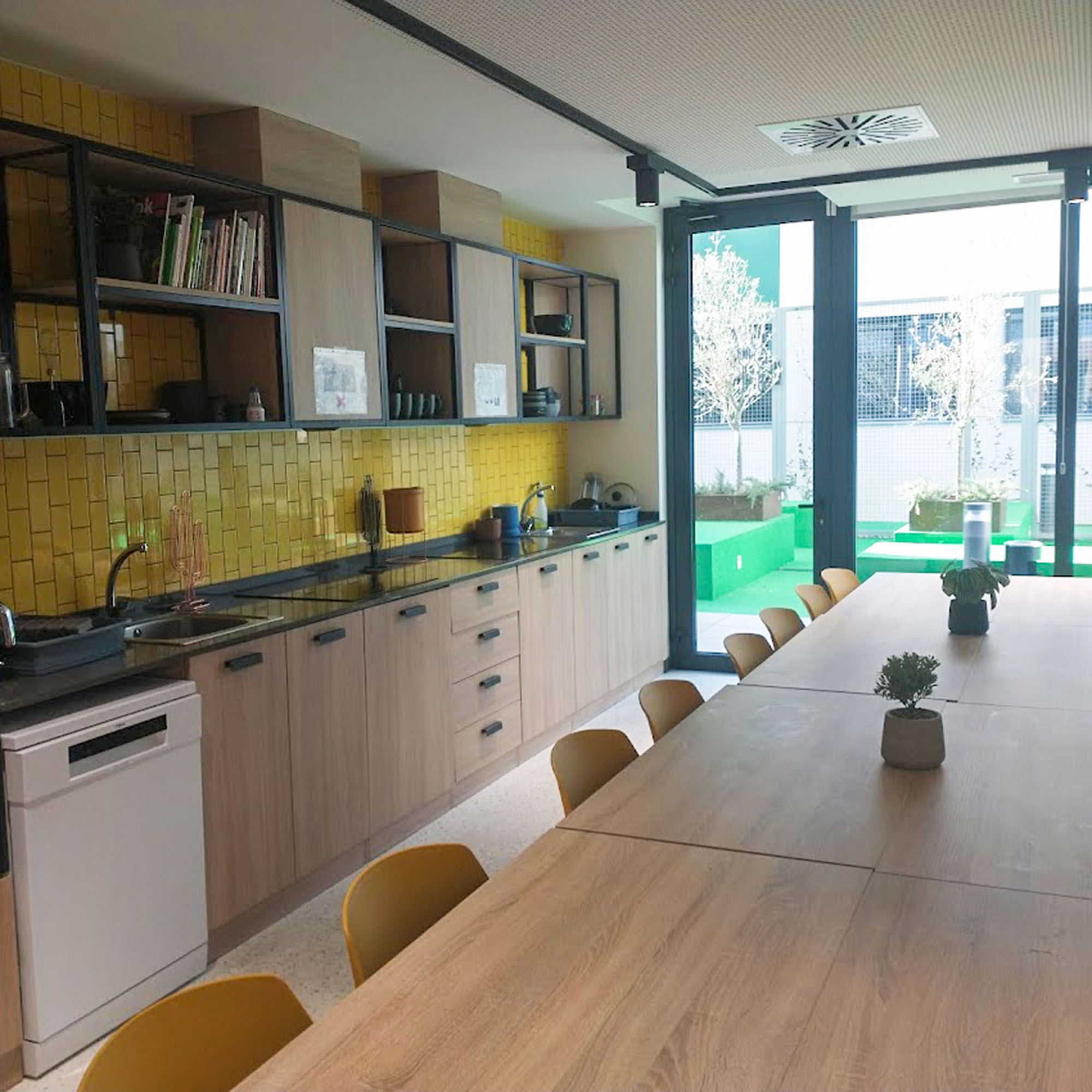
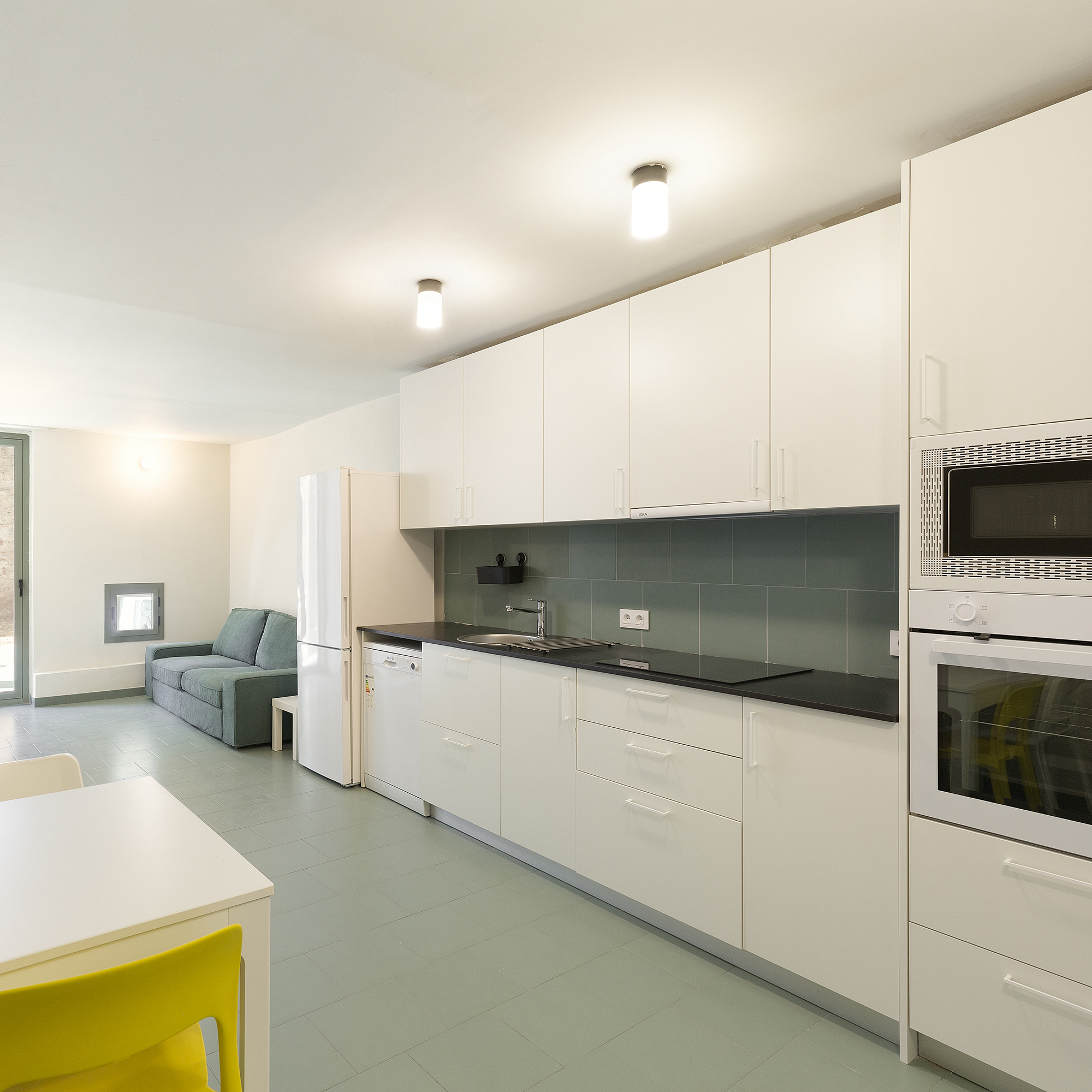
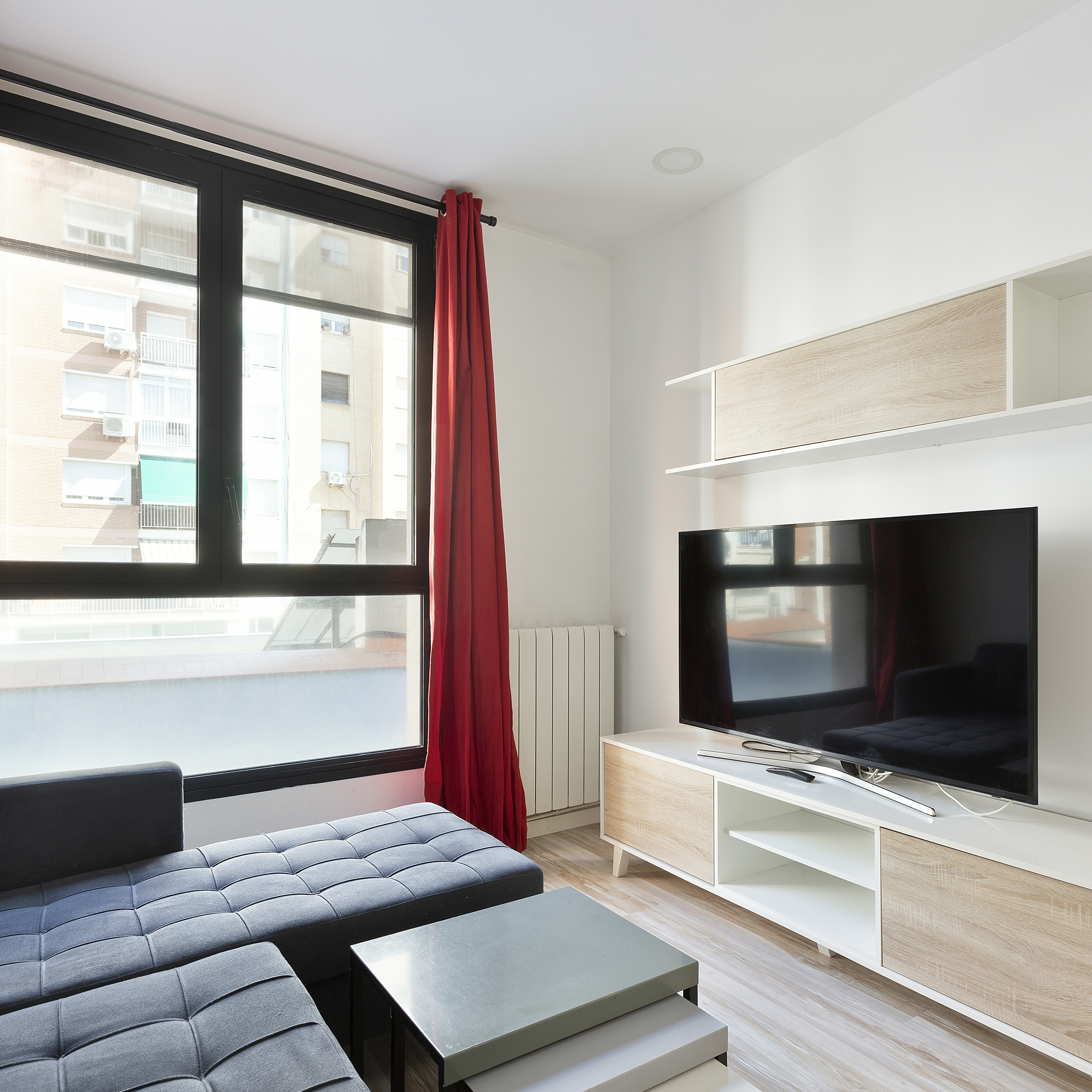
CIEE Barcelona offers diverse housing options to ensure you’re comfortable in your home away from home. From homestays to shared apartments to residence halls, we strive for your accommodation preferences to be met. Additionally, all housing options are located in neighborhoods with convenient access to public transportation, shops, cafés, and eateries.
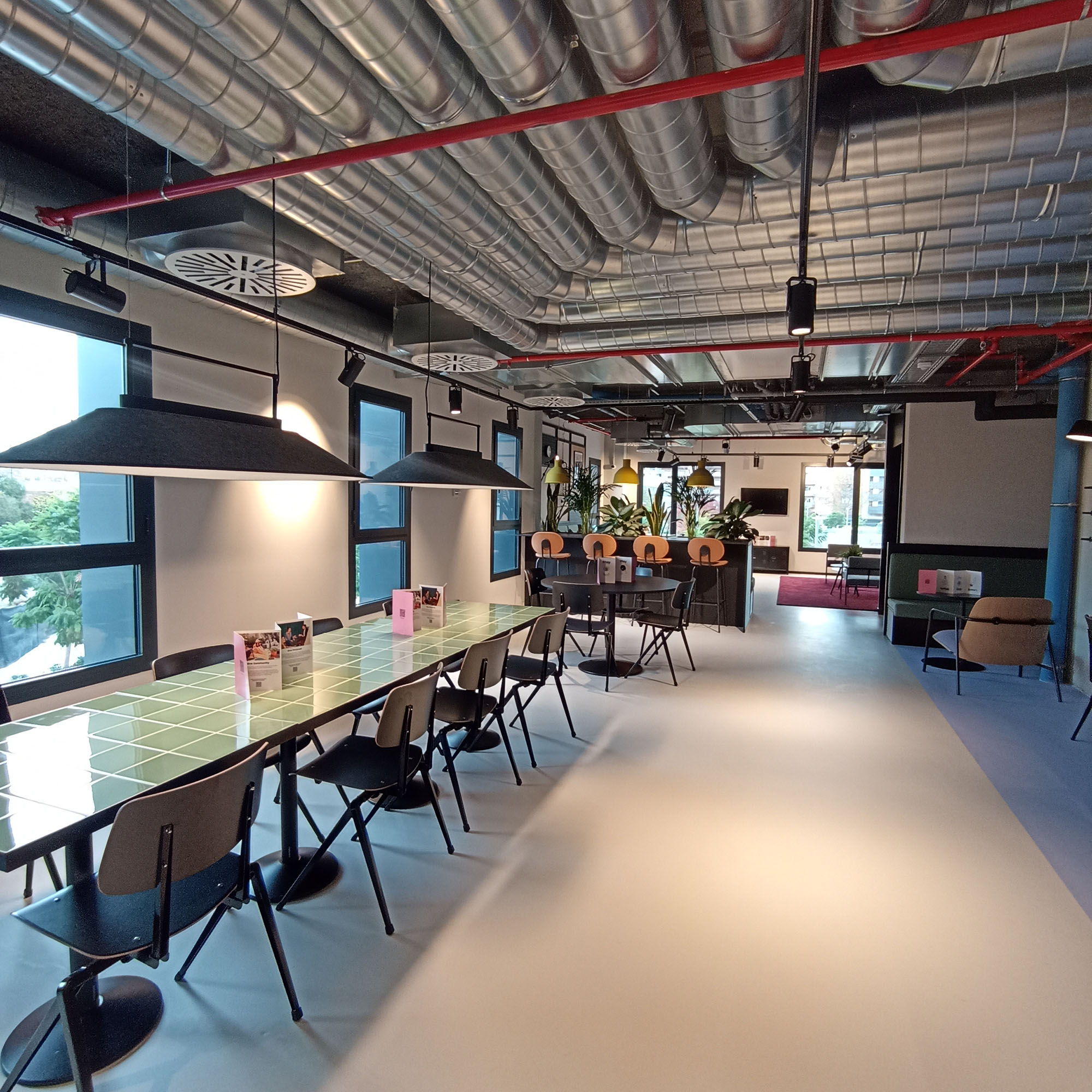
Standard Housing: Includes a single room in a homestay or at a residence hall located in Barcelona or the metropolitan area within a 60-minute commute by public transportation to the CIEE Center. Homestays feature a kitchen, living room, and bathroom shared with a host family. Residence Halls boast shared kitchens, common areas, and laundry facilities shared with other students.
Select Housing: Includes a double room at a shared apartment located in Barcelona within a 35-minute commute by public transportation to the CIEE Center. Apartments boast shared kitchens, common areas, and laundry facilities shared with other students. Select housing requires an additional fee.
Select Plus Housing: Includes a single room at a residence hall or a shared apartment located in Barcelona within a 35-minute commute by public transportation to the CIEE Center. Residence halls boast shared kitchens, common areas, and laundry facilities shared with other students. Apartments boast shared kitchens, common areas, and laundry facilities shared with other students. Select housing requires an additional fee. Select Plus housing requires an additional fee.
A note: The default criterion to assign housing is first-come, first-served; however, other factors may also be considered. If we cannot accommodate your first housing choice, we'll let you know before you arrive. Non-standard housing options require an additional fee that can be found in the program Dates and Fees.
Meals
- Homestays: Students have breakfast and dinner with their host families, and they are responsible for lunch. Students are not typically permitted to use the stovetop/oven at the host family home.
- Residence Halls and Shared Apartments: Meals are not included.



Academics
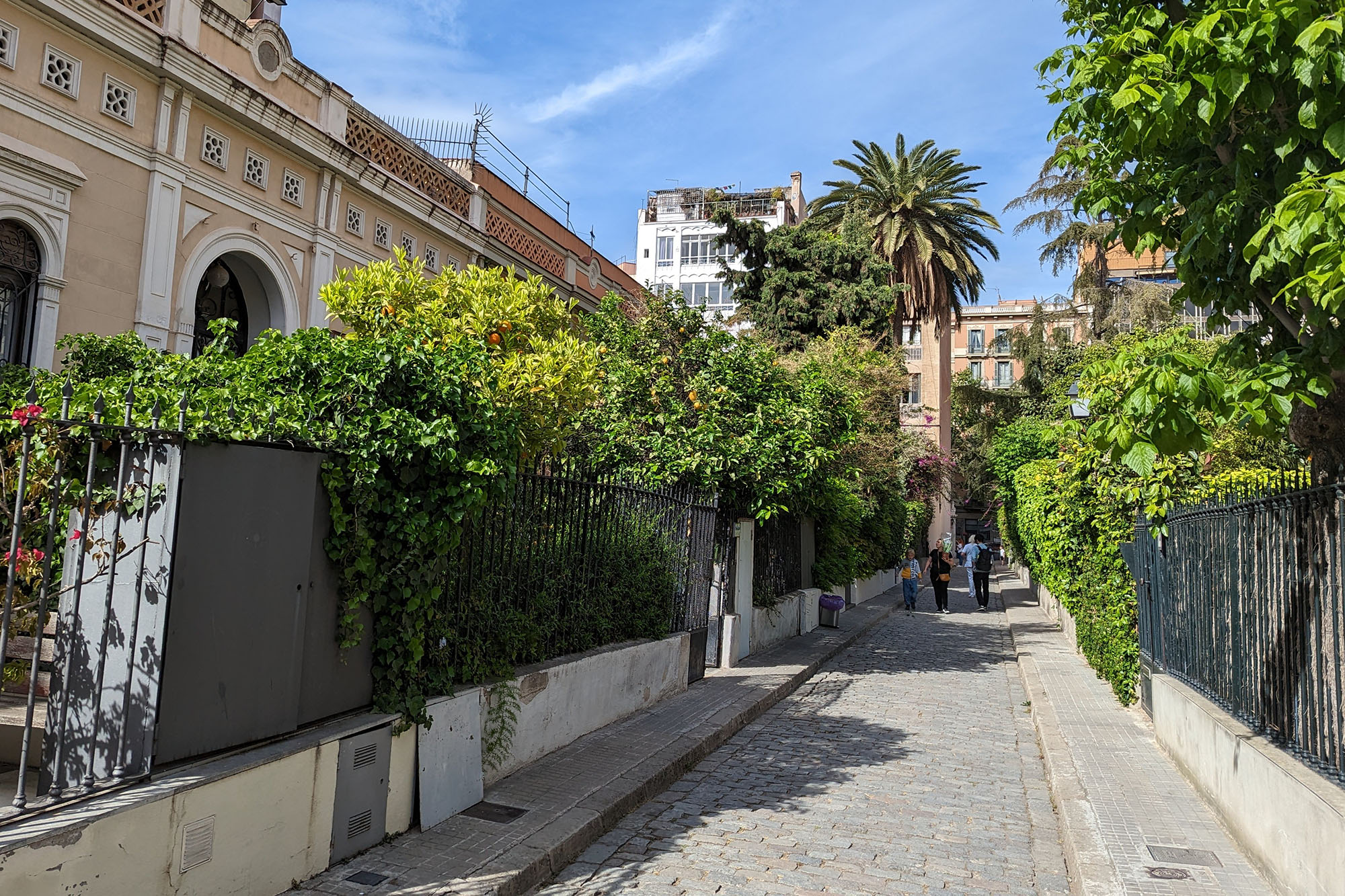
CIEE Barcelona: Study near Barcelona’s main square, Plaça Catalunya, on a beautiful pedestrian passageway, only minutes from cafés, restaurants, and important cultural attractions. CIEE Barcelona features classrooms, a student lounge, conference rooms, and charming 19th-century terraces where students can relax outdoors.
University of Barcelona: The University of Barcelona (UB), established in 1450, is a prestigious public research university located in Barcelona, Catalonia, Spain. It is one of the largest universities in Spain, with over 76,000 students and 106 departments. UB is renowned for its commitment to quality education and research, reflected in its high rankings and extensive transfer activities.
Arizona State University (ASU): Brought to you by CIEE in partnership with ASU, enhance your international coursework with online classes that align with your degree requirements. ASU offers thousands of online courses in asynchronous 7.5-week sessions that fit within the CIEE academic calendar.
Course Information
Academic Projects
History, Philosophy, Religion
Languages and Cultural Studies
Literature, Linguistics, and Writing
Visual and Performing Arts
Academic Projects
History, Philosophy, Religion
Languages and Cultural Studies
Literature, Linguistics, and Writing
Social Sciences
Visual and Performing Arts
Academic Projects
History, Philosophy, Religion
Languages and Cultural Studies
Literature, Linguistics, and Writing
Social Sciences
Visual and Performing Arts
UNIVERSITAT DE BARCELONA COURSES
The UB course offer is very extensive. The CIEE Program Manager meets virtually with each student before arrival to help him or her choose and register for classes. The following list is a sample of the types of regular UB host institution courses that are available to CIEE students.
Department of Biology
The Department of Biology offers scientific training in the basic and applied aspects of biology; molecular biology and genetics; cell biology and physiology; and evolution, ecology, and biodiversity. Courses: Aquiculture, Algae and Bryophytes, Applied Animal Biology, Bases of Organic Reactions, Biological Anthropology, Biology of Marine Invertebrates, Cellular and Molecular Biology of Microorganisms, Environmental Microbiology and Sustainable Processes, Human Biodiversity, Biochemistry.
Department of Chemistry
The Department of Chemistry offers scientific training in the basic and applied aspects of analytical, general, organic, inorganic, and physical chemistry. Courses: Biomaterials, Biochemistry, Materials Science, Biological Documentation, Chemical Engineering, Organic Chemistry Laboratory, Inorganic Materials, Environmental Chemistry.
Department of Communication & Cultural Industries
The Department of Communication and Cultural Industries offers training in the strategies and practices of the media and communications industry, government policymakers, and the third sector. Courses: Mechanisms and Production of Online Communication, Semiotics of Communication, Text Production in Spanish, The Contemporary Thought, Mechanisms of Communication and Production in the Net.
Department of Economic Sciences/Business/International Affairs
Throughout its various departments, the Diagonal Campus (a 20-minute metro ride from the city center) offers a broad spectrum of courses in economics and techniques in the analysis of local, European, and world economies, and international affairs, as well as classes in business. Courses: Conflicts and Social Problems, Cultural Studies, Development Economics, Econometrics II, Economic Growth and Location of the Economic Activity, Economics and Business Statistics II, European Integration, Financial Instruments and Markets, Financial Management, Game Theory and Application in Economics, Human Resources, Industrial Organization, Management Control, Microeconomics II, Principles of Marketing, Social Control, Social Research Techniques IV, Sociology of Global Processes, Sociology of Professions, Spanish Economic Policy and EU Policy, Spanish Economy, Strategic Marketing.
Department of Fine Arts
The Department of Fine Arts shapes plastic artists, professionals, and artistic directors in image and design. The department also provides an environment for building theoretical knowledge; conceptual formation, aesthetics and critique; a formation of artistic practice; and an adequate professional capacity for a degree in Fine Arts. Courses: Art, Technology and Printing, Artistic and Cultural Policies: Intellectual Property, Artistic Spaces: Light and Ambient Mutations, Arts in Movement: Nomad Visions, Contemporary Visualities, Cross-roads in a Personal Journey: Spaces for Creation and Spaces for Diffusion, Drawing of Movement, Information Design, Media Arts, Models, Miniatures and Prototypes, Painting vs. The End of Art, Photography, Sculpture, and Earth Materials: Clay, Stone, Wood and Natural Fibers.
Department of Geography, History & Art History
Located in the city center, the Department of Geography, History, and Art History offers basic and applied scientific training in the methods and techniques of geography, history, history of art, and social and Cultural anthropology. Courses: Ancient Hispania, Ancient History, Applied Physical Geography, City and Metropolitan Region, Classicism and Mannerism in the 16th Century, Climatology, General Cartography, Geography and History, Geography of Spain, Global Change, History, Culture and Society in Modern and Contemporary Ages, History of Avant-Garde Art (1905-1960), History of Rome, Local and Regional Development, Medieval History of Spain, Methodologies and Principles of Historic and Artistic Research, Migrations and Transnational Processes, Natural Hazards, Prehistory, Principles of History of Aesthetics, Social and Cultural Geography, Social Theory, Trends in Modern and Contemporary Cinema, World Regional Structure.
Department of Hispanic Philology
Located in the city center, the Faculty of Hispanic Philology is housed in the historic building of the University of Barcelona. The department offers courses in Spanish language and literature. Courses: Applied Linguistics, Castilian Literature of the Middle Ages, Contemporary Literary Theory Methods: Introduction to the History of the Spanish Language, Introduction to Linguistics, Introduction to Latin American Literature, Literary Commentary, Literature and History, Literature and Holocaust, Panorama of Spanish Literature (Middle Ages and Golden Age), Panorama of Spanish Literature (Modern and Contemporary), Realism and Naturalism in Spain: the Novel, Sociolinguistics of Spanish, Spanish Morphology and Lexicography, Spanish Literature of the Renaissance: Poetry and Prose, Spanish Theater of the Golden Age: Text and Performance, The 20th Century Spanish Poetry (1940-2000), The 20th Century Spanish Poetry: from Modernism to Avant-Garde, 20th Century Latin American Literature.
Department of Law & Political Science
The Department of Law & Political Sciences enables students to pursue areas of interest in Spanish and European government and politics, international relations, comparative politics, and political theory and philosophy. Courses: Bioethics and Law, Civil Law, Constitutional Law, Economic and Social History, Economic International Law, Economics and Social Welfare State, Environmental Law, European Law of Open Circulation, European Union Law and Administration, Fundamentals of Criminal Law and Crime Theory, History of Law, Immigration, Nationality and Status of Foreigners, Institutions of European Community Law, Intellectual Property Law, International Legal Regulations of Work, International Organizations, International Protection of Human Rights, Introduction to Law, Labor and Social Security Law, People Management and Administration, Political Economics, Psycho-Social Hazards, Public International Law and International Relations, Social Structure, Sociology of Law, Sociology of Work, Spanish Economy, System of Rights and Liberties.
Department of Mathematics & Computer Engineering
The Department of Mathematics & Computer Engineering offers scientific training in the basic and applied aspects of calculus, linear algebra, and mathematical structures. Courses: Algebraic Variables, Complex Analysis, Differential Equations, Harmonic Analysis and Signal Theory, Integral Calculus in Diverse Variables, Introduction to Commutative Algebra, Introduction to Integral Calculus, Multivariate Analysis, Projective Geometry, Robotics. UB approval may be needed for some advanced courses offered in this department.
Department of Medicine & Health Sciences
The Department of Medicine & Health Sciences has three campuses (Hospital Clínic, Bellvitge, and Sant Joan de Déu), three tertiary-level university hospitals, eight hospitals associated with high-quality care, teaching, and research, and 22 primary care centers with the necessary teaching and research infrastructure in libraries, dissection rooms, research, and practical laboratories, computer rooms, study rooms, communication skills laboratories, clinical skills laboratories, and facilities to simulate critical care. Courses: General Pathological Anatomy, Medical Genetics, Medical Microbiology, Medical Psychology, Medical and Radiotherapy Oncology, Endocrine and Nutrition System Diseases.
Department of Modern Language
Located in the city center, the Department of Modern Language is housed in the historic building of the University of Barcelona. The department offers courses in modern language and literature, literary theory, classic languages, and literature. Courses: Greek, Latin, Hebrew, Catalan, Galician, Basque, German, French, Italian, Hebrew, Arabic, Dutch, Swedish, Romanian, Portuguese, Polish, Russian, and Slavic languages.
Department of Philosophy
The Department of Philosophy offers a historical and critical study of the fundamental ideas of the western tradition and present world with courses on the history of philosophy and science, logic and philosophy of the sciences, and moral and political philosophy. Courses: Contemporary Theories of Art and Literature, History of Aesthetic Ideas, History of Ancient Philosophy II, History of Modern Philosophy II, History of Science, Metaphysics II, Logics Topics II, History of Contemporary Philosophy Topics II, History of Science Topics II, Metaphysics Topics II, Philosophical Anthropology, Philosophy of Language II.
Department of Physics
This department offers scientific training in the basic and applied aspects of physics. Courses: Algebraic Equations, Astronomy, Astrophysics and Cosmology, Differential Equations and Vectorial Calculus, Electromagnetism, General Relativity, Calculus of Diverse Variables, Quantum Mechanics, Quantum Physics, and Thermodynamics.
Department of Psychology and Education
This Faculty offers scientific training in the basic and applied aspects of psychology and pedagogy as well as socio-educational intervention and mediation. Courses: Behavior and Immunity, Clinical Psychology, Cultural Psychology, Developmental Psychology: Investigation Design, Maturity and Senescence Development Disorders, Group Psychology and Collective Behavior, Learning, Motivation and Sensitivity, Memory and Representation, Mental Health and Mental Disorder from an Evolutionary Perspective, Organizational Psychology, Psychological Assessment, Psychological Intervention, Psychology and Marketing, Sex and Gender Psychology, Sexual Psychology, Social Psychology.
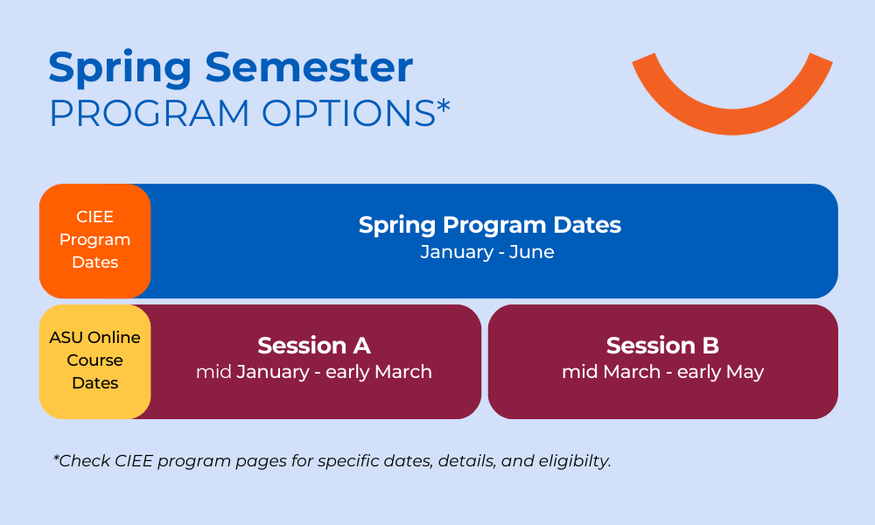
CIEE proudly partners with ASU to deliver asynchronous, 100% online coursework that aligns with your degree requirements from anywhere you study abroad.
CIEE and ASU offer courses online per program eligibility, at no additional charge. Be sure to review online courses with your home school advisor.
Check the CIEE Program Dates and ASU start dates below to maximize course options within your program!
Search ASU Online Courses BROWSE FAQs for more INFO

Note: This course listing is for informational purposes only and does not constitute a contract between CIEE and any applicant, student, institution, or other party. The courses, as described, may be subject to change as a result of ongoing curricular revisions, assignment of lecturers and teaching staff, and program development. Courses may be canceled due to insufficient enrollment.
"(GI)" denotes courses that originated at CIEE's Global Institutes and that are offered at multiple CIEE sites.
Discover Internship Opportunities
We're excited you're considering this program! Next, explore the types of internships you can choose from for an epic internship abroad with CIEE Study Abroad.
Explore Industry Options
Students interning in Barcelona are placed with innovative startups and global organizations across various sectors. The most sought-after profiles are those with interests in business, engineering, marketing, and communication, reflecting the city's vibrant work scene that thrives on creativity and collaboration.

Business Management and Administration
Study international business practices, multicultural leadership, and global market dynamics.

Education and Training
Experience international teaching methodologies and curriculum development in classrooms around the globe.

Marketing, Sales and Service
Explore global market dynamics, cross-cultural consumer engagement, and sales techniques in firms, agencies, and companies.
Browse Internship Opportunities
Explore internship placements available through this program to find the right fit for your academic and professional goals.
Disclaimer: Internship placements are subject to availability and host employer hiring discretion. Application and payment of CIEE fees does not guarantee specific placement. This internship listing is for informational purposes only and does not constitute a contract between CIEE and any applicant, student, institution, or other party.
Scholarships & Grants
CIEE offers scholarships and grants annually to help students like you make your study abroad dream a reality.
Students who apply to this program are eligible for the following scholarships and grants:
- Ping Scholarships for Academic Excellence
- Global Access Initiative (GAIN) Travel Grants
- Stohl International Undergraduate Research Scholarships
- CIEE Gilman Go Global Grant
- Global Access Initiative (GAIN) Scholars Grants
To be considered, submit the CIEE Scholarships & Grants application within your CIEE program application.
Dates & Fees
You get more for every dollar when you study abroad with CIEE, because our high-quality programs include everything from excursions to insurance. There are no hidden charges, and no disappointing surprises when you arrive.
Program |
Application Due |
Start Date |
End Date |
Fees & Housing |
|---|---|---|---|---|
| Program Spring 2027 17 weeks | Application Due Deadline Passed | Start Date | End Date | Fees & Housing $22,450 |
| Program Fall 2027 16 weeks | Start Date * | End Date * | Fees & Housing $22,450 | |
| Program Academic year 2027-2028 39 weeks | Start Date * | End Date * | ||
| Program Spring 2028 18 weeks | Start Date * | End Date * | ||
| Program Fall 2026 16 weeks | Application Due Deadline Passed | Start Date | End Date | Fees & Housing $21,950 |
| Program Academic year 2026-2027 39 weeks | Application Due Deadline Passed | Start Date | End Date | Fees & Housing $43,275 |
*Dates for this program are provided as tentative dates. Please consult with your study abroad advisor to confirm dates before purchasing your flights.
To help you budget, keep in mind that students are responsible for the cost of international airfare, local transportation, books and supplies, visas, and personal expenses. In addition, your college or university may charge additional fees for study abroad, or may require you to receive a transcript via CIEE's School of Record, which carries an additional fee of $500.
Program Fees
CIEE offers the most student support of any provider in its program fee, including an airport greeting, full-time leadership and support, orientation, cultural activities, local excursions, pre-departure advising, and CIEE iNext travel protection with benefits.
| Participation Confirmation | $500 * |
| Educational Costs | $15,256 ** |
| Housing | $6,500 *** |
| Insurance | $194 |
| Total Fees | $22,450 |
Optional Housing
CIEE accommodation options are detailed in the Housing section. Based on availability, Select or Select Plus Housing can be chosen during the application process for an additional fee. Housing is assigned on a first-come, first-served basis; however, other factors may also be considered.
| Select Housing Fee | $1,800 |
| Select Plus Housing Fee | $2,700 |
Financial Aid
CIEE offers the most grants and scholarships of any study abroad organization, including $8 million/year in travel grants, merit-based scholarships, institutional grants, and Gilman Go Global Grants.
Estimated Costs
Students are responsible and manage costs related to travel, meals, books, and personal expenses. Below are estimates for consideration.
| Meals not included in program fee | $1,785 † |
| International Airfare | $1,250 †† |
| Local Transportation | $82 ††† |
| Books & Supplies | $60 †††† |
| Visa Fees | $160 |
| Potential travel to consulate for visa | $500 |
| Personal expenses | $1,019 ††††† |
| Total Costs | $4,856 |
*non-refundable fee
**Direct cost of education charged uniformly to all students
***Housing fees listed are for financial aid purposes only and should not be considered a basis for calculation of refunds.
†The listed estimated cost is for students in homestays and the additional optional cost for dining out once per week ($535). Families provide 2 meals (breakfast and dinner) and students purchase lunch (there isn’t usually access to a kitchen). For students in apartments, you should budget approx. $266 per month for groceries if you plan on making your own meals, and more if you plan on eating out regularly.
††Round-trip flight based on U.S. East Coast departure, dependent on carrier.
†††Local transportation: €47/$54 T-jove (3-month unlimited public transport rides on metro, bus, and train systems) / €24/$28 T-usual (1-month unlimited rides)
††††Total estimate cost for school supplies the duration of program
†††††Personal expenses may include but are not limited to the following: taxis, social activities and entertainment, toiletries, cell phone (low-cost SIM card with a 30GB-50GB data plan). Does not include personal travel.
Program Fees
CIEE offers the most student support of any provider in its program fee, including an airport greeting, full-time leadership and support, orientation, cultural activities, local excursions, pre-departure advising, and CIEE iNext travel protection with benefits.
| Participation Confirmation | $500 * |
| Educational Costs | $15,256 ** |
| Housing | $6,500 *** |
| Insurance | $194 |
| Total Fees | $22,450 |
Financial Aid
CIEE offers the most grants and scholarships of any study abroad organization, including $8 million/year in travel grants, merit-based scholarships, institutional grants, and Gilman Go Global Grants.
Estimated Costs
Students are responsible and manage costs related to travel, meals, books, and personal expenses. Below are estimates for consideration.
| Meals not included in program fee | $1,785 † |
| International Airfare | $1,250 †† |
| Local Transportation | $84 ††† |
| Books & Supplies | $60 †††† |
| Visa Fees | $160 |
| Potential travel to consulate for visa | $500 |
| Personal expenses | $1,019 ††††† |
| Total Costs | $4,858 |
*non-refundable fee
**Direct cost of education charged uniformly to all students
***Housing fees listed are for financial aid purposes only and should not be considered a basis for calculation of refunds.
†The listed estimated cost is for students in homestays and the additional optional cost for dining out once per week ($535). Families provide 2 meals (breakfast and dinner) and students purchase lunch (there isn’t usually access to a kitchen). For students in apartments, you should budget approx. $266 per month for groceries if you plan on making your own meals, and more if you plan on eating out regularly.
††Round-trip flight based on U.S. East Coast departure, dependent on carrier.
†††Local transportation: €47/$54 T-jove (3-month unlimited public transport rides on metro, bus, and train systems) / €24/$28 T-usual (1-month unlimited rides)
††††Total estimate cost for school supplies the duration of program
†††††Personal expenses may include but are not limited to the following: taxis, social activities and entertainment, toiletries, cell phone (low-cost SIM card with a 30GB-50GB data plan). Does not include personal travel.
Program Fees
CIEE offers the most student support of any provider in its program fee, including an airport greeting, full-time leadership and support, orientation, cultural activities, local excursions, pre-departure advising, and CIEE iNext travel protection with benefits.
Financial Aid
CIEE offers the most grants and scholarships of any study abroad organization, including $8 million/year in travel grants, merit-based scholarships, institutional grants, and Gilman Go Global Grants.
Estimated Costs
Students are responsible and manage costs related to travel, meals, books, and personal expenses. Below are estimates for consideration.
Program Fees
CIEE offers the most student support of any provider in its program fee, including an airport greeting, full-time leadership and support, orientation, cultural activities, local excursions, pre-departure advising, and CIEE iNext travel protection with benefits.
Financial Aid
CIEE offers the most grants and scholarships of any study abroad organization, including $8 million/year in travel grants, merit-based scholarships, institutional grants, and Gilman Go Global Grants.
Estimated Costs
Students are responsible and manage costs related to travel, meals, books, and personal expenses. Below are estimates for consideration.
Program Fees
CIEE offers the most student support of any provider in its program fee, including an airport greeting, full-time leadership and support, orientation, cultural activities, local excursions, pre-departure advising, and CIEE iNext travel protection with benefits.
| Participation Confirmation | $300 * |
| Educational Costs | $15,206 ** |
| Housing | $6,250 *** |
| Insurance | $194 |
| Total Fees | $21,950 |
Optional Housing
CIEE accommodation options are detailed in the Housing section. Based on availability, Select or Select Plus Housing can be chosen during the application process for an additional fee. Housing is assigned on a first-come, first-served basis; however, other factors may also be considered.
| Select Housing Fee | $1,700 |
| Select Plus Housing Fee | $2,550 |
Financial Aid
CIEE offers the most grants and scholarships of any study abroad organization, including $8 million/year in travel grants, merit-based scholarships, institutional grants, and Gilman Go Global Grants.
Estimated Costs
Students are responsible and manage costs related to travel, meals, books, and personal expenses. Below are estimates for consideration.
| Meals not included in program fee | $1,142 † |
| International Airfare | $1,000 †† |
| Local Transportation | $72 ††† |
| Books & Supplies | $60 †††† |
| Visa Fees | $160 |
| Potential travel to consulate for visa | $500 |
| Personal expenses | $210 ††††† |
| Total Costs | $3,144 |
*non-refundable fee
**Direct cost of education charged uniformly to all students
***Housing fees listed are for financial aid purposes only and should not be considered a basis for calculation of refunds.
†The listed estimated cost is for students in homestays. Families provide 2 meals (breakfast and dinner) and students purchase lunch (there isn’t usually access to a kitchen). For students in apartments, you should budget approx. $265 per month for groceries if you plan on making your own meals, and more if you plan on eating out regularly.
††Round-trip flight based on U.S. East Coast departure ranges from $700-1200 dependent on carrier.
†††Local transportation: €44/$48 T-jove (3-month unlimited public transport rides on metro, bus, and train systems) / €22/$24 T-usual (1-month unlimited rides)
††††Total estimate cost for school supplies the duration of program
†††††$100 emergency fund + cell phone expense (low-cost SIM card with a 30GB-50GB data plan) + toiletries
Program Fees
CIEE offers the most student support of any provider in its program fee, including an airport greeting, full-time leadership and support, orientation, cultural activities, local excursions, pre-departure advising, and CIEE iNext travel protection with benefits.
| Participation Confirmation | $300 * |
| Educational Costs | $30,031 ** |
| Housing | $12,750 *** |
| Insurance | $194 |
| Total Fees | $43,275 |
Optional Housing
CIEE accommodation options are detailed in the Housing section. Based on availability, Select or Select Plus Housing can be chosen during the application process for an additional fee. Housing is assigned on a first-come, first-served basis; however, other factors may also be considered.
| Select Housing Fee | $1,700 |
| Select Plus Housing Fee | $2,550 |
Financial Aid
CIEE offers the most grants and scholarships of any study abroad organization, including $8 million/year in travel grants, merit-based scholarships, institutional grants, and Gilman Go Global Grants.
Estimated Costs
Students are responsible and manage costs related to travel, meals, books, and personal expenses. Below are estimates for consideration.
| Meals not included in program fee | $1,142 † |
| International Airfare | $1,000 †† |
| Local Transportation | $72 ††† |
| Books & Supplies | $60 †††† |
| Visa Fees | $160 |
| Potential travel to consulate for visa | $500 |
| Personal expenses | $210 ††††† |
| Total Costs | $3,144 |
*non-refundable fee
**Direct cost of education charged uniformly to all students
***Housing fees listed are for financial aid purposes only and should not be considered a basis for calculation of refunds.
†The listed estimated cost is for students in homestays. Families provide 2 meals (breakfast and dinner) and students purchase lunch (there isn’t usually access to a kitchen). For students in apartments, you should budget approx. $265 per month for groceries if you plan on making your own meals, and more if you plan on eating out regularly.
††Round-trip flight based on U.S. East Coast departure ranges from $700-1200 dependent on carrier.
†††Local transportation: €44/$48 T-jove (3-month unlimited public transport rides on metro, bus, and train systems) / €22/$24 T-usual (1-month unlimited rides)
††††Total estimate cost for school supplies the duration of program
†††††$100 emergency fund + cell phone expense (low-cost SIM card with a 30GB-50GB data plan) + toiletries
What's Included
Tuition
Housing
Pre-departure Advising
Advising before you depart to set goals and answer questions
Optional on-site airport meet-and-greet
Orientation
Introduction to your program plus practical information about living in your host city
On-site Staff
Full-time program leadership and support in your city
Cultural and/or Co-curricular Activities
Excursions and/or Study Tours
Travel Protection
CIEE iNext travel protection
24/7 emergency on-site support
Our Staff

Andrés Tabárez
Center Director

José Luis Espinosa
Academic Director
José Luis is a philologist with a Ph.D. in Modern Languages and Gender Studies from the Universidad de Salamanca (Spain) with a 20-year experience in international education as a teacher, team leader and academic trainer and manager.

Fernando Janeiro
Director of Program Management
Nando holds a Master's Degree in Humanities from Universitat Pompeu Fabra (Barcelona) and is certified as a Spanish as a Second Language instructor.
Get Started
1
2
Connect With Your Campus Study Abroad Office
Share your plans and confirm you're on track to meet all required steps to go abroad.
3
Contact CIEE
We're here to help! Send us an email if you still have questions or need information about applying to this program.
4
Interested in an optional internship?
After being accepted to this program and submitting the required internship documents, work with CIEE staff on your internship goals and select which positions to interview for. CIEE will reach out to companies that would be a good fit for you, your interests, and your qualifications. Finalize your internship placement upon arrival!
You might also like

- Barcelona, Spain
- Study Program
...for 1, 2, or 3 term blocks!

- Madrid, Spain
- Study Program
- Part-Time Internship
...for 1, 2, or 3 term blocks!

- Seville, Spain
- Study Program
...for 1, 2, or 3 term blocks!