By Discipline

By Region

  • Africa
  • Asia-Pacific
  • Caribbean
  • Europe
  • Latin America
  • Middle East
  • Northern America

Featured

close
Quick Info

Quick Info

By Term

  • Summer 2013
  • Summer 2014
close
Dates:
06/02/2013 - 07/20/2013
Deadlines:
Extended to: 04/15/2013
Credit:
3 semester / 4.5 quarter hours
Eligibility:
2.75 Overall GPA
Courses:
See descriptions below

*Please see the detailed information available below for an important note about program dates.

Map:
View Map
Dates:
TBA
Deadlines:
04/01/2014
Credit:
3 semester / 4.5 quarter hours
Eligibility:
2.75 Overall GPA
Courses:
See descriptions below

*Please see the detailed information available below for an important note about program dates.

Map:
View Map
Close
Loading

Places to Visit

Get Started

Compare ProgramsCompare Programs
Print Program OverviewPrint Overview
Share

Program Blog RSS

Photos
Video
open slider navigation
close slider navigation
  • beach,spain,alicante,language,in,context,abroad,main
  • beach,spain,alicante,language,in,context,abroad,main
  • beach,spain,alicante,language,in,context,abroad,main
  • beach,spain,alicante,language,in,context,abroad,main
  • beach,spain,alicante,language,in,context,abroad,main
Study Abroad in Alicante
open slider navigation
close slider navigation
Loading
Program Overview

Program Overview

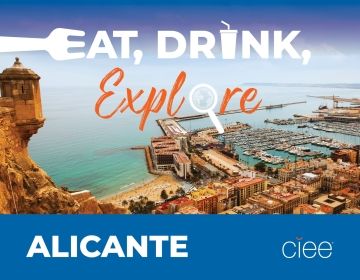
Spend your summer improving your language skills and immersing yourself in Spanish culture in a city on the beautiful Mediterranean coast.

Summer study abroad in Alicante offers you two tracks of study. The seven week program is designed for students looking to improve their language skills and take content courses in Spanish or English. Students interested in beginning their study of Spanish, or studying about an aspect of Spanish culture in English, can take one or two three and a half week sessions. In both cases, a wide selection of challenging courses, homestays, and a variety of cultural activities and excursions provide you with a unique academic and intercultural experience abroad.

Study abroad in Spain and you will:

  • Take content courses in Spanish art, literature, film, and culture in English and/or Spanish; enjoy the support of the experienced resident staff
  • Live with a Spanish family and immerse yourself in Alicantino daily life
  • Enjoy an overnight trip to a different city of Spain; participate in several day excursions, and visit museums, galleries, etc. as well as other places of interest in Alicante province
  • Choose between “full” and “modular” programs
Close
The CIEE Difference

The CIEE Difference

Coursework

Whether you choose the seven or three-week program, you’ll have your choice of courses in archeology, gastronomy, art, cinema, economics, and language – taught in both English and Spanish.

Excursions

study abroad in spain

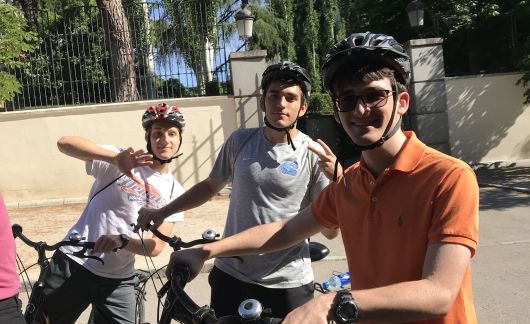
The academic study abroad program is supplemented with excursions, guided tours and cultural activities. These activities include city tours to emblematic sites such as the Santa Bárbara Castle and MARQ (Archaeological Museum), or a historical tour of the Old Quarter of the city.

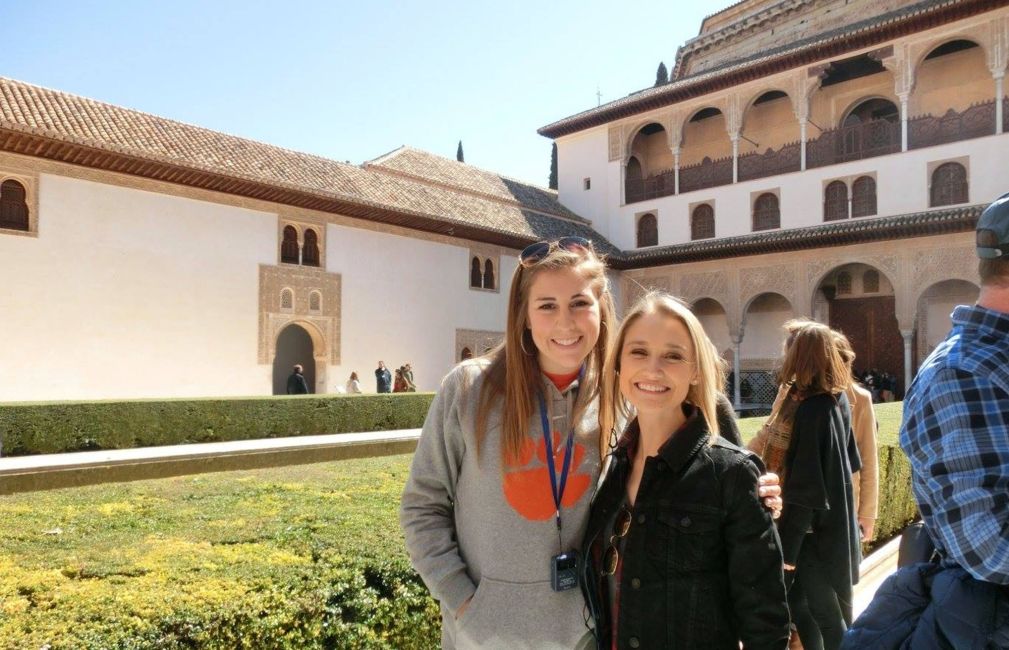
In addition, there is one overnight trip per session, allowing for exploration of other areas of significant historic and cultural importance. During Session I you’ll travel to Valencia, located on the Mediterranean coast approximately 110 miles north of Alicante. During Session II you’ll travel to the city of Granada to visit the most emblematic monuments such as the Alhambra, Cathedral, or Royal Chapel.

Homestay

Immerse yourself in Spanish culture and improve your language skills by living with a local family. It’s the ideal environment for authentic, meaningful cultural exchange.

Close
Dates, Deadlines & Fees

Dates, Deadlines & Fees

We want to make sure you get the most out of your experience when you study abroad with CIEE, which is why we offer the most inclusions in our fees.

  • Tuition and housing
  • Pre-departure advising and optional on-site airport meet and greet
  • Full-time program leadership and support
  • Field trips and cultural activities
  • CIEE iNext travel card which provides insurance and other travel benefits
Please note, program dates are subject to change. Please contact your CIEE Study Abroad Advisor before purchasing airfare. Click the button to view more detailed information about dates and fees as well as estimated additional costs. Please talk with your University Study Abroad Advisor about additional fees that may be charged by your home institution when participating in a program abroad.
Program
Application Due
Start Date
End Date
Costs
Summer 2013 (7 wks)
Extended to: 04/15/2013
06/02/2013
07/20/2013
$7,300

Program Date Notes

Program Fees

In addition to the items outlined below, the CIEE program fee includes an optional on-site airport meet and greet, full-time leadership and support, orientation, cultural activities, local excursions, field trips, pre-departure advising, and a CIEE iNext travel card which provides insurance and other travel benefits.
Participation Confirmation *
$300
Educational Costs **
$5,448
Housing ***
$1,450
Insurance
$102

This breakdown has been prepared from the program budget for the purpose of calculating eligibility for financial aid. During the course of program operations, actual figures may vary. It should not, therefore, be used as a basis for calculation of refunds. CIEE reserves the right to adjust fees at any time.

Students required to study on CIEE programs through a School of Record will be charged a $340 administrative fee in addition to the Program Fees listed.

* non-refundable

** direct cost of education charged uniformly to all students

*** includes all meals

Estimated Additional Costs

International Airfare *
$1,350
Local Transportation
$250
Books & Supplies
$150
Personal expenses
$1,050

The estimated additional costs indicated are intended to assist students and parents in budgeting for those additional living and discretionary expenses not included in the program fee. Actual expenses will vary according to student interests and spending habits.

* round-trip based on U.S. East Coast departure

More Information
Summer 2014
04/01/2014
TBA
TBA

Program Date Notes

Program Fees

This breakdown has been prepared from the program budget for the purpose of calculating eligibility for financial aid. During the course of program operations, actual figures may vary. It should not, therefore, be used as a basis for calculation of refunds. CIEE reserves the right to adjust fees at any time.

Students required to study on CIEE programs through a School of Record will be charged a $340 administrative fee in addition to the Program Fees listed.

Estimated Additional Costs

The estimated additional costs indicated are intended to assist students and parents in budgeting for those additional living and discretionary expenses not included in the program fee. Actual expenses will vary according to student interests and spending habits.

More Information

Date + Fee Note

The original Alicante, Spain Summer Language + Culture Program consists of a full 7 week program where students will take two courses for 7 weeks (listed above). For 2013, CIEE has created a modular program that consists of two, 3 1/2 week sessions, where students can take one course per session and have the option of doing both sessions. The cost of an individual session is $3,850 and two session cost is the same as above. Please check with your school to find out which program has been approved, or contact your CIEE study abroad advisor for information on applying to these sessions.

Close
Eligibility
2.75 Overall GPA

Eligibility

  • Overall GPA 2.75
  • For CIEE content courses in Spanish, at least 4 semesters of college-level Spanish or equivalent
Close
Recommended Credit

Recommended Credit

Full program: Total recommended credit for the summer is 6 semester hours/9 quarter hours.

Modular program: Recommended credit is 3 semester/4.5 quarter hours per session.

Contact hours for all courses are 45 and recommended credit is 3 semester/4.5 quarter hours, unless otherwise indicated.

Close
Program Requirements

Program Requirements

Full program: Students are required to take one Spanish language course and one content course.

Modular program: Students take one course per session.

Participants are placed in appropriate language courses or courses taught in Spanish based on a language examination given on site at the beginning of the program.

Close
About the City

About The City

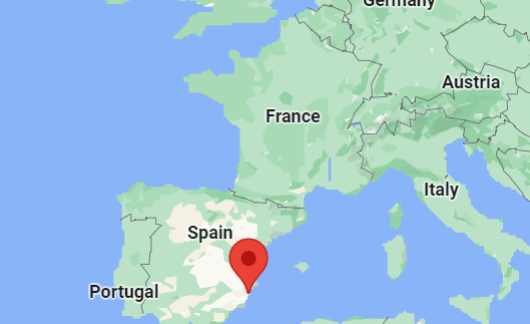
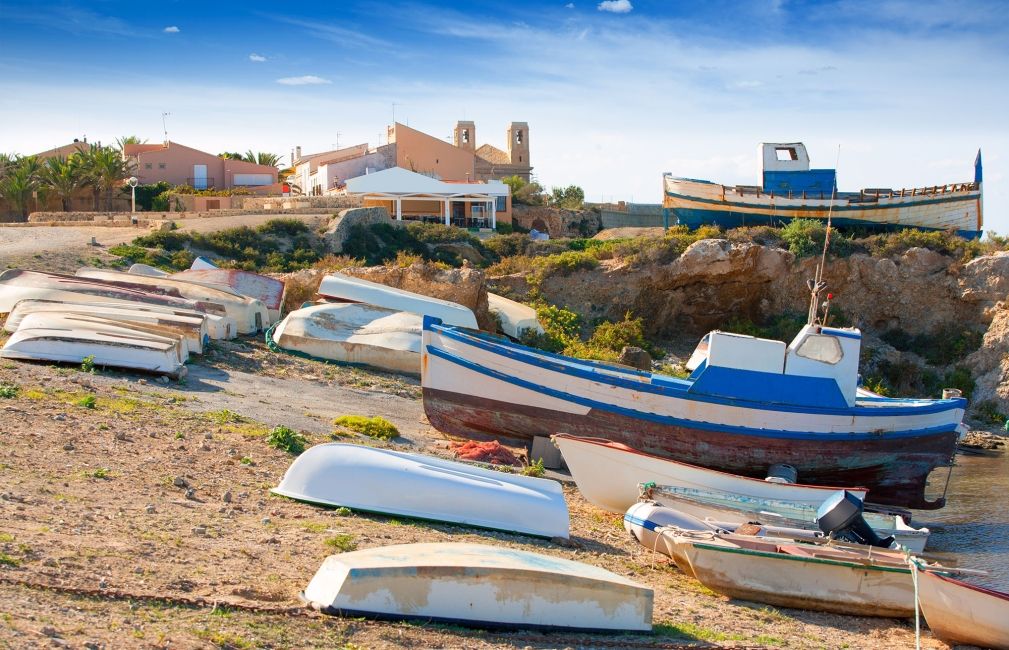
With a population approaching 350,000, Alicante is a thriving Spanish city. Located on the Mediterranean coast, Alicante is an inviting place for study abroad students to begin their exploration of Spain or continue a previous journey. In recent times, Alicante has experienced a development boom and rapid population growth. Students will see modern architecture alongside historic buildings, and shopping malls next to centuries-old open-air markets. Although fast becoming a cosmopolitan and multicultural city, Alicante retains a distinct Spanish flavor.

Close
Meet The Staff

Meet The Staff

Staff Image

Francisco Diez

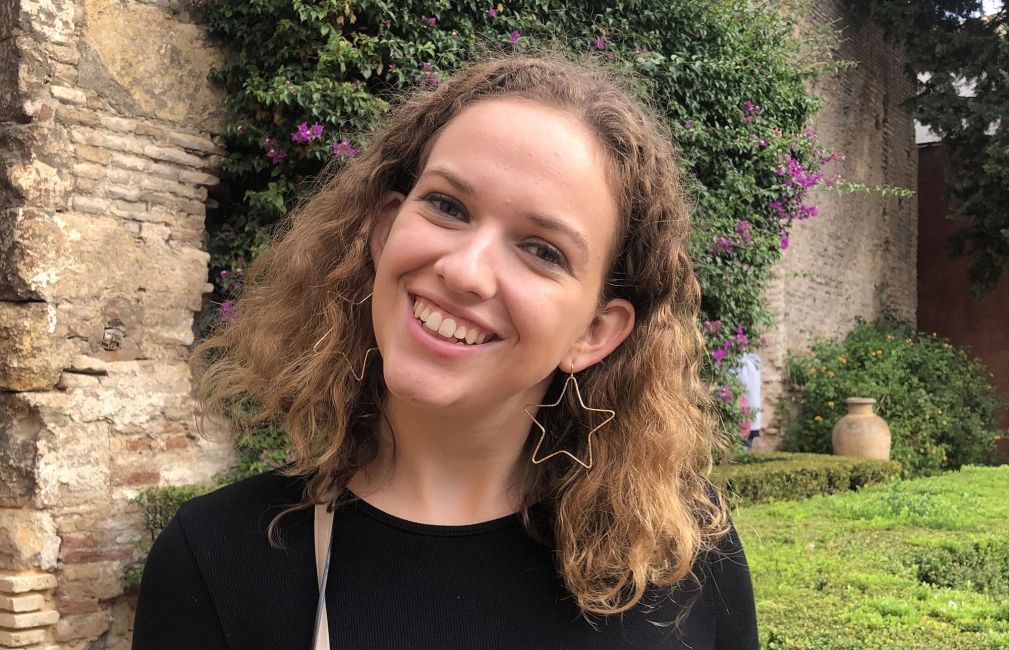
Francisco Díez, Center Director and Resident Director of the Liberal Arts study abroad program, earned his M.A. in Applied Linguistics and Spanish Language Teaching from Michigan State University and is currently working on his Ph.D. in Sociolinguistics. Originally from Alicante, he also studied at Sheffield Hallam University and taught Spanish for two years at Michigan State University. Francisco joined CIEE in 2000 as Resident Coordinator at the CIEE Study Center in Alicante, where he helped develop, produce, and run the socio-cultural and Intercambios programs, and the Spanish language placement test. He speaks Spanish, English, and Catalan.

Read More
Staff Image

Beatriz Perez

Beatriz Ortín Pérez earned her undergraduate degree in English Studies from the Universidad de Murcia. Upon finishing her degree she spent one year in Ireland working at the high school level as a Spanish Assistant Teacher. In 2008 she earned her M.A.in English and Spanish Used in Specific Fields and Business from the Universidad de Alicante. In August of 2010, she was promoted to Student Services Director. In June of 2011, she earned a second M.A. in Secondary Education, also from the Universidad de Alicante.

Read More
Staff Image

Manuel Sanchez

Manuel Sánchez received his B.A. in English Studies from the Universidad de Alicante. His professional and academic experience involves research on technology applied to literature and digital libraries, and teaching. Manuel also works as an assistant professor in the Universidad de Alicante’s Education Department. Manuel speaks several languages and has published articles on digital humanities and sociolinguistics. He began working for the CIEE Study Center in Alicante as its Resident Coordinator in 2005. In 2009, he was promoted to Resident Director of the summer study abroad program.

Read More
Close
Where You'll Study

Where You'll Study

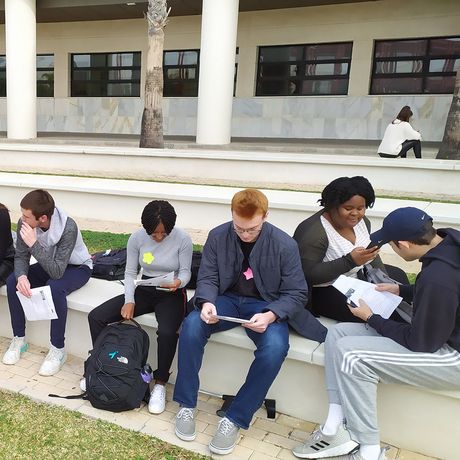
The Universidad de Alicante is one of Spain’s newest universities and is located three miles outside the city of Alicante. Established to serve the higher education needs of the province of Alicante, the Universidad de Alicante offers its 35,000 students the benefits of a modern campus with an international atmosphere. The CIEE Study Center is located next to the Faculty of Education and one of the residence halls on the northwest extension of the main campus in San Vicente; this location provides students direct access to University facilities.

Close
Housing & Meals

Housing & Meals

study abroad in spain

Housing and all meals are included in the program fee. Study abroad students live in Spanish-speaking homes where all meals are provided. Each home accommodates only one student. Homestays are the optimal housing arrangement because of their contribution to the program’s goals of language and cultural immersion. In the homestay, each student is considered a member of the family and has the same rights and responsibilities as other family members.

Homestays are located throughout the Alicante downtown metropolitan area –anywhere within a maximum 30 minute commute to the CIEE Study Center via public transport–with access to public transportation that students take to and from the University. Students should expect to use public transportation two to four times per day.

Close
Orientations

Orientations

During the mandatory orientation session, you'll be introduced to the country, culture, and academic program, and given practical information about living in Spain. The orientation will help you make a gradual transition to Spanish life. A range of topics, including housing and family life, cultural differences, health and safety, gender and race issues, academics, and academic policies are covered. The orientation includes both structured cultural activities and independent sightseeing. At the end of the formal orientation, you'll meet your family and then move into their home in Alicante. Ongoing support is provided on an individual and group basis throughout the program. You may consult with resident staff throughout the program about any cultural adjustment issues you may be experiencing.

Close
Internet

Internet

You are encouraged to bring a wireless-enabled laptop. You will have free wireless Internet access at the CIEE Study Center, on the Universidad de Alicante campus, where you can also use the many computer labs, at your homestay, and at numerous Internet cafés throughout the city of Alicante.

Close
Culture

Culture

Cultural Activities and Field Trips

The academic program is supplemented with excursions, guided tours, and cultural activities. These activities include city tours to emblematic sites such as Santa Bárbara Castle and MARQ (Archaeological Museum), or a historical tour of the Old Quarter of the city.

In addition, there is one overnight trip per session. Each trip will complement the student’s Alicante experience allowing exploration of other areas of significant historic and cultural importance. During Session I you'll travel to Valencia, located on the Mediterranean coast approximately 110 miles north of Alicante. You will participate in a city tour of the historic center, where you'll visit the Cathedral. In addition, you will visit the City of Arts and Sciences. During Session II you'll travel to the city of Granada where you'll visit the most emblematic monuments, such as the Alhambra, Cathedral, or Royal Chapel.

Language

Valenciano

Alicante is historically and culturally bilingual, like many regions in Europe. Valenciano, related to Catalan, is the second language of the Alicante province. However, Castilian Spanish is the primary language of most residents in the city of Alicante, and you are unlikely to encounter Valencianoin everyday life. Approximately 10% of alicantinos speak Valencianoas well as Spanish, mostly at home. It has little presence in public or at the Universidad de Alicante. All homestay families are Spanish speaking, as are CIEE staff and Universidad de Alicante faculty.

Close
Academics

Academics

Full program - Established in 1992, the full summer study abroad program in Alicante provides an opportunity for short-term, intensive study of the Spanish language. The seven-week program is open to qualified undergraduates with an interest in Spanish language and contemporary Spain. Language classes are taught entirely in Spanish and are offered at beginner, intermediate, and advanced levels. Students take one language course and one content course. Students are given a placement exam in Alicante prior to the start of classes to determine the appropriate level in which they should be placed. Content courses are offered in English or Spanish.

Modular program – This study abroad program is designed for students who are either interested in a shorter stay (three and a half weeks) or who prefer to take two courses consecutively rather than simultaneously over seven weeks. No content courses are offered in Spanish. Students choose one three-credit course per three and a half week session.

Academic Culture

CIEE courses are scheduled from Monday through Friday. Students can expect daily homework assignments. Teaching methods in CIEE courses combine lecture and interactive styles. Program professors are familiar with second-language teaching methodology. They also have several years teaching experience in Spain and abroad, and use a variety of teaching methods. Furthermore, they have worked with American, European, and other international students for many years and are familiar with their expectations. Each professor distributes a detailed syllabus indicating what material is covered, when exams are held, and what is expected from each student. Class attendance is mandatory and absences affect the final grade.

Nature of Classes

Participants take classes with other CIEE study abroad students only.

CIEE Community Language Commitment

As students gain proficiency in Spanish, resident staff encourage them to use their language skills in everyday settings. This fosters a learning community that contributes to both Spanish language proficiency and understanding of Spanish society.

Grading System

In the language classes, grades are based on quizzes, exams, attendance, homework assignments, oral presentations, and class participation. Grades in the content courses are generally based on class participation, papers or projects, oral presentations, and a final exam. CIEE resident staff determine the exact breakdown of grades.

Language of Instruction

English
Spanish

Faculty

Courses are taught by Universidad de Alicante faculty, professionals in different fields, and instructors specialized in the field of Teaching Spanish as a Second Language.

Close
Course Description

Course Description

All Courses

Note: This course listing is for informational purposes only and does not constitute a contract between CIEE and any applicant, student, institution, or other party. The courses, as described, may be subject to change as a result of ongoing curricular revisions, assignment of lecturers and teaching staff, and program development. Courses may be cancelled due to insufficient enrollment.

CIEE Study Center Syllabi

To view the most recent syllabi for courses taught by CIEE at our Study Centers, visit our syllabi site.

Modular program (students take one course per session):

Session I

HISP 3007 ALSU/Food studies FSCI 3001 ALSU

Mediterranean Gastronomy and Wine Industry in Spanish Culture
(in English) This course covers a complete analysis of the importance of the Mediterranean diet in Spanish life. Upon completion of this course, students will understand Spanish topography and its effects on Mediterranean gastronomy and the wine industry in Spain. Students will cover important aspects such as industry breakdown, the integration of Spain in the EU and its repercussions on agriculture and fisheries, the history of food and wine and its importance in the Mediterranean area, an overview of Spanish gastronomy, and wine production.

SPAN 1010 ALSU

Beginning Spanish Language
This course is designed for students with no or one semester of college-level Spanish and focuses on providing students with survival skills in Spanish. Emphasis is on speaking and listening comprehension, but the course integrates reading comprehension and written expression as well. Students use a packet of materials designed by CIEE faculty. CIEE language courses include practical information on Spanish society and culture through fieldwork in the local community.

Session II:

ARCH 3001 ALSU

Archeological Field Survey in Alicante
(in English) Practical course on Archaeology in Spain: excavation techniques, applied methodology, field work, and laboratory analysis at an Archaeological site in Alicante. On successful completion of this module, students should be able to acquire a broad understanding of the theoretical concerns and methodologies employed by archaeologists, have a general appreciation of the archaeology of Spain, and acquire practical experience in the identification and interpretation of past material culture (artifacts, monuments, and archaeological landscapes). This course offers a combination of class lessons and extensive on‐site work at an important Archaeological site with University of Alicante students and well‐known Archaeologists.

AHIS 3001 ALSU

The Spanish Tradition in Art
(in English) This survey course covers Spain’s major contributions to the history of Western art from the Renaissance to the present. The emphasis rests primarily on painting and architecture, especially on the fundamental Spanish masters. Students learn how to analyze a painting from different practical approaches (i.e. formal/thematic) and apply these methods to masterpieces of Spanish art. Students receive visual materials to complement the course instruction, as well as optional and mandatory guided visits to different museums in order to get a better understanding of the arts in Spain and the Comunidad Valenciana in particular .

SOCI 3001 ALSU

Contemporary Spanish Society
(in English) This course provides an introduction to the most important aspects of Spain and Contemporary Spanish Society. It is designed to offer structured information about issues related to Spanish society today as well as to provide a forum for discussion for students as they interact with the people and institutions of this country. At the end of the course, students are able to discuss relevant issues facing Spain today with a satisfactory level of understanding; identify and comment on the major social players in Spanish society, including individuals and institutions; and carry out an insightful comparative assessment of issues that affect both Spanish and U.S. societies.

Full program: (Students take one language and one content course):

Required CIEE Spanish Language Courses

SPAN 1010 ALSU

Beginning Spanish Language
This course is designed for students with no or one semester of college-level Spanish and focuses on providing students with survival skills in Spanish. Emphasis is on speaking and listening comprehension, but the course integrates reading comprehension and written expression as well. Students use a packet of materials designed by CIEE faculty. CIEE language courses include practical information on Spanish society and culture through fieldwork in the local community.

SPAN 2010 ALSU

Intermediate Spanish Language
This course is designed for students who have two-to-three semesters of university-level Spanish. This course builds upon previous work in the four communicative skills: oral expression, listening comprehension, written expression, and reading comprehension. Students use a packet of materials designed by CIEE faculty. CIEE language courses include practical information on Spanish society and culture through fieldwork in the local community.

SPAN 3010 ALSU

Advanced Spanish Language
This course is designed for students with at least four semesters of college-level Spanish and provides advanced speakers with an intensive review of Spanish grammar and syntax. Through practical exercises and fieldwork, students also develop oral and listening skills. Students use a packet of materials designed by CIEE faculty specifically for advanced English-speaking learners.

Required CIEE Content Courses

Content courses include lectures, critical analysis of readings, movies, and specific visits. CIEE reserves the right to cancel sections with insufficient enrollment. Students choose one CIEE content course.

AHIS 3001 ALSU

The Spanish Tradition in Art
(in English) This survey course covers Spain’s major contributions to the history of Western art from the Renaissance to the present. The emphasis rests primarily on painting and architecture, especially on the fundamental Spanish masters. Students learn how to analyze a painting from different practical approaches (i.e. formal/thematic) and apply these methods to masterpieces of Spanish art. Students receive visual materials to complement the course instruction as well as optional and mandatory guided visits to different museums in order to get a better understanding of the arts in Spain and the Comunidad Valenciana in particular.

ECON/POLI 3001 ALSU

Spain and the European Union: Economics, Politics, and Social Issues
(in English) This course focuses on Spain’s role in the European Union and familiarizes students with the central traits of the economic architecture of the EU. The course explores recent economic integration; analyzes the consequences that this economic and political integration process is having on politico-economic governance in the member states; and explores some of the policies generated by the EU in fields such as labor and social policy (e.g. migration, competition policy, environmental policy, and industrial policy). Students also analyze the main varieties of capitalism underpinning member state economies, and the challenges they experience as a result of internal factors and the globalization of production and financial markets.

FILM 3001 ALSU

(in English)

FILM 3002 ALSU

Spanish Cinema
(in Spanish) In this course, students analyze some of the most well-known and representative films produced by the Spanish film industry from the transition to democracy to the present day. Students critique the films shown in class, with the goal of increasing their knowledge of contemporary Spanish culture and Spain’s recent history. The viewing of films in conjunction with subsequent in-class discussion serves as the framework for students to acquire further knowledge of the specific changes that Spanish society has undergone in recent times, contrasting these with the classic stereotypes of Spanish culture. Topics such as machismo, eroticism, gender roles, and religion are discussed in depth while learning about new movements in contemporary Spanish cinema. The aim of this course is not only to teach students how to analyze a film and give them the tools to do it, but also to show them how cinema can be enjoyable and didactic at the same time. Taking the cinema as a means of communication, not only of the author but also of the society where it is born, is the focus of this class. The course also includes visits to television studios as well other media and filming centers.

LITT 3007 ALSU

Spanish Literature: Women in Contemporary Spain
(in Spanish) In this course, students explore contemporary themes in Spanish literature. Through reading critical and literary texts, students explore the theme of women in Spanish literature and as writers of texts. The course examines selected prose, novels, short stories, and memoirs by important Spanish women writers since the mid-19th century. Students explore themes of gender, relationships, sexuality, women and nature, women and politics, women and creativity, and myths of femaleness.

Close
Program Blog

Program Blog RSS

Close
Videos

Videos

  • Study Abroad HomestayA Spanish familia
  • CIEE Study AbroadDiscover the world
Close
Photos

Photos

  • beach,spain,alicante,language,in,context,abroad,main
  • beach,spain,alicante,language,in,context,abroad,main
  • beach,spain,alicante,language,in,context,abroad,main
  • beach,spain,alicante,language,in,context,abroad,main
  • beach,spain,alicante,language,in,context,abroad,main
Close
Compare ProgramsCompare Programs
Share
Top