
Summer Language + Culture

Unique Experiences
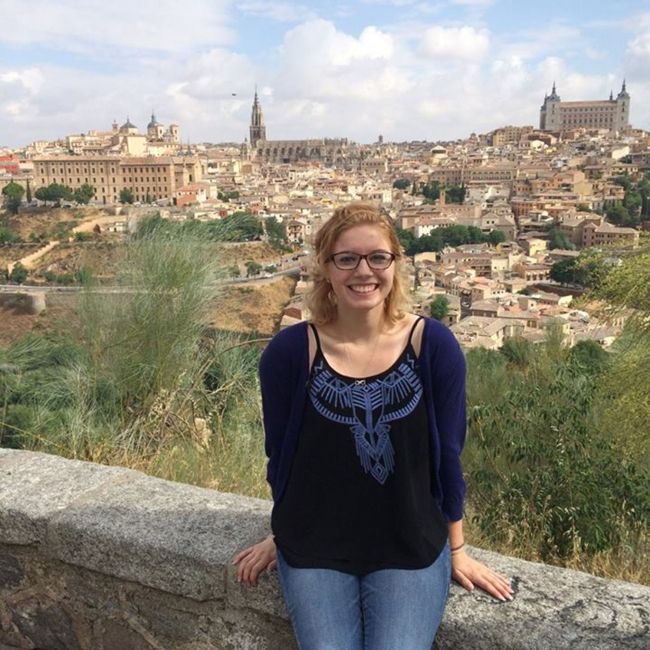
Explore Historical Treasures
like the birthplace of literary great, Miguel de Cervantes
Stay with a Spanish Family
and soak up the language while living like a local
Perfect your Spanish Language Skills
by taking courses taught exclusively in Spanish

Your Destination
Alcalá de Henares is Spain's historic gem, renowned for its deep literary roots, stunning architecture, and vibrant university atmosphere. As the birthplace of Miguel de Cervantes, author of Don Quixote, the city is a natural fit for students of literature, history, philosophy, the arts, and more. From strolling the cobblestone streets of its old town to exploring centuries-old academic traditions, students will find endless opportunities for cultural growth. Alcalá is the perfect place to study language and culture abroad.

Program Highlights
- Academic Courses: Choose two courses, delivered in Spanish, at CIEE's partner school, Universidad de Alcalá.
- Immersive Experiences: Participate in activities, excursions, study tours, and more that showcase your host city's culture, values, and local art, film, music, cuisine, and sports scenes.
- Cultural Projects: Volunteer with members of the local community, join student clubs to socialize with your peers, and attend local workshops and events to get to know your host city.

Excursions & Activities
CIEE’s excursions and cultural activities in Alcalá de Henares will open doors for you to explore Spain’s rich diversity, language, culture, history, and timeless beauty in ways that will enhance your time abroad.
Samples of past excursions and activities:
- Take a day trip to the Roman settlements of Segovia
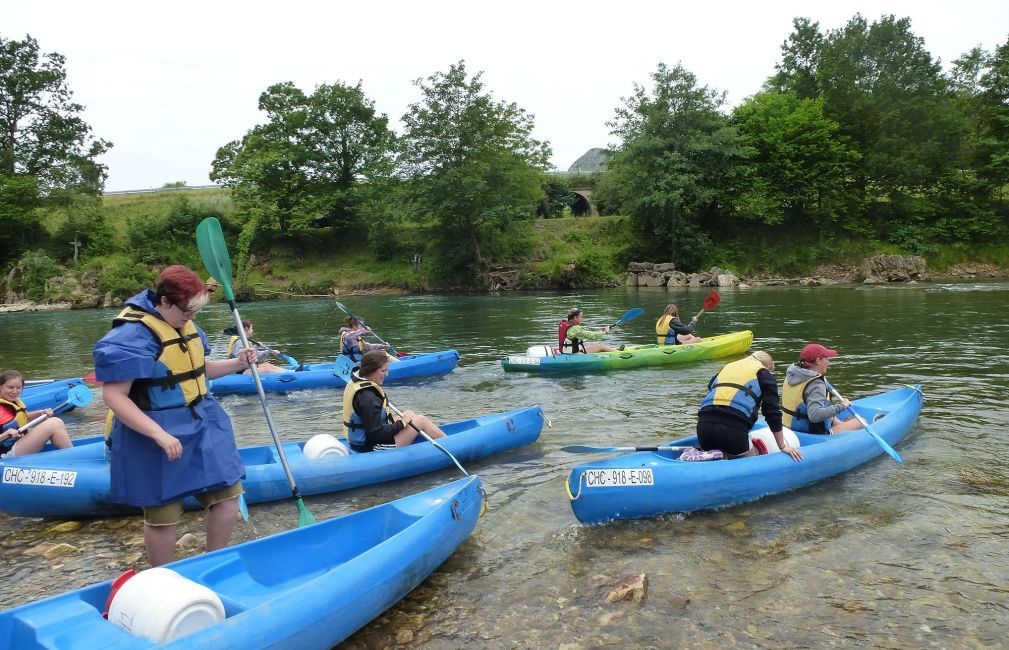
- Enjoy the outdoors in the National Park of the Guadarrama mountains where you can kayak and have a picnic
- Dip into some of the public swimming pools in Alcalá or Madrid
Please note: Activities are based on past programs and subject to change at CIEE's discretion to adapt to local circumstances and participant feedback. Our goal when arranging activities is always to enhance your experience.
Program Blogs

EAT, DRINK, EXPLORE: ALCALÁ DE HENARES
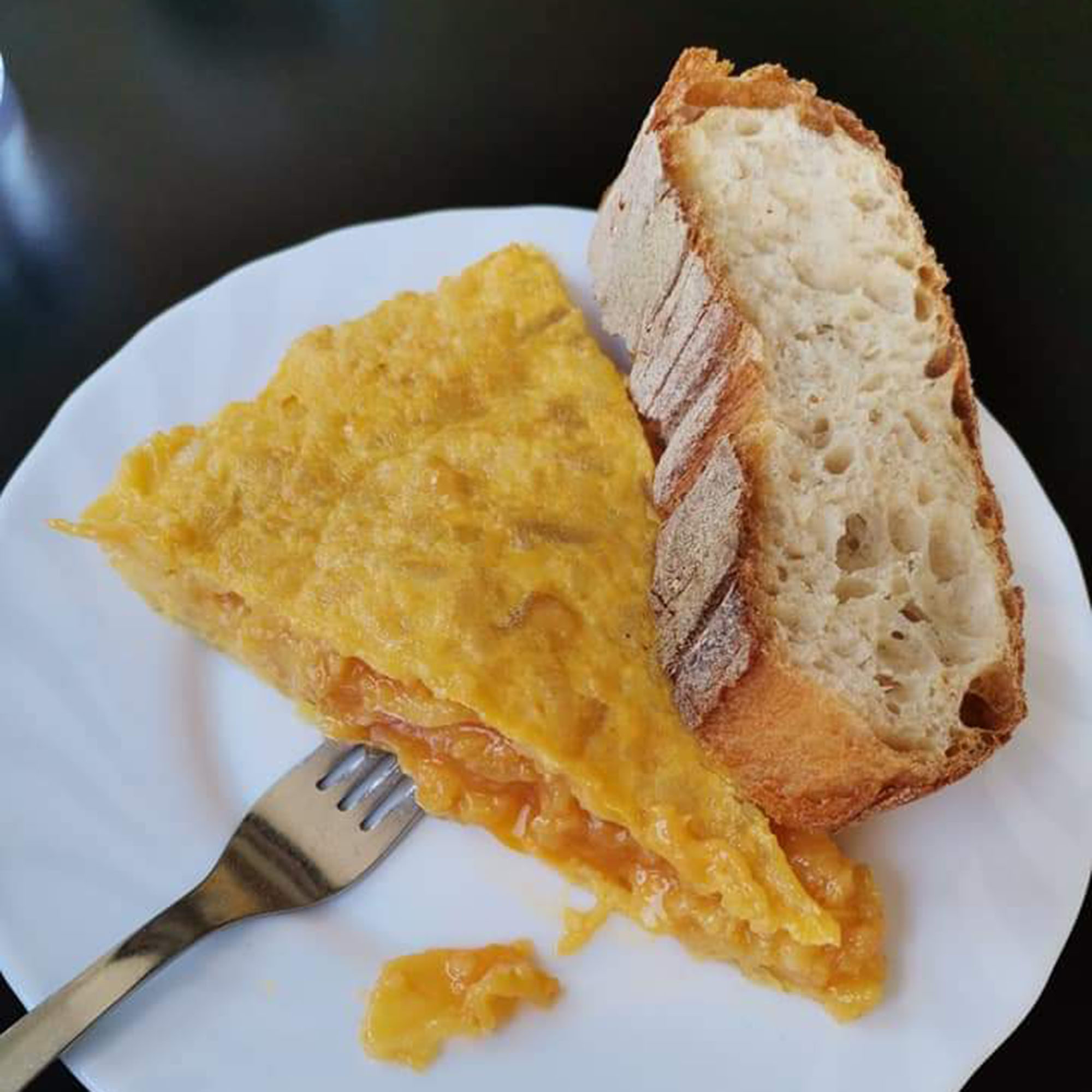
BEST FOOD TO EAT IN ALCALÁ DE HENARES Alcalá de Henares is known for its sweets and rosquillas de Alcalá are one of the city’s most famous pastries. Rosquillas de... keep reading
Academics Abroad in Spain
While academics were a big motivator for me going abroad, they did not take over my entire experience and I was able to embrace immersion and travel. The courses that... keep reading
Preparing to Study Abroad: What You Need to Know
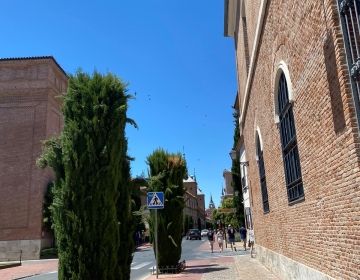
Before studying abroad in Spain this past summer, I prepared extensively to make sure everything went smoothly during my travels and upon arrival. It is important to own your abroad... keep reading
Housing & Meals
HOUSING
Housing for CIEE students is organized via the Universidad de Alcalá´s housing department.
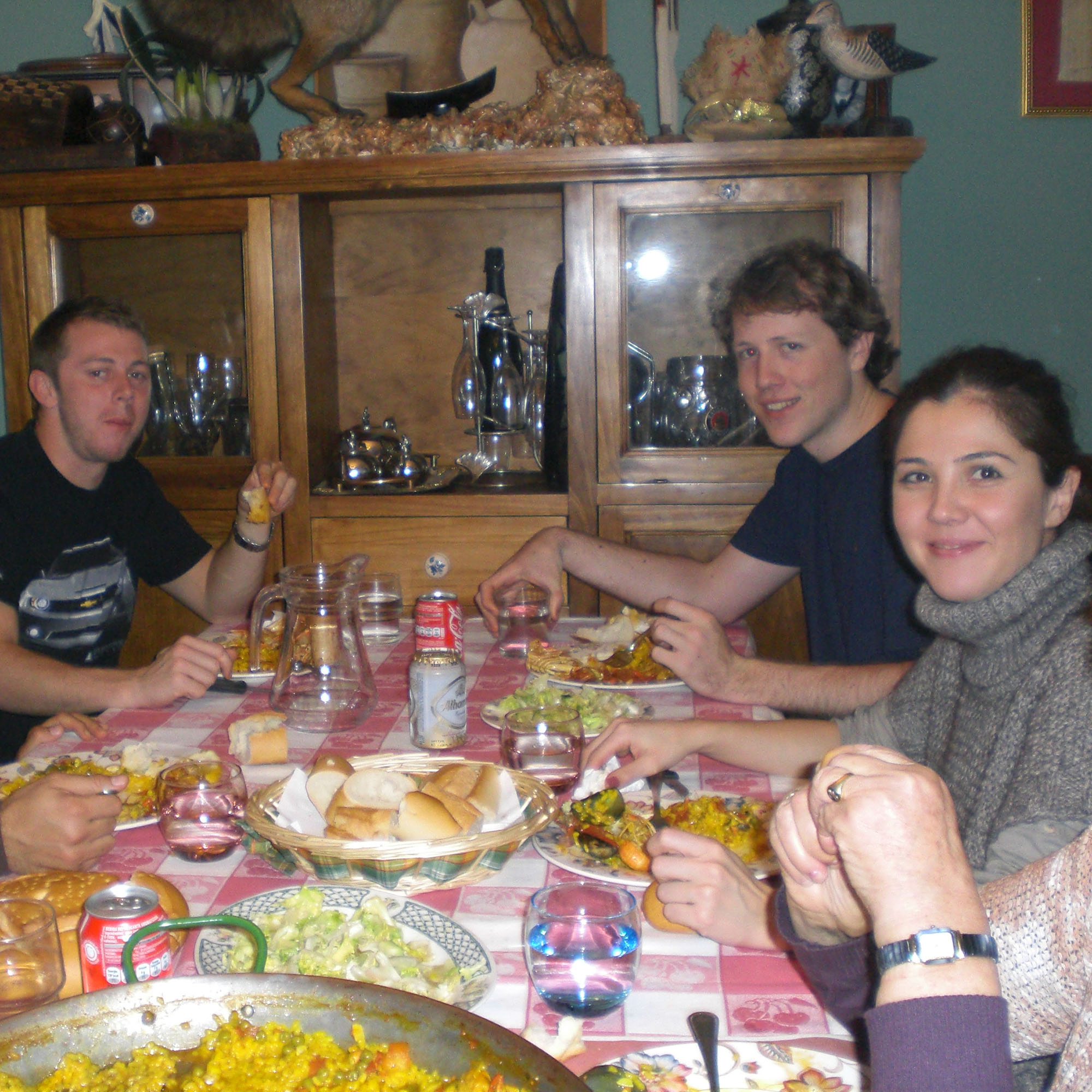
Homestay: Students can live with local hosts – a great way to absorb maximum language and culture and create lasting friendships. Hosts range from families to individuals, and for summer 2023 they welcome one CIEE student only. Each student has a private bedroom, WiFi access and laundry facilities. Students have their own individual room. Homestays are near the Instituto Benjamin Franklin at Universidad de Alcalá, where CIEE students take classes.
Student Residence: There is one privately-operated student residence in Alcalá with limited space during the summer. This modern-style, WiFi enabled accommodation typically houses students in single or double bedrooms. Residence halls are close to supermarkets, restaurants, public transport. Coin laundry service is available at an additional expense. The residence includes a study lounge, small gym, and a student cafeteria with vegetarian, halal, kosher and vegan options.
Housing decisions are at the sole discretion of the host university, Universidad de Alcala. If our host partner can’t accommodate your first housing choice, we’ll let you know before you arrive.
MEALS
Three meals are provided at your homestay and at the student residence cafeteria.
Getting Around: Students under 26 years old receive a Madrid Youth Transport Card, which allows unlimited use of the Alcalá and Madrid public bus system, commuter trains, and the local train to Madrid, which is about a 35-minute ride.
Academics
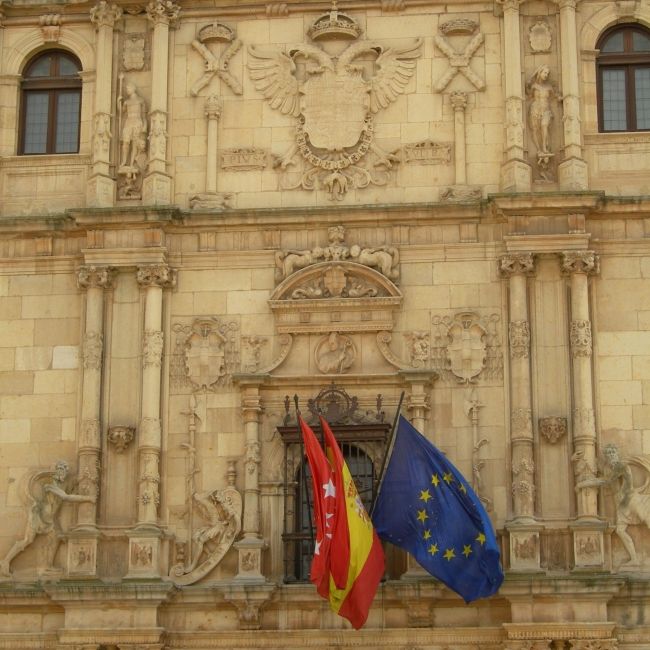
CIEE Alcalá de Henares: Study in the heart of Alcalá's historic city center! CIEE Alcalá de Henares is housed in a beautifully preserved 16th-century UNESCO World Heritage convent and boasts 10 classrooms, an office space, and iconic storks nest on the building's rooftop.
Universidad de Alcalá: One of the longest standing European universities, Universidad de Alcalá dates back to 1293. Several of its buildings have been declared part of a UNESCO World Heritage site after the university was re-founded in 1977. Courses are held at Instituto Benjamin Franklin (Instituto), a renovated 16th century convent that’s both modern and beautiful.
Course Information
CIEE students may only enroll in courses taught in Spanish.
Instituto Benjamin Franklin at the Universidad de Alcalá
Not all courses listed are offered every session, and some courses have prerequisites and/or conflicting schedules. A final list of Instituto courses is available a few months prior to the start of the program. Students should refer to the course registration form in their acceptance materials for a final list of courses. For more information, visit the Universidad de Alcalá Study Abroad Program website.
- Advanced Spanish
- Business Spanish
- Cervantes: The Adventures of Don Quixote
- Composition and Conversation: Spain through the Media
- Contemporary Spain through Films
- Contemporary Spanish Literature
- History of Spanish Painting: The Great Painters
- Introduction to Latin American Literature
- Introduction to Literary Analysis
- Masterpieces of the Spanish Literature through Film
- Phonetics and Oral Spanish
- Spain and its Gastronomy
- Spanish Art: Theory and Practice
- Spanish Culture and Civilization
- Traditions in Spain: Oral Communication
- Translation and Interpretation in a Bilingual Context
- Understanding Europe: Present and Future of the EU
Note: This course listing is for informational purposes only and does not constitute a contract between CIEE and any applicant, student, institution, or other party. The courses, as described, may be subject to change as a result of ongoing curricular revisions, assignment of lecturers and teaching staff, and program development. Courses may be canceled due to insufficient enrollment.
"(GI)" denotes courses that originated at CIEE's Global Institutes and that are offered at multiple CIEE sites.
Scholarships & Grants
CIEE offers scholarships and grants annually to help students like you make your study abroad dream a reality.
Students who apply to this program are eligible for the following scholarships and grants:
- Ping Scholarships for Academic Excellence
- Global Access Initiative (GAIN) Travel Grants
- CIEE Gilman Go Global Grant
- CIEE STEM Scholarship
To be considered, submit the CIEE Scholarships & Grants application within your CIEE program application.
Dates & Fees
You get more for every dollar when you study abroad with CIEE, because our high-quality programs include everything from excursions to insurance. There are no hidden charges, and no disappointing surprises when you arrive.
Program |
Application Due |
Start Date |
End Date |
Fees & Housing |
|---|---|---|---|---|
| Program Summer Session I 2027 4 weeks | Start Date * | End Date * | Fees & Housing $5,150 | |
| Program Summer Session II 2027 4 weeks | Start Date * | End Date * | Fees & Housing $5,150 | |
| Program Summer Session I and II 2027 9 weeks | Start Date * | End Date * | Fees & Housing $9,270 |
*Dates for this program are provided as tentative dates. Please consult with your study abroad advisor to confirm dates before purchasing your flights.
To help you budget, keep in mind that students are responsible for the cost of international airfare, local transportation, books and supplies, visas, and personal expenses. In addition, your college or university may charge additional fees for study abroad, or may require you to receive a transcript via CIEE's School of Record, which carries an additional fee of $500.
Program Fees
CIEE offers the most student support of any provider in its program fee, including an airport greeting, full-time leadership and support, orientation, cultural activities, local excursions, pre-departure advising, and CIEE iNext travel protection with benefits.
| Participation Confirmation | $500 * |
| Educational Costs | $3,200 ** |
| Housing | $1,250 *** |
| Insurance | $200 |
| Total Fees | $5,150 |
Financial Aid
CIEE offers the most grants and scholarships of any study abroad organization, including $8 million/year in travel grants, merit-based scholarships, institutional grants, and Gilman Go Global Grants.
Estimated Costs
Students are responsible and manage costs related to travel, meals, books, and personal expenses. Below are estimates for consideration.
| Meals not included in program fee | $123 † |
| International Airfare | $1,250 †† |
| Local Transportation | $0 ††† |
| Books & Supplies | $10 |
| Personal expenses | $927 †††† |
| Total Costs | $2,310 |
*non-refundable
**direct cost of education charged uniformly to all students
***includes all meals
†For students in homestays, families provide all meals (breakfast, lunch and dinner). The listed estimated cost is optional for dining out once per week ($123/session). Budget more money if you plan on eating out regularly. For students in residence halls/apartments, you should budget approx. $266 per month for groceries if you plan on making your own meals, and more if you plan on eating out regularly.
††Round-trip flight based on U.S. East Coast departure, dependent on carrier.
†††Local public transport card included in program fee
††††Personal expenses may include but are not limited to the following: taxis, social activities and entertainment, toiletries, cell phone. Does not include personal travel.
Program Fees
CIEE offers the most student support of any provider in its program fee, including an airport greeting, full-time leadership and support, orientation, cultural activities, local excursions, pre-departure advising, and CIEE iNext travel protection with benefits.
| Participation Confirmation | $500 * |
| Educational Costs | $3,200 ** |
| Housing | $1,250 *** |
| Insurance | $200 |
| Total Fees | $5,150 |
Financial Aid
CIEE offers the most grants and scholarships of any study abroad organization, including $8 million/year in travel grants, merit-based scholarships, institutional grants, and Gilman Go Global Grants.
Estimated Costs
Students are responsible and manage costs related to travel, meals, books, and personal expenses. Below are estimates for consideration.
| Meals not included in program fee | $123 † |
| International Airfare | $1,250 †† |
| Local Transportation | $0 ††† |
| Books & Supplies | $10 |
| Personal expenses | $927 †††† |
| Total Costs | $2,310 |
*non-refundable
**direct cost of education charged uniformly to all students
***includes all meals
†For students in homestays, families provide all meals (breakfast, lunch and dinner). The listed estimated cost is optional for dining out once per week ($123/session). Budget more money if you plan on eating out regularly. For students in residence halls/apartments, you should budget approx. $266 per month for groceries if you plan on making your own meals, and more if you plan on eating out regularly.
††Round-trip flight based on U.S. East Coast departure, dependent on carrier.
†††Local public transport card included in program fee
††††Personal expenses may include but are not limited to the following: taxis, social activities and entertainment, toiletries, cell phone. Does not include personal travel.
Program Fees
CIEE offers the most student support of any provider in its program fee, including an airport greeting, full-time leadership and support, orientation, cultural activities, local excursions, pre-departure advising, and CIEE iNext travel protection with benefits.
| Participation Confirmation | $500 * |
| Educational Costs | $6,070 ** |
| Housing | $2,500 *** |
| Insurance | $200 |
| Total Fees | $9,270 |
Financial Aid
CIEE offers the most grants and scholarships of any study abroad organization, including $8 million/year in travel grants, merit-based scholarships, institutional grants, and Gilman Go Global Grants.
Estimated Costs
Students are responsible and manage costs related to travel, meals, books, and personal expenses. Below are estimates for consideration.
| Meals not included in program fee | $246 † |
| International Airfare | $1,250 †† |
| Local Transportation | $0 ††† |
| Books & Supplies | $20 |
| Personal expenses | $954 †††† |
| Total Costs | $2,470 |
*non-refundable
**direct cost of education charged uniformly to all students
***includes all meals
†For students in homestays, families provide all meals (breakfast, lunch and dinner). The listed estimated cost is optional for dining out once per week ($123/session). Budget more money if you plan on eating out regularly. For students in residence halls/apartments, you should budget approx. $266 per month for groceries if you plan on making your own meals, and more if you plan on eating out regularly.
††Round-trip flight based on U.S. East Coast departure, dependent on carrier.
†††Local public transport included in program fee
††††Personal expenses may include but are not limited to the following: taxis, social activities and entertainment, toiletries, cell phone. Does not include personal travel.
What's Included
Tuition
Housing
Pre-departure Advising
Advising before you depart to set goals and answer questions
Optional on-site airport meet-and-greet
Orientation
Introduction to your program plus practical information about living in your host city
On-site Staff
Full-time program leadership and support in your city
Cultural and/or Co-curricular Activities
Excursions and/or Study Tours
Travel Protection
CIEE iNext travel protection
24/7 emergency on-site support
Our Staff

Eero Jesurun
Center Director
Get Started
1
2
Connect With Your Campus Study Abroad Office
Share your plans and confirm you're on track to meet all required steps to go abroad.
3
Contact Us
Send us an email if you still have questions or need information about applying to this program.
You might also like

- Barcelona, Spain
- Study Program
...for 1, 2, or 3 term blocks!

- Madrid, Spain
- Study Program
- Part-Time Internship
...for 1, 2, or 3 term blocks!

- Seville, Spain
- Study Program
...for 1, 2, or 3 term blocks!