
Summer Korean Studies
AACSB and EQUIS Accredited

Unique Experiences
Choose from diverse courses
like the arts, humanities, Korean studies, economics, sciences, technology, and more
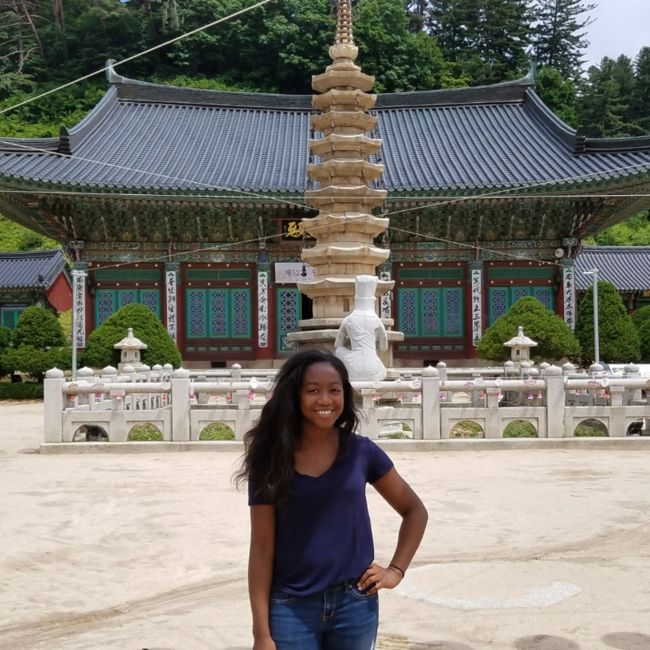
Visit temples and historic sites
like the Korean Demilitarized Zone and other significant places
Fast-forward your Korean language skills
with courses at all levels

Your Destination
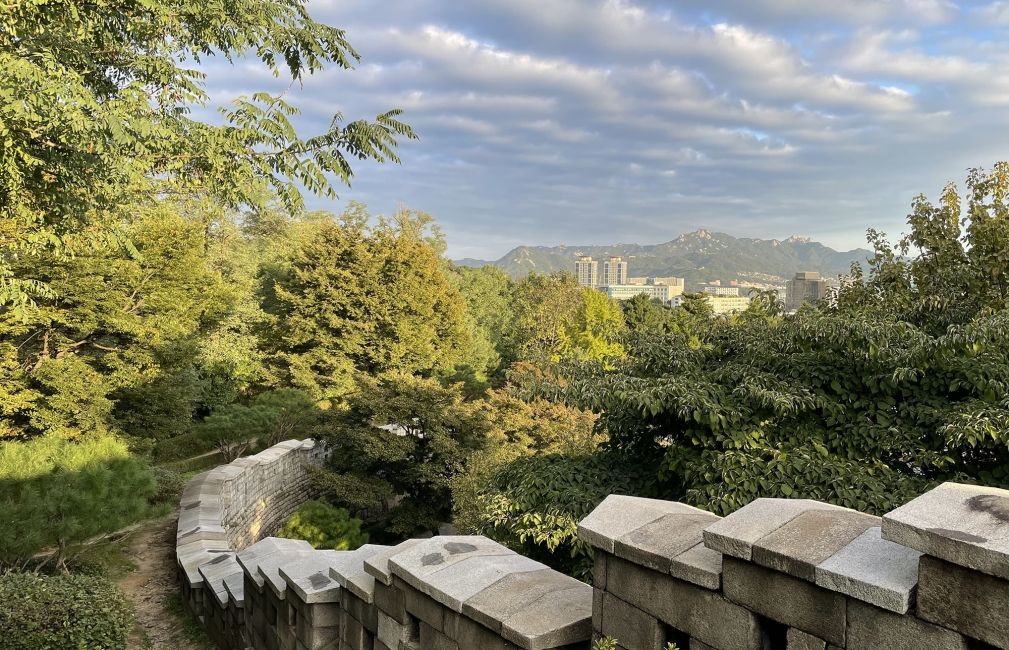
Seoul is South Korea’s cosmopolitan capital, known for its vibrant summer energy and rich cultural heritage. Summer is the perfect time to experience the city in full swing – explore iconic landmarks like Gyeongbokgung Palace and N Seoul Tower, enjoy lively night markets, seasonal festivals, and scenic river parks. Whether you're majoring in business, science, engineering, technology, communications, psychology, health sciences, liberal arts, language, or fine arts, Seoul is the perfect place to study abroad in the summer.

Program Highlights
- Academic Course: Choose from host institution courses that align with your academic major.
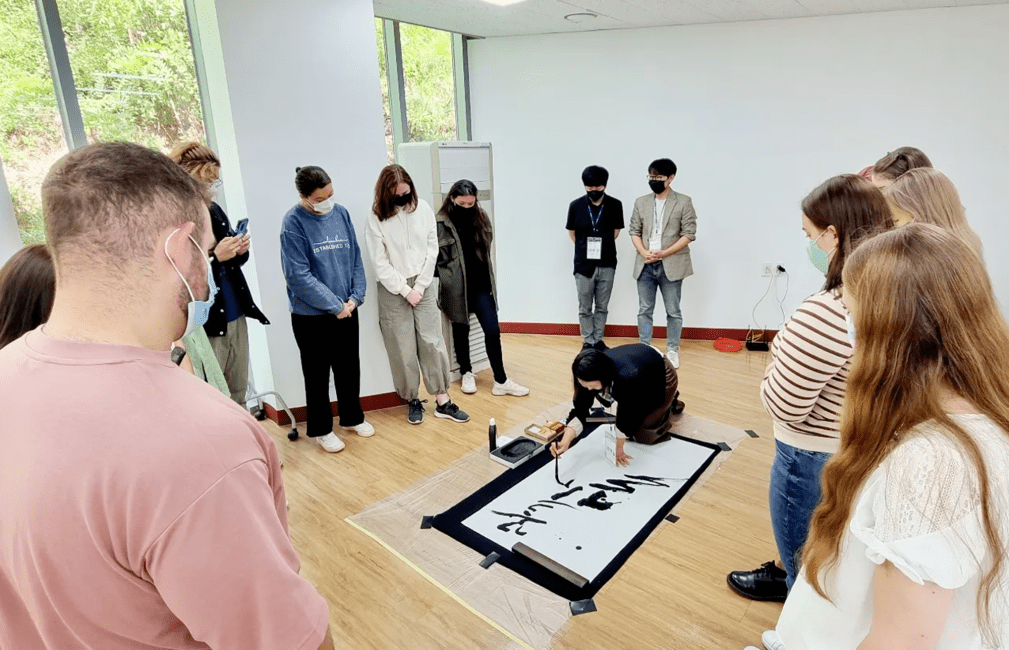
- Immersive Experiences: Participate in activities, excursions, study tours, and more that showcase your host city's culture, values, and local art, film, music, cuisine, and sports scenes.

Excursions & Activities
CIEE’s excursions and cultural activities in Seoul will open doors for you to explore South Korea’s rich diversity, language, culture, history, and timeless beauty in ways that will enhance your time abroad.
Samples of past excursions and activities:
- Learn about the Korean Wave, a.k.a. Hallyu, at the source, and see what’s behind the spread of South Korean culture kicked off by K-Pop
- Take a Korean cooking class along with a street food tour
- Learn taekwondo during Friday morning sessions at Yonsei University
Please note: Activities are based on past programs and subject to change at CIEE's discretion to adapt to local circumstances and participant feedback. Our goal when arranging activities is always to enhance your experience.
Program Blogs

The Ultimate Guide to Summer Study Abroad
A summer study abroad experience is the best. With good weather, unbelievable global destinations, and the chance to earn extra credits toward your degree, you just can’t beat a summer... keep reading

Allowing Spontaneity to Improve Your Experience Abroad
One of the main reasons I wanted to study abroad- and chose somewhere that would be completely new and unfamiliar to me- was because I wanted to push myself and... keep reading
Put Yourself Out There: Being Open Despite Being Uncomfortable
While very excited, I was quite nervous about going to a place as new and different from what I know as Seoul, but now that I am here, I am... keep reading
Housing & Meals
Housing
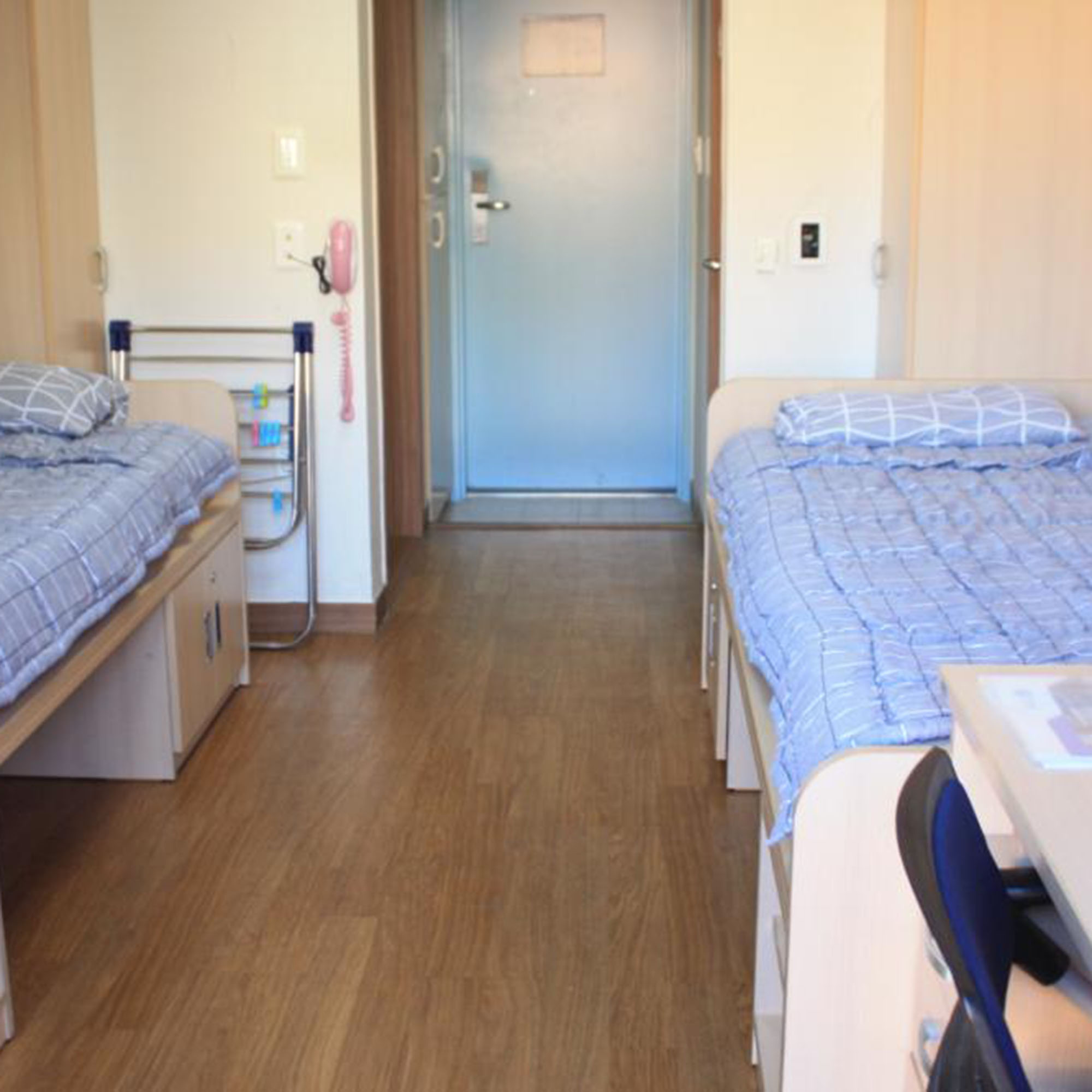
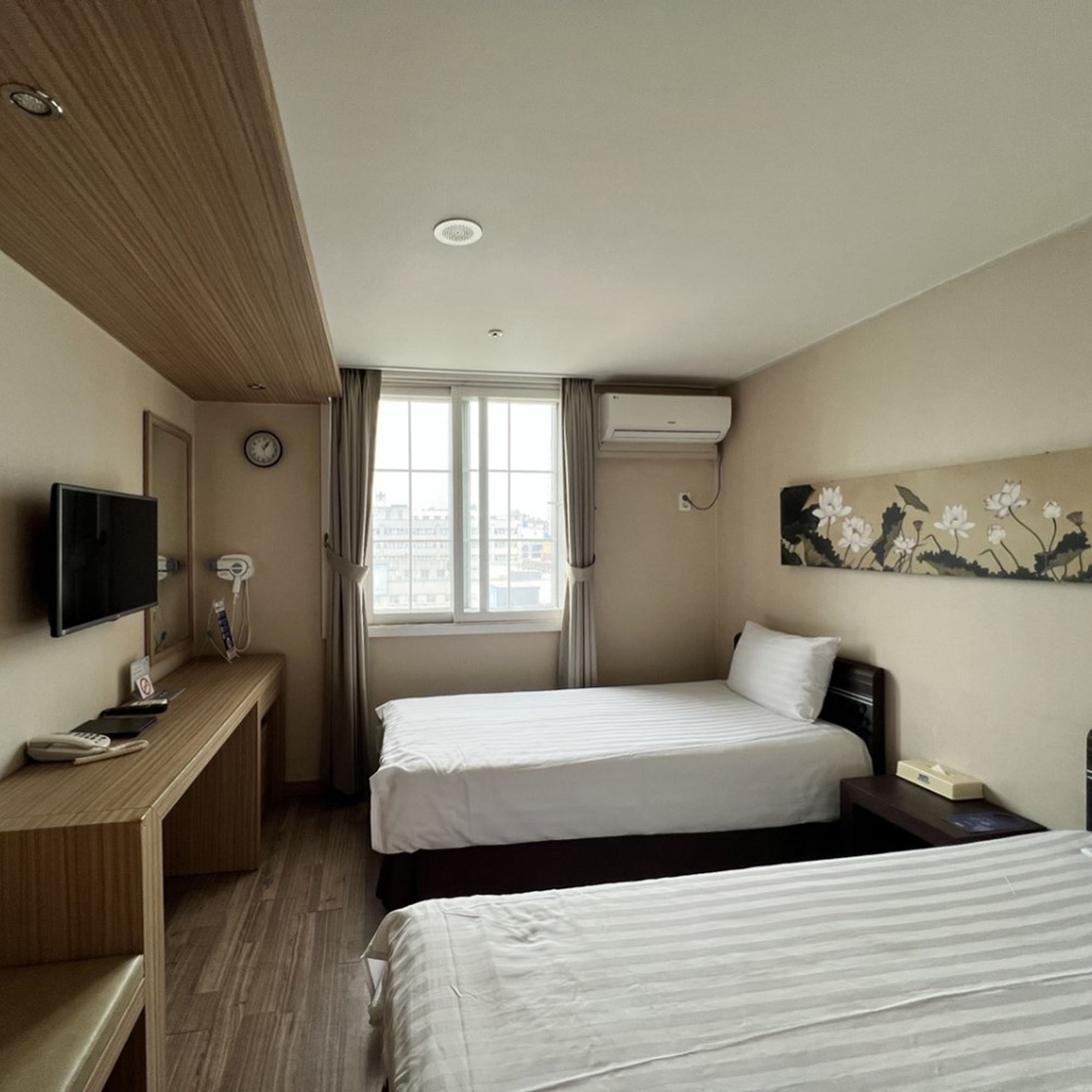
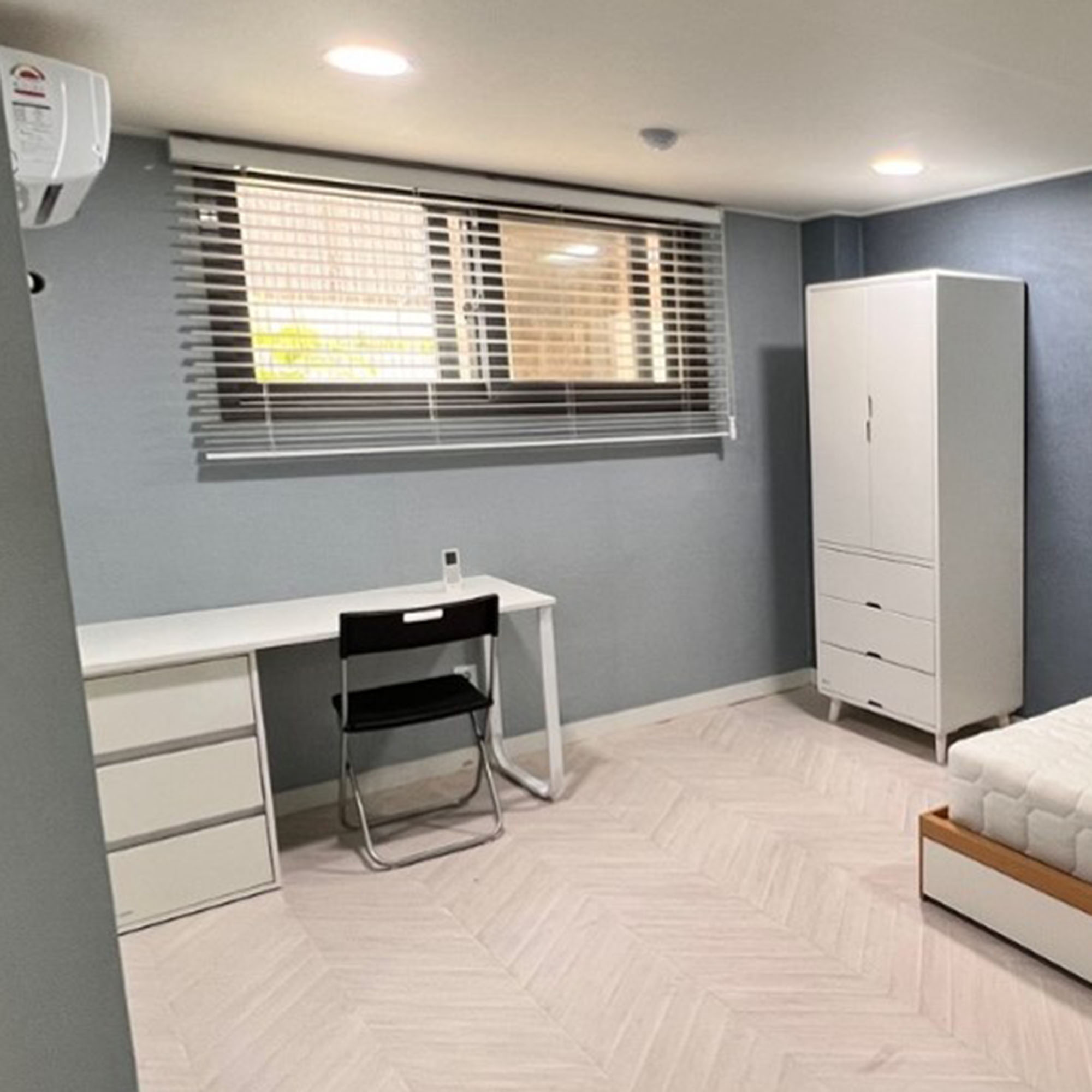
CIEE Seoul offers diverse housing options to ensure you’re comfortable in your home away from home. From twin rooms on campus to single rooms off campus, we will strive for your accommodation preferences to be met. All housing options are located in neighborhoods with convenient access to public transportation, shops, cafés, and eateries.
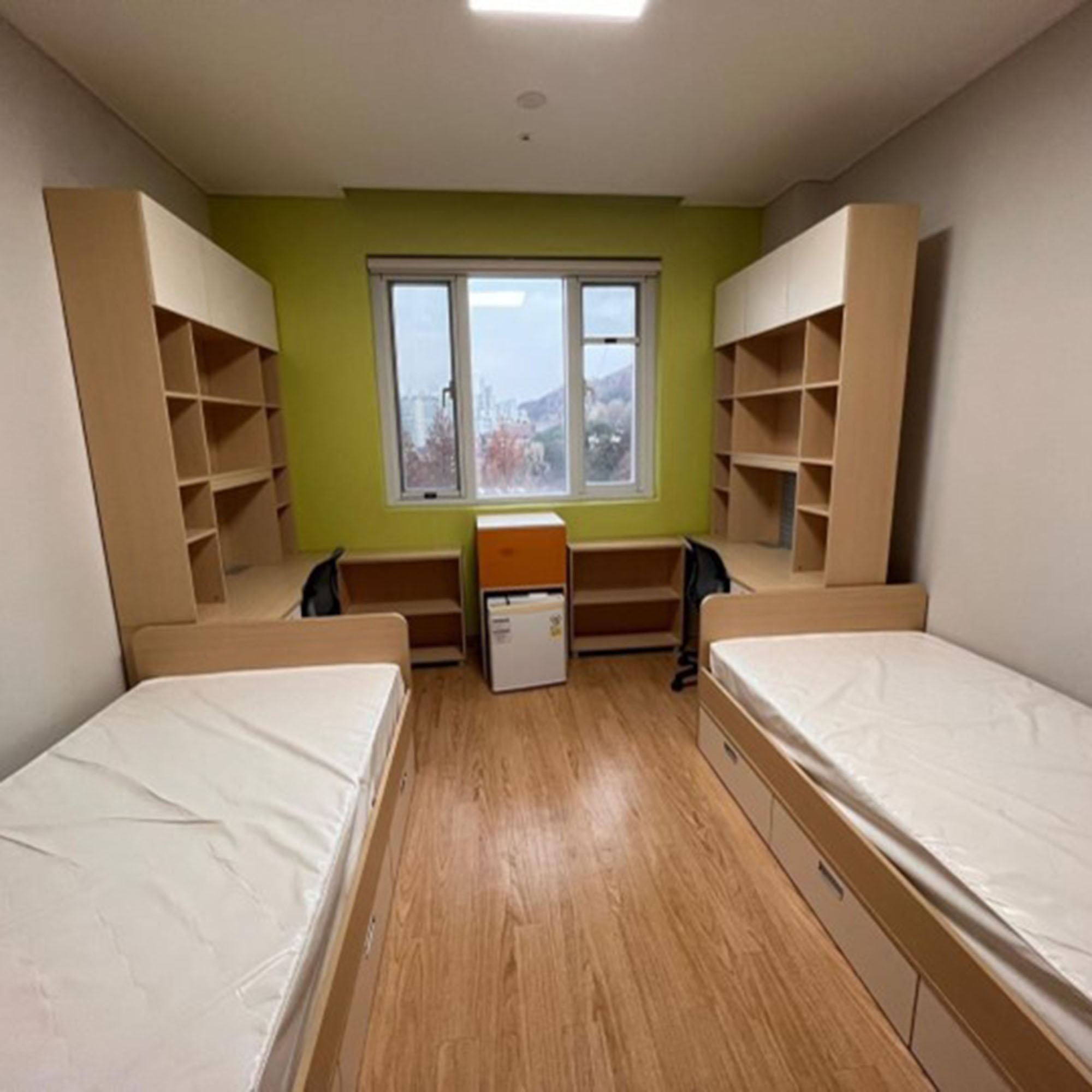
Standard Housing includes twin-room accommodations. Depending on your acceptance date and availability, rooms may be located on campus or off campus. All Standard Housing options provide access to study rooms, a fitness center, shared kitchen, and laundry facilities, as well as internet access.
- If you are accepted into the CIEE Program by March 13, 2026:
You will be eligible to be considered for on-campus standard housing provided that all information required is submitted by March 17, 2026. - If you are accepted into the CIEE Program between March 14 and April 1, 2026:
Your application will be processed as off-campus standard housing only.
Select Plus Housing: Includes a single room in a residence hall off campus within 30 minutes by public transportation to Yonsei University. Each room features an ensuite toilet and shower, a desk and a chair. The residence hall has a shard kitchenette and washing machines. Select Plus housing requires an additional fee.
A note: The default criterion to assign housing is first-come, first-served; however, other factors may also be considered. If we cannot accommodate your first housing choice, we'll let you know before you arrive. Non-standard housing options require an additional fee that can be found in the program Dates and Fees.
Meals
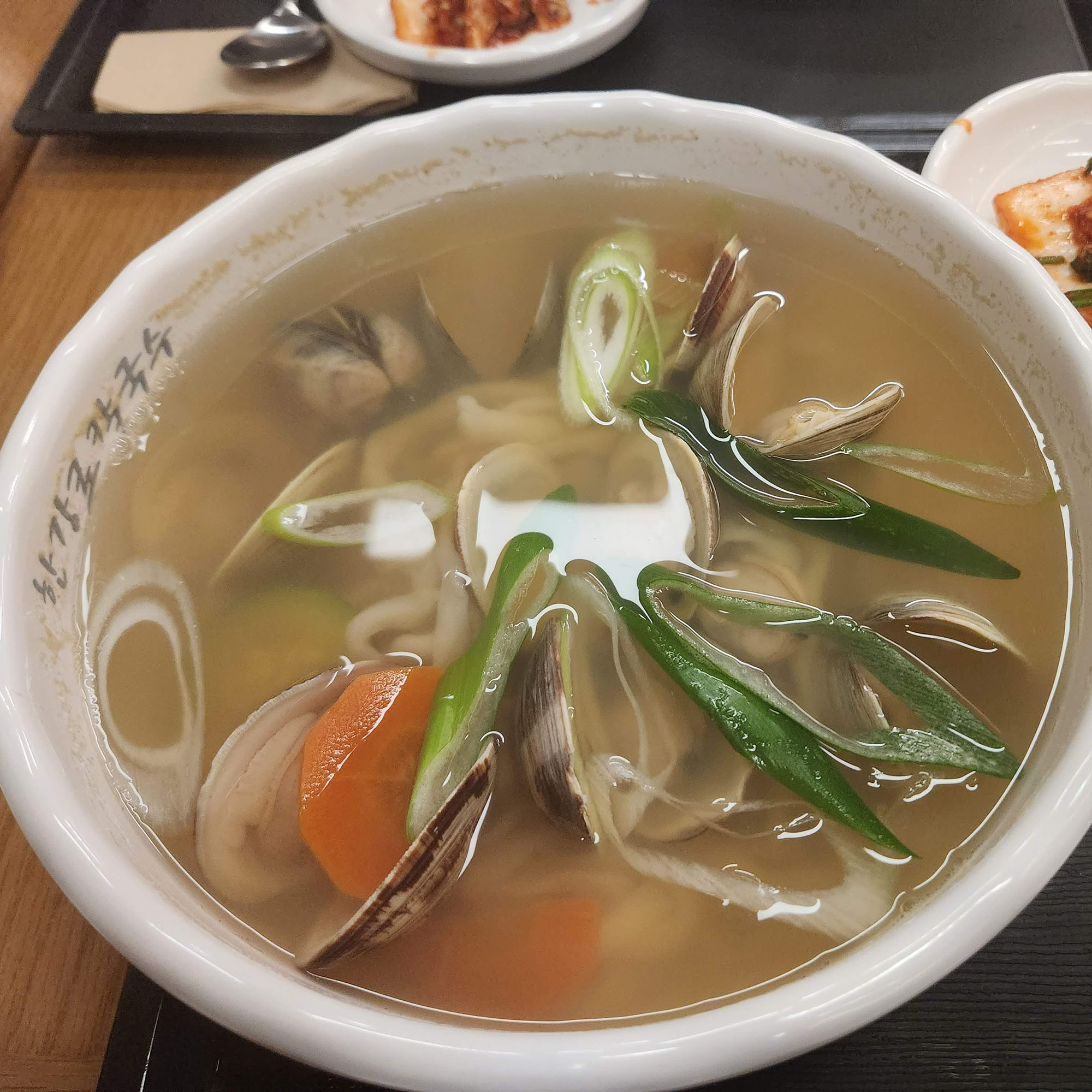
Programs in Seoul do not offer a meal plan. However, students can prepare food in their kitchenette. Also, there are many food vendors with a wide variety of restaurants throughout Seoul representing many different cultures, diets (including halal food, vegetarian, etc.), and price points.
Academics
CIEE Seoul: Study in the heart of downtown Seoul in Jonggak, just steps from Jonggak Station (Line 1, Exit 10). The CIEE Center features cozy lounges, quiet study spaces, and fast Wi-Fi, with cafés, restaurants, shops, and cultural landmarks just around the corner. With easy access to public transportation and nonstop city energy, Jonggak is the perfect home base while abroad.
Yonsei University: Yonsei University is the most prestigious private institution of higher education in South Korea with 18 graduate schools, 21 colleges, and a student population of more than 30,000, including more than 14,000 students from 25 countries. The large, beautiful campus offers superior athletic facilities, including a fitness center, pool, gym, and basketball and tennis courts.
Course Information
Students may only choose Yonsei University courses available to the 6-week program.
Yonsei University Summer School Courses
Students enroll directly in Yonsei University summer school courses. View course listings and syllabi. The following is a sampling of courses available. Course offerings change from year to year. They are typically listed, along with syllabi, on the Yonsei University website under the Yonsei International Summer School section at the beginning of the application period and are available in CIEE enrollment materials. Students are advised to remain flexible in their course selection as some classes may be canceled due to low enrollment. Students are encouraged to have course alternatives in the event their first choice is unavailable.
Note: CIEE participants can only enroll in 6-week courses, not 4-week courses.
- Korean Language
- Basic Principles of U.S. Law
- Asian American Literature
- Business Management and Real World Practice
- Contemporary Korean Culture & the Korean Culture Wave
- Developmental Psychology
- East Asian Art History
- Calculus (1)
- Econometrics (1)
- Entrepreneurship and Management
- Family Psychology
- Game Theory and Applications
- Genetics
- Global Korean Music and Culture: From Arirang to K-Pop
- Global Supply Chain Management
- Human Body, Diseases, and Research
- International Management
- Introduction to Art History
- Introduction to Big Data Analysis
- Introduction to Computer Graphics
Note: This course listing is for informational purposes only and does not constitute a contract between CIEE and any applicant, student, institution, or other party. The courses, as described, may be subject to change as a result of ongoing curricular revisions, assignment of lecturers and teaching staff, and program development. Courses may be canceled due to insufficient enrollment.
"(GI)" denotes courses that originated at CIEE's Global Institutes and that are offered at multiple CIEE sites.
Scholarships & Grants
CIEE offers scholarships and grants annually to help students like you make your study abroad dream a reality.
Students who apply to this program are eligible for the following scholarships and grants:
- Wollitzer Merit Scholarships in Area or Comparative Studies
- Ping Scholarships for Academic Excellence
- Global Access Initiative (GAIN) Travel Grants
- CIEE Gilman Go Global Grant
- CIEE STEM Scholarship
To be considered, submit the CIEE Scholarships & Grants application within your CIEE program application.
Dates & Fees
You get more for every dollar when you study abroad with CIEE, because our high-quality programs include everything from excursions to insurance. There are no hidden charges, and no disappointing surprises when you arrive.
*Dates for this program are provided as tentative dates. Please consult with your study abroad advisor to confirm dates before purchasing your flights.
To help you budget, keep in mind that students are responsible for the cost of international airfare, local transportation, books and supplies, visas, and personal expenses. In addition, your college or university may charge additional fees for study abroad, or may require you to receive a transcript via CIEE's School of Record, which carries an additional fee of $500.
Program Fees
CIEE offers the most student support of any provider in its program fee, including an airport greeting, full-time leadership and support, orientation, cultural activities, local excursions, pre-departure advising, and CIEE iNext travel protection with benefits.
| Participation Confirmation | $500 * |
| Educational Costs | $6,500 ** |
| Housing | $1,550 *** |
| Insurance | $200 |
| Total Fees | $8,750 |
Financial Aid
CIEE offers the most grants and scholarships of any study abroad organization, including $8 million/year in travel grants, merit-based scholarships, institutional grants, and Gilman Go Global Grants.
Estimated Costs
Students are responsible and manage costs related to travel, meals, books, and personal expenses. Below are estimates for consideration.
| Meals not included in program fee | $939 † |
| International Airfare | $1,700 †† |
| Local Transportation | $150 |
| Books & Supplies | $150 |
| Personal expenses | $1,005 ††† |
| Total Costs | $3,944 |
*non-refundable
**direct cost of education charged uniformly to all students
***Housing fees listed are for financial aid purposes only and should not be considered a basis for calculation of refunds.
†The listed estimated cost is for groceries if you plan on making your own meals ($530/month) and the optional estimated cost for dining out once per week ($144). Budget more money if you plan on eating out regularly.
††Round-trip flight based on U.S. East Coast departure, dependent on carrier.
†††Personal expenses may include but are not limited to the following: taxis, social activities and entertainment, toiletries, cell phone. Does not include personal travel.
Program Fees
CIEE offers the most student support of any provider in its program fee, including an airport greeting, full-time leadership and support, orientation, cultural activities, local excursions, pre-departure advising, and CIEE iNext travel protection with benefits.
| Participation Confirmation | $300 * |
| Educational Costs | $6,850 ** |
| Housing | $1,400 *** |
| Insurance | $200 |
| Total Fees | $8,750 |
Optional Housing
CIEE accommodation options are detailed in the Housing section. Based on availability, Select or Select Plus Housing can be chosen during the application process for an additional fee. Housing is assigned on a first-come, first-served basis; however, other factors may also be considered.
| Select Plus Housing Fee | $1,350 |
Financial Aid
CIEE offers the most grants and scholarships of any study abroad organization, including $8 million/year in travel grants, merit-based scholarships, institutional grants, and Gilman Go Global Grants.
Estimated Costs
Students are responsible and manage costs related to travel, meals, books, and personal expenses. Below are estimates for consideration.
| Meals not included in program fee | $795 † |
| International Airfare | $1,600 |
| Local Transportation | $150 |
| Books & Supplies | $150 |
| Personal expenses | $210 †† |
| Total Costs | $2,905 |
*non-refundable
**direct cost of education charged uniformly to all students
***Housing fees listed are for financial aid purposes only and should not be considered a basis for calculation of refunds.
†For groceries if you plan on making your own meals, budget more money if you plan on eating out regularly.
††$100 emergency fund + cell phone expense + toiletries
What's Included
Tuition
Housing
Pre-departure Advising
Advising before you depart to set goals and answer questions
Optional on-site airport meet-and-greet
Orientation
Introduction to your program plus practical information about living in your host city
On-site Staff
Full-time program leadership and support in your city
Cultural and/or Co-curricular Activities
Excursions and/or Study Tours
Travel Protection
CIEE iNext travel protection
24/7 emergency on-site support
Our Staff

Philip Jung
Center Director

Teddy Choi
Director of Operations
Teddy’s passion and love of international education was driven by his life-changing study abroad experience in the US. He tries to go the extra mile for every single student to...

Beatrice Jaeeun Cho
Academic Manager
Beatrice Jaeeun Cho holds a Master's degree in Mental Health Counseling from Andrews University. After moving back to Korea, Beatrice joined CIEE Seoul as a Senior Academics Coordinator in April...
Get Started
1
2
Connect With Your Campus Study Abroad Office
Share your plans and confirm you're on track to meet all required steps to go abroad.
3
Contact Us
Send us an email if you still have questions or need information about applying to this program.
You might also like

- Seoul, South Korea
- Study Program
...for 1, 2, or 3 term blocks!

- Study Program
- Part-Time Internship

- Study Program