Study Abroad in Mérida
College Study Abroad

Explore Mérida with CIEE
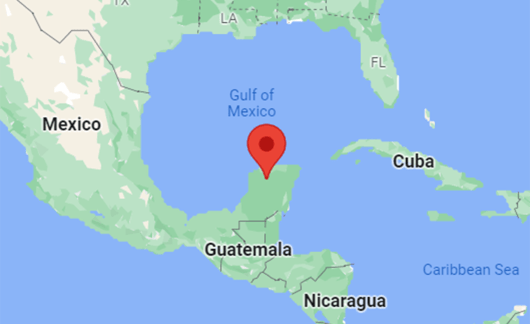
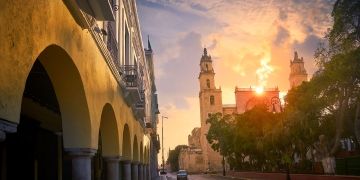
Step into a city where ancient roots and modern life intertwine when you study abroad in Mérida, Mexico, situated on the Yucatán Peninsula. Wander cobblestone streets lined with colorful colonial buildings, brush up on your Spanish in open-air markets, and explore nearby wonders like the cenotes of Homún, the ancient ruins of Uxmal, and the flamingo-filled lagoons of Celestún. Catch live music in Plaza Grande, cool off with a marquesita from a street vendor, or spend an afternoon touring the Gran Museo del Mundo Maya to deepen your understanding of the region’s Indigenous heritage. Mérida study abroad offers a blend of discovery, community, and growth in one of Mexico’s safest and most welcoming cities.
During a Mérida study abroad program, students may complete a full- or part-time internship, gaining real-world international work experience and developing valuable professional skills. Internships are available across diverse industries, including business, marketing, arts, sustainability, and more, providing a well-rounded perspective of today's global job market and enriching the overall study abroad experience.
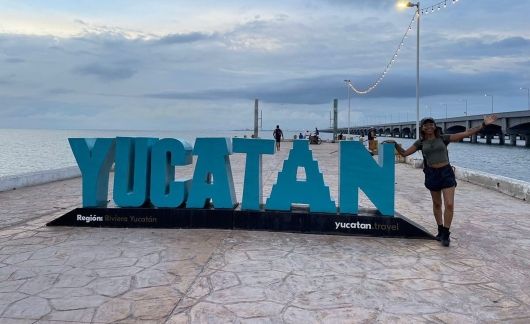
Top Activities in Mérida with CIEE
Every Mérida study abroad semester program has frequent cultural excursions uniquely designed to complement the program’s curriculum and enhance students’ cultural immersion. In Mérida, past tours and excursions have included:
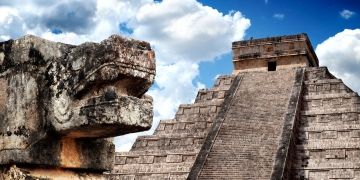
- Exploring the ruins of Chichén Itzá, perhaps the most famous pre-Columbian site built by the Maya and one of the Seven Wonders of the World
- Visiting beautiful underground cenotes at Cuzama and experiencing a journey on a “truk,” a mine cart pulled by horses
- Taking a boat ride over pink waters at Ria Celestun, a biosphere reserve where you can explore mangroves, look for crocodiles, and visit enormous concentrations of flamingos
About CIEE Mérida
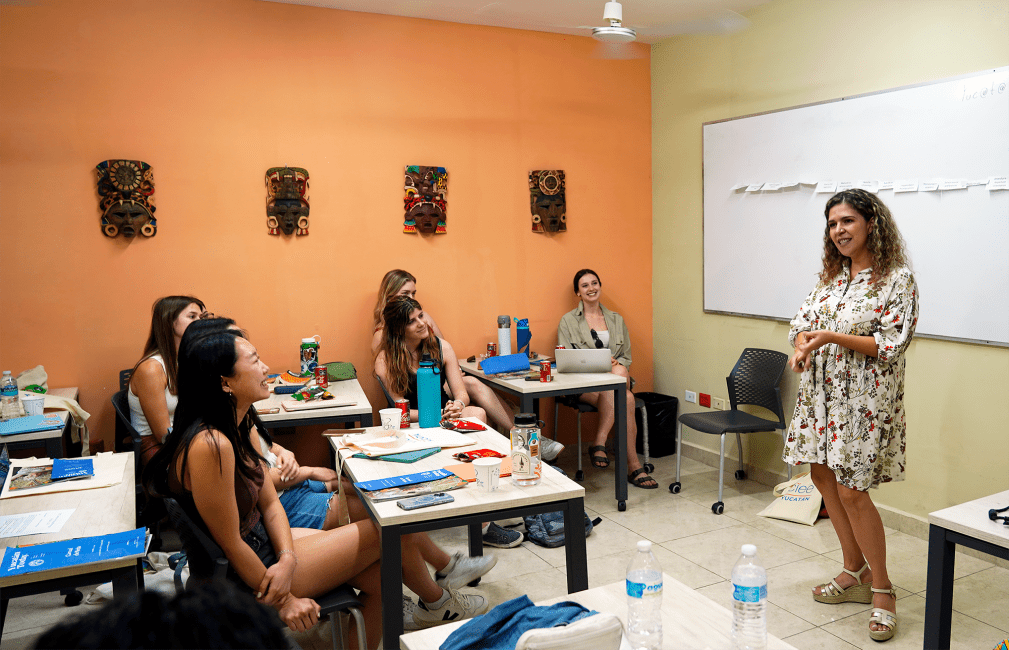
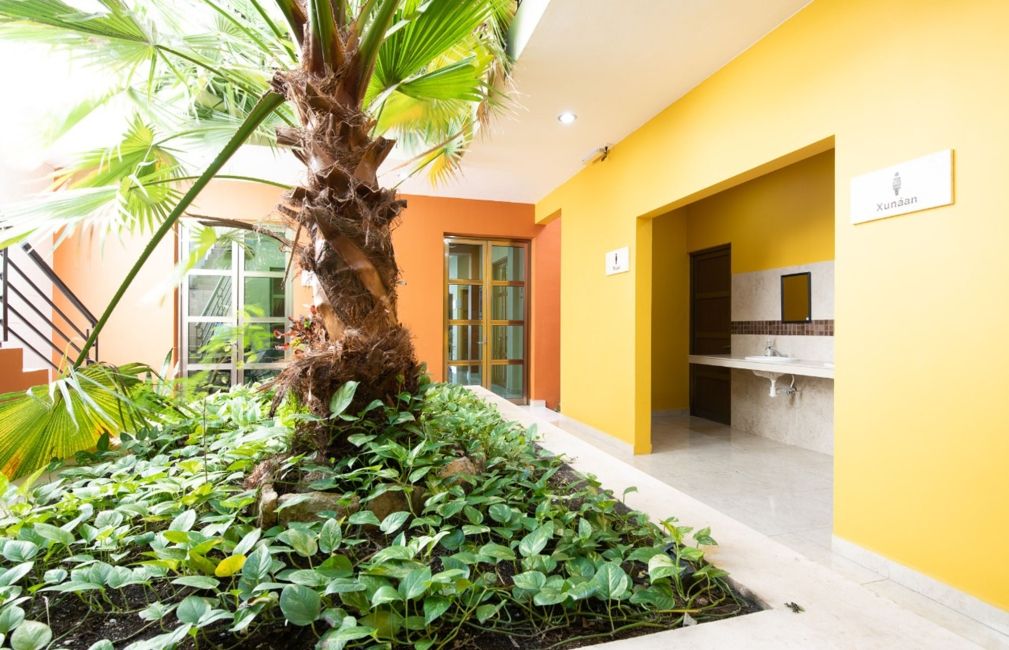
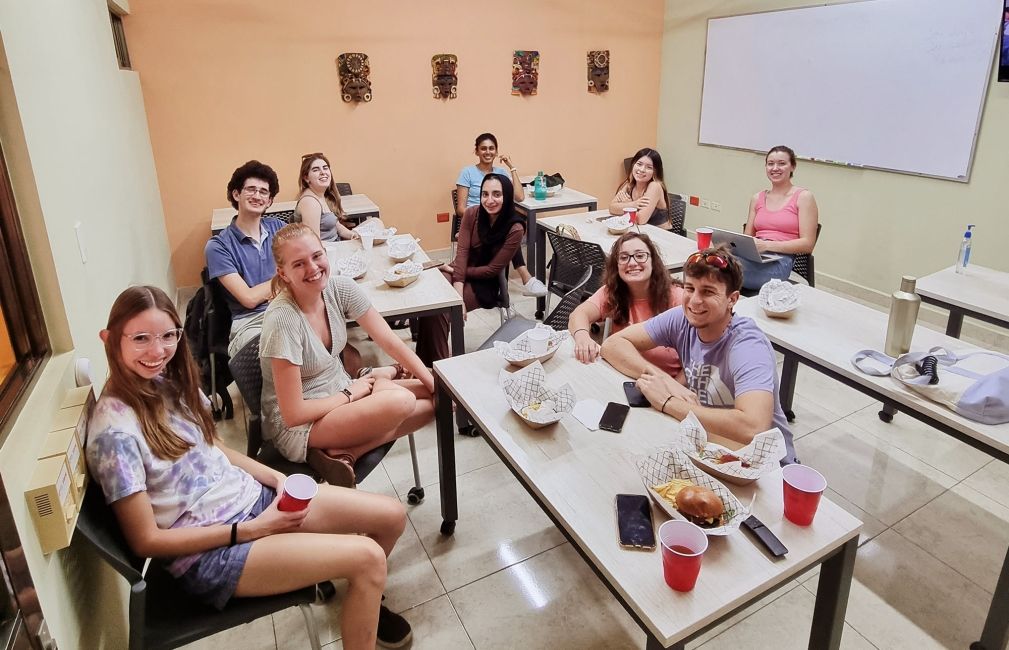
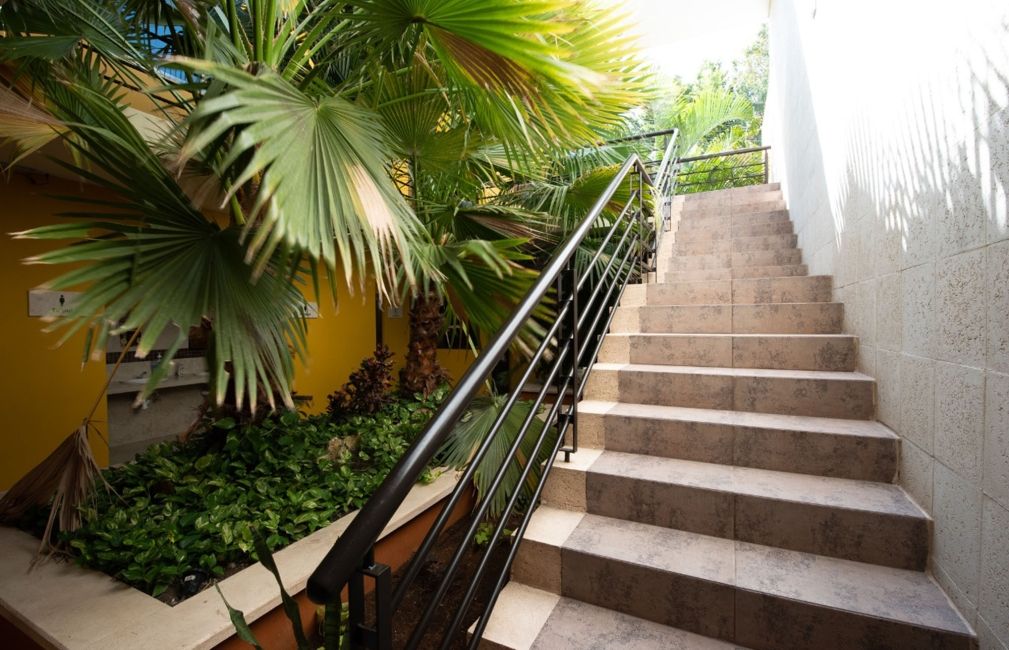
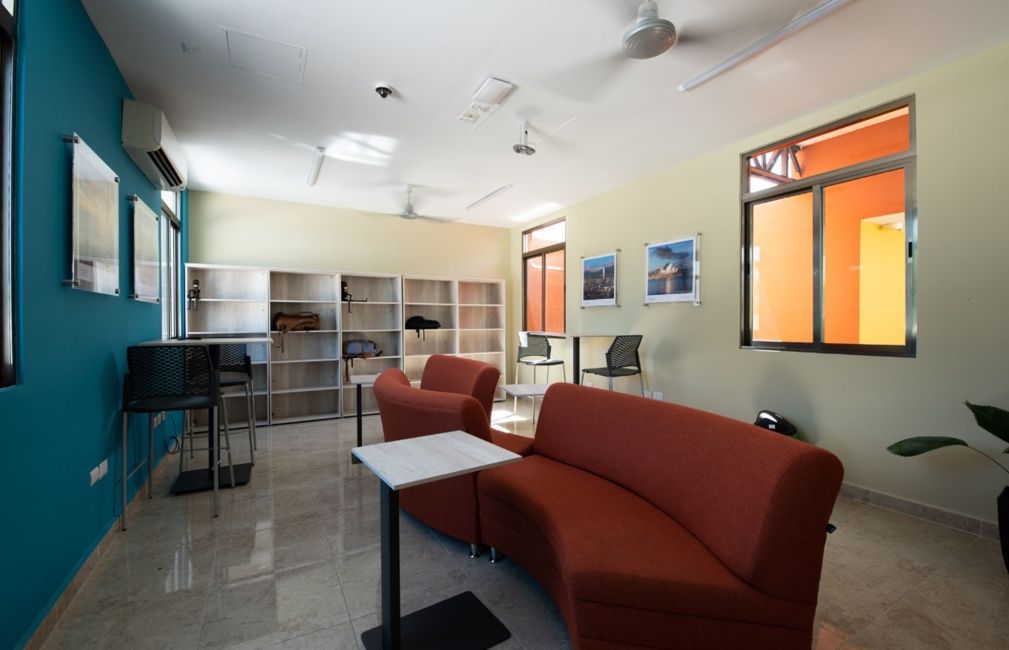
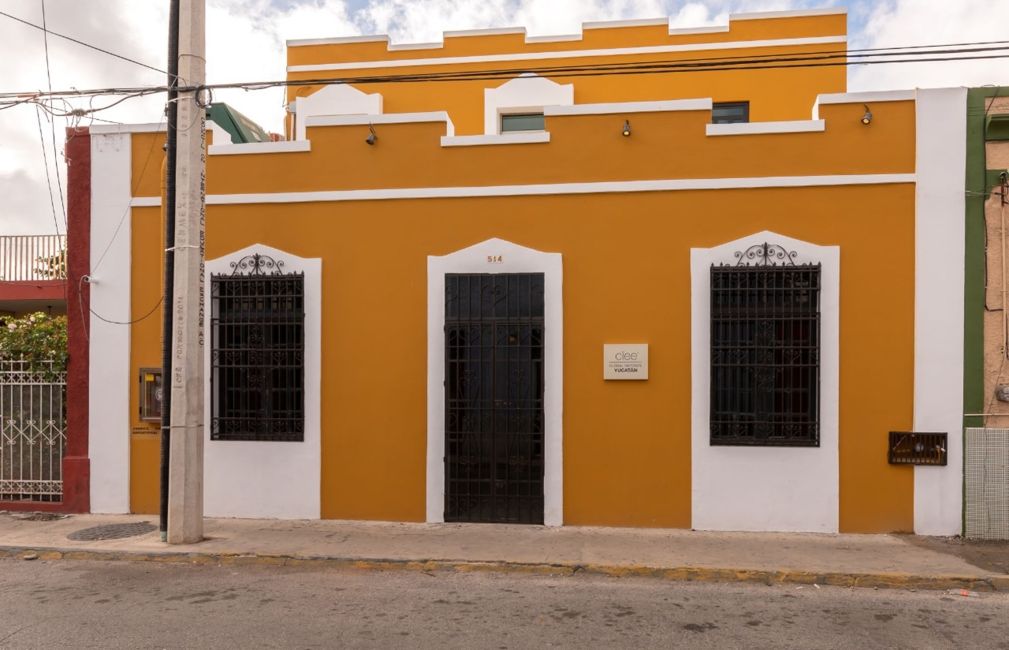
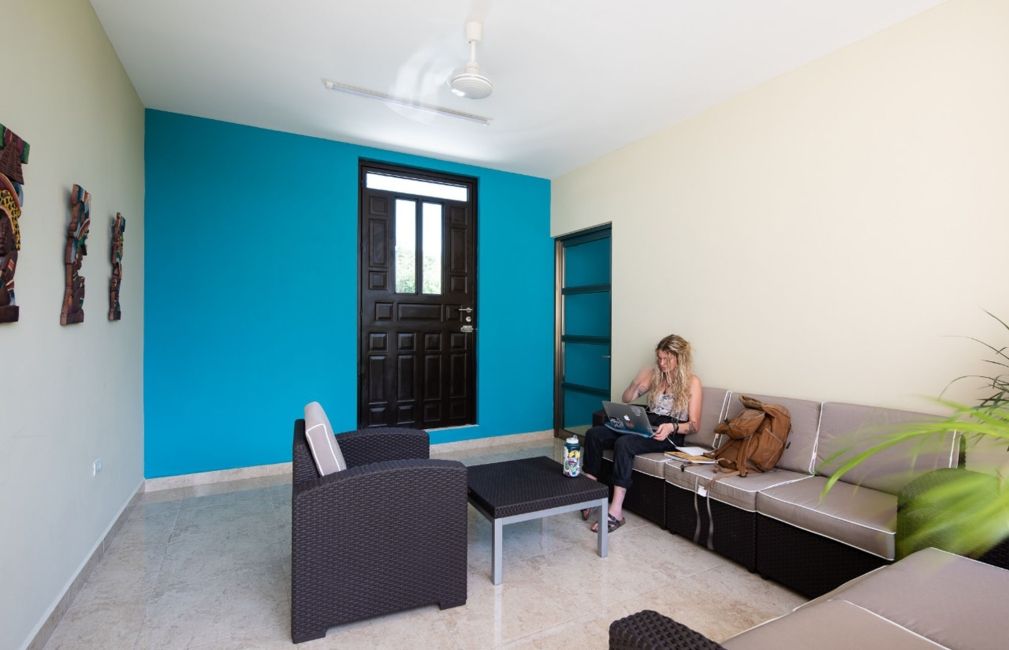
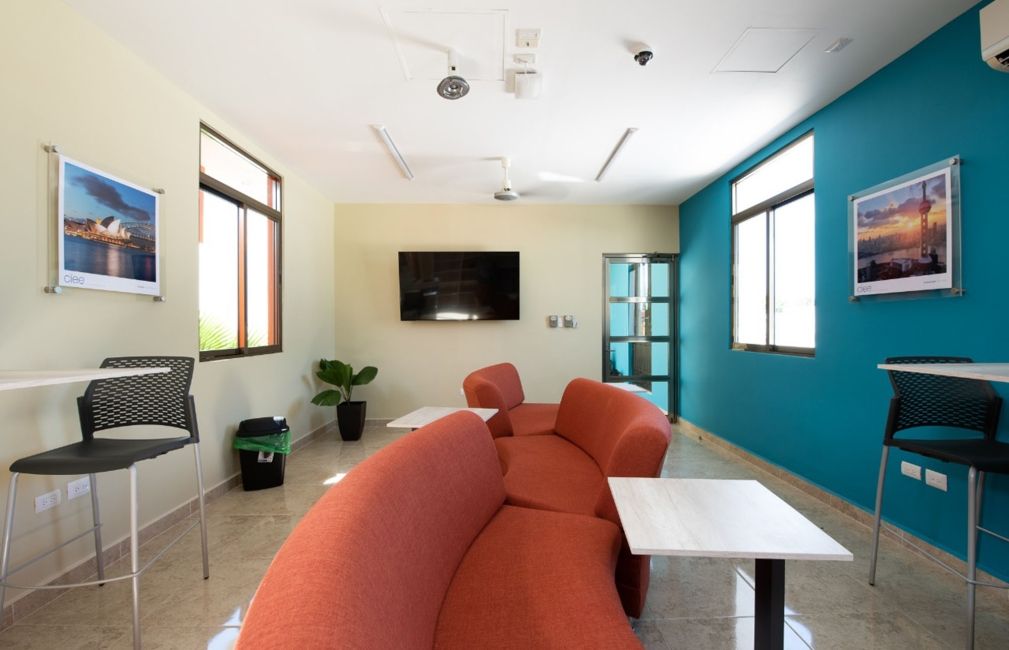
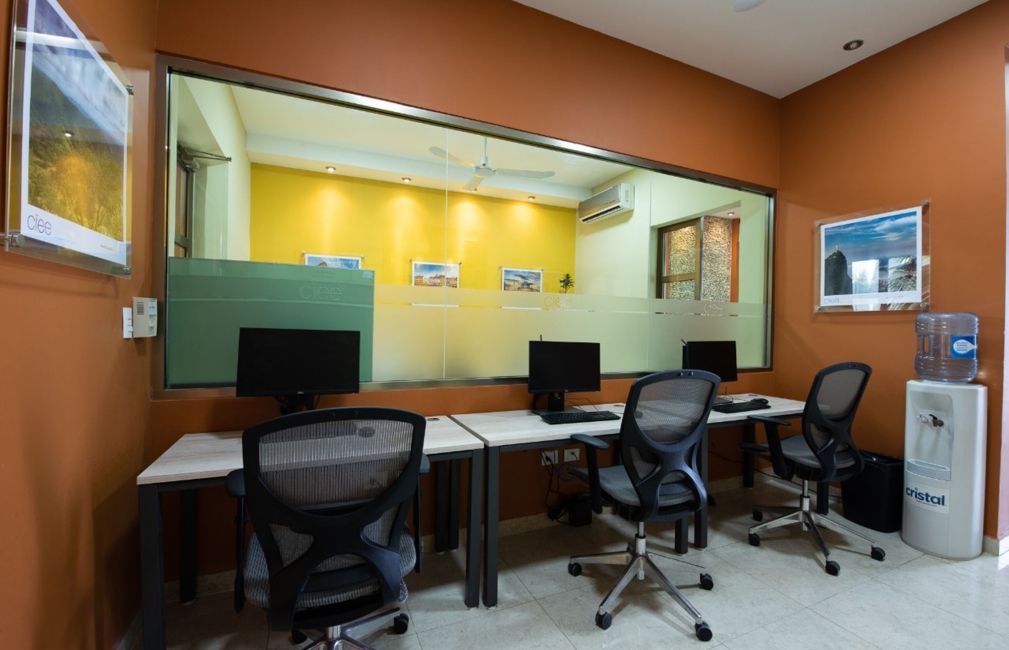
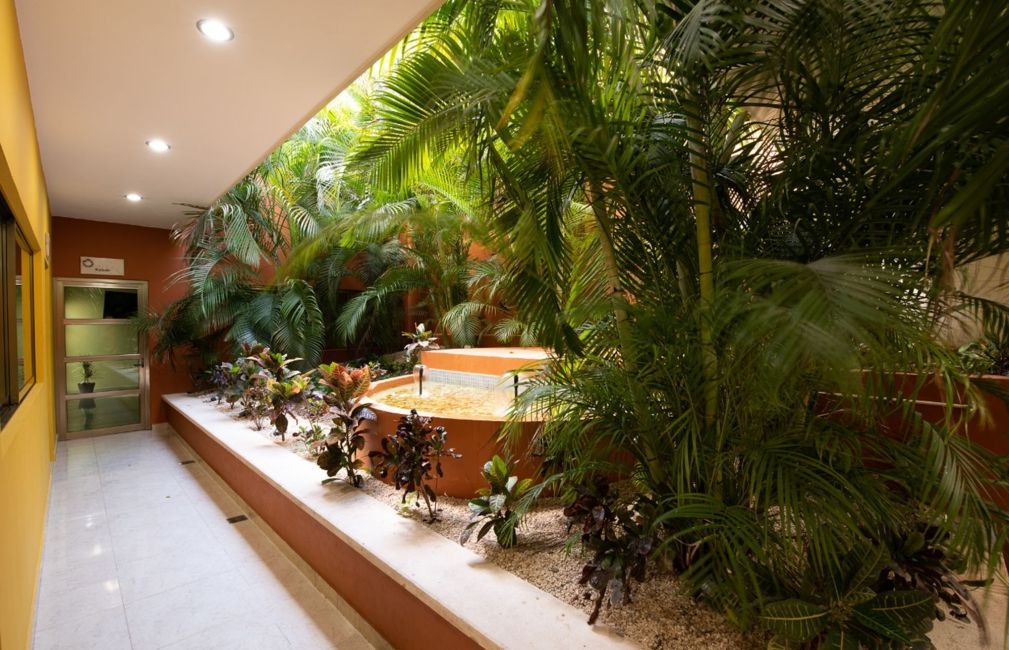
Situated in Mexico's downtown Santa Ana Park area, CIEE Mérida is conveniently located in one of the region's most beautiful neighborhoods, Calle 47, which leads to the Gastronomical Corridor, full of cozy and amazing restaurants and bars to enjoy in the afternoons and incredible sunsets. The study center sits inside a stunning colonial building, boasting five classrooms, a student lounge, a shared student life and academic advising office, and access to complimentary Wi-Fi and printers.
CIEE Mérida is surrounded by many cultural attractions like local galleries, 47th Street, Corredor Gastronomico, and Santa Ana Park, and is nearby plenty of craft shops, dining options, and public transportation. Students will feel comfortable inside the study center and enjoy their time in Mérida.

Academics in Mérida
CIEE Mérida
CIEE Mérida is conveniently located in the Centro neighborhood, considered one of the city's largest historic districts.
Arizona State University (ASU)
Brought to you by CIEE in partnership with ASU, enhance your international coursework with online classes that align with your degree requirements. ASU offers thousands of online courses in asynchronous 7.5-week sessions that fit within the CIEE academic calendar.

Internships in Mérida
Depending on your program of study and availability, you may be able to participate in an international internship while studying abroad in Mérida. The city’s diverse work scene spans tourism, hospitality, manufacturing, marketing, education, and psychology, alongside a growing presence of tech startups. Known for its rich culture and strong sense of community, Mérida offers a welcoming, relaxed environment to gain hands-on experience while building professional skills. You may find opportunities in industries such as:
- Architecture + Construction
- Arts, Audio/Video Technology + Communications
- Education + Training
- Health Science
- Hospitality + Tourism
- Human Services
- Information Technology
- Manufacturing
- Marketing, Sales + Service
- Science, Technology, Engineering + Mathematics

Community Impact Initiative in Mérida
CIEE’s Community Impact Initiative invites you to connect more deeply with Mérida by becoming an active member of its community. You’ll work alongside local organizations on projects that reflect real, on-the-ground needs, building relationships, gaining cultural insight, and contributing to meaningful, lasting impact. Your experience may span key focus areas like Food Security, Community Development + Public Health, and Youth Development + Education initiatives.
In Mérida, your service work may include:
- Supporting meal preparation and food distribution efforts for individuals and families in vulnerable situations with Comedor Zarigüeyas
- Assisting with initiatives that transform surplus food into nutritious meals while promoting dignity and community connection through Refettorio Mérida
Study Abroad Programs in Mérida
- Merida, Mexico
- Study Program
- Part-Time Internship
...for 1, 2, or 3 term blocks!

- Merida, Mexico
- Study Program
- Part-Time Internship

- Merida, Mexico
- Study Program

- Merida, Mexico
- Study Program

- Merida, Mexico
- Study Program
- Part-Time Internship

- Merida, Mexico
- Study Program
- Part-Time Internship

- Study Program
- Part-Time Internship

- Merida, Mexico
- Study Program
- Part-Time Internship

- Merida, Mexico
- Full-Time Internship

- Merida, Mexico
- Study Program
- Part-Time Internship

- Merida, Mexico
- Full-Time Internship

- Merida, Mexico
- Study Program

- Merida, Mexico
- Study Program
- Part-Time Internship
- Merida, Mexico
- Study Program
- Merida, Mexico
- Study Program
Pocket Guide to the Mérida
Currency
The peso
Spoken Languages in Mérida
Yucatec Maya, Spanish, English
Available Transportation
Bus, taxi, car, bike
Famous Local
Rommel Pacheco – Mexican diver and Olympic gold medalist
Climate
Tropical climate with very warm summers averaging 94°F and warm, muggy winters averaging below 87°F
Places to Explore
Chichén Itzá – a UNESCO World Heritage Site filled with the ruins of an ancient Mayan city
Airport
Mérida International Airport (MID)
Social Norms
Greet strangers by saying “Buenos días!”
What to Pack
Towel, comfortable walking shoes, sunscreen, sunglasses
Frequently Asked Questions
Mérida is a good place to study abroad for students looking to live in a tropical climate filled with diverse wildlife, ancient Mayan sites, and fascinating cities. With a more relaxed lifestyle and friendly people, Mérida is a great destination for students looking to study a variety of topics in Mexico, including biology, communication, literature, psychology, mathematics, and more.
Mérida is one of the safest places in Mexico. As with any study abroad destination, we recommend that students travel in groups when possible, keep their belongings near them, and stay aware of their surroundings.
The Yucatan Peninsula has a wide variety of things to do, from visiting archeological sites like the Chichén Itzá and Tulum to exploring tourist attractions in downtown Mérida like the Mayan World Museum or the Quinta Montes Molina. For nature lovers, Mérida offers students with multiple cenotes, pink waters at Ria Celestun, beautiful beaches, and diverse wildlife.
In order to ensure our students feel welcomed, supported, and empowered while studying abroad, CIEE staff completes comprehensive diversity equity and inclusion (DEI) training. Staff provide students with advice, resources, and ongoing support both before and during their study abroad program in Mérida
For more detailed information on diversity in Yucatán, visit our Diversity in Mérida page.
Yes, you can absolutely complete an internship abroad in Mérida with CIEE. Our international internship programs allow college students to choose from a variety of full- and part-time internships abroad in a variety of fields, including manufacturing, finance, hospitality, healthcare, public policy, and more!
Search our internship opportunities to get started!
Study Abroad Scholarships & Grants
Apply in 1,2,3!
You may be wondering if there are any scholarships to study in Mérida. CIEE offers scholarships and grants for study abroad programs in Mérida to students with demonstrated financial need, proven academic merit, and for specific CIEE programs. Students can apply for scholarships through 3 simple steps:
- Search for and apply to your dream program
- Review all available funding opportunities
- Complete the Scholarship & Grants portion of your application
Study Abroad Scholarships
NEED-BASED SCHOLARSHIPS
Based on students' Estimated Family Contribution (EFC) from their Free Application for Federal Student Aid (FAFSA) and enrolled institution. Complete the Scholarships & Grants portion of your program application to be considered for all awards to which you are eligible.
MERIT SCHOLARSHIPS
Based on academic achievement. Complete the Scholarships & Grants portion of your program application, along with an essay, to be considered for all awards to which you are eligible.
OTHER SCHOLARSHIPS
Other scholarship awards are based on program or alumni status.
Mérida Study Abroad Blog

EAT, DRINK, EXPLORE: MERIDA
BEST FOOD TO EAT IN MERIDA Yucatecan cuisine is heavily influenced by the ancient Maya who successfully turned local crops like tomatoes, turkey, chiles, corn, and pumpkins into complexly flavored... keep reading
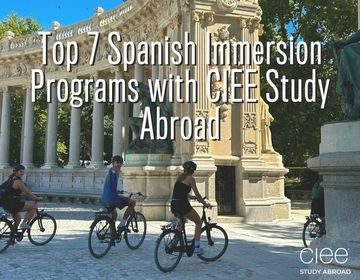
Top 7 Spanish Immersion Programs with CIEE Study Abroad
Let’s be real: There’s no better way to learn Spanish than actually living it. Forget the textbook exercises and Duolingo streaks – envision yourself chatting with locals about fútbol (not... keep reading

Study Abroad in Mexico: The Ultimate Guide
Ready to trade your dorm room for palm trees and panuchos? Studying abroad in Mexico is your chance to do just that! Picture this: You’re taking classes at the stunning... keep reading