
Summer Japanese Studies


Unique Experiences
Level up your Japanese
by building upon what you know already or starting from scratch
Discover Japan
through English-taught courses covering a range of cultural, social, and historical topics
Explore Japan's treasures
by venturing beyond the city to enhance your learning on your own or through CIEE-organized activities and excursions

Your Destination
Tokyo is Japan’s vibrant capital, where centuries‑old traditions meet cutting‑edge innovation, offering an inspiring environment for students of all disciplines. The Hachioji area in western Tokyo blends easy access to nature with a warm, community‑oriented atmosphere. In the summer, the area comes alive with various local festivals featuring traditional parades, music, and performances, along with fireworks shows that illuminate the night sky, creating a quintessential Japanese seasonal experience enjoyed by residents and visitors alike. Whether you're studying business, science, engineering, technology, communications, psychology, health sciences, liberal arts, language, or fine arts, Tokyo is the perfect place to study abroad.

Program Highlights
- Academic Courses: Choose from CIEE courses that align with your academic major.
- Immersive Experiences: Participate in activities, excursions, study tours, and more that showcase your host city's culture, values, and local art, film, music, cuisine, and sports scenes.

Excursions & Activities
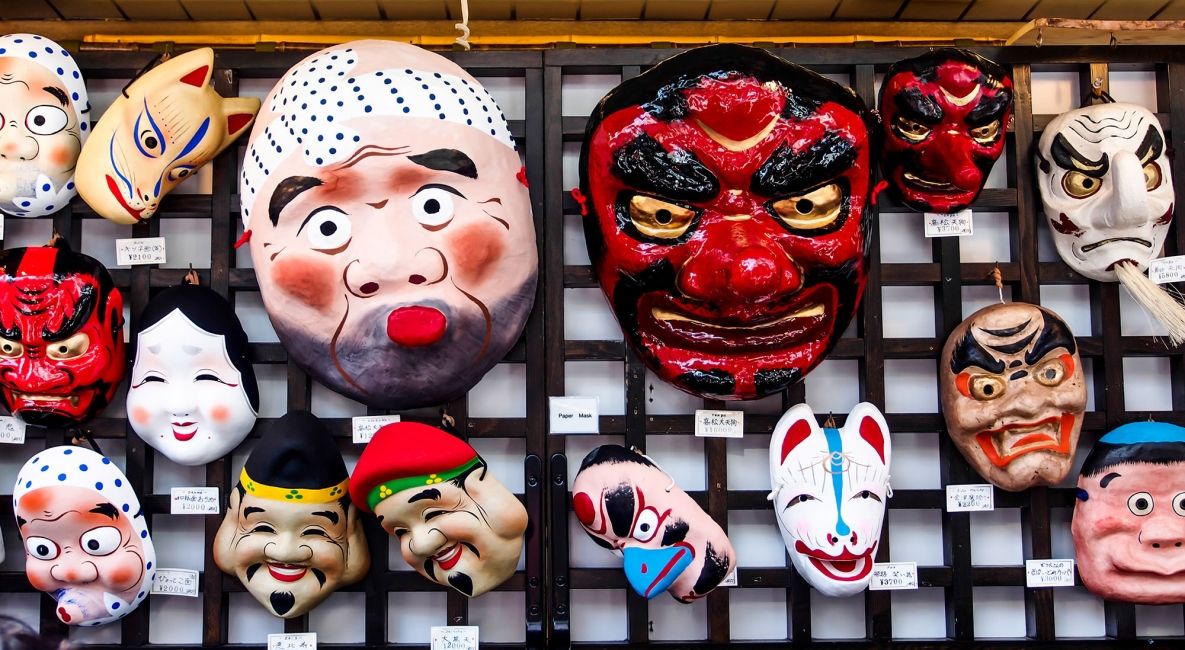
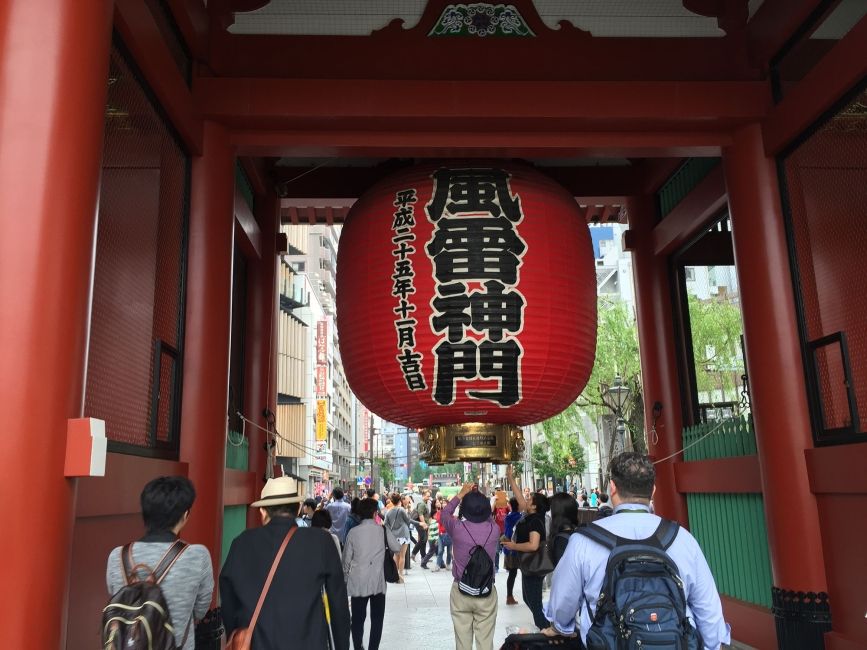
CIEE’s excursions and cultural activities in Tokyo will open doors for you to explore Japan's rich diversity, language, culture, history, and timeless beauty in ways that will enhance your time abroad.
Samples of excursions and activities:
- Get out of the city and explore nearby localities such as Kamakura or Yokohama
- Visit the ballpark to see how baseball is enjoyed in Japanese style
- Watch Kabuki or Rakugo performances
Please note: Activities are based on past programs and subject to change at CIEE's discretion to adapt to local circumstances and participant feedback. Our goal when arranging activities is always to enhance your experience.
Program Blogs

Top 6 Places to Explore While Studying in Japan
By: Helena Shimeles During my experience studying overseas in Tokyo I was exposed to an array of adventures, across Japan. Each destination I explored offered a unique blend of traditions... keep reading
Summer in Japan: Introduction to Japanese Art 2018
Hi everyone! My name is Kumiko Kato. I was given the opportunity to teach a class called “Introduction to Japanese Art” in 2018, as part of the CIEE College Study... keep reading
Perfect Times in Tokyo
As we left the dock in Tokyo Bay, embarking on an hour-long cruise around the area, I couldn’t help but smile. This was the perfect way to end a perfect... keep reading
Housing & Meals
Housing
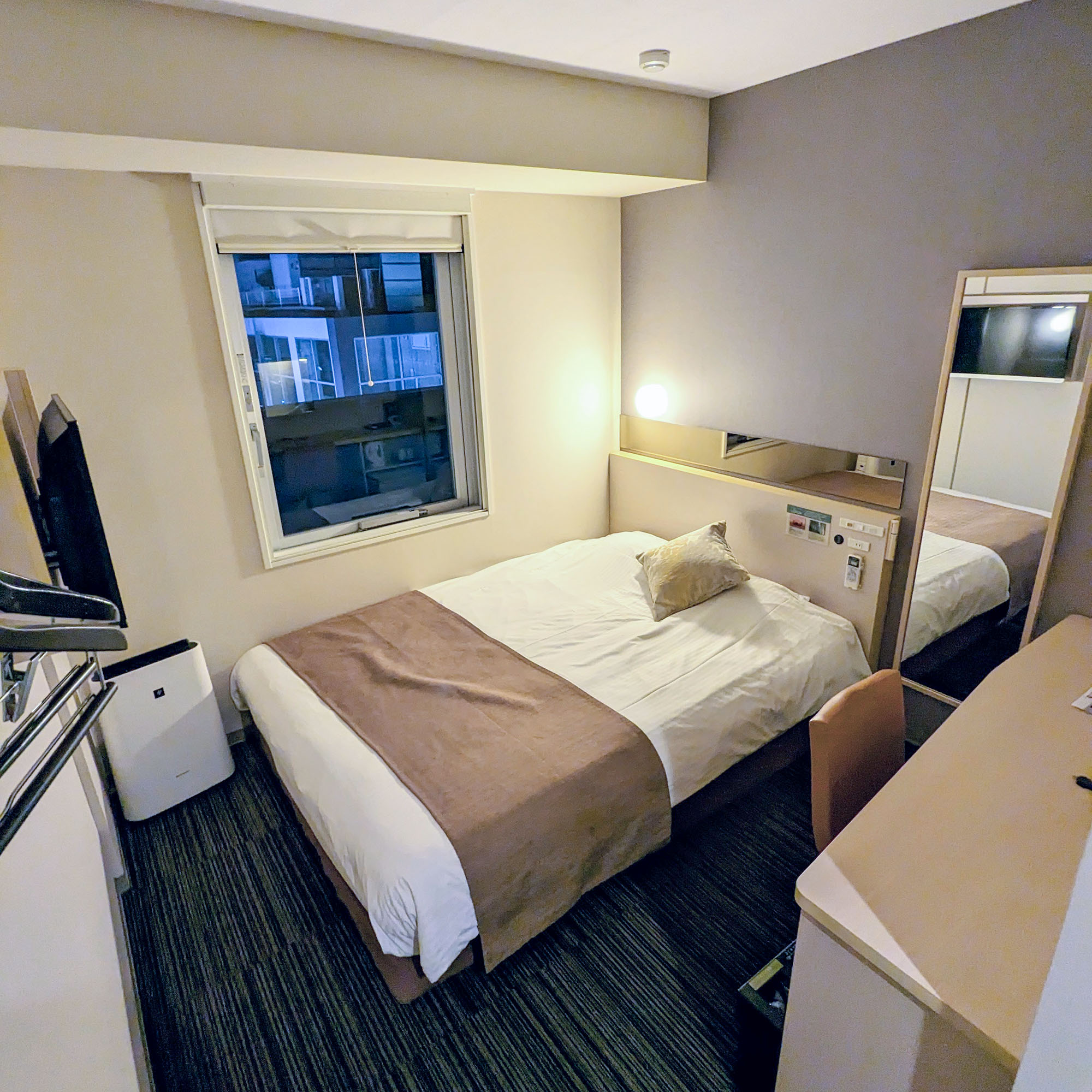
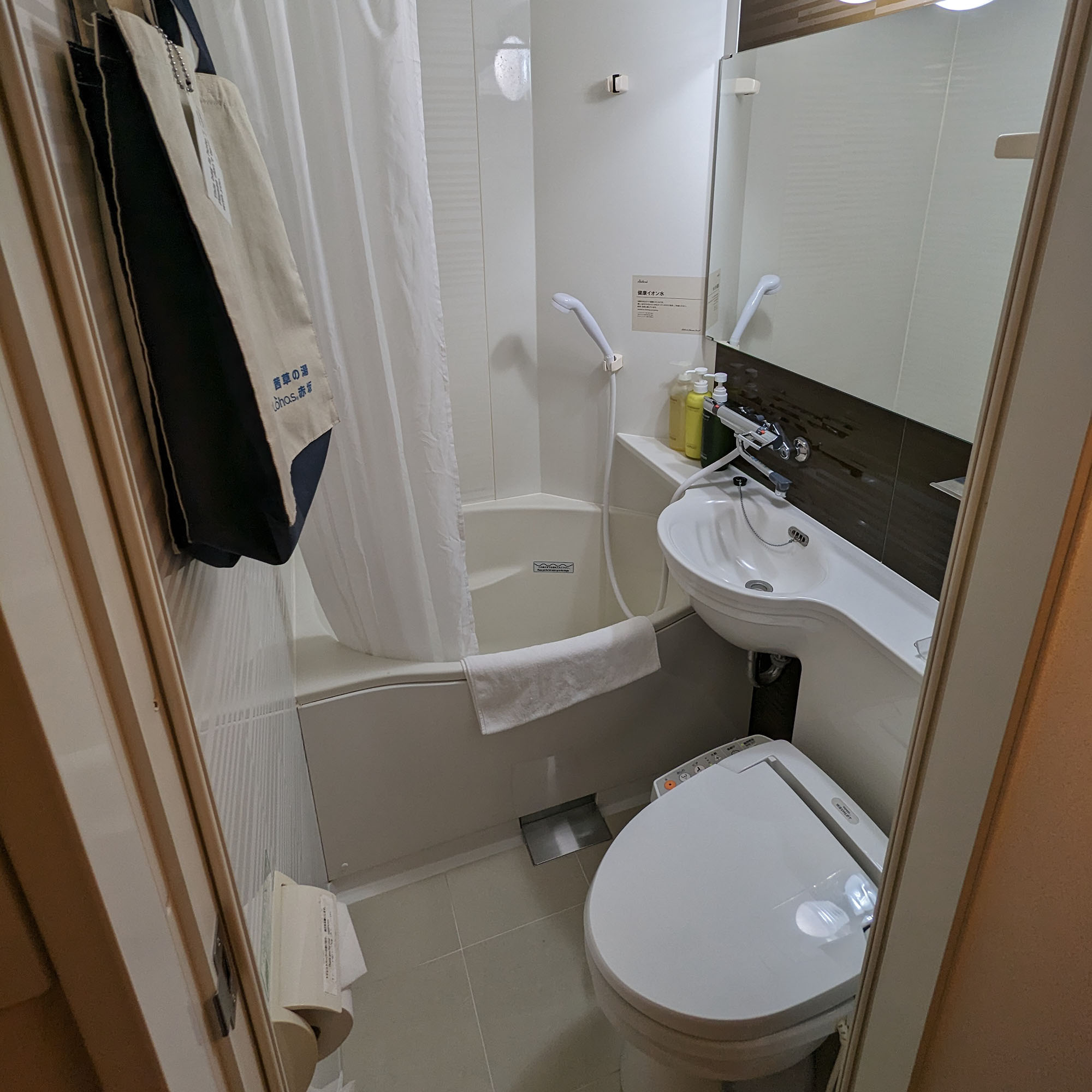
CIEE Tokyo provides convenient housing to ensure you’re comfortable in your home away from home. All housing is within walking distance of train stations, granting you easy access to Tokyo’s numerous sites and attractions through one of the most efficient and comprehensive transportation networks in the world.
Standard: Includes a single room at a dormitory or hotel with a private or shared bathroom within 70 minutes commute to the CIEE Center, located within the Greater Tokyo area.
A note: The default criterion to assign housing is first-come, first-served; however, other factors may also be considered. If we cannot accommodate your first housing choice, we'll let you know before you arrive. Non-standard housing options require an additional fee that can be found in the program Dates and Fees.
Meals
Students are responsible for their own meals. Tokyo boasts an amazing array of restaurants and eateries to satisfy any palate and diet.

Academics
CIEE Tokyo: Based in Chiyoda City, a central ward in the heart of Tokyo, CIEE Tokyo features a student lounge, a library, a student life office, and an academic advising office.
Arizona State University (ASU): Brought to you by CIEE in partnership with ASU, enhance your international coursework with online classes that align with your degree requirements. ASU offers thousands of online courses in asynchronous 6-week sessions that fit within the CIEE academic calendar.
Course Information
Summer 2027
CIEE proudly partners with ASU to deliver asynchronous, online coursework that aligns with your degree requirements from anywhere you study abroad.
CIEE and ASU offer courses online per program eligibility, at no additional charge. Be sure to review online courses with your home school advisor.
Check the CIEE Program Dates and ASU start dates below to maximize course options within your program!
Search ASU Online Courses BROWSE FAQs for more INFO

Note: This course listing is for informational purposes only and does not constitute a contract between CIEE and any applicant, student, institution, or other party. The courses, as described, may be subject to change as a result of ongoing curricular revisions, assignment of lecturers and teaching staff, and program development. Courses may be canceled due to insufficient enrollment.
"(GI)" denotes courses that originated at CIEE's Global Institutes and that are offered at multiple CIEE sites.
Scholarships & Grants
CIEE offers scholarships and grants annually to help students like you make your study abroad dream a reality.
Students who apply to this program are eligible for the following scholarships and grants:
- Wollitzer Merit Scholarships in Area or Comparative Studies
- Ping Scholarships for Academic Excellence
- Global Access Initiative (GAIN) Travel Grants
- CIEE Gilman Go Global Grant
- CIEE STEM Scholarship
To be considered, submit the CIEE Scholarships & Grants application within your CIEE program application.
Dates & Fees
You get more for every dollar when you study abroad with CIEE, because our high-quality programs include everything from excursions to insurance. There are no hidden charges, and no disappointing surprises when you arrive.
*Dates for this program are provided as tentative dates. Please consult with your study abroad advisor to confirm dates before purchasing your flights.
To help you budget, keep in mind that students are responsible for the cost of international airfare, local transportation, books and supplies, visas, and personal expenses. In addition, your college or university may charge additional fees for study abroad, or may require you to receive a transcript via CIEE's School of Record, which carries an additional fee of $500.
Program Fees
CIEE offers the most student support of any provider in its program fee, including an airport greeting, full-time leadership and support, orientation, cultural activities, local excursions, pre-departure advising, and CIEE iNext travel protection with benefits.
| Participation Confirmation | $500 * |
| Educational Costs | $5,750 ** |
| Housing | $2,300 *** |
| Insurance | $200 |
| Total Fees | $8,750 |
Financial Aid
CIEE offers the most grants and scholarships of any study abroad organization, including $8 million/year in travel grants, merit-based scholarships, institutional grants, and Gilman Go Global Grants.
Estimated Costs
Students are responsible and manage costs related to travel, meals, books, and personal expenses. Below are estimates for consideration.
| Meals not included in program fee | $775 † |
| International Airfare | $1,700 †† |
| Local Transportation | $100 |
| Books & Supplies | $100 |
| Personal expenses | $968 ††† |
| Total Costs | $3,643 |
*non-refundable
**direct cost of education charged uniformly to all students
***Housing fees listed are for financial aid purposes only and should not be considered a basis for calculation of refunds.
†The listed estimated cost is for groceries if you plan on making your own meals, and the optional estimated cost for dining out once per week ($130). Budget more money if you plan on eating out regularly.
††Round-trip flight based on U.S. East Coast departure, dependent on carrier.
†††Personal expenses may include but are not limited to the following: taxis, social activities and entertainment, toiletries, cell phone. Does not include personal travel.
Program Fees
CIEE offers the most student support of any provider in its program fee, including an airport greeting, full-time leadership and support, orientation, cultural activities, local excursions, pre-departure advising, and CIEE iNext travel protection with benefits.
| Participation Confirmation | $300 * |
| Educational Costs | $5,500 ** |
| Housing | $2,750 *** |
| Insurance | $200 |
| Total Fees | $8,750 |
Optional Housing
CIEE accommodation options are detailed in the Housing section. Based on availability, Select or Select Plus Housing can be chosen during the application process for an additional fee. Housing is assigned on a first-come, first-served basis; however, other factors may also be considered.
| Select Housing Fee | $900 |
Financial Aid
CIEE offers the most grants and scholarships of any study abroad organization, including $8 million/year in travel grants, merit-based scholarships, institutional grants, and Gilman Go Global Grants.
Estimated Costs
Students are responsible and manage costs related to travel, meals, books, and personal expenses. Below are estimates for consideration.
| Meals not included in program fee | $643 † |
| International Airfare | $1,700 |
| Local Transportation | $100 |
| Books & Supplies | $100 |
| Personal expenses | $170 †† |
| Total Costs | $2,713 |
*non-refundable
**direct cost of education charged uniformly to all students
***Housing fees listed are for financial aid purposes only and should not be considered a basis for calculation of refunds.
†For groceries if you plan on making your own meals, budget more money if you plan on eating out regularly.
††$100 emergency fund + cell phone expense + toiletries
What's Included
Tuition
Housing
Pre-departure Advising
Advising before you depart to set goals and answer questions
Optional on-site airport meet-and-greet
Orientation
Introduction to your program plus practical information about living in your host city
On-site Staff
Full-time program leadership and support in your city
Cultural and/or Co-curricular Activities
Excursions and/or Study Tours
Travel Protection
CIEE iNext travel protection
24/7 emergency on-site support
Our Staff

Brendan Delahunty
Center Director

Saya Nishina
Director of Operations
Saya gained extensive experience in the language education industry, working in various departments including sales/marketing, human resources, academic affairs, new business development, and international operations in Japan for more than 20 years.
Gaodan Shen
College Program Coordinator
As a College Program Coordinator at CIEE, Gaodan is more than happy to support and assist students during their time in Tokyo.

Starr Miyata
Academic Manager
Starr has worked several years in education, supporting leadership programs for university students, civic engagement projects and academics and is passionate about creating learning opportunities where the classroom comes to...
Get Started
1
2
Connect With Your Campus Study Abroad Office
Share your plans and confirm you're on track to meet all required steps to go abroad.
3
Contact Us
Send us an email if you still have questions or need information about applying to this program.
You might also like

- Kyoto, Japan
- Study Program
- Part-Time Internship
...for 1, 2, or 3 term blocks!

- Osaka, Japan
- Study Program
...for 1, 2, or 3 term blocks!

- Tokyo, Japan
- Study Program
...for 1, 2, or 3 term blocks!