
Arts + Sciences at Dublin City University
AACSB Accredited

Unique Experiences
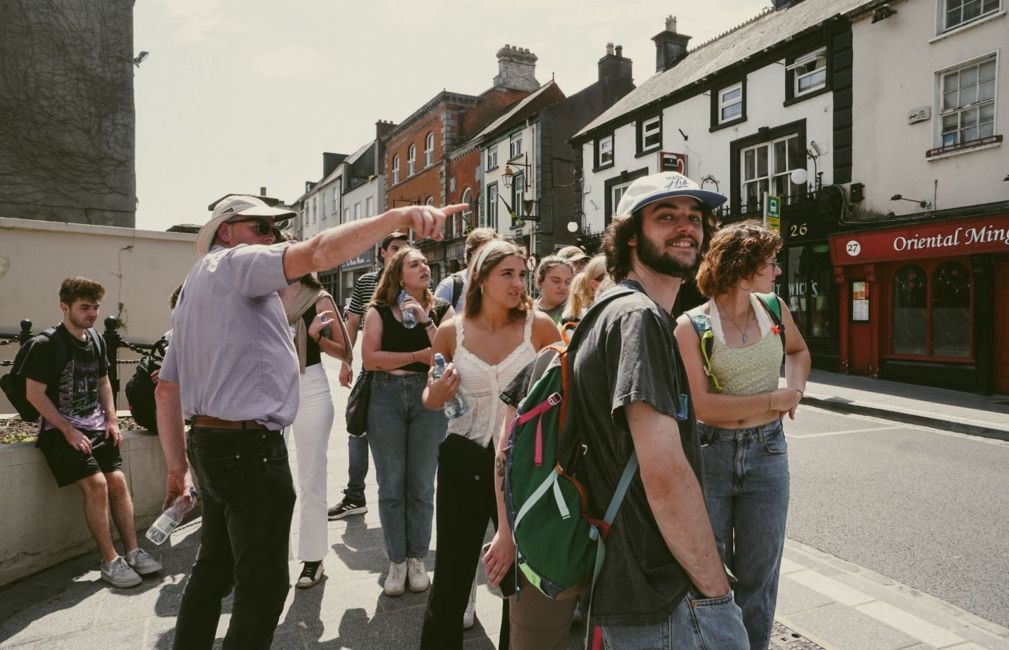
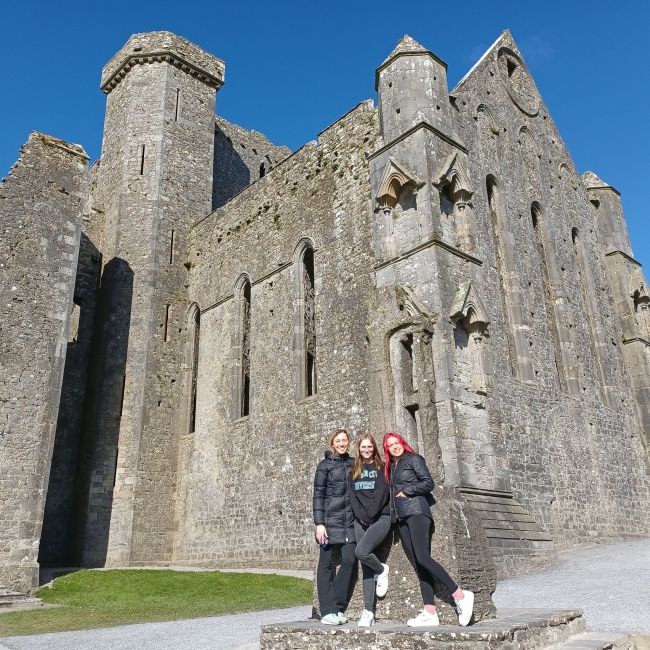
Explore iconic sites
like Dublin Castle, Temple Bar, Henrietta Street, and the Guinness Brewery
Study at DCU
on a high-tech campus with easy access to downtown Dublin
Zoom in
on Ireland’s rich heritage with orientation activities and a special CIEE course

Your Destination
Dublin is Ireland’s dynamic capital, celebrated for its literary legacy, vibrant arts scene, and growing reputation in science, technology, and innovation. The city blends historic charm with modern energy, offering world-class universities, centuries-old landmarks, and a booming tech industry. Whether you are studying the humanities or STEM fields, Dublin provides top-tier academics and a creative, collaborative atmosphere. With its lively pub culture, diverse food scene, scenic coastal walks, and welcoming community, Dublin is the perfect place to study abroad.

Program Highlights
- Academic Courses: Choose from host institution courses and online courses delivered by CIEE’s global partner, ASU, that align with your academic major.
- Immersive Experiences: Participate in activities, excursions, study tours, and more that showcase your host city's culture, values, and local art, film, music, cuisine, and sports scenes.
- Cultural Projects: Volunteer with members of the local community, join university clubs to socialize with your peers, and attend local workshops and events to get to know your host city.

Excursions & Activities
CIEE’s excursions and cultural activities in Dublin will open doors for you to explore Ireland's rich diversity, language, culture, history, and timeless beauty in ways that will enhance your time abroad.
Samples of past excursions and activities:
- Get to know Dublin with cultural activities such as guided walking tours, visits to museums, cathedrals, galleries, and historic sites
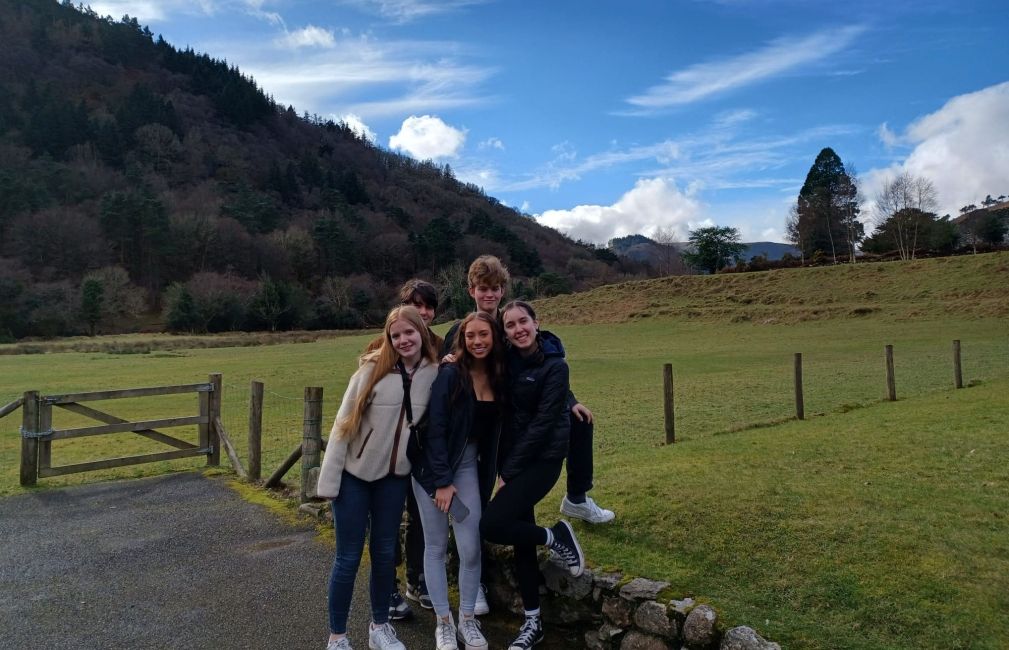
- Experience a day trip to the Wicklow mountains of Glendalough, the medieval town of Kilkenny, or other parts of the island, such as Belfast
- Take advantage of the Dublin City University’s state-of-the-art swimming complex
Please note: Activities are based on past programs and subject to change at CIEE's discretion to adapt to local circumstances and participant feedback. Our goal when arranging activities is always to enhance your experience.
Program Blogs

EAT, DRINK, EXPLORE: DUBLIN
BEST FOOD TO EAT IN DUBLIN A Full Irish is no joke. When you’ve got a long day ahead of you, start the day with a Full Irish and you’ll... keep reading

Ireland Traditions and Culture You Should Know
Known for its lush landscapes and rich history, The Emerald Isle offers a unique blend of Irish traditions in Ireland that captivate visitors and locals alike. From its ancient Gaelic... keep reading

What Does Craic Mean? Your Guide to Irish Slang
For those not from Ireland , the frequent use of “craic” by the Irish can be a little confusing. We get it. The concept can be a mix of a... keep reading
Housing & Meals
Housing
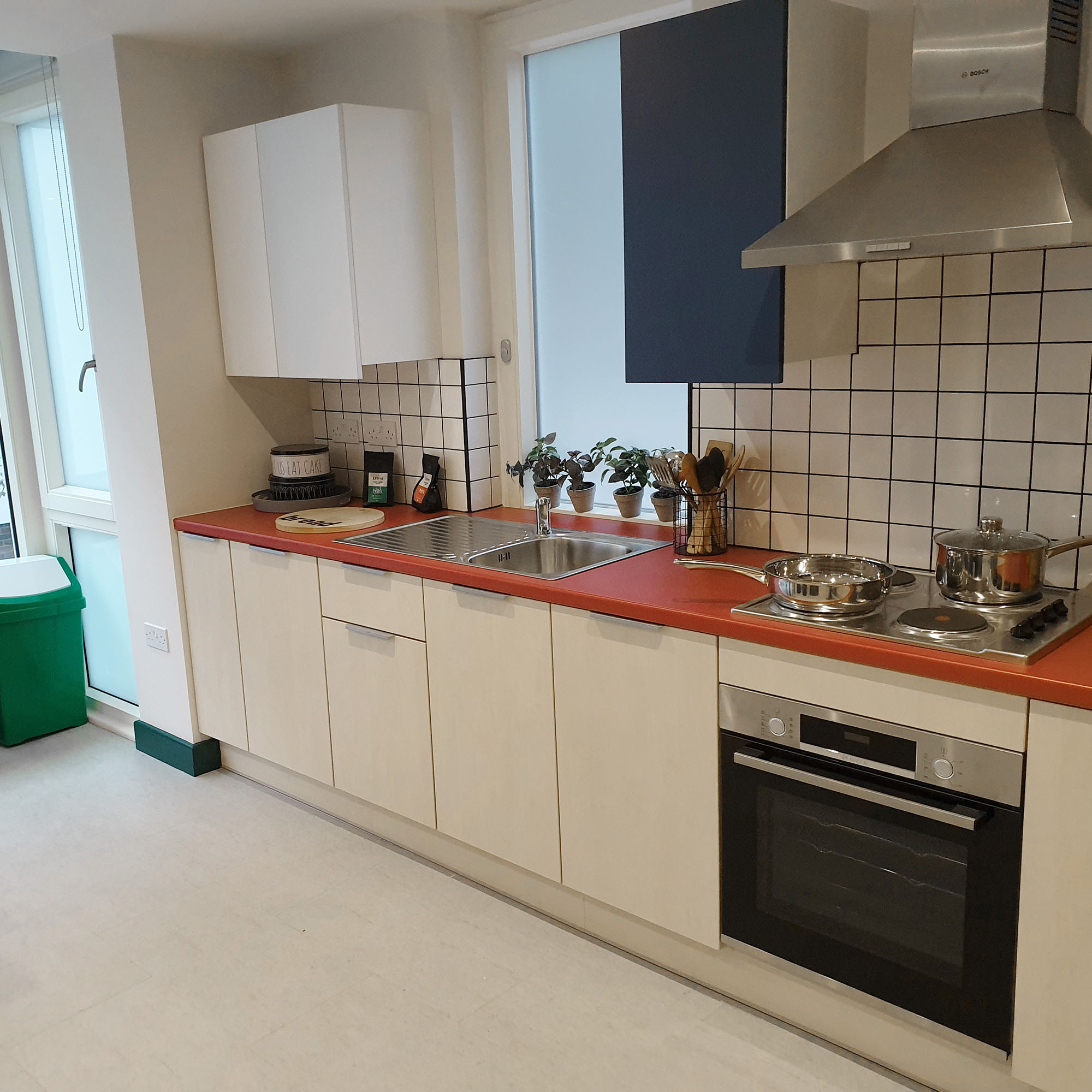
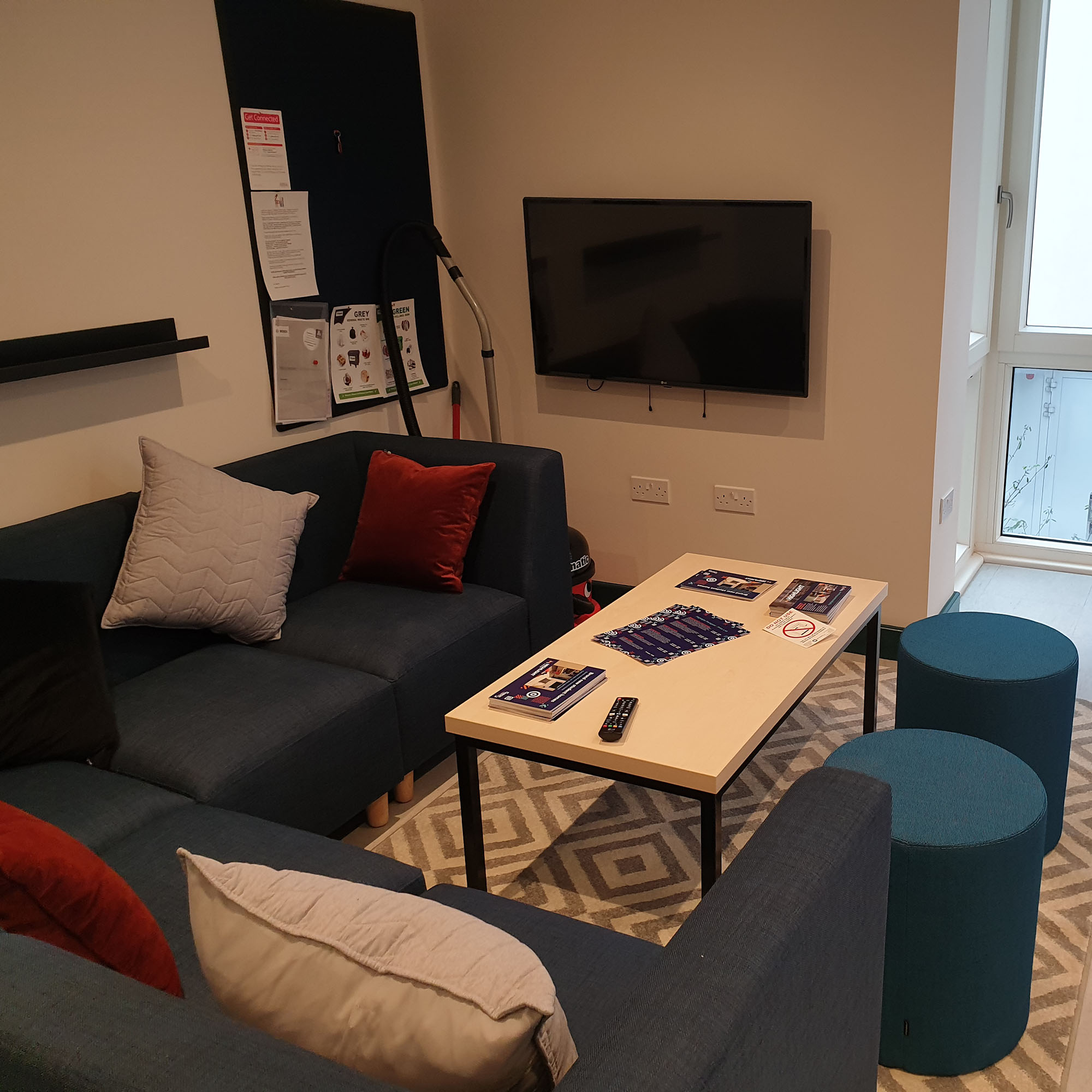
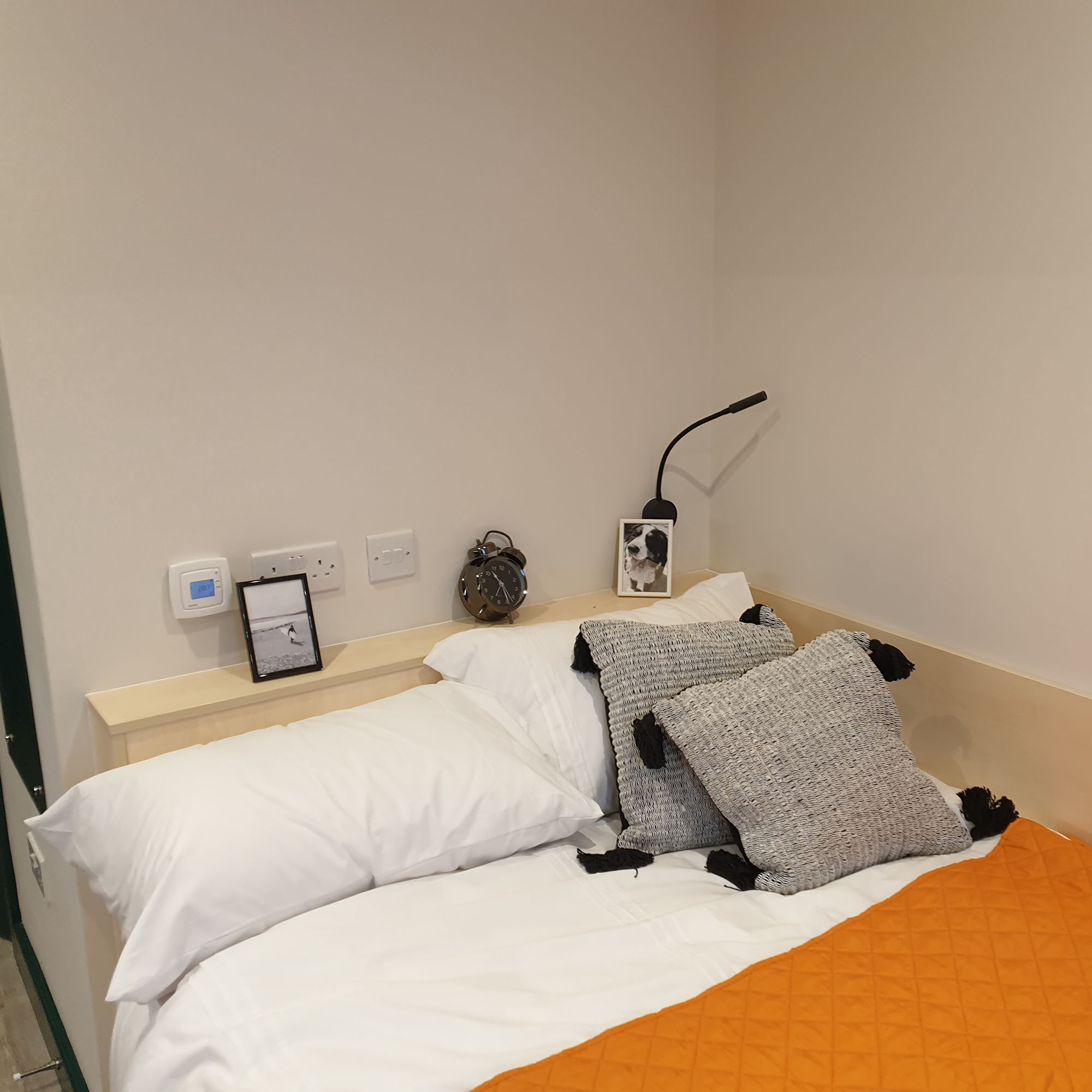
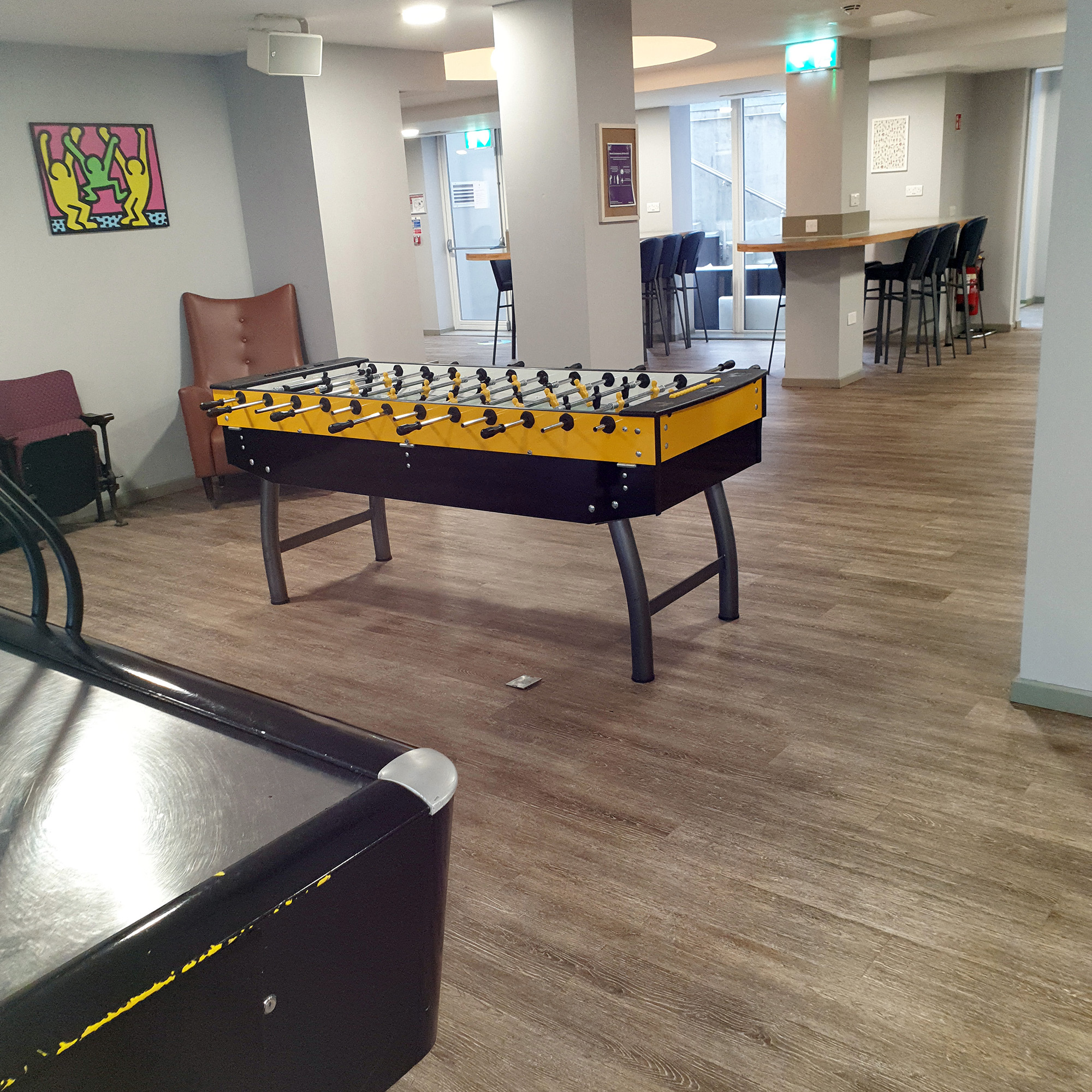
Standard Housing: CIEE Dublin offers on campus housing at Dublin City University. Student housing may be located on either All Hallows or Glasnevin campuses, 20-40 minutes from central Dublin by public transport. Includes a private bedroom with an en-suite bathroom. All students share common spaces and pay-to-use laundry facilities.
A note: The default criterion to assign housing is first-come, first-served; however, other factors may also be considered. If we cannot accommodate your first housing choice, we'll let you know before you arrive. Non-standard housing options require an additional fee that can be found in the program Dates and Fees.
Meals
Students are responsible for their own meals. There are dining facilities and a small grocery store on campus, and a shopping mall is situated close to the university.

Academics
CIEE Dublin: Study in the heart of Dublin’s lively south central district, five minutes from the River Liffey and Merrion Square. CIEE Dublin features three classrooms and a student lounge and is conveniently near a mix of independent cafés, bakeries, and stores.
Dublin City University (DCU) was established in the early 1980s and hosts 16,000 students, more than 20% of whom are international. Its multidisciplinary programs stimulate entrepreneurial awareness and activity through strong links with Dublin-based and international businesses. DCU features a modern campus located on more than 80 acres just north of the city with central green areas, cafés, a theater, library, bookstore, banking facilities, and an active student union. Classes are held on the Glasnevin, St Patrick’s, and All Hallows campuses and taught by DCU faculty.
Arizona State University (ASU): Brought to you by CIEE in partnership with ASU, enhance your international coursework with online classes that align with your degree requirements. ASU offers thousands of online courses in asynchronous 7.5-week sessions that fit within the CIEE academic calendar.
Course Information
Course Notes
- Not all DCU courses (known as ‘modules’ in Ireland) are available to study abroad students. Course registration is finalized on-site. Class timetables are only available on arrival, during orientation week, however the Irish academic system allows for flexibility in final registration window for international students.
- You can only choose DCU courses from one discipline (called “stream” in Ireland). You may not mix disciplines/ “streams”.
Communication, Journalism, and Media
Languages and Cultural Studies
Communication, Journalism, and Media
Languages and Cultural Studies
Communication, Journalism, and Media
Languages and Cultural Studies
DUBLIN CITY UNIVERSITY SAMPLE COURSE LIST
Below is a list of DCU sample courses from which CIEE students may choose. Please note this list is subject to change. Within the areas below, students have course options (courses are called “modules” in Ireland). Availability is based on course schedule, subject level, and limitations of resources, and all choices are dependent on approval from the sending university.
Students can only select courses from their discipline (called “stream” at DCU) and may not mix disciplines. Students will receive all relevant course information upon acceptance into the program. The disciplines are the following:
- Business
- Humanities
- Education
- Engineering and Computing
- Science and Health
Fall Sample Course List
- Psychology of Individual Difference & Diversity
- Developmental Psychology & Individual Differences
- Curriculum Development
- Introduction to Social Studies
- Media Writing & Expression
- Press and Public Relation New Enterprise Development Project
- Psychology in Organizations
- New Enterprise Development Project
- Modern Europe, 1830-1945
- A History of Northern Ireland, 1912-1998
- Intro to Modern European Political Thought
- The Irish Political System
- International Security and Conflict
- European Union Law
- Identity and Belonging
- World Religions
- Globalization
- High-Technology Entrepreneurship
- Marketing Management & Planning
- Business Information Systems
- Operations Management
- Integrated Sport & Exercise Physiology
Spring Sample Course ListEthics of Journalism
- Introduction to Marketing
- Irish Writing
- Creating Childhood
- Genetics & Health
- Political Geography: Spaces of Memory
- Assessing Early Leaning and Development
- Introduction to European Integration
- The Universe
- Citizenship, Diversity, and Inclusion
- French Fantasy Literature
- Comparing Perceptions of Otherness
- Lifespan Development
- Climate Change: Causes and Consequences
- Irish Women in the Long Nineteen Century
- Medieval Archaeology
- International Trade and Business
- Visual Arts and Music Education
- Psychology in Organizations
- Employee Relations Procedures
- Talent Management
- Financial Theory
- Separation Techniques
- International Finance
- Cell Biology
- Organic Chemistry
Note: This course listing is for informational purposes only and does not constitute a contract between CIEE and any applicant, student, institution, or other party. The courses, as described, may be subject to change as a result of ongoing curricular revisions, assignment of lecturers and teaching staff, and program development. Courses may be canceled due to insufficient enrollment.
"(GI)" denotes courses that originated at CIEE's Global Institutes and that are offered at multiple CIEE sites.
Scholarships & Grants
CIEE offers scholarships and grants annually to help students like you make your study abroad dream a reality.
Students who apply to this program are eligible for the following scholarships and grants:
- Ping Scholarships for Academic Excellence
- Global Access Initiative (GAIN) Travel Grants
- Stohl International Undergraduate Research Scholarships
- CIEE Gilman Go Global Grant
- Global Access Initiative (GAIN) Scholars Grants
To be considered, submit the CIEE Scholarships & Grants application within your CIEE program application.
Dates & Fees
You get more for every dollar when you study abroad with CIEE, because our high-quality programs include everything from excursions to insurance. There are no hidden charges, and no disappointing surprises when you arrive.
Program |
Application Due |
Start Date |
End Date |
Fees & Housing |
|---|---|---|---|---|
| Program Spring 2027 17 weeks | Application Due Deadline Passed | Start Date | End Date | Fees & Housing $18,950 |
| Program Fall 2027 16 weeks | Start Date * | End Date * | Fees & Housing $18,950 | |
| Program Academic year 2027-2028 35 weeks | Start Date * | End Date * | ||
| Program Spring 2028 17 weeks | Start Date * | End Date * | ||
| Program Fall 2026 16 weeks | Application Due Deadline Passed | Start Date | End Date | Fees & Housing $17,950 |
| Program Academic year 2026-2027 35 weeks | Application Due Deadline Passed | Start Date | End Date | Fees & Housing $35,950 |
*Dates for this program are provided as tentative dates. Please consult with your study abroad advisor to confirm dates before purchasing your flights.
To help you budget, keep in mind that students are responsible for the cost of international airfare, local transportation, books and supplies, visas, and personal expenses. In addition, your college or university may charge additional fees for study abroad, or may require you to receive a transcript via CIEE's School of Record, which carries an additional fee of $500.
Program Fees
CIEE offers the most student support of any provider in its program fee, including an airport greeting, full-time leadership and support, orientation, cultural activities, local excursions, pre-departure advising, and CIEE iNext travel protection with benefits.
| Participation Confirmation | $500 * |
| Educational Costs | $11,256 ** |
| Housing | $7,000 *** |
| Insurance | $194 |
| Total Fees | $18,950 |
Optional Housing
CIEE accommodation options are detailed in the Housing section. Based on availability, Select or Select Plus Housing can be chosen during the application process for an additional fee. Housing is assigned on a first-come, first-served basis; however, other factors may also be considered.
| Select Housing Fee | $1,700 |
Financial Aid
CIEE offers the most grants and scholarships of any study abroad organization, including $8 million/year in travel grants, merit-based scholarships, institutional grants, and Gilman Go Global Grants.
Estimated Costs
Students are responsible and manage costs related to travel, meals, books, and personal expenses. Below are estimates for consideration.
| Meals not included in program fee | $2,125 † |
| International Airfare | $1,100 †† |
| Local Transportation | $400 |
| Books & Supplies | $250 |
| Visa Fees | $390 ††† |
| Personal expenses | $1,049 †††† |
| Other | $390 ††††† |
| Total Costs | $5,704 |
*non-refundable fee
**Direct cost of education charged uniformly to all students
***Housing fees listed are for financial aid purposes only and should not be considered a basis for calculation of refunds.
†The listed estimated cost is for groceries if you plan on making your own meals ($380/month) and the optional estimated cost for dining out once per week ($510). Budget more money if you plan on eating out regularly.
††round-trip based on U.S. East Coast departure
†††Includes EUR300 for registration with Immmigration for Residence Permit
††††Personal expenses may include but are not limited to the following: taxis, social activities and entertainment, toiletries, cell phone. Does not include personal travel.
†††††Includes EUR300 for Residence Permit
Program Fees
CIEE offers the most student support of any provider in its program fee, including an airport greeting, full-time leadership and support, orientation, cultural activities, local excursions, pre-departure advising, and CIEE iNext travel protection with benefits.
| Participation Confirmation | $500 * |
| Educational Costs | $11,256 ** |
| Housing | $7,000 *** |
| Insurance | $194 |
| Total Fees | $18,950 |
Financial Aid
CIEE offers the most grants and scholarships of any study abroad organization, including $8 million/year in travel grants, merit-based scholarships, institutional grants, and Gilman Go Global Grants.
Estimated Costs
Students are responsible and manage costs related to travel, meals, books, and personal expenses. Below are estimates for consideration.
| Meals not included in program fee | $2,000 † |
| International Airfare | $1,100 †† |
| Local Transportation | $400 |
| Books & Supplies | $250 |
| Visa Fees | $390 ††† |
| Personal expenses | $1,040 †††† |
| Other | $390 ††††† |
| Total Costs | $5,570 |
*non-refundable fee
**Direct cost of education charged uniformly to all students
***Housing fees listed are for financial aid purposes only and should not be considered a basis for calculation of refunds.
†The listed estimated cost is for groceries if you plan on making your own meals ($380/month) and the optional estimated cost for dining out once per week ($480). Budget more money if you plan on eating out regularly.
††round-trip based on U.S. East Coast departure
†††Includes EUR300 for registration with Immmigration for Residence Permit
††††Personal expenses may include but are not limited to the following: taxis, social activities and entertainment, toiletries, cell phone. Does not include personal travel.
†††††Includes EUR300 for Residence Permit
Program Fees
CIEE offers the most student support of any provider in its program fee, including an airport greeting, full-time leadership and support, orientation, cultural activities, local excursions, pre-departure advising, and CIEE iNext travel protection with benefits.
Financial Aid
CIEE offers the most grants and scholarships of any study abroad organization, including $8 million/year in travel grants, merit-based scholarships, institutional grants, and Gilman Go Global Grants.
Estimated Costs
Students are responsible and manage costs related to travel, meals, books, and personal expenses. Below are estimates for consideration.
Program Fees
CIEE offers the most student support of any provider in its program fee, including an airport greeting, full-time leadership and support, orientation, cultural activities, local excursions, pre-departure advising, and CIEE iNext travel protection with benefits.
Financial Aid
CIEE offers the most grants and scholarships of any study abroad organization, including $8 million/year in travel grants, merit-based scholarships, institutional grants, and Gilman Go Global Grants.
Estimated Costs
Students are responsible and manage costs related to travel, meals, books, and personal expenses. Below are estimates for consideration.
Program Fees
CIEE offers the most student support of any provider in its program fee, including an airport greeting, full-time leadership and support, orientation, cultural activities, local excursions, pre-departure advising, and CIEE iNext travel protection with benefits.
| Participation Confirmation | $300 * |
| Educational Costs | $10,656 ** |
| Housing | $6,800 *** |
| Insurance | $194 |
| Total Fees | $17,950 |
Financial Aid
CIEE offers the most grants and scholarships of any study abroad organization, including $8 million/year in travel grants, merit-based scholarships, institutional grants, and Gilman Go Global Grants.
Estimated Costs
Students are responsible and manage costs related to travel, meals, books, and personal expenses. Below are estimates for consideration.
| Meals not included in program fee | $1,615 † |
| International Airfare | $1,100 †† |
| Local Transportation | $400 |
| Books & Supplies | $250 |
| Visa Fees | $390 ††† |
| Personal expenses | $250 †††† |
| Other | $390 ††††† |
| Total Costs | $4,395 |
*non-refundable fee
**Direct cost of education charged uniformly to all students
***Housing fees listed are for financial aid purposes only and should not be considered a basis for calculation of refunds.
†For groceries if you plan on making your own meals, budget more money if you plan on eating out regularly.
††round-trip based on U.S. East Coast departure
†††Includes EUR300 for registration with Immmigration for Residence Permit
††††$100 emergency fund + cell phone expense + toiletries
†††††Includes EUR300 for Residence Permit
Program Fees
CIEE offers the most student support of any provider in its program fee, including an airport greeting, full-time leadership and support, orientation, cultural activities, local excursions, pre-departure advising, and CIEE iNext travel protection with benefits.
| Participation Confirmation | $300 * |
| Educational Costs | $21,656 ** |
| Housing | $13,800 *** |
| Insurance | $194 |
| Total Fees | $35,950 |
Financial Aid
CIEE offers the most grants and scholarships of any study abroad organization, including $8 million/year in travel grants, merit-based scholarships, institutional grants, and Gilman Go Global Grants.
Estimated Costs
Students are responsible and manage costs related to travel, meals, books, and personal expenses. Below are estimates for consideration.
| Meals not included in program fee | $1,615 † |
| International Airfare | $1,100 †† |
| Local Transportation | $400 |
| Books & Supplies | $250 |
| Visa Fees | $390 ††† |
| Personal expenses | $250 †††† |
| Other | $390 ††††† |
| Total Costs | $4,395 |
*non-refundable fee
**Direct cost of education charged uniformly to all students
***Housing fees listed are for financial aid purposes only and should not be considered a basis for calculation of refunds.
†For groceries if you plan on making your own meals, budget more money if you plan on eating out regularly.
††round-trip based on U.S. East Coast departure
†††Includes EUR300 for registration with Immmigration for Residence Permit
††††$100 emergency fund + cell phone expense + toiletries
†††††Includes EUR300 for Residence Permit
What's Included
Tuition
Housing
Pre-departure Advising
Advising before you depart to set goals and answer questions
Optional on-site airport meet-and-greet
Orientation
Introduction to your program plus practical information about living in your host city
On-site Staff
Full-time program leadership and support in your city
Cultural and/or Co-curricular Activities
Excursions and/or Study Tours
Travel Protection
CIEE iNext travel protection
24/7 emergency on-site support
Our Staff

Enda O’Connell
Center Director

Marcus Gatto
Academic Director
Originally from Denver, Marcus has lived in Ireland for a decade. Before joining CIEE, he oversaw an undergraduate law program at a private college in Dublin and taught various law subjects.
Get Started
1
2
Connect With Your Campus Study Abroad Office
Share your plans and confirm you're on track to meet all required steps to go abroad.
3
Contact Us
Send us an email if you still have questions or need information about applying to this program.
You might also like

- Dublin, Ireland
- Study Program
- Part-Time Internship
...for 1, 2, or 3 term blocks!

- Study Program
- Part-Time Internship

- Study Program