Study Abroad in Berlin
College Study Abroad

Study Abroad in Berlin With CIEE
Get ready to experience a city where every neighborhood tells a different story when you study abroad in Berlin, Germany. Whether you're exploring street art in Kreuzberg, biking past remnants of the Berlin Wall, or grabbing a döner kebab from a late-night spot in Neukölln, Berlin offers a daily mix of culture, grit, and creativity. Ride the U-Bahn to class, spend weekends at Mauerpark's flea market and karaoke circle, or unwind by the Spree River with friends. With world-renowned museums on Museum Island, a thriving music and art scene, and cafés tucked into every corner, Berlin study abroad invites you to step into a city that's always moving forward while never forgetting its past.
While abroad, students may complete a full- or part-time internship in Berlin, gaining real-world international work experience and developing valuable professional skills. Internships are available across diverse industries, including business, marketing, arts, sustainability, and more, providing a well-rounded perspective of today's global job market and enriching the overall study abroad experience.
Study Abroad Programs in Berlin

- Berlin, Germany
- Study Program
- Part-Time Internship
...for 1, 2, or 3 term blocks!

- Berlin, Germany
- Study Program
- Part-Time Internship

- Study Program

- Berlin, Germany
- Study Program
- Part-Time Internship

- Berlin, Germany
- Study Program

- Berlin, Germany
- Study Program
- Part-Time Internship

- Berlin, Germany
- Full-Time Internship

- Berlin, Germany
- Study Program
- Part-Time Internship

- Berlin, Germany
- Study Program
- Part-Time Internship

- Berlin, Germany
- Study Program
- Full-Time Internship

- Berlin, Germany
- Study Program

- Berlin, Germany
- Study Program
- Part-Time Internship
- Berlin, Germany
- Study Program
Why Study Abroad in Berlin?
Berlin draws students from all around the world with its central location in Europe, incredible history, affordability and welcoming international community. Whether you are studying business, STEM, or a creative field like art, Berlin is the perfect backdrop for your education while you can still enjoy a balanced, laid-back lifestyle.
What makes Berlin an amazing place to study abroad:
- Berlin features a large international student community, so it’s easy to make friends and feel more at home
- Berlin has a more affordable cost of living compared to other major European cities, making it easier to stretch a student budget
- Berlin is a hub for politics, technology, the arts, business and more, making it the perfect place to study or intern and strengthen your career prospects

Top Activities in Berlin
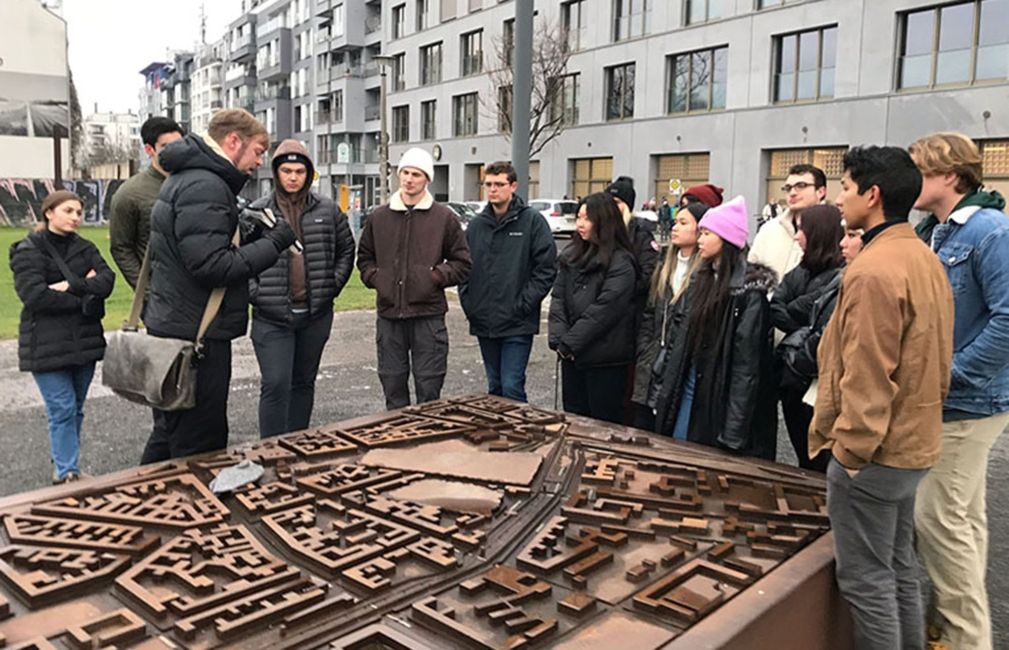
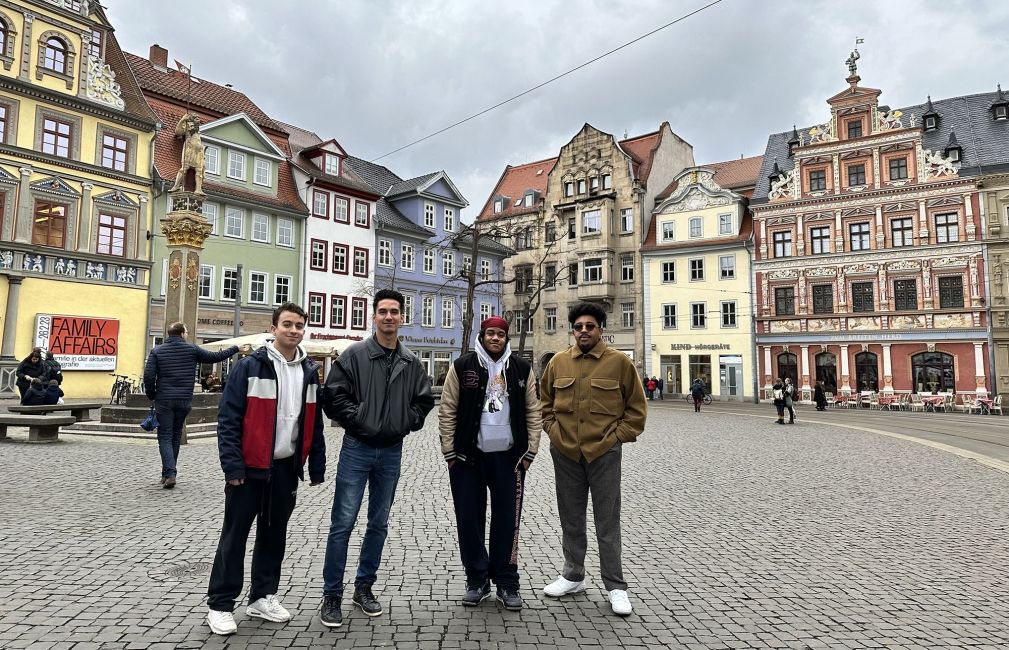
Every CIEE semester program has frequent cultural excursions uniquely designed to complement the program’s academics and enhance students’ cultural immersion. In Berlin, past excursions have included:
- Day trips and overnight trips to the rich historical sites and culturally significant cities like Potsdam, Hamburg, and Dresden
- Excursions to the East Side Gallery section of the Berlin Wall, the Memorial to the Murdered Jews of Europe, and the Brandenburg Gate
- Visits to famous landmarks, including Checkpoint Charlie, the Jewish Museum Berlin, Museum Island, and the historic Mitte district
About CIEE Berlin
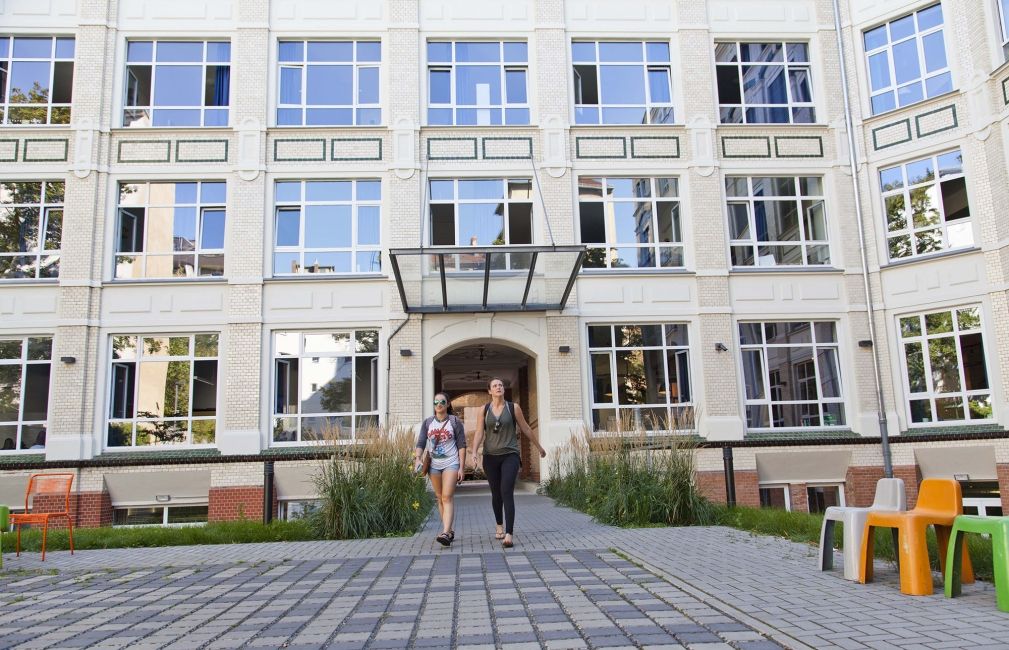
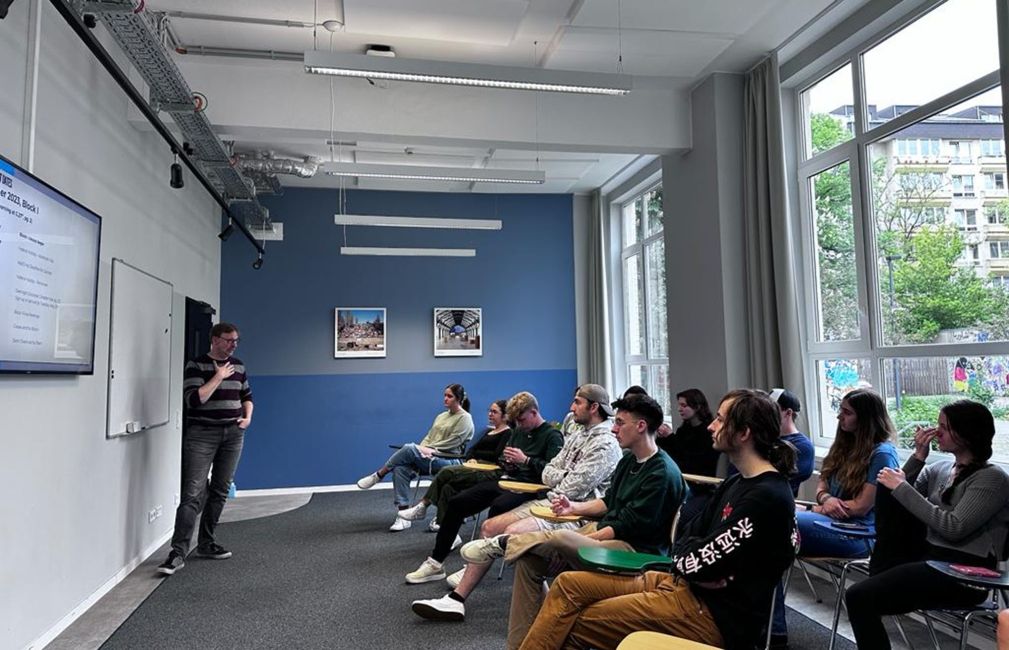
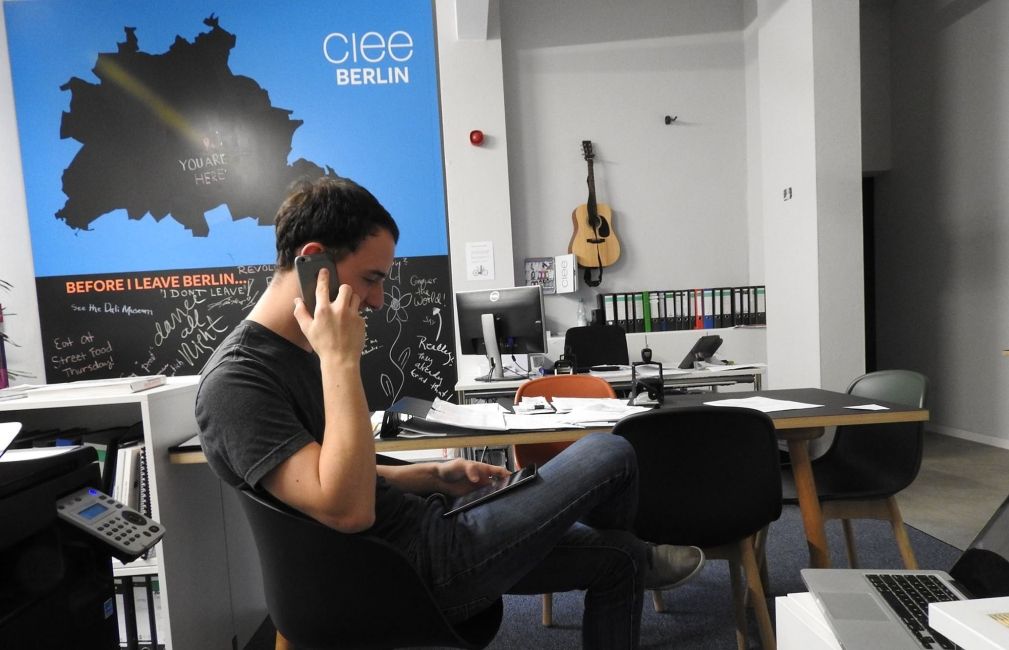
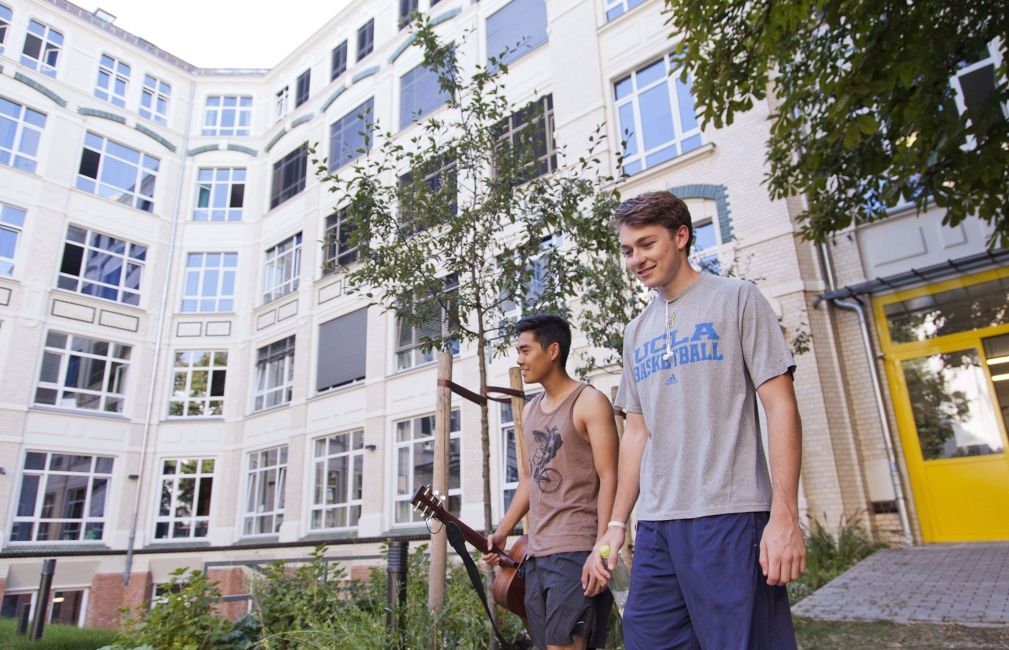
Centrally located in the heart of Berlin's Kreuzberg district, CIEE Berlin features eight classrooms, student lounges, a study space, a student life office, an academic advising office, an on-campus café, a dedicated outdoor space, and complimentary Wi-Fi and printer access. In addition to the study center's amenities, students' dorms conveniently boast event space, shared kitchens, and on-site laundry facilities.
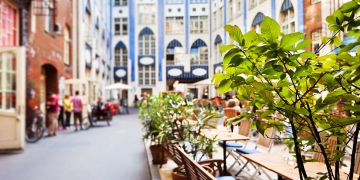
Outside the study center, students will discover CIEE Berlin is in close proximity to a large public market hall, plenty of restaurants and cafés, and various shops. The Kreuzberg district is also known as a hub for the arts, music, and digital technology, meaning CIEE Berlin students study in a vibrant neighborhood within Germany's historic capital!
Academics in Berlin
CIEE Berlin
Our center in Berlin is part of the CIEE Open Campus Block Network and offers students easy access to the Bergmannkiez, a Kreuzberg neighborhood that is consistently ranked as one of Berlin’s most livable because of its opportunities for shopping, food and drink, and socializing.
Arizona State University (ASU)
Brought to you by CIEE in partnership with ASU, enhance your international coursework with online classes that align with your degree requirements. ASU offers thousands of online courses in asynchronous 7.5-week sessions that fit within the CIEE academic calendar.
Student Housing in Berlin
CIEE Berlin offers a variety of housing options for you to choose from. Our Berlin housing options are located in neighborhoods with convenient access to public transportation, shops, and restaurants. Available housing options vary by program.

Internships in Berlin
Depending on your program of study and availability, you may be able to participate in an international internship while studying abroad in Berlin. A hub for startups and creative innovation, Berlin’s work scene is fast-moving, experimental, and highly collaborative. The city’s emphasis on flat hierarchies and new ideas creates space for interns to take initiative, contribute to real projects, and gain exposure to emerging industries. With strengths across tech, media, and health, Berlin offers a hands-on, forward-thinking environment for building practical skills and global connections. You may find opportunities in industries such as:
- Arts, Audio/Video Technology + Communications
- Business Management + Administration
- Information Technology

Community Impact Initiative in Berlin
CIEE’s Community Impact Initiative invites you to connect more deeply with Berlin by becoming an active member of its community. You’ll work alongside local organizations on projects that reflect real, on-the-ground needs, building relationships, gaining cultural insight, and contributing to meaningful, lasting impact. Your experience may span key focus areas like Food Security, Community Development + Public Health, and Youth Development + Education initiatives.
In Berlin, your service work may include:
- Supporting outreach initiatives such as meal preparation, community events, and creative projects with Serve the City in partnership with shelters, refugee centers, and local organizations
- Contributing to inclusive community-building efforts with Hejmo, helping create welcoming spaces that foster connection and a sense of belonging
Pocket Guide to Berlin
Currency
Euro
Spoken Languages
German, English
Available Transportation
U-Bahn underground trains, S-Bahn regional trains, buses, trams, ride-sharing services, feet
Famous Local
Marlene Dietrich (1901–1992), singer and actress
Climate
Four seasons – cold winters, hot summers, mild spring and fall
Places to Explore
Brandenburg Gate – 18th century neoclassical monument that symbolizes both Germany’s division and reunification
Airport
Berlin Brandenburg Airport (BER)
Social Norms
In Germany, if you’re not on time, you’re late, and Germans are insulted
What to Pack
Backpack, comfortable shoes, sunglasses
Cost of Living
Moderate, generally lower compared to the U.S.
Frequently Asked Questions
Berlin is a good place to study abroad for students looking to be in an international, lively capital city in Germany. From its famous landmarks and rich history to its cafe culture and nightlife, Berlin is one of the best places to study abroad in Germany for students looking for a vibrant cultural scene.
Berlin is considered a safe city with a low overall risk. As with any city, we advise students to travel in groups when possible, keep their belongings secure, and stay aware of their surroundings.
Berlin is a multicultural, trendy city rich in culture and history. Whether you want to study architecture, art, German language, or music, Berlin offers something that every student can enjoy!
In order to ensure our students feel welcomed, supported, and empowered while studying abroad, CIEE staff completes comprehensive diversity equity and inclusion (DEI) training. Staff provide students with advice, resources, and ongoing support both before and during their study abroad program in Berlin.
For more detailed information on diversity in Berlin, visit our Diversity in Berlin page.
The cost of studying abroad in Berlin varies depending on the specific program that you choose and how long you plan to study abroad for. For detailed cost information, we recommend researching each individual Berlin study abroad program page.
For costs not included in your program’s outlined fees, it’s important to consider factors surrounding your individual journey while abroad.
Read more: How Much Does it Cost to Study Abroad?
Yes, you can absolutely complete an internship abroad in Berlin with CIEE. Our international internship programs allow college students to choose from a variety of full- and part-time internships abroad in a variety of fields, including manufacturing, finance, hospitality, healthcare, public policy, and more!
Search our internship opportunities to get started!
You don’t need to speak German to study abroad in Berlin, though knowing some basic phrases can help you feel more immersed in the culture. CIEE offers English-only courses and programs to make it easy for beginners to jump right in with confidence. Many people in Berlin speak English, especially in academic and student friendly settings.
Study Abroad Scholarships & Grants
Apply in 1,2,3!
You may be wondering if there are any scholarships to study in Berlin. CIEE offers scholarships and grants for study abroad programs in Berlin to students with demonstrated financial need, proven academic merit, and for specific CIEE programs. Students can apply for scholarships through 3 simple steps:
- Search for and apply to your dream program
- Review all available funding opportunities
- Complete the Scholarship & Grants portion of your application

Study Abroad Scholarships
NEED-BASED SCHOLARSHIPS
Based on students' Estimated Family Contribution (EFC) from their Free Application for Federal Student Aid (FAFSA) and enrolled institution. Complete the Scholarships & Grants portion of your program application to be considered for all awards to which you are eligible.
MERIT SCHOLARSHIPS
Based on academic achievement. Complete the Scholarships & Grants portion of your program application, along with an essay, to be considered for all awards to which you are eligible.
OTHER SCHOLARSHIPS
Other scholarship awards are based on program or alumni status.
Studying Abroad in Berlin Blog

The 6 Best German Study Abroad Programs
Studying abroad in Germany is a no-brainer. It’s affordable. It’s fascinating. And the country is teeming with students. No wonder it consistently ranks among the world’s top 10 study abroad... keep reading

The Ultimate Guide to Studying Abroad in Germany
Germany is known for being a welcoming destination for study abroad students. And the global interest is only growing. As you begin planning your German experience, you’ll want to refer... keep reading

Top 20 German Slang Words and Phrases You Must Know
Mastering the German language goes beyond learning proper grammar and vocabulary from textbooks. To truly communicate like a native, you need to embrace the vibrant world of German slang. These... keep reading