
Liberal Arts Language Immersion


Unique Experiences
Live in a traditional French and Breton destination
with an authentic experience that’s incredibly unique (just 45 minutes from the sea and 90 minutes from Paris by train)
Enjoy an immersive and rich intercultural experience
by living with a host family signing a language pledge
Make a difference locally
as you earn credit or volunteer at the Franco-American Institute

Your Destination
Rennes is France's historic city where French language and culture intertwine, creating the perfect environment for language immersion and cultural exploration. Whether you're practicing French with locals in bustling markets, engaging in lively discussions at a traditional café, or exploring the historic streets of the medieval quarter, every experience deepens your connection to the language and culture. With a perfect blend of history, modern energy, and artistic expression, Rennes is the perfect place to study abroad.

Program Highlights
- Academic Courses: Choose from CIEE courses and host institution courses that align with your academic major.
- Optional Internship Placements: Enhance your program with an optional for-credit internship that aligns with your career aspirations.
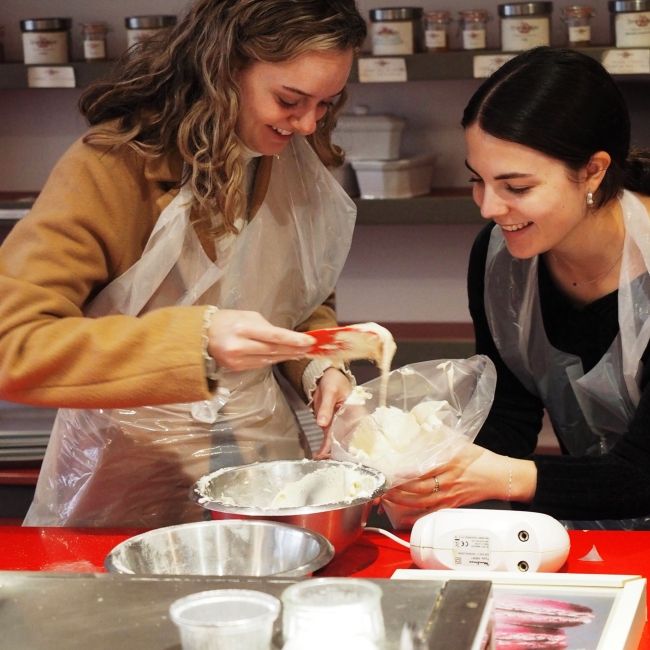
- Immersive Experiences: Participate in activities, excursions, study tours, and more that showcase your host city's culture, values, and local art, film, music, cuisine, and sports scenes.
- Cultural Projects: Volunteer with members of the local community, join student clubs to socialize with your peers, and attend local workshops and events to get to know your host city.

Excursions & Activities
CIEE’s excursions and cultural activities in Rennes will open doors for you to explore France's rich diversity, language, culture, history, and timeless beauty in ways that will enhance your time abroad.
Samples of past excursions and activities:
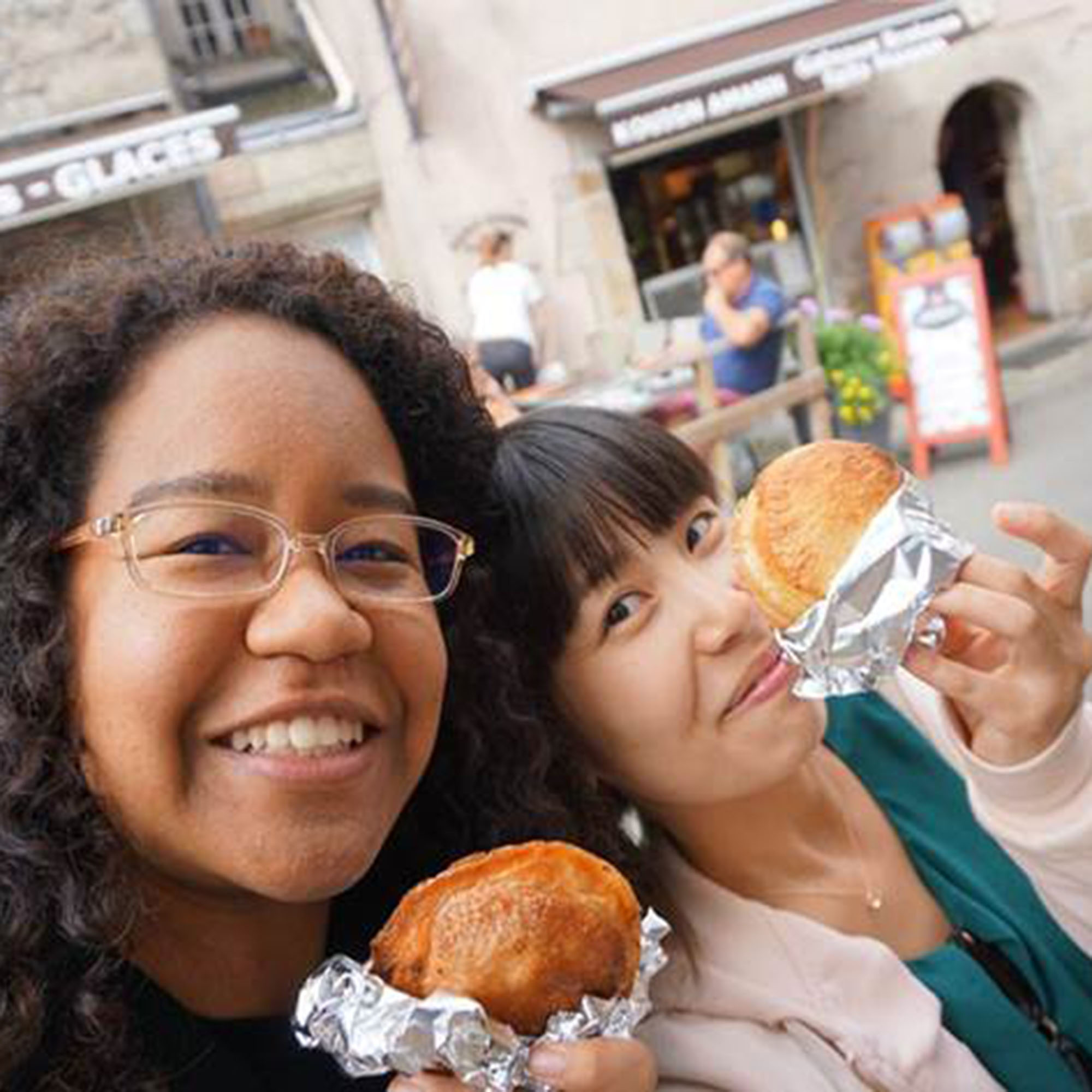
- Indulge in delectable crêpes and other regional specialties such as kouign amann
- Explore the enchanting Mont Saint-Michel, visit the Abbey, and dive into the excitement of quicksand and cross rivers during a hike around the bay
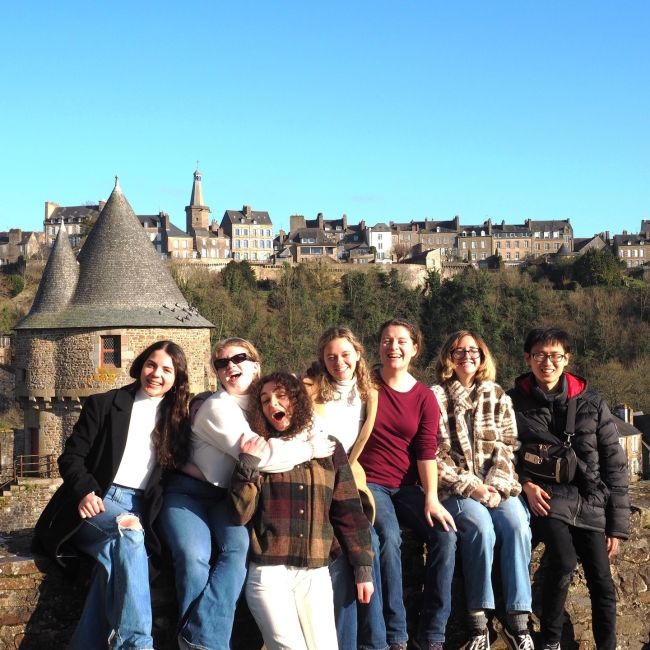
- Embark on a journey through time as you discover medieval cities such as Fougères, Dinan, or Vannes
Please note: Activities are based on past programs and subject to change at CIEE's discretion to adapt to local circumstances and participant feedback. Our goal when arranging activities is always to enhance your experience.
Program Blogs
Volunteering at a Nursing Home in Rennes
When I learned about the collaboration between CIEE and a nursing home in Rennes, I was excited and reassured. As a student on the pre-health track, I was very hesitant... keep reading
My study abroad experience as a transgender woman (EN) / Mes expériences d'études à l’étranger en tant que femme transgenre (FR)
English version (French version below) I’d like to start by saying that I’m only going to talk about my own experiences: I haven’t yet transitioned legally or physically, and I’m... keep reading
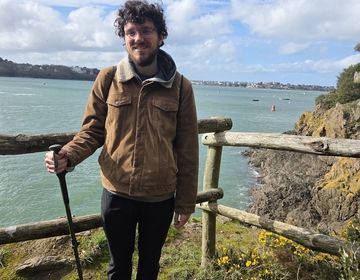
Participating in an activity in Rennes
One of my favorite things about Rennes has been some of the great things I’ve gotten to do with the community here, all of the activities that are possible at... keep reading
Housing & Meals
Housing
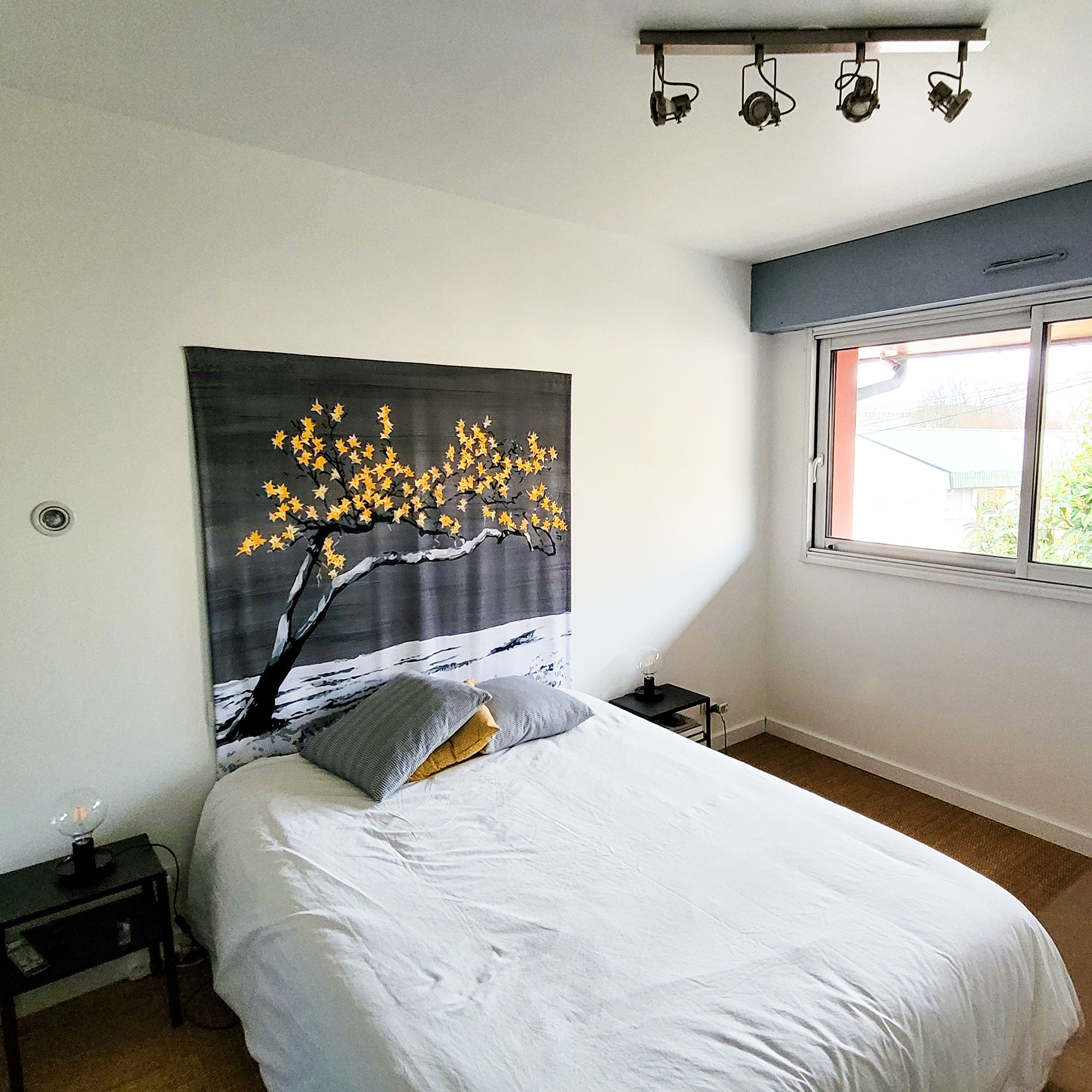
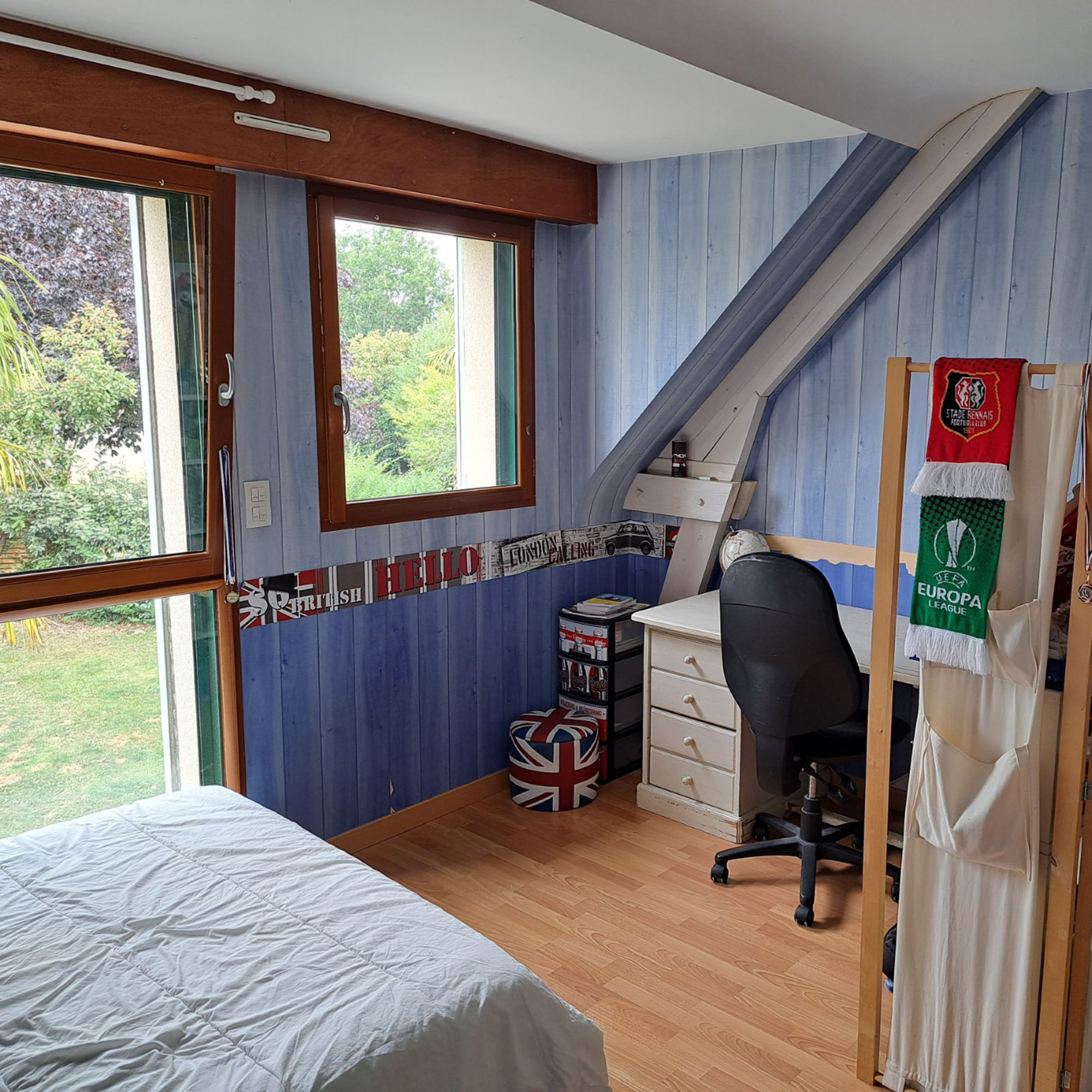
CIEE Rennes offers various housing options, including homestays or single-studio apartments. All housing options are located in neighborhoods with convenient access to the center of Rennes and the host institution. The city is very easy to get around on foot, by metro, or by bus courtesy of an excellent and modern public transport system.
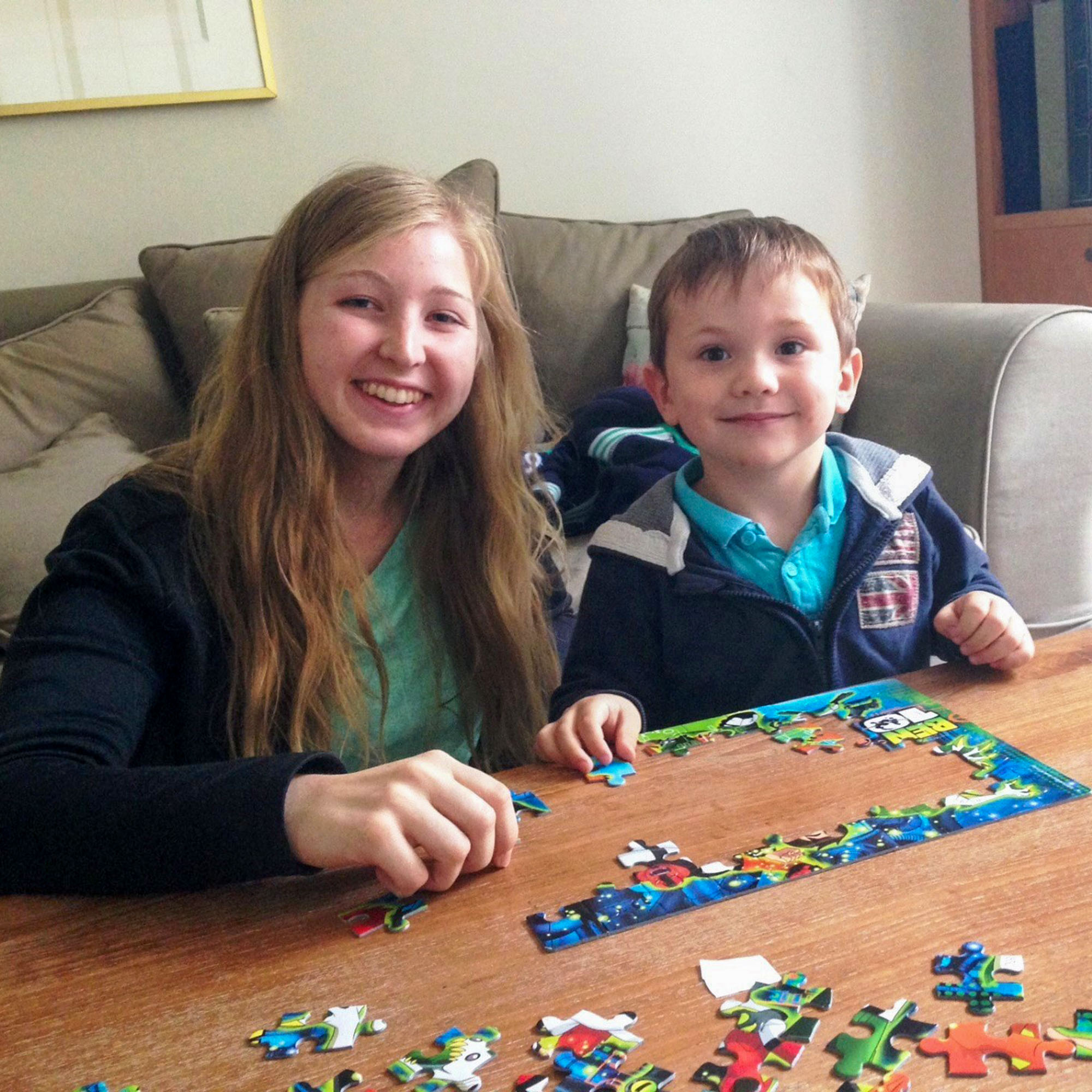
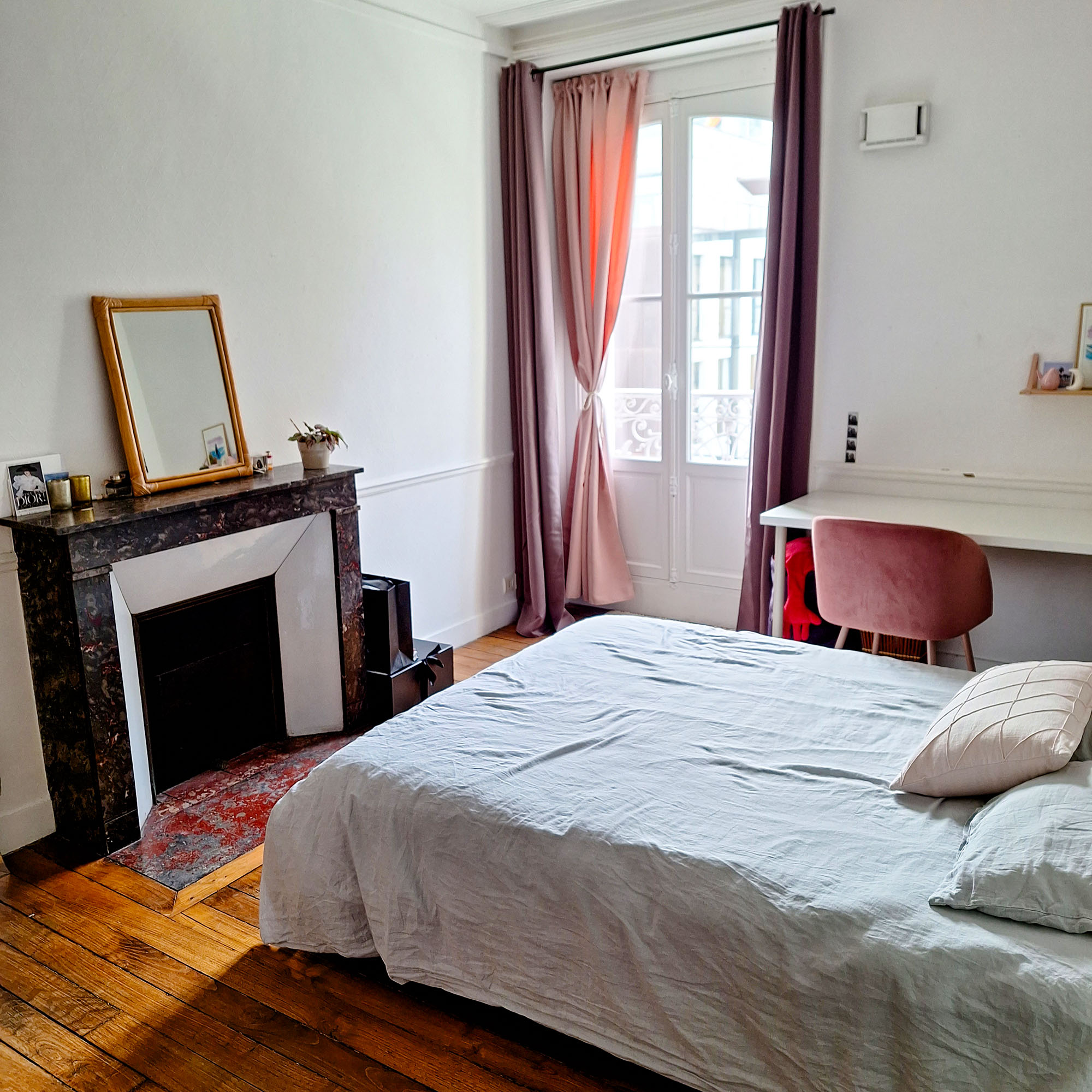
Standard Housing: Includes a single room in a homestay. Homestays are in Rennes or a nearby suburb within a 15- to 40-minute commute to CIEE Rennes. Residences are either apartments or houses featuring a kitchen, living room, and bathroom shared with a host family.
Select Housing: Includes a limited number of single studio apartments at a residence hall located within 20 minutes of CIEE Rennes. Studio apartments are equipped with a private bathroom and kitchenette and share common areas and laundry facilities with other residents. Select housing requires an additional fee.
A note: The default criterion to assign housing is first-come, first-served; however, other factors may also be considered. If we cannot accommodate your first housing choice, we'll let you know before you arrive. Non-standard housing options require an additional fee that can be found in the program Dates and Fees.
Meals
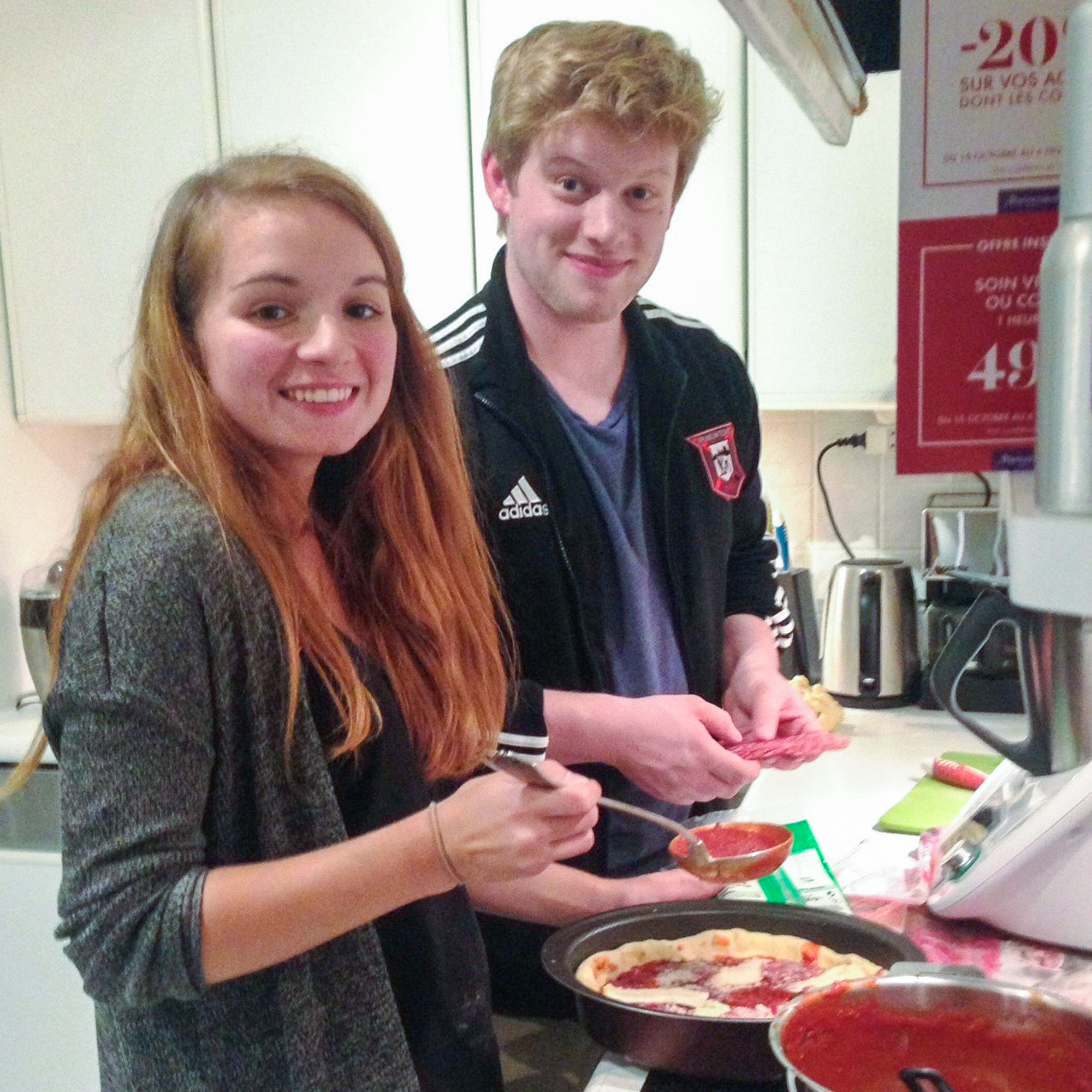
- Homestays: Students typically have weekday breakfasts and dinners, and all weekend meals (included in the program fee) with their host family. On weekdays, students are responsible for their lunch, which may be purchased at local cafés, boulangeries, crêperies, or mini markets in downtown Rennes.
- Studio-Apartments: Students living in a studio apartment are responsible for budgeting and preparing their own meals. Food can be purchased at a nearby supermarket, bakery, or outdoor market.

Academics
CIEE Rennes: Study in the charming and cozy business center near the Vilaine River, with convenient access to restaurants, cafés, public parks, a post office, a gym, a metro station, and green spaces. CIEE Rennes boasts one main classroom, a combo student lounge and kitchenette, and two main offices.
Université Rennes II: Université Rennes II was established in 1969 and hosts more than 24,000 students. The campus is located a mile from Rennes’ downtown, just an 8-minute metro ride from the historic center.
CIREFE: CIREFE, which can be considered a department within Université Rennes II, was created in 1983 and hosts on average 300-500 international students (40-60 nationalities represented) each semester. This rich diversity brings a multitude of perspectives, ways of thinking, and approaches to engaging with the French language and cultures.
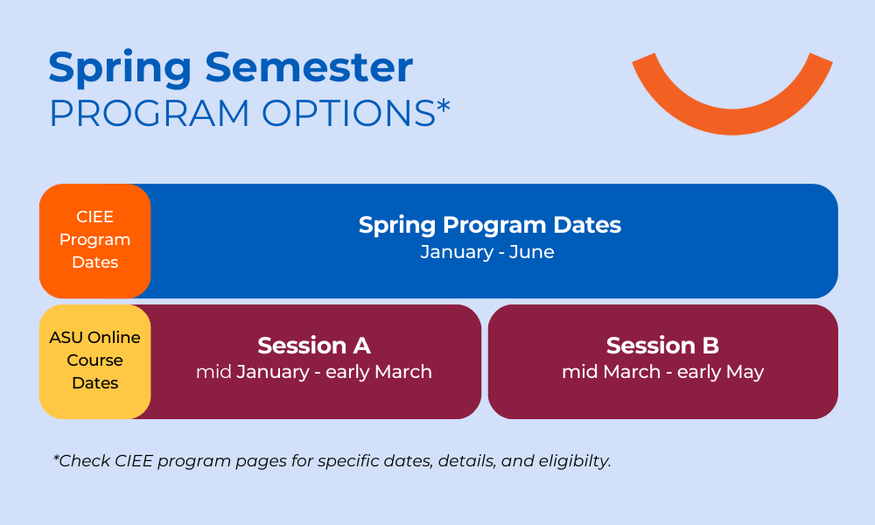
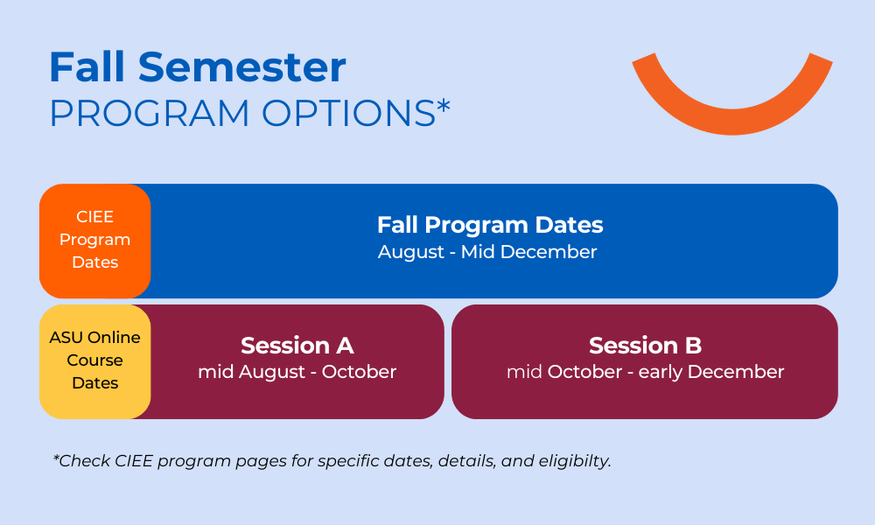
Arizona State University (ASU): Brought to you by CIEE in partnership with ASU, enhance your international coursework with online classes that align with your degree requirements. ASU offers thousands of online courses in asynchronous 7.5-week sessions that fit within the CIEE academic calendar.
Course Information
Course Notes
- Students will register for courses after arrival and after completing the CIREFE online language placement test.
- In case of insufficient enrollment, some courses may not be offered. Courses are offered in the fall and spring semesters unless otherwise indicated. All courses are junior and senior-level.
DUEF DIPLOMA (DIPLÔME UNIVERSITAIRE D’ETUDES FRANÇAISES)
Students can opt for a diploma track and receive a diploma from Université Rennes II/CIREFE that validates their academic coursework and their level in French at the end of the semester. Although this diploma will not be necessarily recognized in the U.S., this track may be of interest to students who wish to pursue future academic or professional endeavors in French, in France or in Europe.
The CIREFE diploma (Diplôme Universitaire d’Etudes Françaises - DUEF) is offered to all students who complete a specific list of courses. In the CIEE course listings, these courses correspond to the required language courses plus the recommended language and culture courses, and one to four electives depending on the level at which students are placed.
Communication, Journalism, and Media
Education
Languages and Cultural Studies
Communication, Journalism, and Media
Education
Languages and Cultural Studies
Communication, Journalism, and Media
Education
Languages and Cultural Studies
Communication, Journalism, and Media
Education
Languages and Cultural Studies
CIREFE Courses
A1 (Breakthrough level) & A2 (Waystage level)
A1: Breakthrough level - Can understand and use familiar everyday expressions and very basic phrases aimed at the satisfaction of needs of a concrete type. Can introduce him/herself and others and can ask and answer questions about personal details such as where he/she lives, people he/she knows, and things he/she has.
A2: Waystage level - Can understand sentences and frequently used expressions related to areas of most immediate relevance (e.g., very basic personal and family information, shopping, local geography, employment). Can perform simple and routine tasks that require a simple and direct exchange of information on familiar and routine matters.
Students who place into CIREFE's A1 and A2 take the following four French language required courses and one civilization class.
Required courses
French Language - The focus of this course is to expand the student's ability to express him/herself in a concise manner. Students write short, well-organized texts in which they use indirect discourse, description, retelling, and simple argumentation. Students learn how to construct descriptive, narrative, and argumentative texts by learning logical connectors, more complex verb tenses, cause and effect, hypothesis and the conditional, and finally, opposition and concession. There are weekly one-hour laboratory sessions and writing assignments. Contact hours: 78 classroom hours and 26 language lab hours (8 hours per week including 2 hours of laboratory) in A1 or 78 classroom hours and 13 language lab hours (7 hours per week including 1 hour of laboratory) in A2.
From Listening Comprehension to Written Expression - This class is designed to help students increase their listening comprehension through various audio/visual materials by learning to recognize distinct information and then responding through written work with the appropriate and newly acquired lexical, grammatical, and syntactic tools. Students are guided in acquiring a more natural expression in French. They also learn to structure a text in a coherent manner using logical links, pronouns, and expressions of substitution so as not to repeat themselves. By producing their own written texts, students learn how to relate an incident, a visit, or an experience in various tenses; to integrate examples or arguments; and to reconstruct spoken language into indirect discourse.
From Written Comprehension to Oral Expression - By working on comprehension of various written documents, students improve their oral expression by listening to rhythm and intonation, then producing a global synthesis and pointing out pertinent details.
Oral Expression - Students increase their oral French proficiency through spoken exercises that concentrate on introducing oneself, purchasing something in a store, pointing out directions, etc.
French Civilization and Culture: Initiation – Students explore French culture in its various lifestyles: family, students, and leisure in Brittany. Students participate in interactive communicative exercises to comprehend and practice introducing oneself appropriately in different contexts, requesting information, inviting/refusing an invitation, etc.
B1 (Threshold level)
Can understand the main points of clear standard input on familiar matters regularly encountered in work, school, and leisure situations. Can deal with most situations likely to arise while traveling in an area where the language is spoken. Can produce simple connected text on topics which are familiar or of personal interest.
Required language courses
French Language - This course emphasizes the ability to express oneself in diverse communicative settings. Students are taught to report an event in the past tense; to express tastes, feelings, or opinions using the subjunctive and relative pronouns; to formulate hypotheses; to express certainty, uncertainty, or fear using the subjunctive and conditional; and to announce or expose a factual event using the correct form of past verb tense and/or voice. Students apply these skills to argumentative discourse and concentrate on logical syntactical connectors, causes, consequences, goals, expressing opposition, and concession. Weekly one-hour laboratory sessions take place and writing assignments are given.
From Listening Comprehension to Written Expression - Students work on improving their listening comprehension skills through various audio/video recordings, by learning to recognize distinct information, and then responding through written work with the appropriate and newly acquired lexical, grammatical, and syntactic tools. Through activities using written French, students advance in their ability to produce correct sentence structure using the appropriate vocabulary. In writing assignments with specific syntactical and style constraints, they are asked to produce work that reflects daily life in France – emails, letters asking for information, report of a visit or an event, and description of places or objects. Emphasis is placed on making coherent connections, avoiding repetition through use of pronouns and alternative expressions.
Recommended language courses
It is recommended that students at this level take the following courses.
Oral Expression – Students increase their fluency through spoken exercises that concentrate on expressing emotions, feelings, opinions, obtaining information, and matters concerning daily life in France.
French Civilization and Culture: Introduction - This is an introduction to politics, contemporary society, and cultures of France, with a focus on the lexicology needed to understand French society more fully. Authentic materials are used, such as newspapers, magazine articles, and films.
Elective courses
Introduction to Modern Art - This course examines and analyzes the Impressionist movement as a precursor to 20th century art. Students learn how to analyze a painting according to aesthetic and sociohistorical criteria.
Cinéma - Films are used to analyze French as spoken in everyday contexts, become aware of cultural and social phenomena depicted in French films of the last 20 years, and introduce film analysis and cinematic codes of communication. Students view films, read scripts and reviews, and discuss socio-cultural connotations and elements.
History of France – Students will understand key moments in French history from the end of the Ancient Roman period to the end of the 20th century through the study of texts and audiovisual documents (maps, films extracts) and historical figures (Clovis, Charlemagne, Jeanne d'Arc, François 1er, Louis XIV, Louis XVI, Robespierre, Napoléon 1er, Charles de Gaulle).
Introduction to French Literature – Students will be introduced to French literature through the exploration of different literary genres (i.e., descriptive, narrative, poetic texts) using a thematic approach. Students are given the necessary vocabulary for literary analysis. Focus is on 20th century literature.
Writing Practice – Designed to help students foster better writing practices in French. Working with short texts, students are asked to produce variations changing gender and number; narrator's point of view; verb tenses and modes; and vocabulary and form. Students keep a journal and write weekly passages on a chosen topic.
B2 (Vantage level)
Can understand the main ideas of complex text on both concrete and abstract topics, including technical discussions in his/her field of specialization. Can interact with a degree of fluency and spontaneity that make regular interaction with native speakers quite possible without strain for either party.
Required language courses
French Language – Students work on improving their French language skills by moving from basic sentence structure to compound phrases; this is achieved in part by learning to accurately express: feelings, wishes, orders, advice, causes, consequences, and opposition. Special emphasis is placed on structuring one's thoughts and students produce argumentative texts that rely upon grammatical tools such as verb tense/cause and effect, logical ties, vocabulary to enhance or depreciate; ordering of arguments and examples; and ability to recognize thesis/antithesis.
Written Expression and Reading Comprehension – This course aims to develop the student's comprehension of written French (developing reading strategies, going from global comprehension to more detailed comprehension) as well as the student's written expression, using mainly authentic documents. The activities used for written expression and comprehension may be used in tandem to help deepen the student's skills and understanding of both.
Recommended language courses
It is recommended that all students take the following courses.
Oral Expression – Students will develop competence in oral expression. This is not a conversation class, but rather a class aimed at improving the student's linguistic and communication skills. The student will practice describing, explaining, arguing, and improvising. This course will offer interactive activities aimed at improving oral expression. The student will be evaluated throughout the semester, while participating in role-play activities as well as short, individualized interventions. Contact hours: 26 (2 hours per week).
Oral Comprehension – Students will develop oral comprehension in French (developing listening strategies, going from global to more detailed comprehension) using mainly authentic documents.
French Civilization and Culture – This class includes analysis and discussion of current events in the French press, radio, and television. Students are given the necessary historical and cultural background to better understand current affairs. Topics include regionalism and Breton culture and identity, political and social institutions, the educational system, and cultural heritage.
Elective courses
Students enroll in at least two of the following courses.
Cinéma – Students will develop a mastery of cinema-related vocabulary and initiate students to a cinematic reflection and analysis, while also offering a look at certain emblematic works of French cinema.
French Literature – Based on literary excerpts and novels adapted to films, this course initiates students to textual analysis by examining several literary genres and movements representing a historic and stylistic coherence and applying basic analytical approaches to texts. Themes and authors studied in the fall include the difficulty of being (Cohen), hell with others (Sartre), and passion as an escape (Stendhal, Duras). Themes and authors studied in the spring include the passing of time (Ronsard, Kristof), the war (Prévert, Duras), social differences (Hugo, Proust), and escape through travel (Nothomb).
Francophonies – Using various cultural aids including film, music, radio, television, the press, and literature from the many French-speaking regions throughout the world, this course helps students understand the diversity and richness of these different countries and cultures. It also asks students to reflect on the question of identity in both an individual and a societal context. The notion of "francophonie" itself is studied in both historic and literary terms. Several cultural events organized throughout the region offer an opportunity for students who would like to have a more "hands-on" exploration of la francophonie.
France in the World During the 20th Century – This course proposes to explore the geopolitical importance, financial expansion, and cultural influences of France in the world at the beginning of the 20th century through different themes: The colonial Empire at its peak (1920-1940): territories, organization, economy, colonizers and colonized peoples; Crises, stages and consequences of the decolonization (1945-1960) in Asia, North Africa, and West Africa; Geopolitics of the Francophony in today's world; France and Europe.
Creative Writing – Students will discover the pleasure of writing personal essays in a foreign language and reading those of classmates from different cultures. Writing assignments focus on a variety of styles. Through continual revision and rewriting, students develop self-editing skills and learn to self-correct.
French for Business – Students will be introduced to the business world and study the professional know-how (identifying and classifying different types of businesses, comparing business cultures, defining a branch of industry, consulting and/or drafting a job advertisement, etc.) and the economic environment (understanding the subprime crisis, Europe and the debt crisis, etc.).
C1 (Effective proficiency level) & C2 (Mastery level)
C1 (Effective proficiency level)
Can understand a wide range of demanding, longer texts and recognize implicit meaning. Can express him/herself fluently and spontaneously without much obvious searching for expressions. Can use language flexibly and effectively for social, academic and professional purposes.
C2 (Mastery level)
Can understand with ease virtually everything heard or read. Can summarize information from different spoken and written sources, reconstructing arguments and accounts in a coherent presentation.
Students who place into C1 and C2 are required to take two two-hour French language classes. Students take three or four additional courses from the list of electives. The C1 level is offered in the fall and the spring, while the C2 level is only offered in the spring.
Required language courses
French Language (C1 & C2) – In this course, students will reinforce and master their knowledge of the basic structures of the spoken and written language (to talk about the past, report what someone else has said, and argue). Students will work on the nuances of the language such as how to formulate degrees of appreciation (formulas for toning down and intensifying), degrees of intensity (superlatives, adverbs, prefixes, and suffixes), and negative and positive nuances, and will learn to master the verb "devoir" plus infinitive (capacity, authorization, or possibility), the verb "pouvoir" plus infinitive (obligation or supposition), the passive pronominal forms "se laisser," "se voir," plus infinitive.
Written Expression and Reading Comprehension (C1 & C2) – This course aims to develop the student's reading comprehension (developing reading strategies, going from global to more detailed comprehension) and written expression, using authentic documents. Reading comprehension and written expression activities may be used in tandem to help deepen the student's skills and understanding of both. The student will need to produce at least one written exercise each week, either in class, at home, or both.
Recommended courses
It is recommended that all students take the following courses.
Oral Expression (C1 & C2) – The objective of this course is to develop the student's competence in oral expression. This is not a conversation class, but rather a class aimed at improving the student's linguistic and communication skills. The student will practice debating, exhibiting, taking/keeping the floor, modifying one's speech, reformulating, handling difficult or hostile questioning, and writing a press review. This course will offer interactive activities aimed at improving oral expression.
Phonetics (C1 & C2) – This course provides students with a background in phonetics and improved pronunciation. The course follows a systematic study of French phonetics, including the classification of French vowels and consonants according to mode of articulation, phonetic transcription of French, and work on intonation.
Grammar Reinforcement (C1) – The goal of this course is to improve the following skills: grammar, vocabulary, and spelling. Students will work on eliminating almost fossilized errors and expanding prior language knowledge that requires revision.
From Oral Comprehension to Expression (C1) – This course aims to develop the student's competence in listening comprehension (developing listening strategies, going from global to more detailed comprehension) using authentic documents. Oral comprehension and expression activities may be used in tandem to help deepen the student's skills and understanding of both.
Oral Comprehension (C2) – This class aims to develop the student's listening comprehension in French (developing listening strategies, going from global to more detailed comprehension) using mainly authentic documents.
French Literature I: Representations of the Foreigner (C1) – The course looks at representations of the foreigner. French authors from the Renaissance to 20th century are analyzed to reveal figures of style—discrepancies with natives and questioning one's status as foreigner and nostalgia. Authors and themes studied in the fall include: Montesquieu & Voltaire (Criticism of French society), Flaubert & Gide (The search for one's positive self-liberation), and Céline & Camus (The search for one's negative self-alienation). Authors and themes studied in the spring include: Molière (The exoticism of the foreigner), Montaigne (The superiority of the foreigner), Etcherelli (Integration problems facing the foreigner), and Duras, Camus, & Cardinal (The story of French colonization).
French Literature II: The Theater (C1) – Students will follow the evolution of French theater across the centuries and analyze different forms of theatrical discourse—not only a text's literary characteristics but also how a text's characters interact and communicate, and the specificities of a project meant to be both seen and heard by means of a public representation. In an effort to encourage oral debate, filmed extracts of each play will be projected in class, allowing students to reflect and comment on the staging and direction of each. During the fall semester, course studies will concentrate on the evolution of theatre across the centuries, using the works of six playwrights: Racine, Phèdre (classical theater in the 17th century), Hugo, Ruy Blas (romantic theatre in the 19th century), Beckett, Waiting for Godot (theatre of the absurd in the 20th century). During the spring semester, course studies will concentrate on 20th century contemporary theater (Sartre, Ionesco, Sarraute).
French Literature III: Fiction (C2) – In fictional works, narration is organized using various structures that this course will help to identify and to analyze. The objective is to explore different narrative forms by reading various works (both short stories and novels) based on categories defined in advance during the course.
French Literature IV: Literature, Women, and Gender (C2) – The objective of this course is to study the evolution of literary forms as well as social ideas in France from the 16th to the 21st century using major works written by women. This course is designed for students who like to read and who would like to learn how to understand a literary work based on French academic study criteria. The goal is to put together a file comparing the works of different female writers chosen by the student. The student will benefit from regular personal consultation with the instructor throughout the semester.
French Society I: Contemporary France through Current Events (C1) – This course analyzes French society through a study of current events of a varied nature: political, social, cultural, and other news items. Studying these events allow students to understand what is being talked about in the media and what could or might be a subject of daily conversation for the French, and to deepen the students' understanding and questioning of French society, through current events.
French Society II: French and European Institutions (C1) – This course focuses on French and European institutions. Using both written and audiovisual documents, the course enables students to understand the implications of these institutions on French society. These presentations sometimes are accompanied by critical discussions in class. Areas of study include: French presidential and parliamentary regimes, the French constitution of the 5th Republic, centralization and decentralization, and institutions of the European Union.
French Society III: Problems in Contemporary French Society (C2) – Based on current events and using documents taken from the press and televised news reports, certain events are analyzed in a manner that shows how they express the questions, crises, and current evolutions of French society.
French Society IV: The French Press (C2) – This course is focused on becoming acquainted with various French newspapers (daily and weekly) and comparing them to each other. Students work to acquire the language of the press and learn to use the analytical tools which are specific to the press itself. The students are asked to write a special report on the subject of their choice. Current newspapers are furnished for the students each week.
Elective Cirefe courses
Open only to students in the C1 and C2 levels unless approved by CIREFE instructor and center director.
C1 (Fall)
Features of the French Economy - This course offers an introduction to economics, including major theories and currents of thought. It provides an overview of history of the French economy from 1945. Topics include: an original economic model (state, capitalism, social democracy), economic growth 1945-1974 (reconstruction, the bases and branches of power, territorial and societal transformations), the integration in the European economic community, the French economy in crisis and the new world order (1974-2011).
History of Modern Art - The course begins with an examination of major avant-garde movements of the early 20th century including Fauvism, Cubism, Futurism, Constructivism, and Dada. Students are then exposed to the emergence and development of abstraction through the works of Kandinsky, Malevich, and Duchamp, among others.
Architecture and Arts of Colors at the Middle Ages - This course focuses on Breton architecture, with special emphasis on examples in Rennes. Using a number of specimens of civil architecture from the Middle Ages, both inside and outside the classroom, students learn to identify and appreciate the specifics of this architectural style.
French History: 1870 to 1914 - Providing an overview of the history of France from 1870 to 1914, the course begins with a brief introduction of the French Revolution. The focus is on France in 1870 and the Third Republic: the republican ideology, nation and nationalism in France at the end of the 19th century, the crises of the Republic (the Dreyfus affair).
Film Analysis: An Introduction - A hands-on introduction to film, this course provides students with an overview of French film culture, the methodological tools needed to analyze cinematic works, and the technical language used to discuss image and sound. The course engages the students in activities at Rennes II such as conferences with film experts and film festivals.
C1 & C2 (Spring)
19th-20th Century French Architecture – This course offers an overview of French architecture, notably through the study of major works from famous architects such as Viollet-le-Duc to Jean Nouvel and symbolic architectural realizations during the period covered (la Tour Eiffel; les stations du "Métropolitain" à Paris; la Cité Radieuse; le musée du Quai Branly). Students go on an architectural tour in Rennes with their professor and learn how to recognize and understand various architectural styles from the 19th century until today and master the architectural vocabulary of this period.
The French Approach to International Relations – This course is an overview of France's approach to international relations. Topics covered include France's foreign policy, defense policy, relations with the U.S. and Russia, integration and role in the European Union, and foreign policy with respect to the Arab world and Africa.
History of Contemporary Art – The objective of this course is to sensitize students to the esthetics of contemporary art as well as furnish the analytical tools to evaluate and reflect on the art of this period. Students are introduced to new concepts in 20th century art by examining specific examples of contemporary sculpture.
20th-Century French History – Students focus on the period of French history starting with WWI and leading to General de Gaulle's Fifth Republic. Special emphasis is placed on France during WWII, the occupation and "Free France," the liberation, and the short lived Fourth Republic.
Film Analysis: Reading Films – By exposing students to the art of scenario writing, narrative techniques, and the actual cutting of films, the course's goal is to help students develop a better French film culture as well as more sophisticated means of film analysis. The course engages the students in activities at Rennes II such as conferences with film experts and film festivals.
The World of Work – See the panorama of the business world in France, as well as of French enterprise. It aims to develop four linguistic skills for professionals. The students will study the various aspects of the business world—companies (creation, operation, etc.), human resources, cover letters, resumes and interviews, as well as learning how to assess a firm's current economic state.
Philosophy – The objective of this course is to introduce the foundations of Western philosophy, with a strong emphasis on French philosophy. The great authors—Descartes, Pascal, and the Enlightenment philosophers will be studied. Twentieth century French philosophy (Bergson, Sartre, Camus, Derrida, and Deleuze) will also be presented. Depending on the students' interests, this course could also touch on authors situated at the margins of philosophy, such as Levi-Strauss (anthropology) and Lacan (psychoanalysis). The instructor will work from text extracts.
Université Rennes II courses
Students with advanced-level French language skills and the permission of the resident director may enroll in up to two regular Université Rennes II courses, taught in French, alongside French students. Listings for these courses are available to students upon arrival in France. In the past, CIEE participants have enrolled in such Rennes II courses as:
- Arabic Language
- Art History: Contemporary Art
- Beginning Gaelic Language
- Breton Language, Culture and Civilization
- Cinema Studies: Silent Film
- Cognitive Psychology
- Cultural and Social Anthropology
- Economics
- Exclusion and Integration in Contemporary Societies
- Geography of Brittany
- Geography of Inequalities of Development in the World
- History of Cinema
- History of Women and Gender
- History: Women in the 20th Century
- Irish Poetry
- Islamic Religion, Society, and Civilization
- Maths Applied to Social Sciences
- Political Economy
- Philosophy
- Psychology
- Sociology
CIEE proudly partners with ASU to deliver asynchronous, 100% online coursework that aligns with your degree requirements from anywhere you study abroad.
CIEE and ASU offer courses online per program eligibility, at no additional charge. Be sure to review online courses with your home school advisor.
Check the CIEE Program Dates and ASU start dates below to maximize course options within your program!
Search ASU Online Courses BROWSE FAQs for more INFO
Note: This course listing is for informational purposes only and does not constitute a contract between CIEE and any applicant, student, institution, or other party. The courses, as described, may be subject to change as a result of ongoing curricular revisions, assignment of lecturers and teaching staff, and program development. Courses may be canceled due to insufficient enrollment.
"(GI)" denotes courses that originated at CIEE's Global Institutes and that are offered at multiple CIEE sites.
Discover Internship Opportunities
We're excited you're considering this program! Next, explore the types of internships you can choose from for an epic internship abroad with CIEE Study Abroad.
Explore Industry Options
Rennes features a diverse work scene with thriving industries like cybersecurity, agriculture, and eco-industries. Known for its cultural and creative sectors, the city offers live performances and audiovisual productions. Numerous festivals provide opportunities in communication, web marketing, and design.
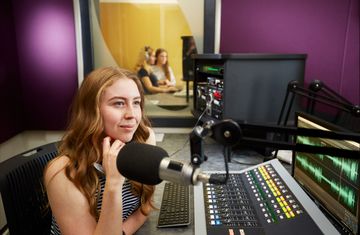
Arts, Audio/Video Technology and Communications
Immerse yourself in today's cutting-edge global media by working in film studios, media companies, the theater, and more.

Education and Training
Experience international teaching methodologies and curriculum development in classrooms around the globe.
Browse Internship Opportunities
Explore internship placements available through this program to find the right fit for your academic and professional goals.
Disclaimer: Internship placements are subject to availability and host employer hiring discretion. Application and payment of CIEE fees does not guarantee specific placement. This internship listing is for informational purposes only and does not constitute a contract between CIEE and any applicant, student, institution, or other party.
Scholarships & Grants
CIEE offers scholarships and grants annually to help students like you make your study abroad dream a reality.
Students who apply to this program are eligible for the following scholarships and grants:
- Ping Scholarships for Academic Excellence
- Global Access Initiative (GAIN) Travel Grants
- Stohl International Undergraduate Research Scholarships
- CIEE Gilman Go Global Grant
- Global Access Initiative (GAIN) Scholars Grants
To be considered, submit the CIEE Scholarships & Grants application within your CIEE program application.
Dates & Fees
You get more for every dollar when you study abroad with CIEE, because our high-quality programs include everything from excursions to insurance. There are no hidden charges, and no disappointing surprises when you arrive.
Program |
Application Due |
Start Date |
End Date |
Fees & Housing |
|---|---|---|---|---|
| Program Spring 2027 18 weeks | Start Date | End Date | Fees & Housing $19,950 | |
| Program Fall 2027 17 weeks | Start Date * | End Date * | Fees & Housing $19,950 | |
| Program Fall 2026 17 weeks | Application Due Deadline Passed | Start Date | End Date | Fees & Housing $19,950 |
| Program Academic year 2026-2027 38 weeks | Application Due Deadline Passed | Start Date | End Date | Fees & Housing $38,900 |
*Dates for this program are provided as tentative dates. Please consult with your study abroad advisor to confirm dates before purchasing your flights.
To help you budget, keep in mind that students are responsible for the cost of international airfare, local transportation, books and supplies, visas, and personal expenses. In addition, your college or university may charge additional fees for study abroad, or may require you to receive a transcript via CIEE's School of Record, which carries an additional fee of $500.
Program Fees
CIEE offers the most student support of any provider in its program fee, including an airport greeting, full-time leadership and support, orientation, cultural activities, local excursions, pre-departure advising, and CIEE iNext travel protection with benefits.
| Participation Confirmation | $500 * |
| Educational Costs | $15,156 ** |
| Housing | $4,100 *** |
| Insurance | $194 |
| Total Fees | $19,950 |
Optional Housing
CIEE accommodation options are detailed in the Housing section. Based on availability, Select or Select Plus Housing can be chosen during the application process for an additional fee. Housing is assigned on a first-come, first-served basis; however, other factors may also be considered.
| Select Housing Fee | $1,425 |
Financial Aid
CIEE offers the most grants and scholarships of any study abroad organization, including $8 million/year in travel grants, merit-based scholarships, institutional grants, and Gilman Go Global Grants.
Estimated Costs
Students are responsible and manage costs related to travel, meals, books, and personal expenses. Below are estimates for consideration.
| Meals not included in program fee | $1,510 † |
| International Airfare | $1,200 †† |
| Local Transportation | $150 ††† |
| Books & Supplies | $50 †††† |
| Visa Fees | $645 ††††† |
| Potential travel to consulate for visa | $500 †††††† |
| Personal expenses | $1,032 |
| Total Costs | $5,087 |
*non-refundable fee
**Direct cost of education charged uniformly to all students
***Housing fees listed are for financial aid purposes only and should not be considered a basis for calculation of refunds.
†The listed estimated cost is for students in homestays, families provide 2 meals a day and more on weekends, and the optional estimated cost for dining out once per week ($566). For students in apartments/residence halls, you should budget approx. $288 per month for groceries if you plan on making your own meals, and more if you plan on eating out regularly.
††round-trip based on U.S. East Coast departure
†††Bus/metro pass
††††Host institution provides course material packages to students
†††††The minimum fees total $645, which includes Regular Campus France service, the standard service fee for your visa appointment, a visa processing fee, and a visa validation fee upon arrival in France. The maximum fees total $915, if you elect for expedited Campus France service and a prime time visa appointment. This estimate does not include any personal travel expenses you might incur to reach the consulate.
††††††If no consulate in your home area
Personal expenses may include but are not limited to the following: taxis, social activities and entertainment, toiletries, cell phone. Does not include personal travel.
Program Fees
CIEE offers the most student support of any provider in its program fee, including an airport greeting, full-time leadership and support, orientation, cultural activities, local excursions, pre-departure advising, and CIEE iNext travel protection with benefits.
| Participation Confirmation | $500 * |
| Educational Costs | $15,156 ** |
| Housing | $4,100 *** |
| Insurance | $194 |
| Total Fees | $19,950 |
Financial Aid
CIEE offers the most grants and scholarships of any study abroad organization, including $8 million/year in travel grants, merit-based scholarships, institutional grants, and Gilman Go Global Grants.
Estimated Costs
Students are responsible and manage costs related to travel, meals, books, and personal expenses. Below are estimates for consideration.
| Meals not included in program fee | $1,387 † |
| International Airfare | $1,200 †† |
| Local Transportation | $150 ††† |
| Books & Supplies | $50 †††† |
| Visa Fees | $645 ††††† |
| Potential travel to consulate for visa | $500 †††††† |
| Personal expenses | $1,021 |
| Total Costs | $4,953 |
*non-refundable fee
**Direct cost of education charged uniformly to all students
***Housing fees listed are for financial aid purposes only and should not be considered a basis for calculation of refunds.
†The listed estimated cost is for students in homestays, families provide 2 meals a day and more on weekends, and the optional estimated cost for dining out once per week ($520). For students in apartments/residence halls, you should budget approx. $288 per month for groceries if you plan on making your own meals, and more if you plan on eating out regularly.
††round-trip based on U.S. East Coast departure
†††Bus/metro pass
††††Host institution provides course material packages to students
†††††The minimum fees total $645, which includes Regular Campus France service, the standard service fee for your visa appointment, a visa processing fee, and a visa validation fee upon arrival in France. The maximum fees total $915, if you elect for expedited Campus France service and a prime time visa appointment. This estimate does not include any personal travel expenses you might incur to reach the consulate.
††††††If no consulate in your home area
Personal expenses may include but are not limited to the following: taxis, social activities and entertainment, toiletries, cell phone. Does not include personal travel.
Program Fees
CIEE offers the most student support of any provider in its program fee, including an airport greeting, full-time leadership and support, orientation, cultural activities, local excursions, pre-departure advising, and CIEE iNext travel protection with benefits.
| Participation Confirmation | $300 * |
| Educational Costs | $15,456 ** |
| Housing | $4,000 *** |
| Insurance | $194 |
| Total Fees | $19,950 |
Optional Housing
CIEE accommodation options are detailed in the Housing section. Based on availability, Select or Select Plus Housing can be chosen during the application process for an additional fee. Housing is assigned on a first-come, first-served basis; however, other factors may also be considered.
| Select Housing Fee | $1,275 |
Financial Aid
CIEE offers the most grants and scholarships of any study abroad organization, including $8 million/year in travel grants, merit-based scholarships, institutional grants, and Gilman Go Global Grants.
Estimated Costs
Students are responsible and manage costs related to travel, meals, books, and personal expenses. Below are estimates for consideration.
| Meals not included in program fee | $765 † |
| International Airfare | $1,200 †† |
| Local Transportation | $150 ††† |
| Books & Supplies | $50 †††† |
| Visa Fees | $645 ††††† |
| Potential travel to consulate for visa | $500 †††††† |
| Personal expenses | $210 |
| Total Costs | $3,520 |
*non-refundable fee
**Direct cost of education charged uniformly to all students
***Housing fees listed are for financial aid purposes only and should not be considered a basis for calculation of refunds.
†For students in homestays, families provide 2 meals a day and more on weekends. For students in apartments, you should budget approx. $285 per month for groceries if you plan on making your own meals, and more if you plan on eating out regularly.
††round-trip based on U.S. East Coast departure
†††Bus/metro pass
††††Host institution provides course material packages to students
†††††The minimum fees total $645, which includes Regular Campus France service, the standard service fee for your visa appointment, a visa processing fee, and a visa validation fee upon arrival in France. The maximum fees total $915, if you elect for expedited Campus France service and a prime time visa appointment. This estimate does not include any personal travel expenses you might incur to reach the consulate.
††††††If no consulate in your home area
$100 emergency fund + local phone communication + toiletries
Program Fees
CIEE offers the most student support of any provider in its program fee, including an airport greeting, full-time leadership and support, orientation, cultural activities, local excursions, pre-departure advising, and CIEE iNext travel protection with benefits.
| Participation Confirmation | $300 * |
| Educational Costs | $30,306 ** |
| Housing | $8,100 *** |
| Insurance | $194 |
| Total Fees | $38,900 |
Optional Housing
CIEE accommodation options are detailed in the Housing section. Based on availability, Select or Select Plus Housing can be chosen during the application process for an additional fee. Housing is assigned on a first-come, first-served basis; however, other factors may also be considered.
| Select Housing Fee | $1,275 |
Financial Aid
CIEE offers the most grants and scholarships of any study abroad organization, including $8 million/year in travel grants, merit-based scholarships, institutional grants, and Gilman Go Global Grants.
Estimated Costs
Students are responsible and manage costs related to travel, meals, books, and personal expenses. Below are estimates for consideration.
| Meals not included in program fee | $765 † |
| International Airfare | $1,200 †† |
| Local Transportation | $150 ††† |
| Books & Supplies | $50 †††† |
| Visa Fees | $645 ††††† |
| Potential travel to consulate for visa | $500 †††††† |
| Personal expenses | $210 |
| Total Costs | $3,520 |
*non-refundable fee
**Direct cost of education charged uniformly to all students
***Housing fees listed are for financial aid purposes only and should not be considered a basis for calculation of refunds.
†For students in homestays, families provide 2 meals a day and more on weekends. For students in apartments, you should budget approx. $285 per month for groceries if you plan on making your own meals, and more if you plan on eating out regularly.
††round-trip based on U.S. East Coast departure
†††Bus/metro pass
††††Host institution provides course material packages to students
†††††The minimum fees total $645, which includes Regular Campus France service, the standard service fee for your visa appointment, a visa processing fee, and a visa validation fee upon arrival in France. The maximum fees total $915, if you elect for expedited Campus France service and a prime time visa appointment. This estimate does not include any personal travel expenses you might incur to reach the consulate.
††††††If no consulate in your home area
$100 emergency fund + local phone communication + toiletries
What's Included
Tuition
Housing
Pre-departure Advising
Advising before you depart to set goals and answer questions
Optional on-site airport meet-and-greet
Orientation
Introduction to your program plus practical information about living in your host city
On-site Staff
Full-time program leadership and support in your city
Cultural and/or Co-curricular Activities
Excursions and/or Study Tours
Travel Protection
CIEE iNext travel protection
24/7 emergency on-site support
Meals
Our Staff

Daniel Audaz
Director
Get Started
1
2
Connect With Your Campus Study Abroad Office
Share your plans and confirm you're on track to meet all required steps to go abroad.
3
Contact CIEE
We're here to help! Send us an email if you still have questions or need information about applying to this program.
4
Interested in an optional internship?
After being accepted to this program and submitting the required internship documents, work with CIEE staff on your internship goals and select which positions to interview for. CIEE will reach out to companies that would be a good fit for you, your interests, and your qualifications. Finalize your internship placement upon arrival!
You might also like

- Nice, France
- Study Program
...for 1, 2, or 3 term blocks!

- Paris, France
- Study Program
- Part-Time Internship
...for 1, 2, or 3 term blocks!

- Study Program
- Part-Time Internship