
Liberal Arts Language Immersion
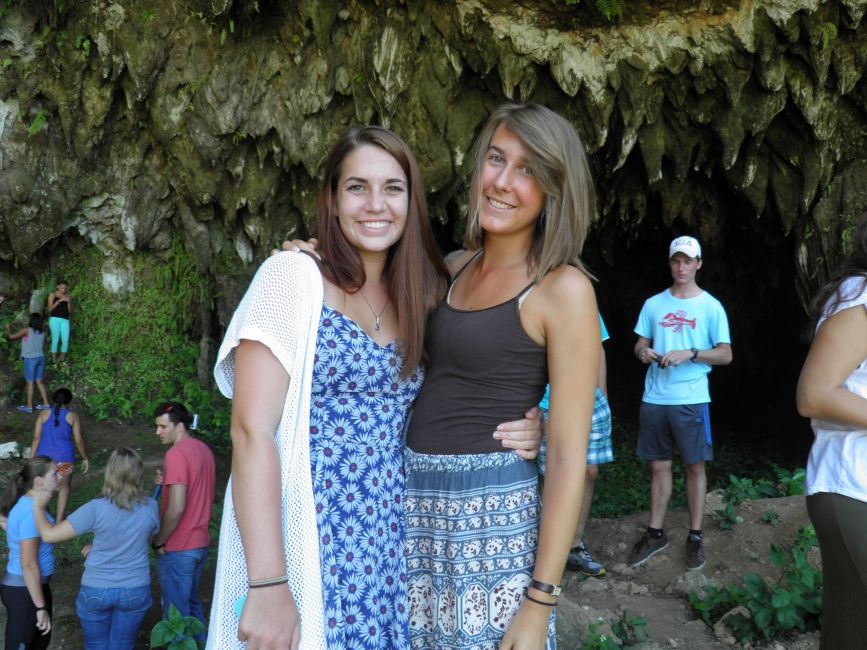
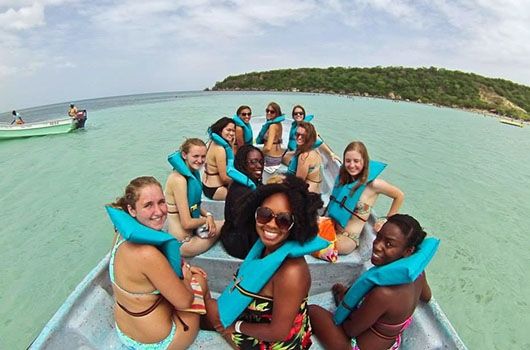
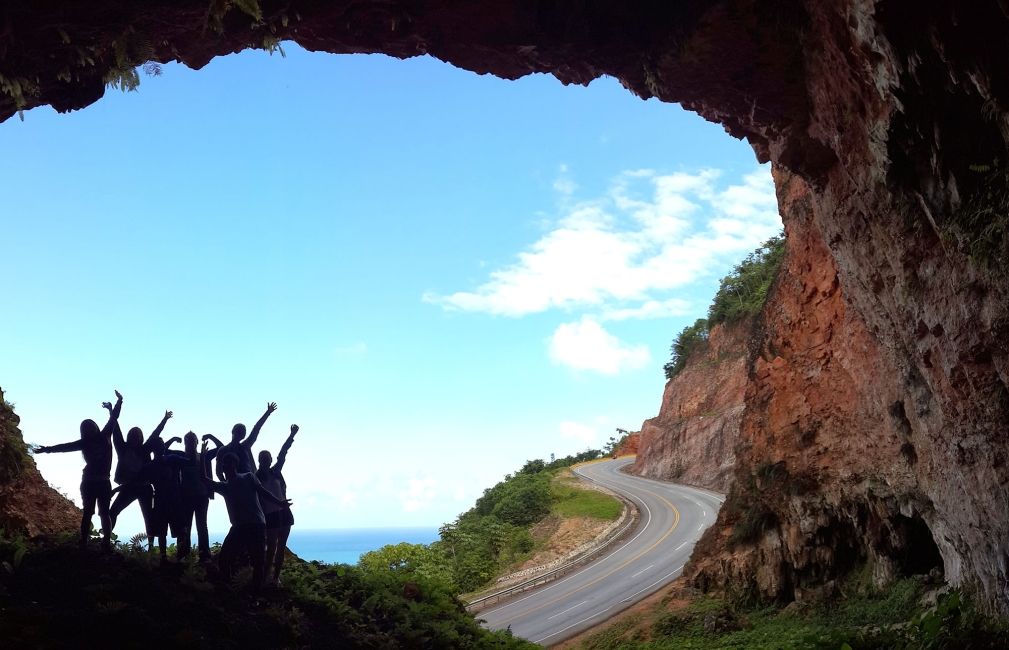
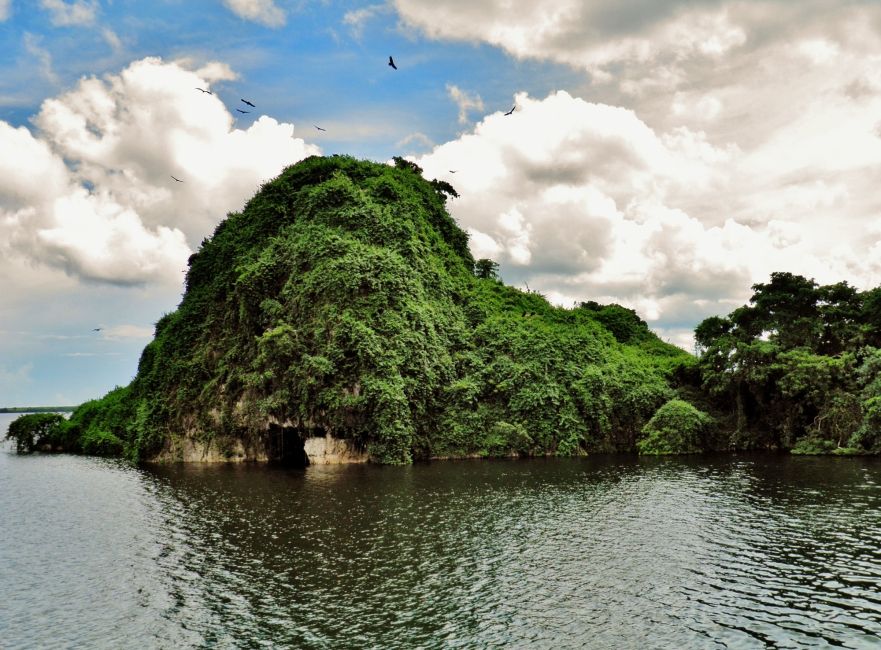
Unique Experiences
Discover an enchanted culture
where you’ll enjoy the warmth and tradition of the Dominican people
Enjoy tasty cuisine
from hearty meals at your homestay to the delightful flavors of street food
Get captivated by the local lifestyle
by meeting warm and welcoming people and exploring the “Heartland City”

Your Destination
Santiago de los Caballeros is the Dominican Republic’s dynamic city, where Spanish and Afro-Dominican cultures intertwine, creating an ideal environment for language immersion and cultural exploration. Whether you're practicing Spanish with locals in vibrant markets or engaging in lively conversations at a café, every experience deepens your connection to the language and culture. With a perfect blend of rich history, modern energy, and artistic expression, Santiago de los Caballeros is the perfect place to study abroad.

Program Highlights
- Academic Courses: Choose from CIEE courses and host institution courses that align with your academic major.
- Optional Internship Placements: Enhance your program with an optional for-credit internship that aligns with your career aspirations.
- Immersive Experiences: Participate in activites, excursions, study tours, and more that showcase your host city's culture, values, and local art, film, music, cuisine, and sports scenes.
- Cultural Projects: Volunteer with members of the local community, join student clubs to socialize with your peers, and attend local workshops and events to get to know your host city.

Excursions & Activities
CIEE’s excursions and cultural activities in Santiago de los Caballeros will open doors for you to explore the Dominican's rich diversity, language, culture, history, and timeless beauty in ways that will enhance your time abroad.
Samples of past excursions and activities:
- Learn bachata, salsa, and merengue, and experience the energetic rhythms that are a staple of Dominican parties and street culture
- Stroll through the historic heart of the city, exploring cobblestone streets, colonial architecture, and vibrant street performances
- Hike through lush greenery to reach the stunning 40-meter El Limón Waterfall, where you can cool off in a crystal-clear pool surrounded by nature
Please note: Activities are based on past programs and subject to change at CIEE's discretion to adapt to local circumstances and participant feedback. Our goal when arranging activities is always to enhance your experience.
Program Blogs

CIEE Full Circle Experience - Life Update! By Margeaux Stapleton
Hey friends! I thought it was time for a life update. I know many of you watch my stories and reels, but as a friend reminded me the other day... keep reading
EAT, DRINK, EXPLORE: SANTIAGO DE LOS CABALLEROS
BEST FOOD TO EAT IN SANTIAGO DR Dominican cuisine is infused with African, Spanish, and Taino influences, meaning dishes are loaded with herbs, but not spicy in nature. La bandera... keep reading
4 Best Dominican Republic Study Abroad Programs
Imagine waking up to the sound of ocean waves crashing against golden sands, the scent of fresh tropical fruit filling the air, and a day ahead that could include anything... keep reading
Housing & Meals
Housing
CIEE Santiago de los Caballeros offers various housing options to ensure you're comfortable in your home away from home. From homestays to shared apartments to independent studios, we will strive for your accommodation preferences to be met. Additionally, all housing options are located in neighborhoods with convenient access to the CIEE Santiago D.R. study center and PUCMM campus (under 20 minutes).
Standard Housing: Includes a single or double accommodation at a homestay or a double accomodation at an apartment within a 20-minute commute to the CIEE center and PUCMM campus.
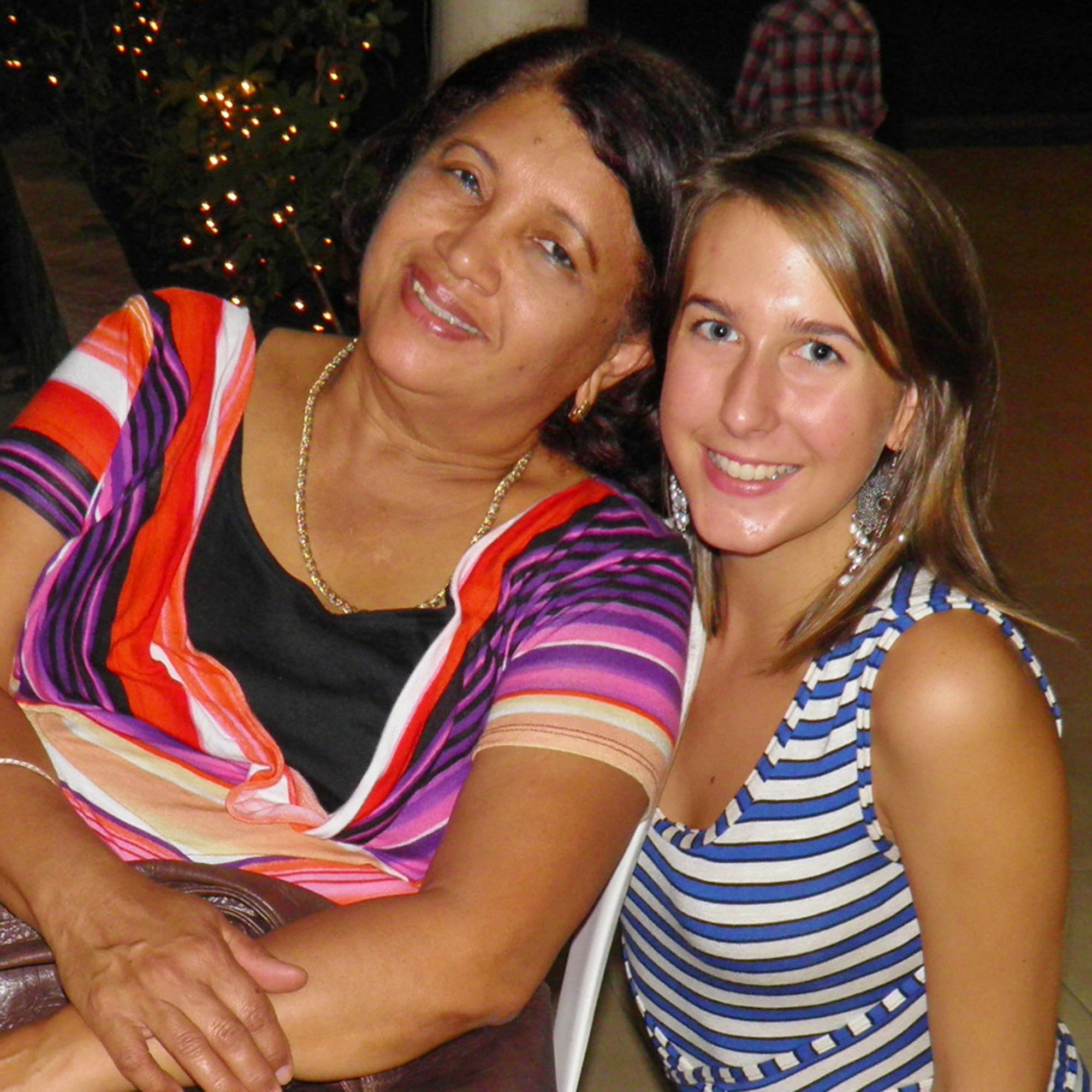
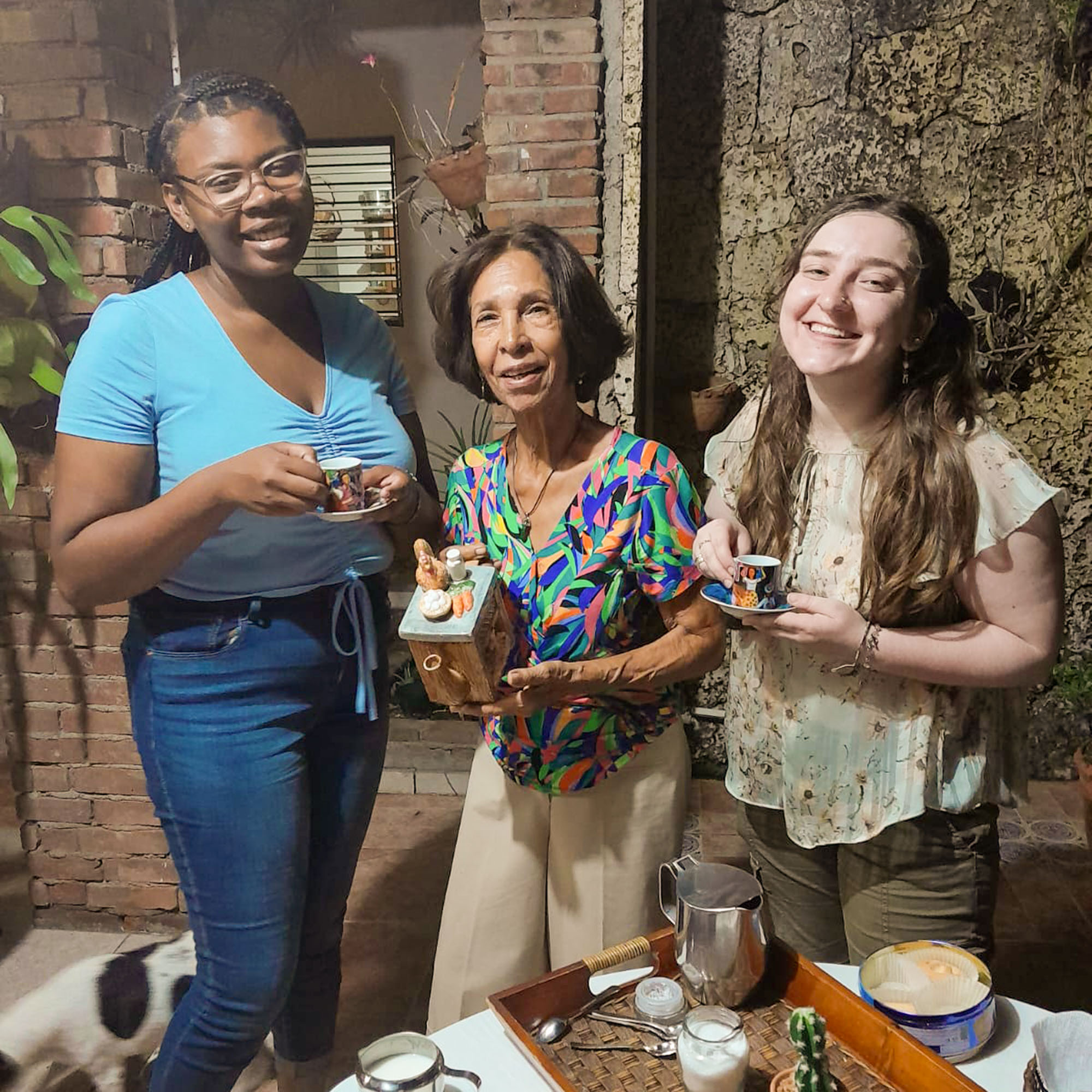
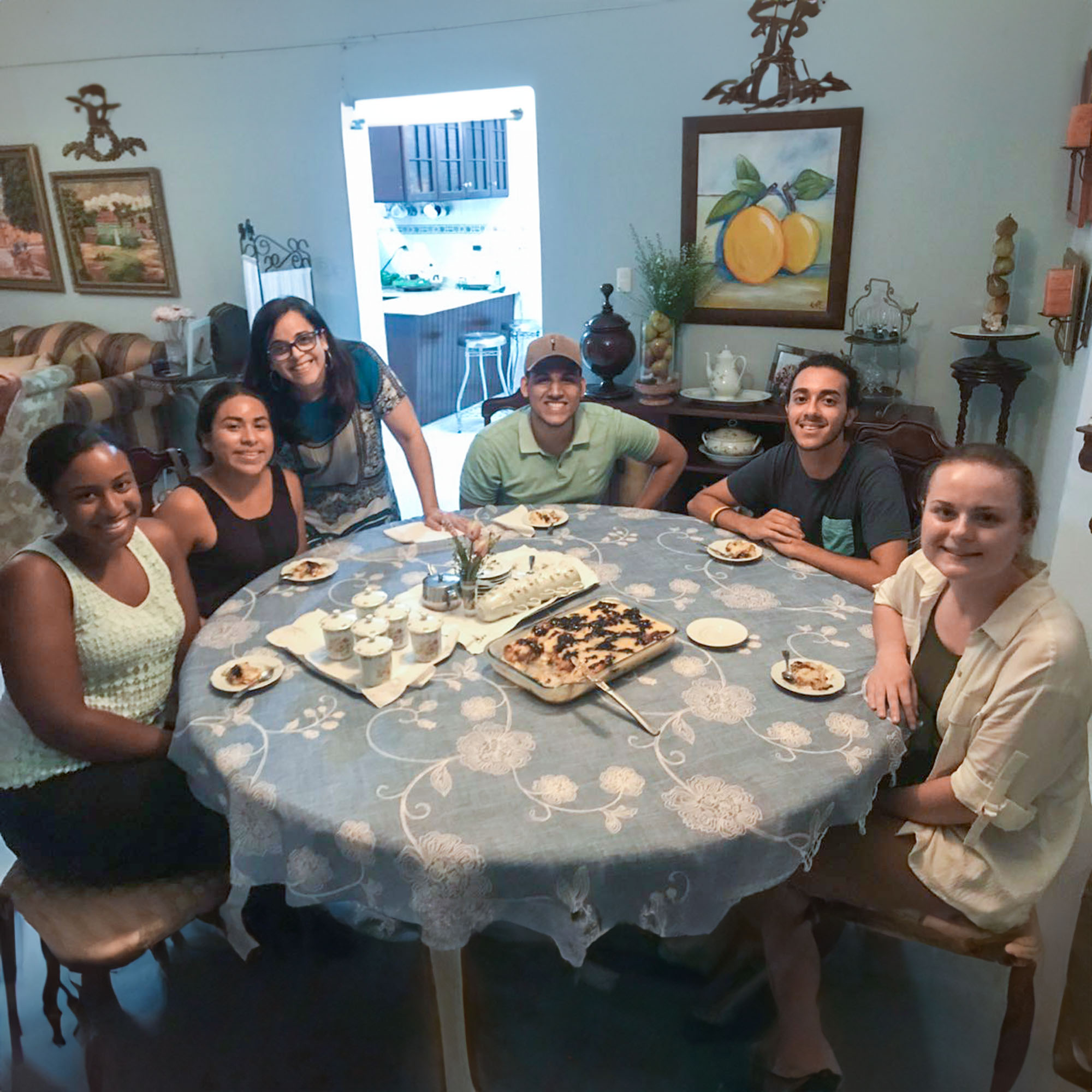
- Homestay: Includes single or double accommodation in a homestay. Homestays feature a kitchen, living room, and bathroom shared with a host family, along with weekly laundry service. Although some families may be able to communicate in English, most speak only Spanish. Some host families have been hosting for more than 25 years!
- Apartment: Includes double accommodation in an apartment. Apartments feature a kitchen, common areas, laundry facilities and bathroom shared with other students within a 20-minute commute to the CIEE study center and PUCMM campus
Select Housing: Includes single accommodation in a studio or apartment with A/C and a private kitchenette and bathroom, within a 20-minute commute to the CIEE study center and PUCMM campus. Select housing requires an additional fee.
A note: The default criterion to assign housing is first-come, first-served; however, other factors may also be considered. If we cannot accommodate your first housing choice, we'll let you know before you arrive. Non-standard housing options require an additional fee that can be found in the program Dates and Fees.
Meals
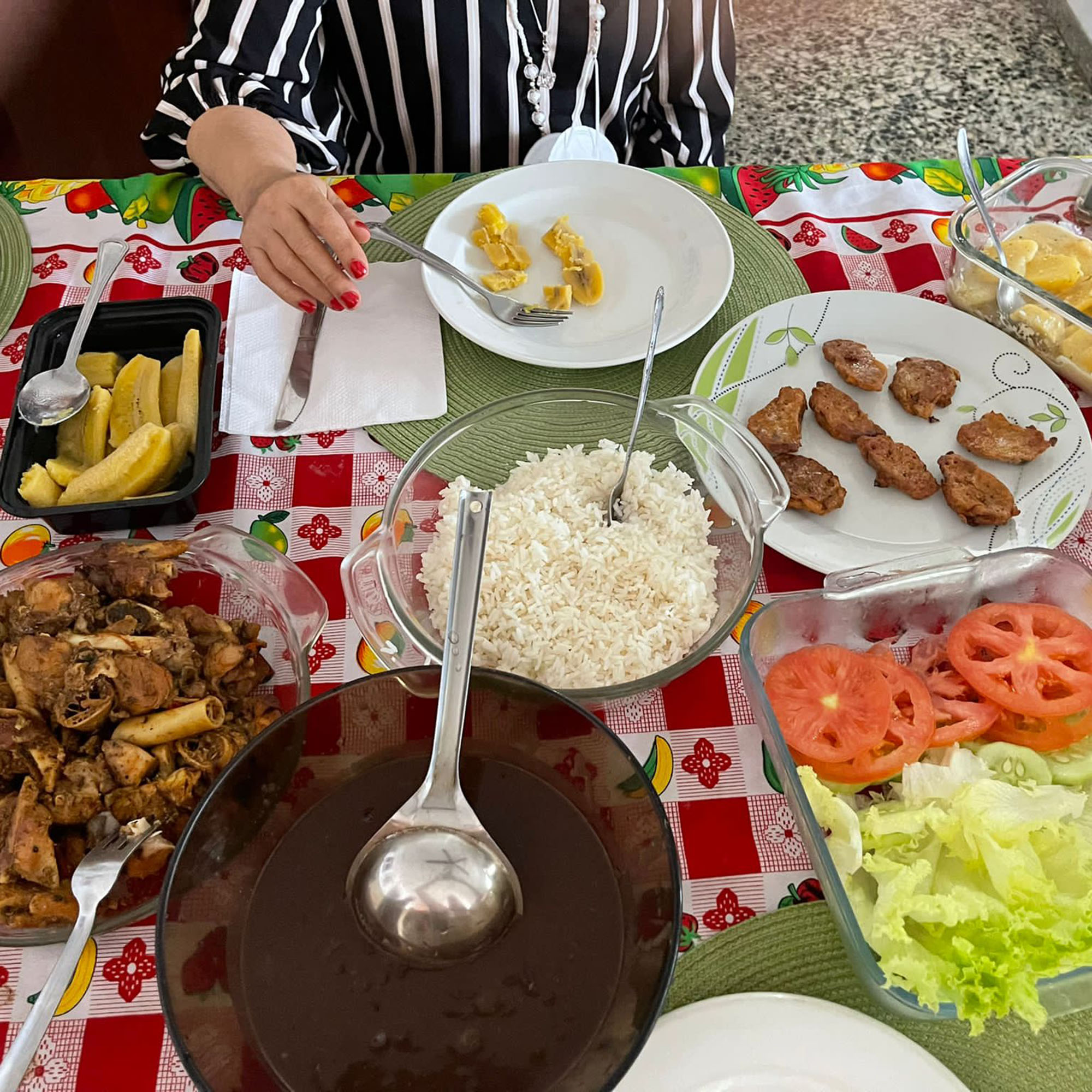
- Homestays: Include three meals per day Typical Dominican meals -such as rice, plantains, cassava, chicken, beans, fruits and cooked vegetables- should be expected.
- Apartments and Studios: Meals are not included. Estimated additional costs are noted in the “Fees & Housing” section.


Academics
CIEE Santiago DR: Study on the campus of Pontifica Universidad Católica Madre y Maestra (PUCMM), just a 15-minute drive from downtown Santiago DR, where you can access restaurants, banks, bookstores, cafés, and more. CIEE Santiago DR sits on PUCMM's campus and boasts a classroom space and a student lounge.
Pontificia Universidad Católica Madre y Maestra (PUCMM): PUCMM was founded in 1962 and is dedicated to serving the social and economic development of all Dominicans and has been ranked for about 60 years as the best academic institution of higher learning in the Dominican Republic. PUCMM is the number one university in the Dominican Republic according to the QS World Ranking 2024 and number 5 in the Caribbean, standing out for having the best citation per paper. It continues to be in first place in the Dominican Republic Webometrics Ranking from 2020 to 2024. Also, this institution is a leader in the offer of online master's degrees nationwide. Conveniently located just a 15-minute drive from downtown Santiago, PUCMM's nature-inspired campus offers academic degrees from four academic colleges – Social Sciences and Administration, Science and Humanities, Engineering Sciences, and Health Sciences.
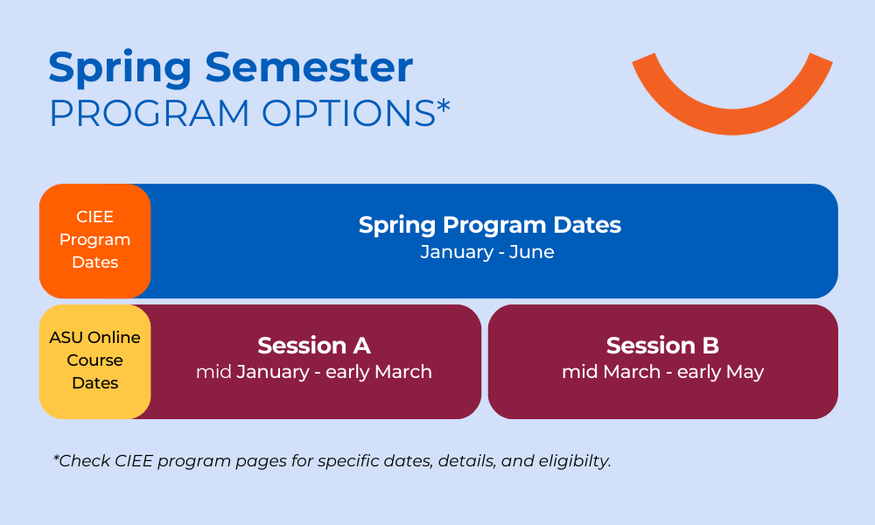
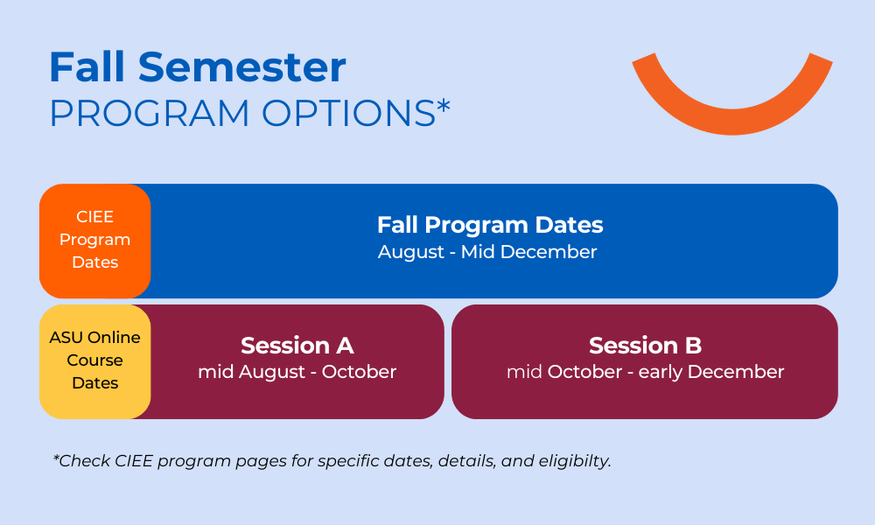
Arizona State University (ASU): Brought to you by CIEE in partnership with ASU, enhance your international coursework with online classes that align with your degree requirements. ASU offers thousands of online courses in asynchronous 7.5-week sessions that fit within the CIEE academic calendar.
Course Information
Academic Projects
Communication, Journalism, and Media
Academic Projects
Communication, Journalism, and Media
Academic Projects
Communication, Journalism, and Media
Pontificia Universidad Católica Madre y Maestra (PUCMM)
PUCMM Advanced Spanish Language Courses
- Advanced Spanish I (6 credits)
- Advanced Spanish II (4 credits)
- Advanced Spanish III (4 credits)
PUCMM Elective Courses: Department of Spanish for Foreigners
These classes are offered for foreigners by PUCMM staff, although up to five Dominican and/or international students per class may also enroll, space permitting. Courses are not always offered each semester and a minimum enrollment of six students is needed to run each class.
For Students at Advanced Spanish Level I, II, or III
Caribbean Short Stories
This course offers a panorama of Spanish Caribbean literature in Spanish from the colonial era through the present, with an emphasis on the 19th and 20th centuries. Course content is developed through lectures, readings, discussion, and analysis of representative works of each period from Cuba, Puerto Rico, and the Dominican Republic. (3 credits)
Introduction to Dominican Folklore
This class presents a complete and systematic panorama of the different aspects and branches of folklore, with rich Dominican examples so that students can understand easily and appreciate the cultural context into which they are immersed. Examples include verbal folklore (spoken, proverbs, poetry, legends, stories, songs); partially spoken (superstitions, magic, children’s games); nonverbal (gestures, costumes, food); and field work methodology. (3 credits)
Latin American Cinema and Society
As the “Civilization of the Imagination,” cinema is recognized as one of the most effective mediums for the diffusion of human ideas and for understanding the reality of the world’s peoples. Furthermore, it is an excellent vehicle to inform us about the social, political, and cultural reality, in both the past and the present, of the countries that produce films. This course serves to deepen students’ knowledge about this region of the world. Parallel to the concepts mentioned above, theoretical cinematographic concepts will be presented and a compendium of the history of this “seventh art form.” (3 credits)
Teacher Training Methodology Course and Directed Teaching
This course trains students in teaching English as a second language, giving an overview of recent theories of second-language acquisition and teaching methodologies, practical application, and theoretical principles through class presentations and student teaching. Credit is granted for the course in conjunction with teaching (but not for teaching alone). There is also a requirement for a final paper that combines knowledge learned in the classroom with experience gained in the directed teaching segment. (Please note that although each student who successfully completes this course receives a TESL certificate, the certificate does not fulfill U.S. or foreign requirements for teaching English as a second language. This course is taught in English and is offered on a for-credit basis only with home institution study abroad advisor approval. It requires 28 contact hours of theory and 56 of practicum). (4 credits)
For Students at Advanced Spanish Level II or III
Special Intermediate Conversation
This course is intensive (12 hours per week of class for four weeks) and seeks to develop Spanish communication, above all at the oral level, and to improve the students’ Spanish pronunciation, widen their vocabulary, and teach them some aspects of Dominican culture. In order to accomplish this, they will be taught some basic theoretical principles, will participate in a series of communicative activities, and will discuss a series of pre-selected thematic readings. In the classroom, they will take part in presentations, oral readings, and pronunciation, hearing, and comprehension exercises, among others. Students must already have a solid grasp of basic grammatical structures in Spanish. (3 credits)
Poverty and Development: Dominican Case Study
In this course, the concepts of poverty and development are studied through an analysis of national and international factors that deepen poverty and impede a country´s and/or a region´s progress and socio-economic development. Special emphasis is placed on the socio-cultural contexts of the Dominican Republic, the Caribbean, and Latin America. The focus is on neoliberal economic policies, statistics related to international financial organizations, strategies and alternatives for socio-economic and human development in Latin American and Caribbean societies, and external debt and its impact on the poorest countries in the region. (3 credits)
Community Service Practicum
Designed for students interested in development or social work, the course seeks to identify the causes of problems in the areas of education, health, and neighborhood-level social service, as well as give students an understanding of the Dominican reality. Complementing the academic coursework is a minimum of four hours of weekly volunteer work in a social service activity in Santiago. There is also a requirement for a final paper that combines knowledge learned in the classroom with experience gained in the volunteer practicum. At the end of the semester, students give a public presentation of their community service experience. It requires 28-theory and 56-practicum contact hours. (3 credits)
Culture and Society of the Hispanic Caribbean
This class examines the parallel and contrasting cultural characteristics of the Hispanic Caribbean through analysis of the different ways in which Cuba, Puerto Rico, and the Dominican Republic developed. Students study the history and society of each island, focusing on their intellectual movements, political thought, and artistic and literary movements. (3 credits)
Afro-Caribbean Cultures
This course looks at the diversity, uniqueness, and unity of the African experience across the Caribbean. The goal of the course is to help students understand the historical roots and social processes of Afro- Caribbean heritage in society, politics, the arts, and various other cultural aspects, including Afro-Caribbean religious beliefs and practices. (3 credits)
Contemporary Dominican Literature
Dominican literature of the 20th and 21st centuries is surveyed with an emphasis on developments since the advent of Modernism. Topics include the influence of race, geography, and politics; and the effects of 20th and 21st century “Dominican reality” on literary trends. Students gain an understanding of and appreciation for the imagination, esthetic literary values, and spiritual expressions of this country’s contemporary authors of short stories, poetry, and novels. (3 credits)
Contemporary Latin American Literature
This course provides a survey of modern Latin American literature from 20th century Modernism through the Latin American boom in post-Modernism. Students read and analyze some of Latin America’s most renowned authors of poetry, short stories, essays, and novels. (3 credits)
Dominican-Haitian Relations
This course examines the realities of the contemporary Republic of Haiti and the Dominican Republic, with a review of the historical and structural underpinnings that have influenced relations between the countries. The course addresses historical events that define Dominican-Haitian relations, beginning with the colonial period through the Trujillo Era and into the present. (3 credits)
Gender and Society of the Hispanic Caribbean
The situation of women in the Hispanic Caribbean is analyzed from a human development perspective using comparative analyses in the Dominican Republic, Puerto Rico, and Cuba. The course examines the variables of health, education, work, politics, and art, starting from the level of development of the individual Hispanic Caribbean countries. Student participation requires extensive field work in Santiago and other sites around the Dominican Republic. (3 credits)
History of the Caribbean
Caribbean history from the colonial period to the present is surveyed in this course, with an emphasis on the Spanish Caribbean. Topics include conquest and colonization, the rise of sugar, the Haitian revolution and the abolition of slavery, independence movements, economic imperialism in the 20th century, the Cuban revolution, and 21st-century globalization. (3 credits)
Latin American Culture and Society
In an exploratory and introductory manner, students examine the formation and evolution of the various Latin American cultures and societies in the Caribbean, Central America, and South America. The course focuses on the principal historic events and the socio-cultural forces and processes that have impacted their development, provided development potential, or blocked the development of Latin American societies. (3 credits)
Literature of Latin American and Caribbean Women
This course introduces students to literature written by Latin American and Caribbean women from the 19th and 20th centuries. Emphasis is on gender and women’s actual experiences throughout history in terms of their political, social, and cultural circumstances, as well as the discrimination that women have faced in the literary arena. (3 credits)
Panorama of Hispanic American
This course seeks to help students learn that literature is an evolutionary and dynamic art form that can help them understand the reality of life in a particular Hispanic country at a particular time in history. Students read about and analyze literary movements through the works of the most representative Hispanic American authors from the Conquest Era through present day. (3 credits)
Spanish Caribbean Literature
Literature of the Spanish-speaking Caribbean is examined from its origins to the present, with emphasis on authors and works of the 19th and 20th centuries. Literary movements such as indigenism and negritude are analyzed through the works of representative Dominican, Cuban, and Puerto Rican authors. (3 credits)
PUCMM Regular University Courses
Below is a sample offering of the regular PUCMM courses available to CIEE students at Advanced Spanish Level II or III. Not all courses are available every semester and some may require a prerequisite.
Dominican Economics and its Background
The fundamental characteristics of the Dominican economy and its environment and background are presented in this course. In particular, the course examines the country’s recent history and how this has impacted the principal sectors of its economy. Among the themes to be covered are macroeconomic indicators, sector analyses, political economics, and other themes that have affected the present state of the Dominican economy. (Macroeconomics prerequisite) (3 credits)
General Psychology
This is a general and scientific view of psychology as a science, and its evolution, methodology, and contemporary currents. The course focuses on the areas of learning, motivation, personality, and behavior. (3 credits)
History of Political and Social Ideas
This course examines the evolution of political and social ideas from the Ancient East through modern times with a focus on the principal historical events (markers) from which diverse concepts emerged and evolved. The aim of the courses is for students to gain an understanding of these events and their influences in the historical context. (3 credits)
Human Sexuality
This psychology course introduces human sexuality in an integrated format that encompasses all its multiple facets, both its normal and abnormal aspects, and the relationship between mental health and the exercise of sexuality as an integral element of the personality. Sexuality is seen from a physiological perspective, exploring its links to psychological processes. Throughout, the course takes a critical approach toward the role of psychology as a viable agent for resolving any conflicts in the area of human sexuality. (Biology prerequisite) (3 credits)
Introduction to the Hospitality Industry
This course is aimed at introducing students to the wide range of distinct businesses and organizations within the tourism sector. Students study the importance of developing both the worldwide and local tourism industries, which encompass hospitality and services that go far beyond providing simple accommodation, transportation, and recreation to tourists and business people. There is a focus on the structure of the hotel and restaurant industries as the most important and most developed components of the tourism industry. (3 credits)
Introduction to International Commerce
This course introduces students to the operation of the international market (both of products and capital), the stock market and how values are set and maintained, methods of international payment and customs operations, and international agreements, including with their legal aspects and effects upon the world economy. The final unit in the course examines the specific case of the Dominican Republic. (Macroeconomics prerequisite). (3 credits)
Introduction to Philosophy
Students are introduced to the principles of philosophy and logic and their relationship to religion, mythology, and the natural sciences. (3 credits)
Introduction to Sociology
This course covers the basic theoretical concepts of the science of sociology, focusing on topics that affect Dominican students’ lives, often without their awareness, such as social conduct and social inequalities caused by economic, racial, ethnic, and gender discrimination. (3 credits)
Photography I
This course examines photography as a means to capture reality and its relevance as communication. Emphasis is placed upon both documentary and artistic results, including visual composition, the communication of ideas, the documentation of events, and the use of individual creativity to express feelings through photographic works. Each student must have a good quality digital or 35mm camera. (3 credits, including laboratory work).
Rural and Urban Sociology
Students examine agrarian and urban systems and social organization in the Dominican Republic from a historical perspective. The main topics include rural family organization and habitat, the agrarian economy and social relations, migration, urbanization, and industrialization. (Introduction to Sociology prerequisite). (3 credits)
Christian Anthropology
This course attempts to explore all that it means to be human: including the origins of humankind; the greatness that is the human body and soul; humankind’s limitations, patterns of thought; and the capacity to relate to others in different societies, to relate to nature, and to relate to God. The aim is to instill in students a clear vision, through readings and discussions, of the role of Christianity in the rediscovery and re-evaluation of the dignity of the human being. (2 credits)
Introduction to the Bible
This course provides an in-depth introduction to the Bible and its wide variety of versions and modern languages. (2 credits)
Jesus, the Person
Students examine various documents (including the Old Testament and ancient maps) and study Jewish society and religion at the time of the birth of Jesus. The course aims to introduce students to the events of Jesus’ life and death, his legacy, and, most importantly, to Jesus as a person. (2 credits)
PUCMM One-Credit Courses Open to All CIEE Students
Arts
Artistic Drawing, Drama, Fundamentals of Fine Art, Guitar, Introduction to Singing, Modern Dance, Music Appreciation, Oratory, Painting, Photography, Sculpture, Silk-Screening, Theater Performance and design.
Dominican Dance and Folklore
Dominican folklore is introduced through regional dances and musical instruments. Students learn to dance traditional merengue, bachata, and salsa (may be taken with other international students or with Dominicans).
Physical Education
Baseball, Basketball, Judo, Karate, Rhythmic Gymnastics, Soccer, Swimming, Table Tennis, Tennis, Track, Volleyball.
CIEE proudly partners with ASU to deliver asynchronous, 100% online coursework that aligns with your degree requirements from anywhere you study abroad.
CIEE and ASU offer courses online per program eligibility, at no additional charge. Be sure to review online courses with your home school advisor.
Check the CIEE Program Dates and ASU start dates below to maximize course options within your program!
Search ASU Online Courses BROWSE FAQs for more INFO
Note: This course listing is for informational purposes only and does not constitute a contract between CIEE and any applicant, student, institution, or other party. The courses, as described, may be subject to change as a result of ongoing curricular revisions, assignment of lecturers and teaching staff, and program development. Courses may be canceled due to insufficient enrollment.
"(GI)" denotes courses that originated at CIEE's Global Institutes and that are offered at multiple CIEE sites.
Scholarships & Grants
CIEE offers scholarships and grants annually to help students like you make your study abroad dream a reality.
Students who apply to this program are eligible for the following scholarships and grants:
- Wollitzer Merit Scholarships in Area or Comparative Studies
- Ping Scholarships for Academic Excellence
- Global Access Initiative (GAIN) Travel Grants
- Stohl International Undergraduate Research Scholarships
- CIEE Gilman Go Global Grant
- Global Access Initiative (GAIN) Scholars Grants
To be considered, submit the CIEE Scholarships & Grants application within your CIEE program application.
Dates & Fees
You get more for every dollar when you study abroad with CIEE, because our high-quality programs include everything from excursions to insurance. There are no hidden charges, and no disappointing surprises when you arrive.
Program |
Application Due |
Start Date |
End Date |
Fees & Housing |
|---|---|---|---|---|
| Program Spring 2027 15 weeks | Start Date | End Date | Fees & Housing $14,450 | |
| Program Fall 2027 16 weeks | Start Date * | End Date * | Fees & Housing $14,450 | |
| Program Academic year 2027-2028 33 weeks | Start Date * | End Date * | ||
| Program Spring 2028 14 weeks | Start Date * | End Date * | ||
| Program Fall 2026 16 weeks | Application Due Deadline Passed | Start Date | End Date | Fees & Housing $13,950 |
| Program Academic year 2026-2027 34 weeks | Application Due Deadline Passed | Start Date | End Date | Fees & Housing $27,675 |
*Dates for this program are provided as tentative dates. Please consult with your study abroad advisor to confirm dates before purchasing your flights.
To help you budget, keep in mind that students are responsible for the cost of international airfare, local transportation, books and supplies, visas, and personal expenses. In addition, your college or university may charge additional fees for study abroad, or may require you to receive a transcript via CIEE's School of Record, which carries an additional fee of $500.
Program Fees
CIEE offers the most student support of any provider in its program fee, including an airport greeting, full-time leadership and support, orientation, cultural activities, local excursions, pre-departure advising, and CIEE iNext travel protection with benefits.
| Participation Confirmation | $500 * |
| Educational Costs | $9,656 ** |
| Housing | $4,100 *** |
| Insurance | $194 |
| Total Fees | $14,450 |
Optional Housing
CIEE accommodation options are detailed in the Housing section. Based on availability, Select or Select Plus Housing can be chosen during the application process for an additional fee. Housing is assigned on a first-come, first-served basis; however, other factors may also be considered.
| Select Housing Fee | $700 |
Financial Aid
CIEE offers the most grants and scholarships of any study abroad organization, including $8 million/year in travel grants, merit-based scholarships, institutional grants, and Gilman Go Global Grants.
Estimated Costs
Students are responsible and manage costs related to travel, meals, books, and personal expenses. Below are estimates for consideration.
| Meals not included in program fee | $263 † |
| International Airfare | $600 †† |
| Local Transportation | $48 ††† |
| Books & Supplies | $25 †††† |
| Visa Fees | $75 ††††† |
| Personal expenses | $1,027 †††††† |
| Total Costs | $2,038 |
*non-refundable fee
**Direct cost of education charged uniformly to all students
***Housing fees listed are for financial aid purposes only and should not be considered a basis for calculation of refunds.
†For students in homestays, families provide all meals (breakfast, lunch and dinner). The listed estimated cost is optional for dining out once per week. Budget more money if you plan on eating out regularly. For students in apartments, you should budget approx. $301 per month for groceries if you plan on making your own meals, and more if you plan on eating out regularly.
††Average round-trip based on U.S. East Coast departure (Newark-STI)
†††Airport transfer a the end of the program. Participants stay within walking distance from Host University and CIEE Center. Costs to move around the city independently are not being considered. Students usually use Uber transportation to do so (each trip is 1.50/2.00 USD)
††††Participants usually do not buy the books as they are available in the library or online, and supplies are minimal.
†††††Paid upon departure at the airport
††††††Personal expenses may include but are not limited to the following: taxis, social activities and entertainment, toiletries, cell phone. Does not include personal travel.
Program Fees
CIEE offers the most student support of any provider in its program fee, including an airport greeting, full-time leadership and support, orientation, cultural activities, local excursions, pre-departure advising, and CIEE iNext travel protection with benefits.
| Participation Confirmation | $500 * |
| Educational Costs | $9,656 ** |
| Housing | $4,100 *** |
| Insurance | $194 |
| Total Fees | $14,450 |
Financial Aid
CIEE offers the most grants and scholarships of any study abroad organization, including $8 million/year in travel grants, merit-based scholarships, institutional grants, and Gilman Go Global Grants.
Estimated Costs
Students are responsible and manage costs related to travel, meals, books, and personal expenses. Below are estimates for consideration.
| Meals not included in program fee | $281 † |
| International Airfare | $600 †† |
| Local Transportation | $48 ††† |
| Books & Supplies | $25 †††† |
| Visa Fees | $75 ††††† |
| Personal expenses | $1,037 †††††† |
| Total Costs | $2,066 |
*non-refundable fee
**Direct cost of education charged uniformly to all students
***Housing fees listed are for financial aid purposes only and should not be considered a basis for calculation of refunds.
†For students in homestays, families provide all meals (breakfast, lunch and dinner). The listed estimated cost is optional for dining out once per week ($281). Budget more money if you plan on eating out regularly. For students in apartments, you should budget approx. $301 per month for groceries if you plan on making your own meals, and more if you plan on eating out regularly.
††Average round-trip based on U.S. East Coast departure (Newark-STI)
†††Airport transfer a the end of the program. Participants stay within walking distance from Host University and CIEE Center. Costs to move around the city independently are not being considered. Students usually use Uber transportation to do so (each trip is 3.00/3.50 USD)
††††Participants usually do not buy the books as they are available in the library or online, and supplies are minimal.
†††††Paid upon departure at the airport
††††††Personal expenses may include but are not limited to the following: taxis, social activities and entertainment, toiletries, cell phone. Emergency Fund is included. Does not include personal travel.
Program Fees
CIEE offers the most student support of any provider in its program fee, including an airport greeting, full-time leadership and support, orientation, cultural activities, local excursions, pre-departure advising, and CIEE iNext travel protection with benefits.
Financial Aid
CIEE offers the most grants and scholarships of any study abroad organization, including $8 million/year in travel grants, merit-based scholarships, institutional grants, and Gilman Go Global Grants.
Estimated Costs
Students are responsible and manage costs related to travel, meals, books, and personal expenses. Below are estimates for consideration.
Program Fees
CIEE offers the most student support of any provider in its program fee, including an airport greeting, full-time leadership and support, orientation, cultural activities, local excursions, pre-departure advising, and CIEE iNext travel protection with benefits.
Financial Aid
CIEE offers the most grants and scholarships of any study abroad organization, including $8 million/year in travel grants, merit-based scholarships, institutional grants, and Gilman Go Global Grants.
Estimated Costs
Students are responsible and manage costs related to travel, meals, books, and personal expenses. Below are estimates for consideration.
Program Fees
CIEE offers the most student support of any provider in its program fee, including an airport greeting, full-time leadership and support, orientation, cultural activities, local excursions, pre-departure advising, and CIEE iNext travel protection with benefits.
| Participation Confirmation | $300 * |
| Educational Costs | $10,456 ** |
| Housing | $3,000 *** |
| Insurance | $194 |
| Total Fees | $13,950 |
Optional Housing
CIEE accommodation options are detailed in the Housing section. Based on availability, Select or Select Plus Housing can be chosen during the application process for an additional fee. Housing is assigned on a first-come, first-served basis; however, other factors may also be considered.
| Select Housing Fee | $800 |
Financial Aid
CIEE offers the most grants and scholarships of any study abroad organization, including $8 million/year in travel grants, merit-based scholarships, institutional grants, and Gilman Go Global Grants.
Estimated Costs
Students are responsible and manage costs related to travel, meals, books, and personal expenses. Below are estimates for consideration.
| Meals not included in program fee | $0 † |
| International Airfare | $600 †† |
| Local Transportation | $48 ††† |
| Books & Supplies | $25 †††† |
| Visa Fees | $75 ††††† |
| Personal expenses | $240 †††††† |
| Total Costs | $988 |
*non-refundable fee
**Direct cost of education charged uniformly to all students
***Housing fees listed are for financial aid purposes only and should not be considered a basis for calculation of refunds.
†For students in homestays, families provide all meals (breakfast, lunch and dinner). For students in apartments, you should budget approx. $300 per month for groceries if you plan on making your own meals, and more if you plan on eating out regularly.
††Average round-trip based on U.S. East Coast departure (Newark-STI)
†††Airport transfer a the end of the program. Participants stay within walking distance from Host University and CIEE Center. Costs to move around the city independently are not being considered. Students usually use Uber transportation to do so (each trip is 1.50/2.00 USD)
††††Participants usually do not buy the books as they are available in the library or online, and supplies are minimal.
†††††Paid upon departure at the airport
††††††$100 emergency fund + cell phone expense + toiletries
Program Fees
CIEE offers the most student support of any provider in its program fee, including an airport greeting, full-time leadership and support, orientation, cultural activities, local excursions, pre-departure advising, and CIEE iNext travel protection with benefits.
| Participation Confirmation | $300 * |
| Educational Costs | $20,081 ** |
| Housing | $7,100 *** |
| Insurance | $194 |
| Total Fees | $27,675 |
Optional Housing
CIEE accommodation options are detailed in the Housing section. Based on availability, Select or Select Plus Housing can be chosen during the application process for an additional fee. Housing is assigned on a first-come, first-served basis; however, other factors may also be considered.
| Select Housing Fee | $800 |
Financial Aid
CIEE offers the most grants and scholarships of any study abroad organization, including $8 million/year in travel grants, merit-based scholarships, institutional grants, and Gilman Go Global Grants.
Estimated Costs
Students are responsible and manage costs related to travel, meals, books, and personal expenses. Below are estimates for consideration.
| Meals not included in program fee | $0 † |
| International Airfare | $600 †† |
| Local Transportation | $48 ††† |
| Books & Supplies | $25 †††† |
| Visa Fees | $75 ††††† |
| Personal expenses | $240 †††††† |
| Total Costs | $988 |
*non-refundable fee
**Direct cost of education charged uniformly to all students
***Housing fees listed are for financial aid purposes only and should not be considered a basis for calculation of refunds.
†For students in homestays, families provide all meals (breakfast, lunch and dinner). For students in apartments, you should budget approx. $300 per month for groceries if you plan on making your own meals, and more if you plan on eating out regularly.
††Average round-trip based on U.S. East Coast departure (Newark-STI)
†††Airport transfer a the end of the program. Participants stay within walking distance from Host University and CIEE Center. Costs to move around the city independently are not being considered. Students usually use Uber transportation to do so (each trip is 1.50/2.00 USD)
††††Participants usually do not buy the books as they are available in the library or online, and supplies are minimal.
†††††Paid upon departure at the airport
††††††$100 emergency fund + cell phone expense + toiletries
What's Included
Tuition
Housing
Pre-departure Advising
Advising before you depart to set goals and answer questions
Optional on-site airport meet-and-greet
Orientation
Introduction to your program plus practical information about living in your host city
On-site Staff
Full-time program leadership and support in your city
Cultural and/or Co-curricular Activities
Excursions and/or Study Tours
Travel Protection
CIEE iNext travel protection
24/7 emergency on-site support
Meals
Our Staff

Lucía Agüero
Center Director
Lucía deeply committed to fostering global understanding by connecting cultures and narratives. She holds a bachelor’s degree in Latin American literature and a master's degree in creative writing from her home country of Argentina.

Dr. William Rey
Program Coordinator
Will graduated from the medical school at PUCMM and has gained extensive experience working within the Public Health system, collaborating with both urban and rural communities to improve healthcare access and outcomes.

Randolp Valenzuela
HSSA & College Program Coordinator
Randolp Valenzuela has a degree in electrical technics and has taken numerous courses in business administration and media communication. He has more than a decade of experience coordinating youth camps...
Get Started
1
2
Connect With Your Campus Study Abroad Office
Share your plans and confirm you're on track to meet all required steps to go abroad.
3
Contact Us
Send us an email if you still have questions or need information about applying to this program.
You might also like

- Santiago de los Caballeros, Dominican Republic
- Study Program

- Santiago de los Caballeros, Dominican Republic
- Study Program

- Santiago de los Caballeros, Dominican Republic
- Study Program