
Summer Tropical Ecology + Conservation
Unique Experiences
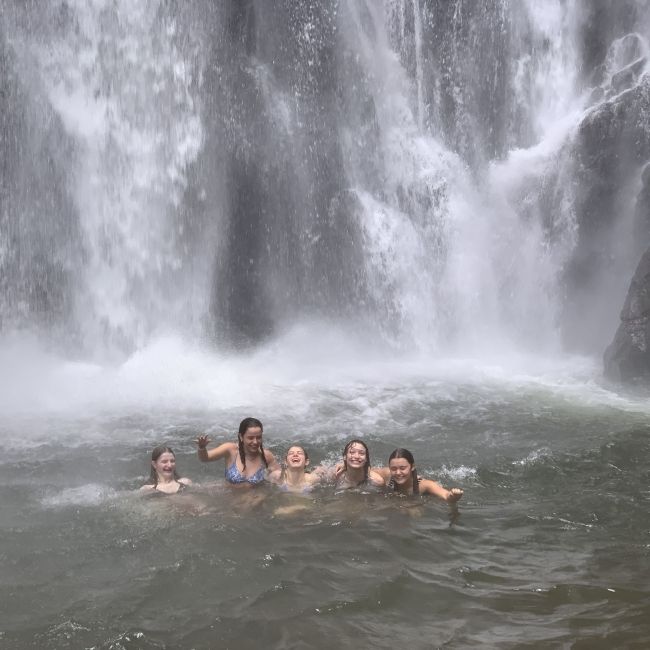
Explore beyond Monteverde
when you visit Costa Rica’s other fascinating natural habitats
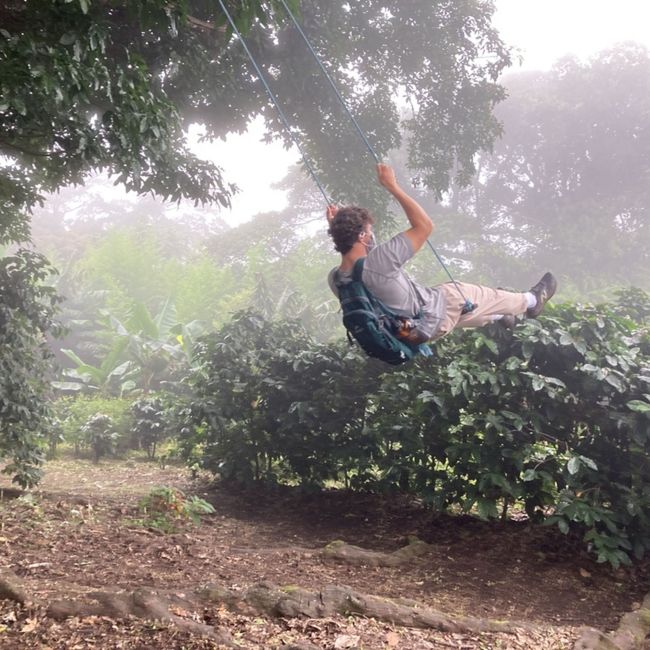
Put new skills into practice
as you complete an independent research project that gives you an in-depth look at local flora or fauna
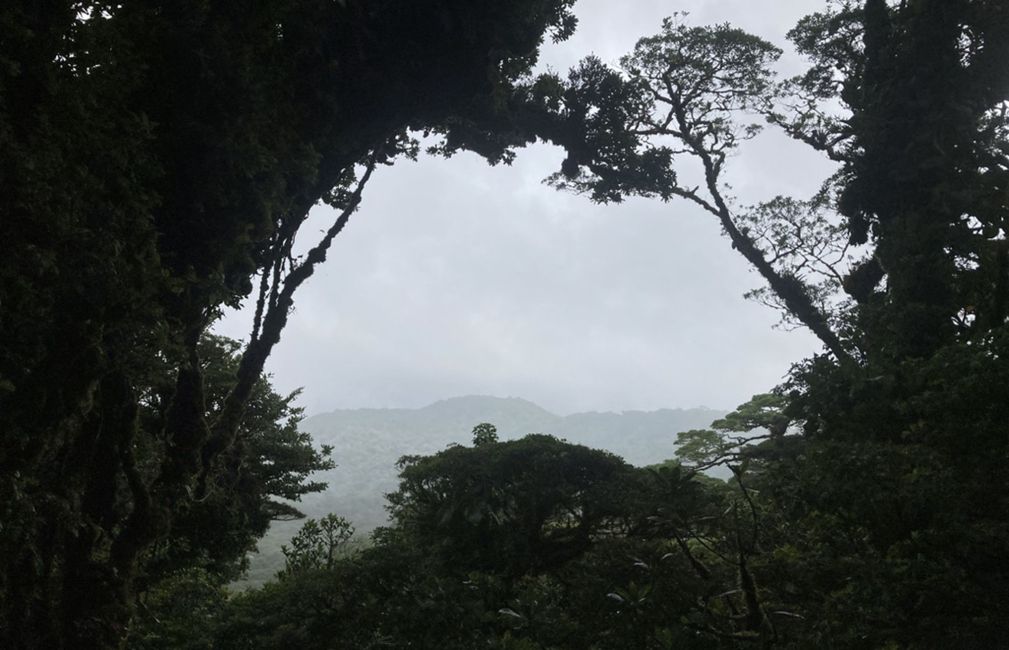
Visit the Cloud Forest
where mosses and orchids dripping with mist decorate the boughs of gnarly trees

Your Destination
Monteverde is Costa Rica’s renowned ecological haven, celebrated for its rich biodiversity, pioneering conservation efforts, and commitment to sustainability. The town seamlessly integrates scientific research with eco-tourism, featuring iconic landmarks like the Monteverde Cloud Forest Reserve, the Butterfly Gardens, and the stunning hanging bridges. With a tropical highland climate, diverse ecosystems, and a strong emphasis on reforestation and renewable energy, Monteverde is the perfect place to study abroad.

Program Highlights
- Academic Courses: Enroll in CIEE courses related to tropical ecology and conservation in the heart of the rainforest.
- Academic Projects: Enroll in a for-credit independent research project that brings your classroom studies to life.
- Immersive Experiences: Participate in activities, excursions, study tours, and more that showcase your host city's culture, values, and local art, film, music, cuisine, and sports scenes.
- Community Impact Initiative: Get involved with local organizations through service opportunities that address real community needs while building cross-cultural connections and hands-on experience.
- Experiential Ecological Exploration: Multi-day educational excursions across diverse ecosystems, offering firsthand insight into Costa Rica’s rich environmental landscapes.

Excursions & Activities
CIEE’s excursions and cultural activities in Monteverde will open doors for you to explore Costa Rica's rich diversity, language, culture, history, and timeless beauty in ways that will enhance your time abroad.
Samples of excursions and activities:
- Immerse yourself in overnight experiences in the lush, tropical lowland rainforest of Costa Rica’s Caribbean region
- Spend a few days at natural destinations and biological reserves around the country to experience Costa Rica’s biodiversity and natural beauty
- Rise with the sun for birding tours or farm chores and experiencing biodiversity after the sun goes down with a guided night hike
Please note: Activities are based on past programs and subject to change at CIEE's discretion to adapt to local circumstances and participant feedback. Our goal when arranging activities is always to enhance your experience.
Program Blogs

How Long is Study Abroad? Semester, Summer, J-term, and More!
Study abroad programs come in all shapes and sizes, from a few weeks to an entire academic year, giving you the flexibility to choose what works best for your goals... keep reading
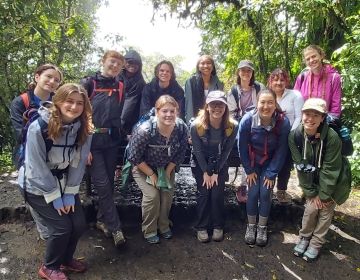
Happy Earth Day: Today and Every Day
Happy Earth Day! Every April 22, this global event comes around to remind us how precious our planet is, what sustainable efforts we can make to protect Earth, and that... keep reading

6 Reasons to Study Abroad in Costa Rica
Costa Rica is one of those places that lives up to the hype – and then some. Between learning Spanish in real-life settings, studying surrounded by rainforests and beaches, and... keep reading
Housing & Meals
Housing
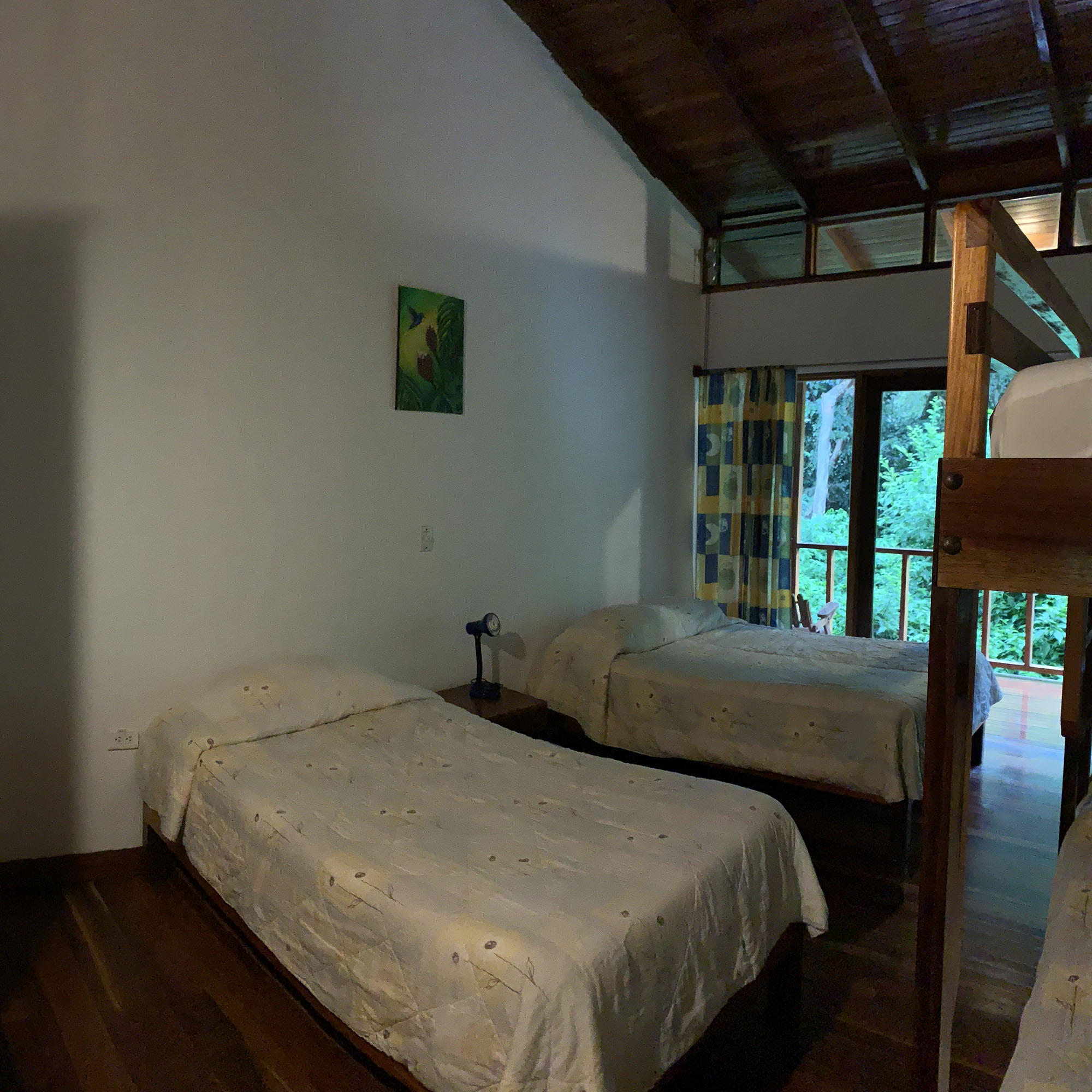
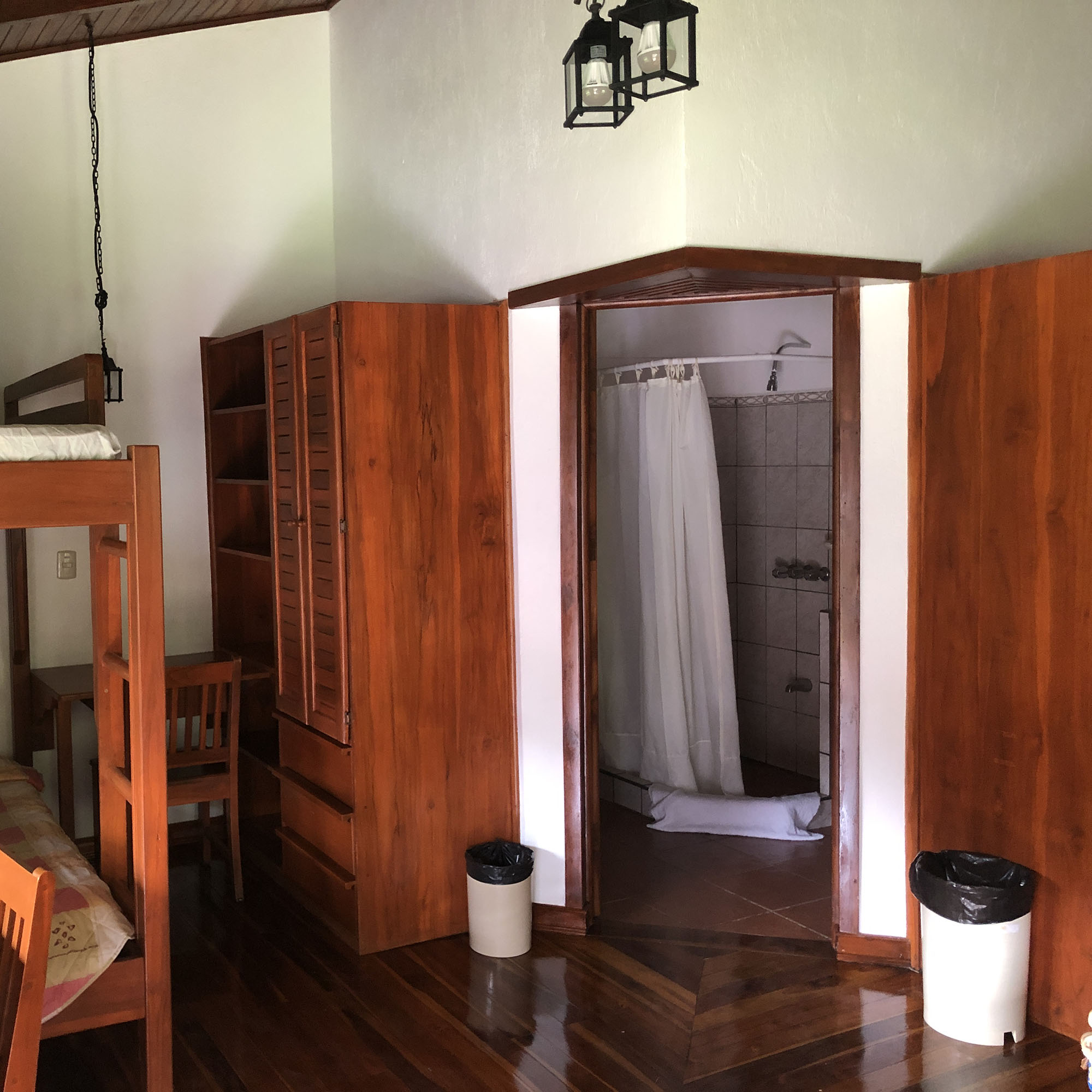
CIEE Monteverde students live in on-campus residence halls surrounded by the cloud forest in triple or quad rooms shared with other CIEE students. Rooms have shared or ensuite bathrooms, shared desks, and shared closets.
Standard Housing: Shared room with bunkbeds (occupancy: three to four students) on campus located under 15 minutes from the main campus area, where the dining hall and classrooms are located.
A note: The default criterion to assign housing is first-come, first-served; however, other factors may also be considered. If we cannot accommodate your first housing choice, we'll let you know before you arrive. Non-standard housing options require an additional fee that can be found in the program Dates and Fees.
Meals
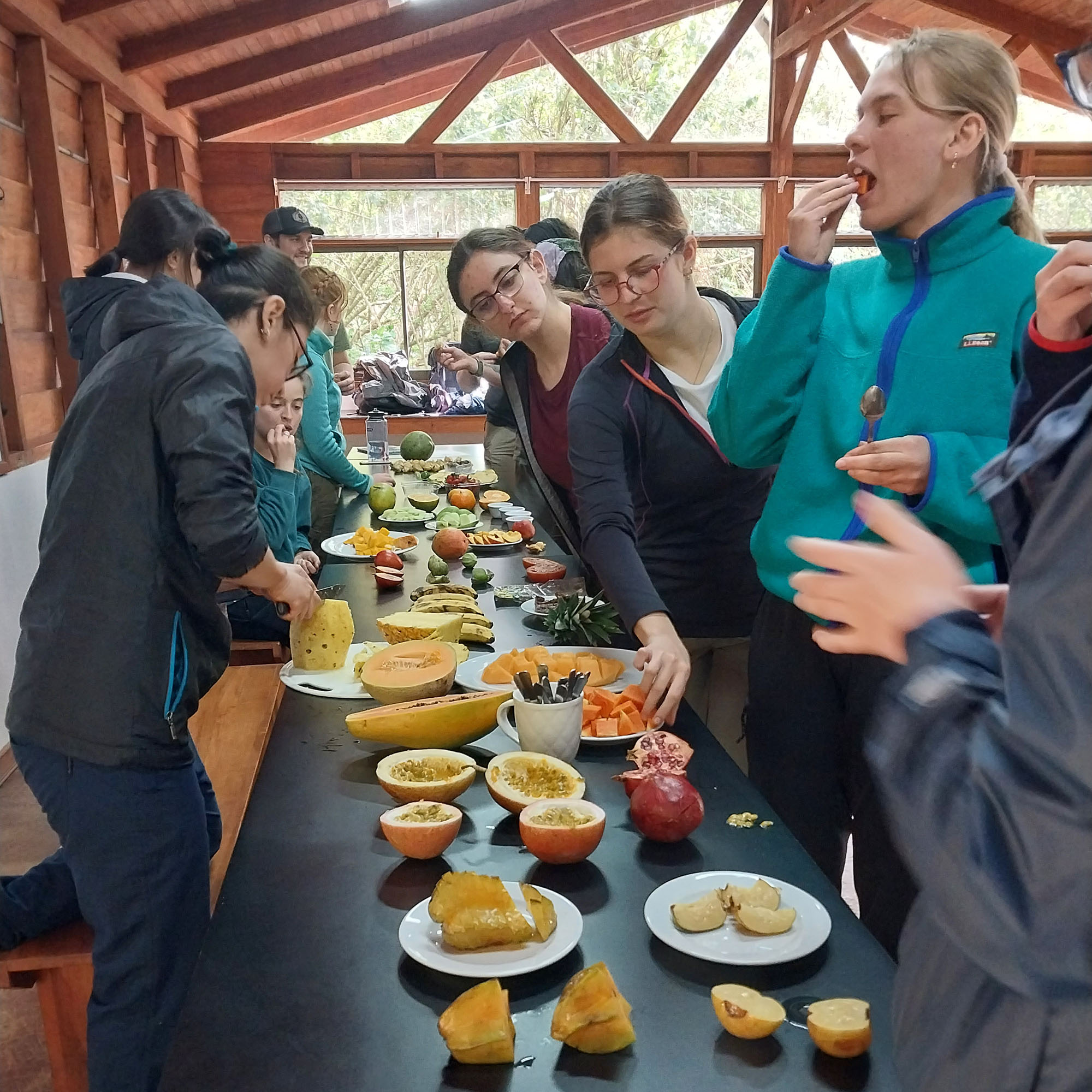
All students receive three meals per day. Accommodation for vegan and vegetarian diets is possible.
Academics
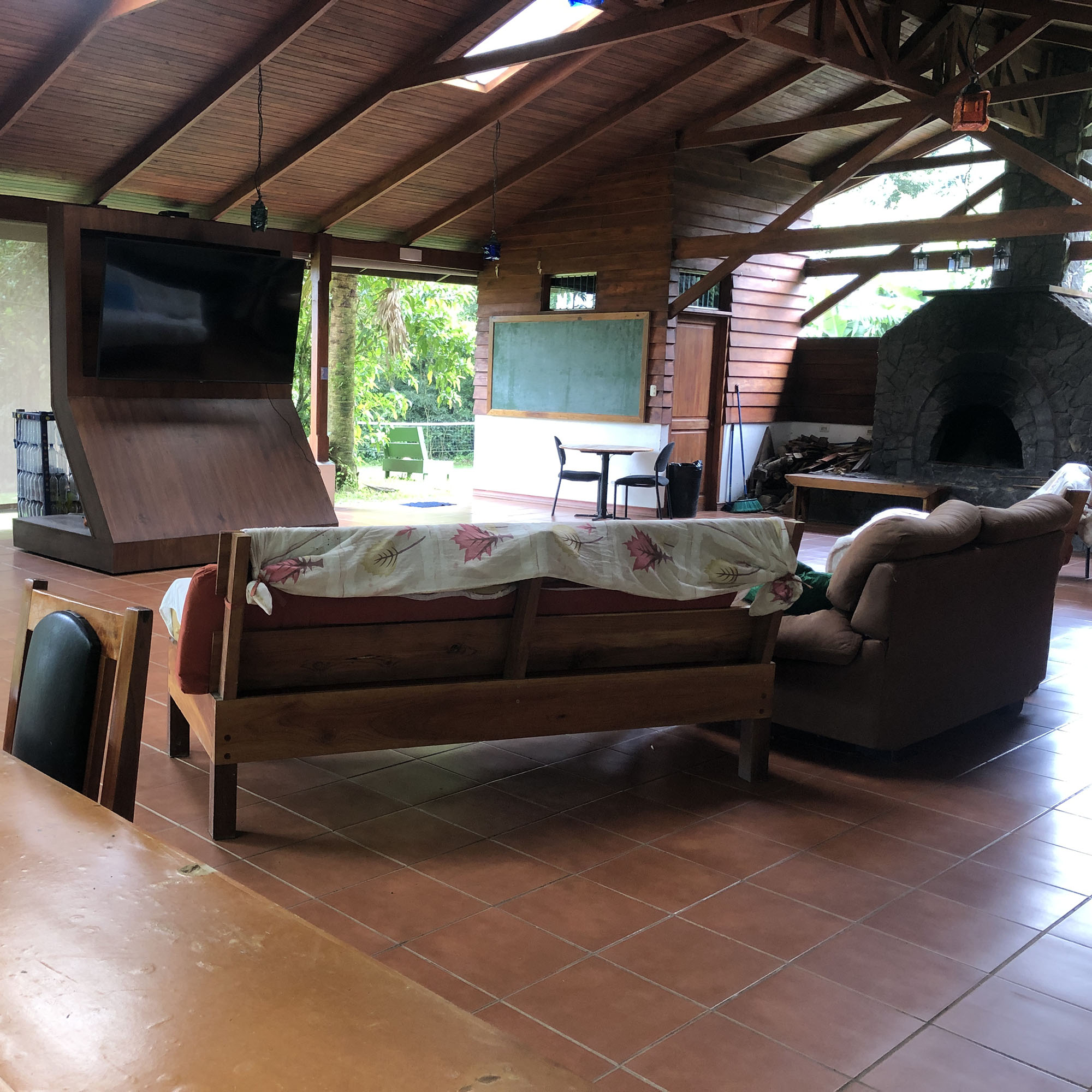
CIEE Monteverde: Study in the beautiful town of San Luis in Costa Rica’s Puntarenas Province, surrounded by lush forests and beautiful coffee farms. CIEE Monteverde is fully equipped with three classrooms, a student lounge, a library, a student life office, and an academic advising office.
Course Information
Summer 2027
Note: This course listing is for informational purposes only and does not constitute a contract between CIEE and any applicant, student, institution, or other party. The courses, as described, may be subject to change as a result of ongoing curricular revisions, assignment of lecturers and teaching staff, and program development. Courses may be canceled due to insufficient enrollment.
"(GI)" denotes courses that originated at CIEE's Global Institutes and that are offered at multiple CIEE sites.
Scholarships & Grants
CIEE offers scholarships and grants annually to help students like you make your study abroad dream a reality.
Students who apply to this program are eligible for the following scholarships and grants:
- Wollitzer Merit Scholarships in Area or Comparative Studies
- Ping Scholarships for Academic Excellence
- Ritzmann Tropical and Marine Ecology Scholarships
- Global Access Initiative (GAIN) Travel Grants
- Stohl International Undergraduate Research Scholarships
- CIEE Gilman Go Global Grant
- CIEE STEM Scholarship
To be considered, submit the CIEE Scholarships & Grants application within your CIEE program application.
Dates & Fees
You get more for every dollar when you study abroad with CIEE, because our high-quality programs include everything from excursions to insurance. There are no hidden charges, and no disappointing surprises when you arrive.
*Dates for this program are provided as tentative dates. Please consult with your study abroad advisor to confirm dates before purchasing your flights.
To help you budget, keep in mind that students are responsible for the cost of international airfare, local transportation, books and supplies, visas, and personal expenses. In addition, your college or university may charge additional fees for study abroad, or may require you to receive a transcript via CIEE's School of Record, which carries an additional fee of $500.
Program Fees
CIEE offers the most student support of any provider in its program fee, including an airport greeting, full-time leadership and support, orientation, cultural activities, local excursions, pre-departure advising, and CIEE iNext travel protection with benefits.
| Participation Confirmation | $500 * |
| Educational Costs | $5,850 ** |
| Housing | $2,400 *** |
| Insurance | $200 |
| Total Fees | $8,950 |
Financial Aid
CIEE offers the most grants and scholarships of any study abroad organization, including $8 million/year in travel grants, merit-based scholarships, institutional grants, and Gilman Go Global Grants.
Estimated Costs
Students are responsible and manage costs related to travel, meals, books, and personal expenses. Below are estimates for consideration.
| International Airfare | $650 † |
| Local Transportation | $100 |
| Personal expenses | $974 †† |
| Total Costs | $1,724 |
*non-refundable
**direct cost of education charged uniformly to all students
***Includes three meals a day. Housing fees listed are for financial aid purposes only and should not be considered a basis for calculation of refunds.
†Round-trip flight based on U.S. East Coast departure, dependent on carrier.
††Personal expenses may include but are not limited to the following: taxis, social activities and entertainment, toiletries, cell phone. Does not include personal travel.
Program Fees
CIEE offers the most student support of any provider in its program fee, including an airport greeting, full-time leadership and support, orientation, cultural activities, local excursions, pre-departure advising, and CIEE iNext travel protection with benefits.
| Participation Confirmation | $300 * |
| Educational Costs | $6,350 ** |
| Housing | $2,400 *** |
| Insurance | $200 |
| Total Fees | $9,250 |
Financial Aid
CIEE offers the most grants and scholarships of any study abroad organization, including $8 million/year in travel grants, merit-based scholarships, institutional grants, and Gilman Go Global Grants.
Estimated Costs
Students are responsible and manage costs related to travel, meals, books, and personal expenses. Below are estimates for consideration.
| International Airfare | $650 |
| Local Transportation | $100 |
| Personal expenses | $175 † |
| Total Costs | $925 |
*non-refundable
**direct cost of education charged uniformly to all students
***Includes three meals a day. Housing fees listed are for financial aid purposes only and should not be considered a basis for calculation of refunds.
†$100 emergency fund + cell phone expense + toiletries
What's Included
Tuition
Housing
Pre-departure Advising
Advising before you depart to set goals and answer questions
Optional on-site airport meet-and-greet
Orientation
Introduction to your program plus practical information about living in your host city
On-site Staff
Full-time program leadership and support in your city
Cultural and/or Co-curricular Activities
Excursions and/or Study Tours
Travel Protection
CIEE iNext travel protection
24/7 emergency on-site support
Meals
Our Staff

Pablo Allen
Center Director

Jessica Arias
Academic Director
Jessica has a Ph.D. on Agricultural Science from the University of Costa Rica. She earned a bachelor’s degree in Ecotourism and a master's degree in Sustainable Development, with a concentration in...

Jose Carlos Calderon
Student Life Manager
"Moncho" earned his bachelor's degree in Biology at the University of Costa Rica with a specialization in bats. He has worked for CIEE Monteverde for more than 10 years as...
Get Started
1
2
Connect With Your Campus Study Abroad Office
Share your plans and confirm you're on track to meet all required steps to go abroad.
3
Contact Us
Send us an email if you still have questions or need information about applying to this program.
You might also like

- Monteverde, Costa Rica
- Study Program
- Part-Time Internship
...for 1, 2, or 3 term blocks!

- Monteverde, Costa Rica
- Study Program

- Monteverde, Costa Rica
- Study Program
- Part-Time Internship