
Accelerated Chinese Language
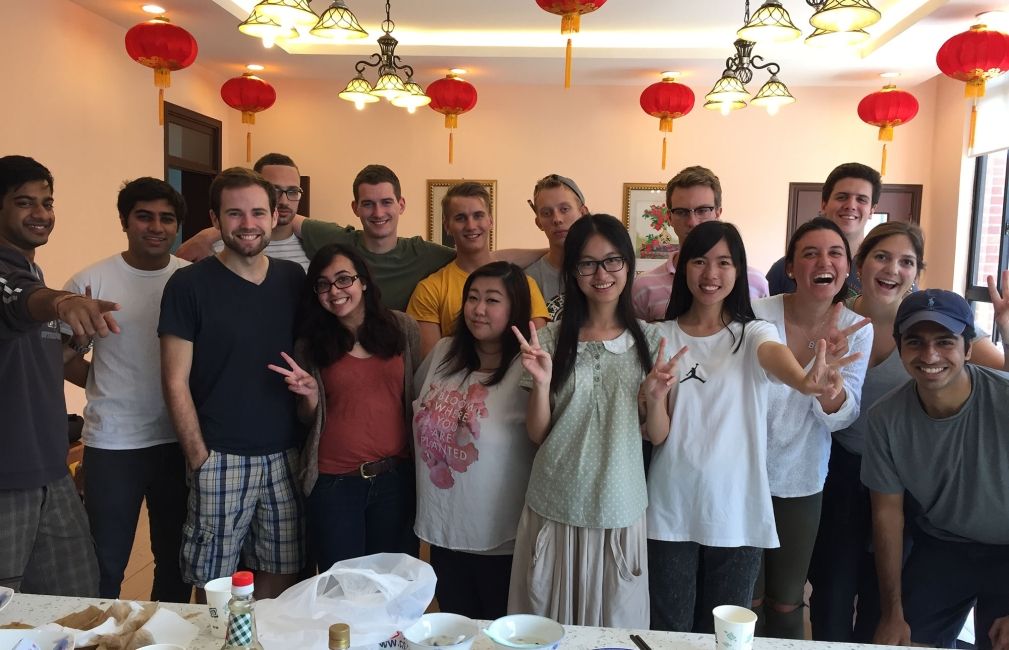
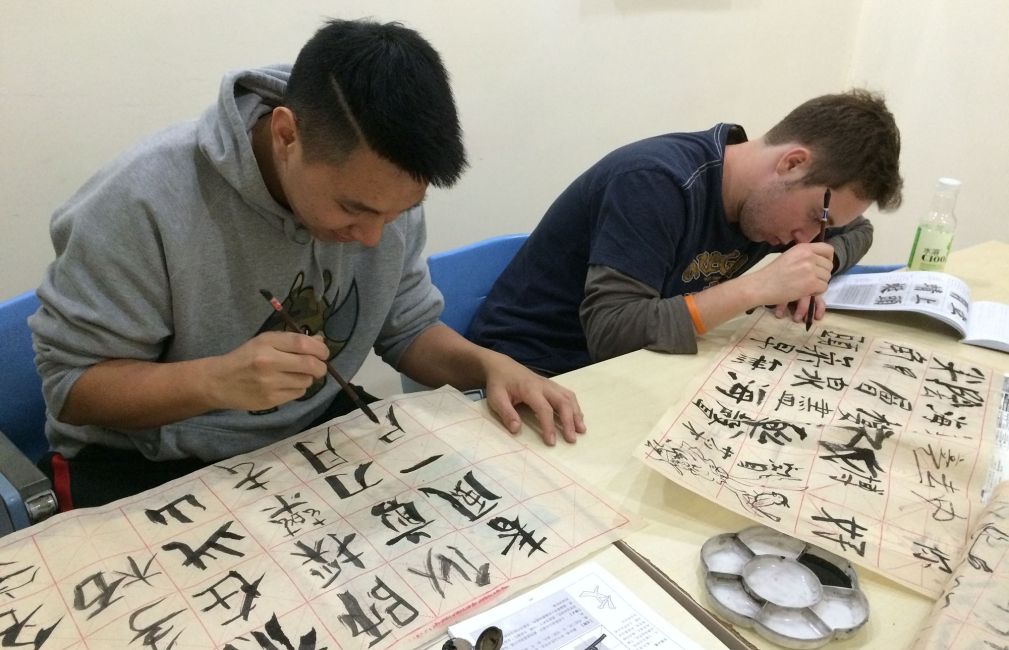
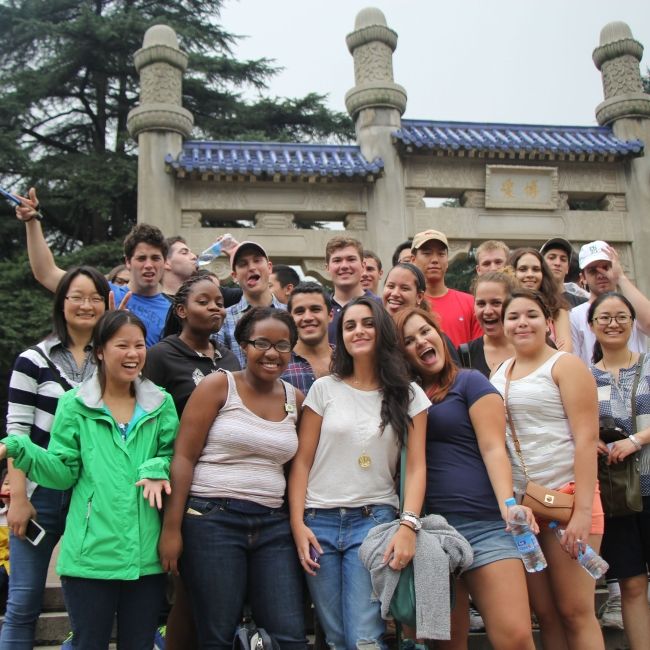
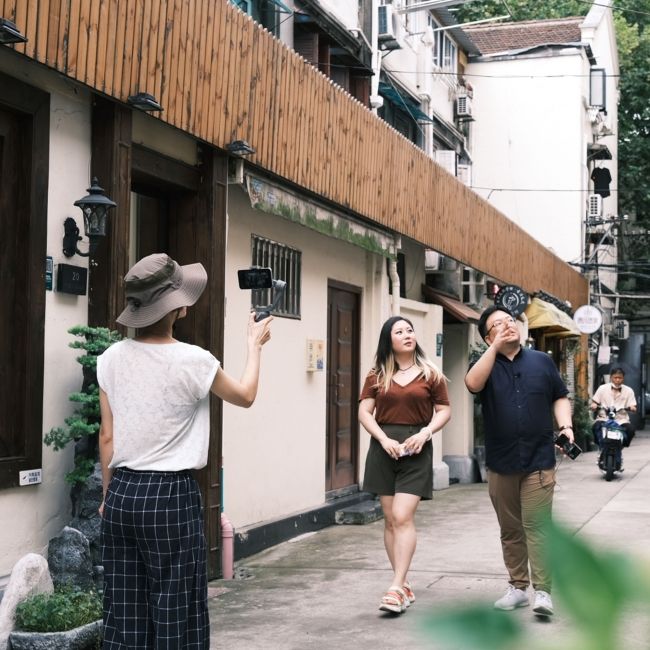
Unique Experiences
Improve your Chinese language skills
with intensive language courses specially designed to help you quickly take your skills to the next level
Get off the tourist track
as you explore Shanghai and beyond, and practice Chinese in authentic situations
Live with a Chinese host family
or on campus with a Chinese roommate

Your Destination
Shanghai is China's cosmopolitan hub, known for its vibrant energy and rich cultural heritage. The city offers a dynamic mix of old and new – wander through historic sites like Yu Garden and the French Concession, take in the skyline from The Bund, and explore bustling markets and cultural landmarks. Whether you're a first- or fifth-year Mandarin student, Shanghai is the perfect place to study abroad.

Program Highlights
- Academic Course: Take three CIEE courses delivered in-person at the CIEE Center.
- Immersive Experiences: Participate in activities, excursions, study tours, and more that showcase your host city's culture, values, and local art, film, music, cuisine, and sports scenes.

Excursions & Activities
CIEE’s excursions and cultural activities in Shanghai will open doors for you to explore China’s rich diversity, language, culture, history, and timeless beauty in ways that will enhance your time abroad.
Samples of past excursions and activities:
- Travel to Zhujiajiao, the best-preserved traditional water town in Shanghai, lined with stone bridges, cobblestone lanes, and canals
- Visit Jiangxi, famous for its beautiful mountain landscapes, porcelain heritage in Jingdezhen, and deep cultural traditions
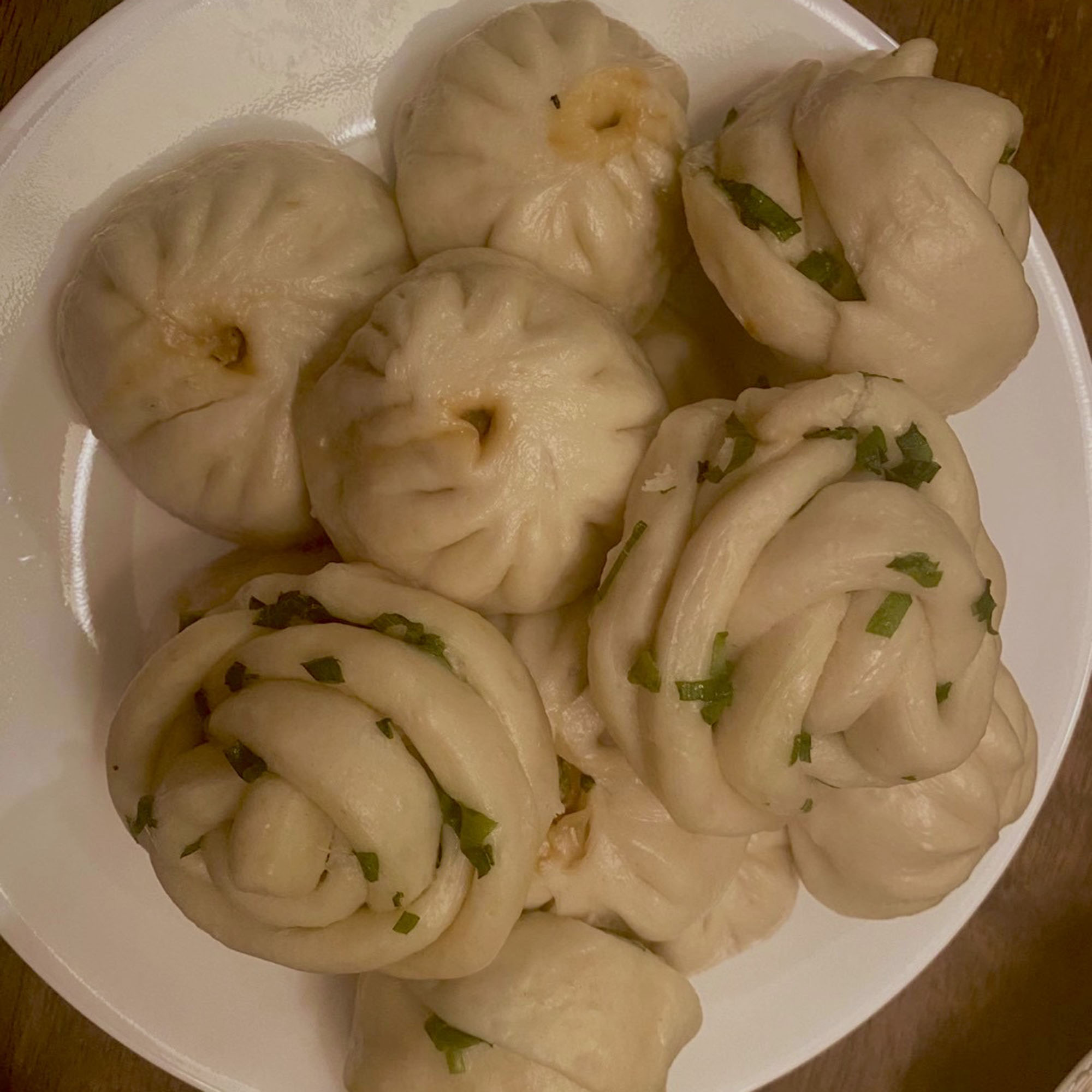
- Explore Fujian, renowned for its rich maritime heritage, traditional shadow puppetry, soulful Nanyin music, and delicacies like rouyan (meat dumplings)
Please note: Activities are based on past programs and subject to change at CIEE's discretion to adapt to local circumstances and participant feedback. Our goal when arranging activities is always to enhance your experience.
Program Blogs
10 Best Foreign Language Programs
Itching to take your foreign language skills to the next level and complete a language program? One of the best ways to fast-track your language learning is to immerse yourself... keep reading

Advantages of Studying a Foreign Language Abroad
If you've ever taken a language class on campus and wondered, "How am I really going to use this in the real world?" – you’re not alone. Studying a language... keep reading
Silk Road Excursion: Reflections with Kayla
One of my favorite parts of orientation every semester is reviewing the many convenient modes of transportation in China with new students. I am a particular fan of traveling by... keep reading
Housing and Meals
Housing
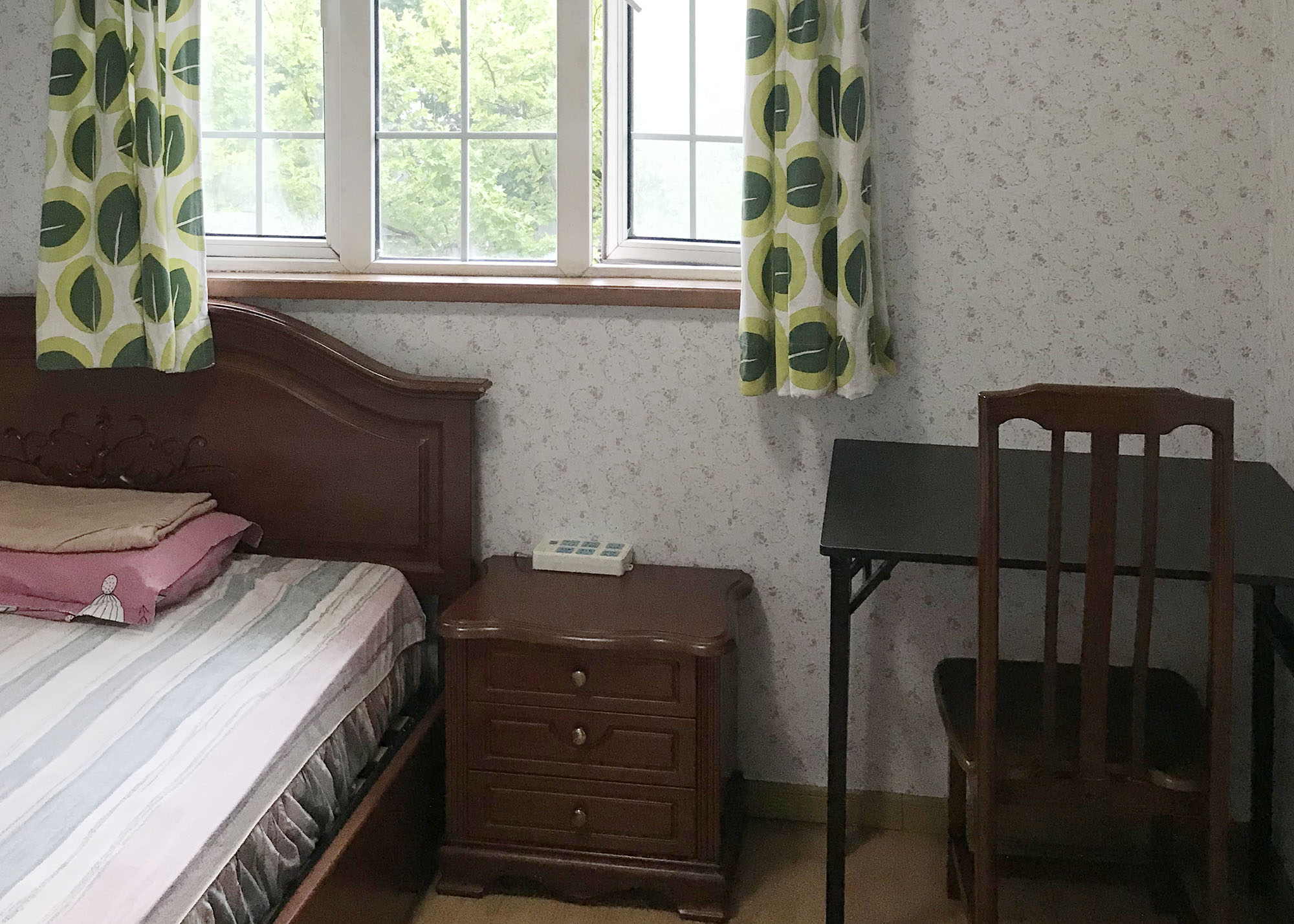
CIEE Shanghai offers various housing options, which include homestays with a Chinese host family or a campus residence hall with a Chinese roommate. All housing options are located in neighborhoods with convenient access to CIEE Shanghai (a 10- to 30-minute walk or commute by public transportation for homestays; a 10-minute walk from the campus residence hall).
Standard Housing: Includes a single room at a homestay or double room at the residence hall on campus.
- Homestays: Homestays boast a kitchen, living room, and bathroom shared with a host family (a 10- to 30-minute walk or commute by public transportation) that are ideal for students who are looking to improve their Chinese language skills by immersing themselves in a traditional Chinese environment.
- Campus Residence Halls: The campus residence hall (next to CIEE Shanghai office building) boasts a shared kitchen, common areas, and laundry facilities shared with other students.
A note: The default criterion to assign housing is first-come, first-served; however, other factors may also be considered. If we cannot accommodate your first housing choice, we'll let you know before you arrive. Non-standard housing options require an additional fee that can be found in the program Dates and Fees.
Meals
- Homestays: Students are invited to most meals but should budget for lunches and some weekend meals.
- Residence Halls: Students are responsible for meals. There are moderately priced cafeterias on campus and various options in the area surrounding the campus.



Academics
CIEE Shanghai: Study on the campus of East China Normal University (ECNU), CIEE's esteemed partner institution, CIEE Shanghai features a library, a student life office, and an academic advising office. Students are encouraged to use ECNU's library and outdoor facilities as needed.
Arizona State University (ASU): Brought to you by CIEE in partnership with ASU, enhance your international coursework with online classes that align with your degree requirements. ASU offers thousands of online courses in asynchronous 7.5-week sessions that fit within the CIEE academic calendar.
Course Information
Language Classes
- Students will take an on-site placement exam and be registered in the appropriate language levels based on their results.
Internships
- Students enrolling in the Academic Internship are required to apply for authorization to do an internship after arriving in China. They will need to change their student (X2) visa to an S2 visa after arriving in China in order to comply with Chinese labor law. On-site staff will assist students in completing the process during the first two weeks of the semester. Students pursuing the internship are responsible for all associated application fees (approximately $150 USD). The application process includes approval from the internship sponsor, approval from ECNU, and a special application to the Chinese government. Please note that recipients of internship authorization are not allowed to leave and re-enter the mainland of China without obtaining a new visa.
- Prior Chinese language study may improve Internship placement opportunities
Academic Projects
Business, Economics, Management, and Marketing
History, Philosophy, Religion
Languages and Cultural Studies
Social Sciences
Communication, Journalism, and Media
Biological and Physical Sciences
Engineering and Engineering Technologies
Natural Resources, Conservation, and the Environment
Academic Projects
Business, Economics, Management, and Marketing
History, Philosophy, Religion
Languages and Cultural Studies
Social Sciences
Communication, Journalism, and Media
Biological and Physical Sciences
Engineering and Engineering Technologies
Natural Resources, Conservation, and the Environment
Academic Projects
Business, Economics, Management, and Marketing
History, Philosophy, Religion
Languages and Cultural Studies
Social Sciences
Communication, Journalism, and Media
Biological and Physical Sciences
Engineering and Engineering Technologies
Natural Resources, Conservation, and the Environment
CIEE proudly partners with ASU to deliver asynchronous, online coursework that aligns with your degree requirements from anywhere you study abroad.
CIEE and ASU offer courses online per program eligibility, at no additional charge. Be sure to review online courses with your home school advisor.
Check the CIEE Program Dates and ASU start dates below to maximize course options within your program!
Search ASU Online Courses BROWSE FAQs for more INFO
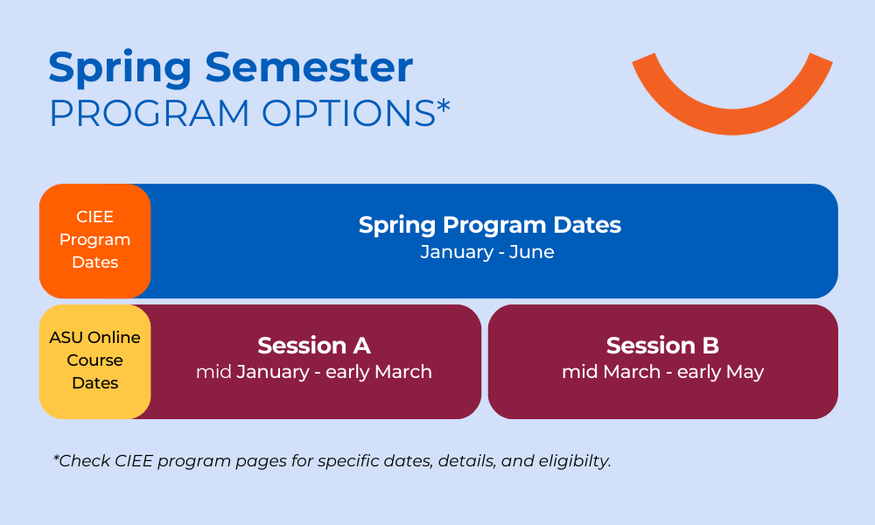
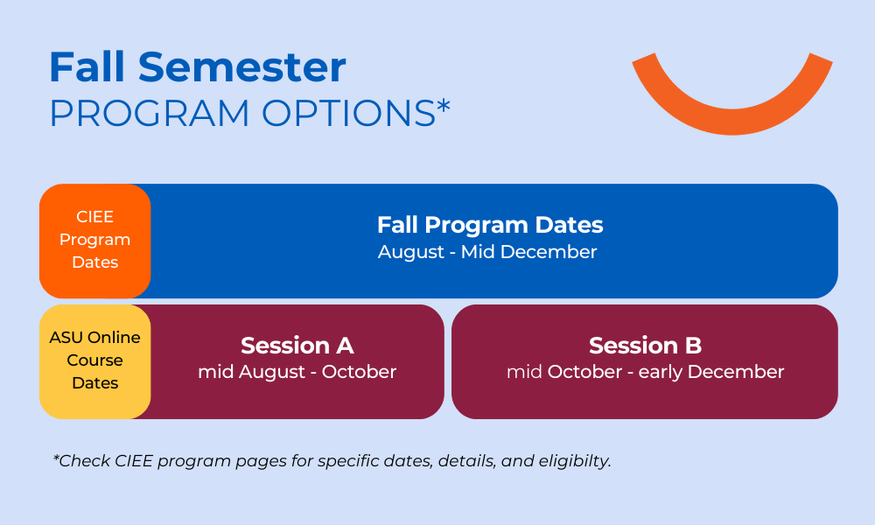
Note: This course listing is for informational purposes only and does not constitute a contract between CIEE and any applicant, student, institution, or other party. The courses, as described, may be subject to change as a result of ongoing curricular revisions, assignment of lecturers and teaching staff, and program development. Courses may be canceled due to insufficient enrollment.
"(GI)" denotes courses that originated at CIEE's Global Institutes and that are offered at multiple CIEE sites.
Discover Internship Opportunities
We're excited you're considering this program! Next, explore the types of internships you can choose from for an epic internship abroad with CIEE Study Abroad.
Explore Industry Options
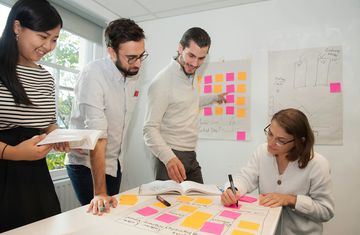
Shanghai boasts a vibrant, fast-paced work scene that seamlessly blends traditional values with its modern corporate culture. This dynamic city is the ideal hub for finance, technology, and manufacturing professionals, with a growing focus on innovation and collaboration.
Business Management and Administration
Study international business practices, multicultural leadership, and global market dynamics.

Education and Training
Experience international teaching methodologies and curriculum development in classrooms around the globe.

Health Science
Immerse yourself in global healthcare systems to study cross-border medical practices and address public health challenges.

Marketing, Sales and Service
Explore global market dynamics, cross-cultural consumer engagement, and sales techniques in firms, agencies, and companies.
Browse Internship Opportunities
Explore internship placements available through this program to find the right fit for your academic and professional goals.
Disclaimer: Internship placements are subject to availability and host employer hiring discretion. Application and payment of CIEE fees does not guarantee specific placement. This internship listing is for informational purposes only and does not constitute a contract between CIEE and any applicant, student, institution, or other party.
Scholarships & Grants
CIEE offers scholarships and grants annually to help students like you make your study abroad dream a reality.
Students who apply to this program are eligible for the following scholarships and grants:
- Wollitzer Merit Scholarships in Area or Comparative Studies
- Ping Scholarships for Academic Excellence
- Global Access Initiative (GAIN) Travel Grants
- Stohl International Undergraduate Research Scholarships
- CIEE Gilman Go Global Grant
- Global Access Initiative (GAIN) Scholars Grants
To be considered, submit the CIEE Scholarships & Grants application within your CIEE program application.
Dates & Fees
You get more for every dollar when you study abroad with CIEE, because our high-quality programs include everything from excursions to insurance. There are no hidden charges, and no disappointing surprises when you arrive.
Program |
Application Due |
Start Date |
End Date |
Fees & Housing |
|---|---|---|---|---|
| Program Spring 2027 15 weeks | Start Date | End Date | Fees & Housing $20,450 | |
| Program Fall 2027 15 weeks | Start Date * | End Date * | Fees & Housing $20,450 | |
| Program Academic year 2027-2028 40 weeks | Start Date * | End Date * | ||
| Program Spring 2028 15 weeks | Start Date * | End Date * | ||
| Program Fall 2026 15 weeks | Application Due Deadline Passed | Start Date | End Date | Fees & Housing $19,950 |
| Program Academic year 2026-2027 41 weeks | Application Due Deadline Passed | Start Date | End Date | Fees & Housing $39,375 |
*Dates for this program are provided as tentative dates. Please consult with your study abroad advisor to confirm dates before purchasing your flights.
To help you budget, keep in mind that students are responsible for the cost of international airfare, local transportation, books and supplies, visas, and personal expenses. In addition, your college or university may charge additional fees for study abroad, or may require you to receive a transcript via CIEE's School of Record, which carries an additional fee of $500.
Program Fees
CIEE offers the most student support of any provider in its program fee, including an airport greeting, full-time leadership and support, orientation, cultural activities, local excursions, pre-departure advising, and CIEE iNext travel protection with benefits.
| Participation Confirmation | $500 * |
| Educational Costs | $14,537 ** |
| Housing | $5,000 *** |
| Insurance | $194 |
| Visa Fees | $219 |
| Total Fees | $20,450 |
Financial Aid
CIEE offers the most grants and scholarships of any study abroad organization, including $8 million/year in travel grants, merit-based scholarships, institutional grants, and Gilman Go Global Grants.
Estimated Costs
Students are responsible and manage costs related to travel, meals, books, and personal expenses. Below are estimates for consideration.
| Meals not included in program fee | $750 † |
| International Airfare | $1,300 †† |
| Local Transportation | $300 ††† |
| Books & Supplies | $10 †††† |
| Visa Fees | $185 ††††† |
| Personal expenses | $1,125 †††††† |
| Total Costs | $3,670 |
*non-refundable fee
**Direct cost of education charged uniformly to all students
***Housing fees listed are for financial aid purposes only and should not be considered a basis for calculation of refunds.
†The listed estimated cost is for students in homestays, families provide most meals but you should budget for lunches and some weekend meals, and the optional estimated cost for dining out once per week ($225). For students in apartments, you should budget approx. $440 per month for groceries if you plan on making your own meals, and more if you plan on eating out regularly.
††round-trip based on U.S. East Coast departure
†††students enrolled in internships should budget $500
††††language books and area studies readers are free
†††††For students who must change their student visa on site because of internship course or extend the duration to cover the whole semester, an additional $150 is required.
††††††Personal expenses may include but are not limited to the following: taxis, social activities and entertainment, toiletries, cell phone. Does not include personal travel.
Program Fees
CIEE offers the most student support of any provider in its program fee, including an airport greeting, full-time leadership and support, orientation, cultural activities, local excursions, pre-departure advising, and CIEE iNext travel protection with benefits.
| Participation Confirmation | $500 * |
| Educational Costs | $14,537 ** |
| Housing | $5,000 *** |
| Insurance | $194 |
| Visa Fees | $219 |
| Total Fees | $20,450 |
Financial Aid
CIEE offers the most grants and scholarships of any study abroad organization, including $8 million/year in travel grants, merit-based scholarships, institutional grants, and Gilman Go Global Grants.
Estimated Costs
Students are responsible and manage costs related to travel, meals, books, and personal expenses. Below are estimates for consideration.
| Meals not included in program fee | $750 † |
| International Airfare | $1,300 †† |
| Local Transportation | $300 ††† |
| Books & Supplies | $10 †††† |
| Visa Fees | $185 ††††† |
| Personal expenses | $1,125 †††††† |
| Total Costs | $3,670 |
*non-refundable fee
**Direct cost of education charged uniformly to all students
***Housing fees listed are for financial aid purposes only and should not be considered a basis for calculation of refunds.
†The listed estimated cost is for students in homestays, families provide most meals but you should budget for lunches and some weekend meals, and the optional estimated cost for dining out once per week ($225). For students in apartments, you should budget approx. $440 per month for groceries if you plan on making your own meals, and more if you plan on eating out regularly.
††round-trip based on U.S. East Coast departure
†††students enrolled in internships should budget $500
††††language books and area studies readers are free
†††††For students who must change their student visa on site because of internship course or extend the duration to cover the whole semester, an additional $150 is required.
††††††Personal expenses may include but are not limited to the following: taxis, social activities and entertainment, toiletries, cell phone. Does not include personal travel.
Program Fees
CIEE offers the most student support of any provider in its program fee, including an airport greeting, full-time leadership and support, orientation, cultural activities, local excursions, pre-departure advising, and CIEE iNext travel protection with benefits.
Financial Aid
CIEE offers the most grants and scholarships of any study abroad organization, including $8 million/year in travel grants, merit-based scholarships, institutional grants, and Gilman Go Global Grants.
Estimated Costs
Students are responsible and manage costs related to travel, meals, books, and personal expenses. Below are estimates for consideration.
Program Fees
CIEE offers the most student support of any provider in its program fee, including an airport greeting, full-time leadership and support, orientation, cultural activities, local excursions, pre-departure advising, and CIEE iNext travel protection with benefits.
Financial Aid
CIEE offers the most grants and scholarships of any study abroad organization, including $8 million/year in travel grants, merit-based scholarships, institutional grants, and Gilman Go Global Grants.
Estimated Costs
Students are responsible and manage costs related to travel, meals, books, and personal expenses. Below are estimates for consideration.
Program Fees
CIEE offers the most student support of any provider in its program fee, including an airport greeting, full-time leadership and support, orientation, cultural activities, local excursions, pre-departure advising, and CIEE iNext travel protection with benefits.
| Participation Confirmation | $300 * |
| Educational Costs | $13,987 ** |
| Housing | $5,250 *** |
| Insurance | $194 |
| Visa Fees | $219 |
| Total Fees | $19,950 |
Financial Aid
CIEE offers the most grants and scholarships of any study abroad organization, including $8 million/year in travel grants, merit-based scholarships, institutional grants, and Gilman Go Global Grants.
Estimated Costs
Students are responsible and manage costs related to travel, meals, books, and personal expenses. Below are estimates for consideration.
| Meals not included in program fee | $525 † |
| International Airfare | $1,300 †† |
| Local Transportation | $300 ††† |
| Books & Supplies | $10 †††† |
| Visa Fees | $185 ††††† |
| Personal expenses | $325 †††††† |
| Total Costs | $2,645 |
*non-refundable fee
**Direct cost of education charged uniformly to all students
***Housing fees listed are for financial aid purposes only and should not be considered a basis for calculation of refunds.
†For students who live in homestays, families provide most meals but you should budget for lunches and some weekend meals. For students who live in dorms, you should budget approx. $440 per month for groceries if you plan on making your own meals, and more if you plan on eating out regularly.
††round-trip based on U.S. East Coast departure
†††students enrolled in internships should budget $500
††††language books and area studies readers are free
†††††For students who must change their student visa on site because of internship course or extend the duration to cover the whole semester, an additional $150 is required.
††††††$100 emergency fund + cell phone expense + toiletries
Program Fees
CIEE offers the most student support of any provider in its program fee, including an airport greeting, full-time leadership and support, orientation, cultural activities, local excursions, pre-departure advising, and CIEE iNext travel protection with benefits.
| Participation Confirmation | $300 * |
| Educational Costs | $28,412 ** |
| Housing | $10,250 *** |
| Insurance | $194 |
| Visa Fees | $219 |
| Total Fees | $39,375 |
Financial Aid
CIEE offers the most grants and scholarships of any study abroad organization, including $8 million/year in travel grants, merit-based scholarships, institutional grants, and Gilman Go Global Grants.
Estimated Costs
Students are responsible and manage costs related to travel, meals, books, and personal expenses. Below are estimates for consideration.
| Meals not included in program fee | $525 † |
| International Airfare | $1,300 †† |
| Local Transportation | $300 ††† |
| Books & Supplies | $10 †††† |
| Visa Fees | $185 ††††† |
| Personal expenses | $325 †††††† |
| Total Costs | $2,645 |
*non-refundable fee
**Direct cost of education charged uniformly to all students
***Housing fees listed are for financial aid purposes only and should not be considered a basis for calculation of refunds.
†For students who live in homestays, families provide most meals but you should budget for lunches and some weekend meals. For students who live in dorms, you should budget approx. $440 per month for groceries if you plan on making your own meals, and more if you plan on eating out regularly.
††round-trip based on U.S. East Coast departure
†††students enrolled in internships should budget $500
††††language books and area studies readers are free
†††††For students who must change their student visa on site because of internship course or extend the duration to cover the whole semester, an additional $150 is required.
††††††$100 emergency fund + cell phone expense + toiletries
What's Included
Tuition
Housing
Pre-departure Advising
Advising before you depart to set goals and answer questions
Optional on-site airport meet-and-greet
Orientation
Introduction to your program plus practical information about living in your host city
On-site Staff
Full-time program leadership and support in your city
Cultural and/or Co-curricular Activities
Excursions and/or Study Tours
Travel Protection
CIEE iNext travel protection
24/7 emergency on-site support
Our Staff

Jia Ma
Center Director

Sonya Zhao
Academic Director
Sonya holds a master's degree in communication management from Emerson College, Boston, and another master’s degree in international development studies from George Washington University in D.C. Before joining CIEE, Sonya...

Qianrong Tang
Student Life Director
Qianrong Tang is responsible for all aspects of student service and student activity administration, health, safety, and security.
Get Started
1
2
Connect With Your Campus Study Abroad Office
Share your plans and confirm you're on track to meet all required steps to go abroad.
3
Contact CIEE
We're here to help! Send us an email if you still have questions or need information about applying to this program.
4
Interested in an optional internship?
After being accepted to this program and submitting the required internship documents, work with CIEE staff on your internship goals and select which positions to interview for. CIEE will reach out to companies that would be a good fit for you, your interests, and your qualifications. Finalize your internship placement upon arrival!
You might also like

- Shanghai, China
- Study Program
- Part-Time Internship
...for 1, 2, or 3 term blocks!

- Shanghai, China
- Study Program
- Part-Time Internship

- Shanghai, China
- Study Program
- Part-Time Internship