Study Abroad in Santiago
College Study Abroad

Explore Santiago, Chile with CIEE
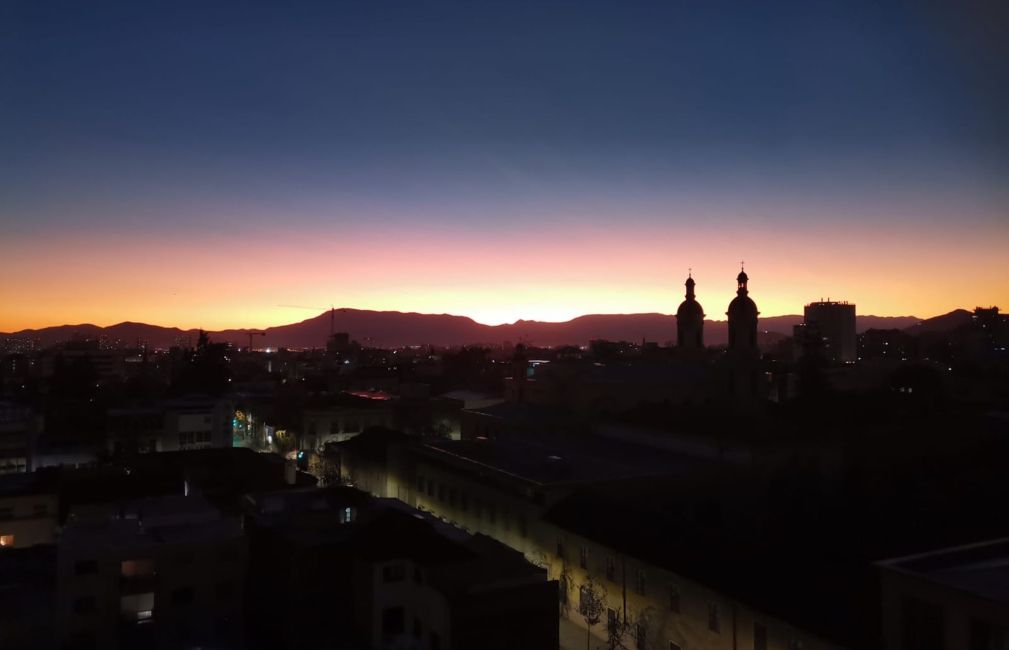
Explore a city where the Andes meet urban life when you study abroad in Santiago, Chile. Wander through the colorful streets of Bellavista, catch panoramic views from Cerro San Cristóbal’s cable car, and sample traditional empanadas at Mercado Central. Dive into academic programs focused on business, environmental science, and Latin American studies while delving into a culture rich with history and innovation. Spend weekends wine tasting in Maipo Valley, exploring world-class art museums, or hiking in the nearby Andes foothills. With its thriving neighborhoods, buzzing cafés, and top universities, Santiago study abroad offers a perfect blend of rigorous academics and life-changing cultural adventures.
While abroad, students may complete a full- or part-time internship in Santiago, gaining real-world international work experience and developing valuable professional skills. Internships are available across diverse industries, including business, marketing, arts, sustainability, and more, providing a well-rounded perspective of today's global job market and enriching the overall study abroad experience.
Top Activities in Santiago with CIEE
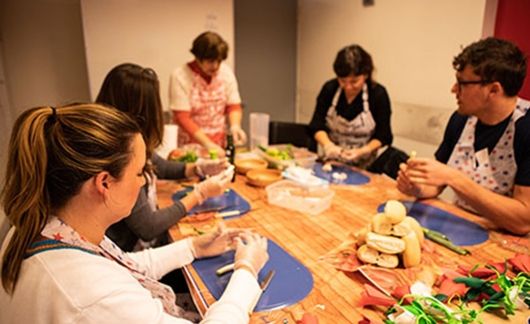
Every CIEE semester program has frequent cultural excursions uniquely designed to complement the program’s academics and enhance students’ cultural immersion. In Santiago, past excursions have included:
- Day trips to nearby towns Curacaví and Pomaire, known for their crafts and cuisine, where students participate in cuisine and crafts workshops
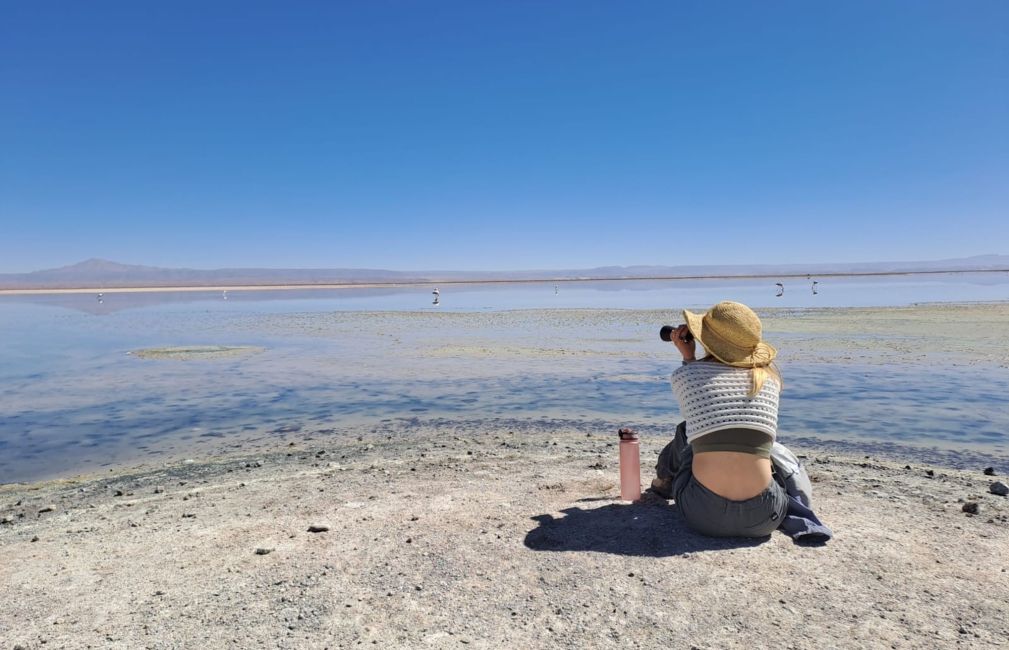
- Weekend trips to Huilo-Huilo, the islands of Chiloe or the San Pedro de Atacama Desert
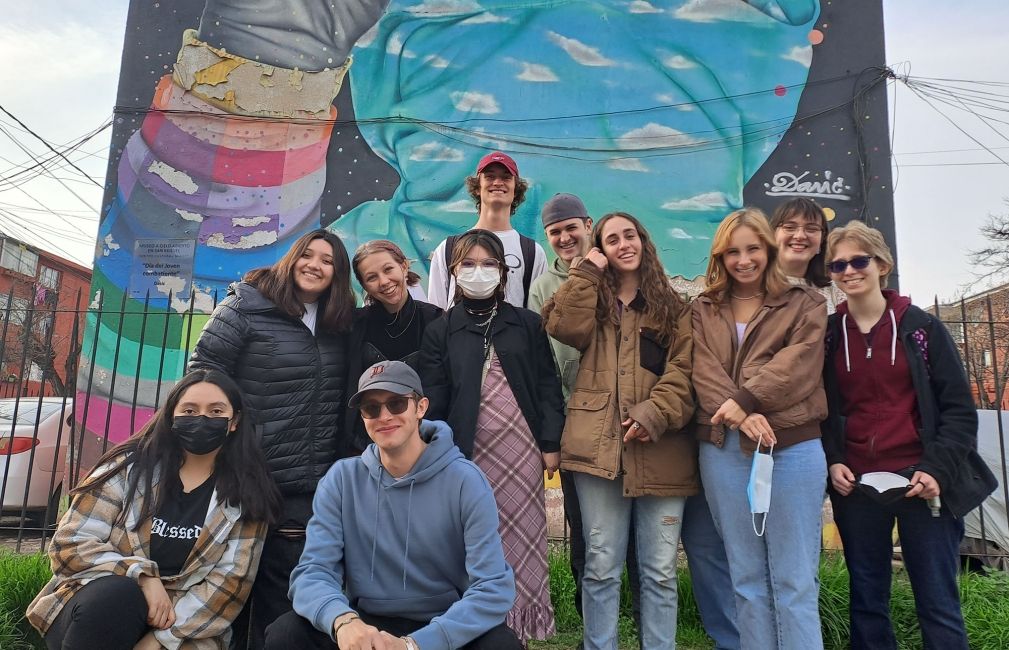
- A day trip to Valparaiso and VIña del Mar; visit the “pearl” of the Pacific and be amazed by Valparaiso’s street art and hills
About CIEE Santiago
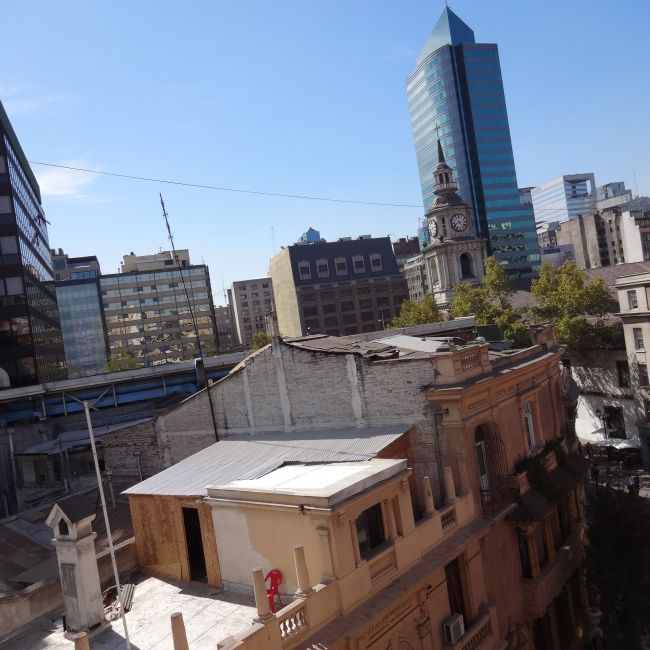
Centrally located in Santiago's University Neighborhood next to private Chilean universities, CIEE Santiago sits on the main campus of University Diego Portales (UDP), one of CIEE's renowned partner institutions. The study center boasts a student-friendly campus with spacious classrooms, a comfortable lounge, quiet study areas, and common spaces for coursework and socializing with fellow students. Students have complimentary Wi-Fi access and may use UDP's library, study spaces, computer lab, printers, and more as needed.
The study center is surrounded by the beauty of Cerro San Cristóbal Hill and is conveniently near parks, cafés, restaurants, shops, and more. Students will also find they're within a 10-minute walk of Santiago's historic downtown area, where they'll discover quaint narrow streets, tourist attractions, incredible monuments, and plenty of cultural landmarks.




Academics in Santiago
CIEE Santiago
The CIEE Santiago center boasts spacious classrooms, a comfortable lounge, quiet study areas, and common spaces to do coursework and get to know fellow students.
Universidad de Chile
Founded in 1842, Universidad de Chile is one of the oldest and best universities in Latin America and is recognized for its innovation in science, technology, social sciences, and arts. Notable alumni include Nobel Laureates Pablo Neruda and Gabriela Mistral.
University Diego Portales – School for Social Sciences and History
Since its foundation in 1982, the university has consistently been contributing to the implementation of social policies toward Chilean development and is recognized as one of the best in the country. The Social Sciences and History School has four renowned majors: Social Sciences and Humanities, Sociology, Political Science, and History.
Pontificia Universidad Católica de Chile
Established in 1888, Pontificia Universidad Católica de Chile (UC) is one of Chile’s oldest universities and one of the most recognized educational institutions in Latin America.
Arizona State University (ASU)
Brought to you by CIEE in partnership with ASU, enhance your international coursework with online classes that align with your degree requirements. ASU offers thousands of online courses in asynchronous 7.5-week sessions that fit within the CIEE academic calendar.

Internships in Santiago
Depending on your program of study and availability, you may be able to participate in an international internship while studying abroad in Santiago. The city’s fast-paced work scene is driven by innovation, collaboration, and global connectivity, with strong sectors in finance, technology, startups, mining, and agriculture. With a growing focus on sustainability and work-life balance, Santiago offers a modern environment to gain hands-on experience while building practical, future-focused skills. You may find opportunities in industries such as:
- Agriculture, Food + Natural Resources
- Business Management + Administration
- Education + Training
- Finance
- Health Science
- Human Services
- Information Technology
- Law, Public Safety, Corrections + Security
- Marketing, Sales + Service
- Science, Technology, Engineering + Mathematics

Community Impact Initiative in Santiago
CIEE’s Community Impact Initiative invites you to connect more deeply with Santiago by becoming an active member of its community. You’ll work alongside local organizations on projects that reflect real, on-the-ground needs, building relationships, gaining cultural insight, and contributing to meaningful, lasting impact. Your experience may span key focus areas like Food Security, Community Development + Public Health, and Youth Development + Education initiatives.
In Santiago, your service work may include:
- Supporting food rescue, sorting, and distribution efforts that connect surplus goods with communities in need through Red de Alimentos
- Participating in environmental education, recycling, and composting initiatives that promote circular economy practices with Dirección de Medio Ambiente La Pintana
Study Abroad Programs in Santiago

- Santiago, Chile
- Study Program
- Part-Time Internship
...for 1, 2, or 3 term blocks!

- Study Program

- Study Program

- Study Program
- Part-Time Internship

- Study Program

- Santiago, Chile
- Study Program
- Part-Time Internship

- Santiago, Chile
- Full-Time Internship

- Santiago, Chile
- Study Program
- Part-Time Internship

- Study Program
- Part-Time Internship
- Santiago, Chile
- Study Program
- Full-Time Internship

- Santiago, Chile
- Study Program
- Santiago, Chile
- Study Program
- Part-Time Internship

- Santiago, Chile
- Study Program
Pocket Guide to Santiago
Currency
Peso
Spoken Languages
Spanish, English
Available Transportation
Metro, bus, taxi
Famous Local
Pedro Pascal – Chilean American Actor
Climate
Warm, dry summers; cold, gray winters with an average yearly temperature of 62°F
Places to Explore
Sky Costanera – a glass-walled observation deck that offers a 360° view of Santiago
Airport
Airport Comodoro Arturo Merino Benitez (SCL)
Social Norms
After a meal, it's common to remain seated at the table and stay for more conversation
What to Pack
Comfortable walking shoes, jacket, backpack
Frequently Asked Questions
Santiago, Chile, is a good place to study abroad for students looking to explore Chilean history and culture, complete Spanish language courses abroad, and experience the charm of Chile’s capital city. When you study in Santiago, you’ll experience a Latin American atmosphere in a multicultural, lively environment.
With about half of the population of Chile calling Santiago home, studying abroad in Santiago allows students to experience both a cosmopolitan city and an outdoor vibe at the nearby Andes mountains. Students studying in Santiago can practice their Spanish, explore Chile’s culture, participate in an internship in Santiago, visit historical sites, and so much more.
Santiago de Chile is a safe study abroad destination for students with a medium overall risk. As with any study abroad destination, we recommend that students stay alert, practice common sense, and travel in groups when possible.
For students studying in Santiago in the summer, we recommend that they pack shorts, a rain jacket, jeans, t-shirts, and other summertime staple clothing items. For students studying in Santiago in the winter, we recommend packing layers of warm clothing, gloves, hats, and sweaters.
In order to ensure our students feel welcomed, supported, and empowered while studying abroad, CIEE staff completes comprehensive diversity equity and inclusion (DEI) training. Staff provide students with advice, resources, and ongoing support both before and during their study abroad program in Santiago.
For more detailed information on diversity in Santiago, visit our Diversity in Santiago page.
The cost of studying abroad in Santiago varies depending on the specific program that you choose and how long you plan to study abroad for. For detailed cost information, we recommend researching each individual Santiago study abroad program page.
For costs not included in your program’s outlined fees, it’s important to consider factors surrounding your individual journey while abroad.
Read more: How Much Does it Cost to Study Abroad?
Yes, you can absolutely complete an internship abroad in Santiago with CIEE. Our international internship programs allow college students to choose from a variety of full- and part-time internships abroad in a variety of fields, including manufacturing, finance, hospitality, healthcare, public policy, and more!
Search our internship opportunities to get started!
Study Abroad Scholarships & Grants

Apply in 1,2,3!
You may be wondering if there are any scholarships to study in Santiago. CIEE offers scholarships and grants for study abroad programs in Santiago to students with demonstrated financial need, proven academic merit, and for specific CIEE programs. Students can apply for scholarships through 3 simple steps:
- Search for and apply to your dream program
- Review all available funding opportunities
- Complete the Scholarship & Grants portion of your application

Study Abroad Scholarships
NEED-BASED SCHOLARSHIPS
Based on students' Estimated Family Contribution (EFC) from their Free Application for Federal Student Aid (FAFSA) and enrolled institution. Complete the Scholarships & Grants portion of your program application to be considered for all awards to which you are eligible.
MERIT SCHOLARSHIPS
Based on academic achievement. Complete the Scholarships & Grants portion of your program application, along with an essay, to be considered for all awards to which you are eligible.
OTHER SCHOLARSHIPS
Other scholarship awards are based on program or alumni status.
Santiago Study Abroad Blog

The 6 Best Places to Study Abroad for Business Students
If you’ve ever questioned how valuable study abroad is for business majors, you’ve come to the right place! Studying abroad is not only a great way for business students to... keep reading

EAT, DRINK, EXPLORE: SANTIAGO
BEST FOOD TO EAT IN SANTIAGO CHILE Empañadas are bound to become your round-the-clock, go-to chow in Santiago. That’s because every empañada – no matter what the filling - starts... keep reading

Study Abroad Chile: The Ultimate Guide
Ready to take your study abroad experience to the next level? Say hello to Chile, the long, skinny gem of Latin America, where adventure meets education in the heart of... keep reading