
Community Public Health

Unique Experiences
Observe healthcare providers
to experience how the primary healthcare system is used as the key to the attainment of the goal of health for all
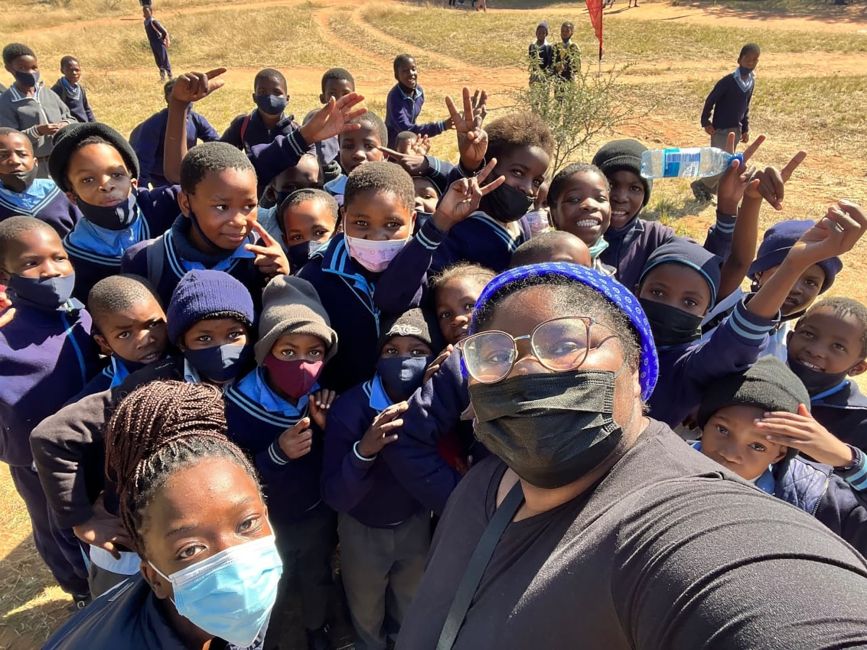
Participate in community assessments
to gain insights on health issues affecting communities in rural Botswana
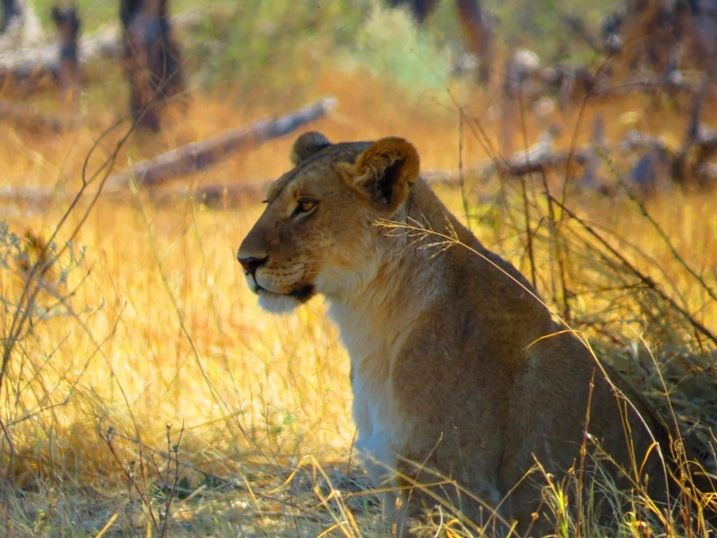
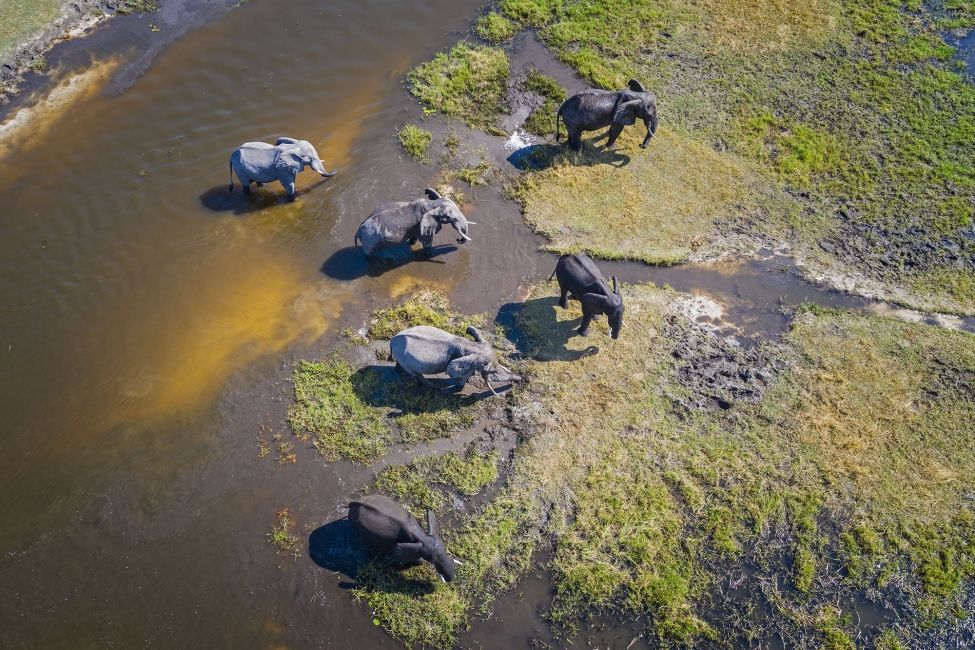
Visit Khama Rhino Sanctuary
to discover Botswana's rich wildlife and learn how communities are part of conserving the country's ecology system

Your Destination
Gaborone is Botswana’s welcoming capital, known for its warm climate, peaceful atmosphere, and rich cultural traditions. The city offers access to vibrant markets, local music and art scenes, and nearby natural reserves like Mokolodi Nature Reserve. Whether you are majoring in public health, environmental science, business, communications, liberal arts, or African studies, Gaborone is the perfect place to study abroad.

Program Highlights
- Academic Courses: Choose from CIEE courses, host institution courses and online courses delivered by CIEE’s global partner, ASU, that align with your academic major.
- Immersive Experiences: Participate in activities, excursions, study tours, and more that showcase your host city's culture, values, and local art, film, music, cuisine, and sports scenes.
- Cultural Projects: Volunteer with members of the local community, join university clubs to socialize with your peers, and attend local workshops and events to get to know your host city.

Excursions & Activities
CIEE’s excursions and cultural activities in Gaborone will open doors for you to explore Botswana’s rich diversity, language, culture, history, and timeless beauty in ways that will enhance your time abroad.
Samples of past excursions and activities:
- Profile a community in rural Botswana and implement a community health outreach activity to learn about the health issues facing communities in rural settings
- Step beyond the classroom with hands-on community-based learning projects, where you’ll actively engage with local initiatives and gain practical experience
- Explore a range of public health facilities, connecting with professionals and gaining invaluable insights into healthcare systems and practices
Please note: Activities are based on past programs and subject to change at CIEE's discretion to adapt to local circumstances and participant feedback. Our goal when arranging activities is always to enhance your experience.
Program Blogs

Eat, Drink, Explore: Gaborone
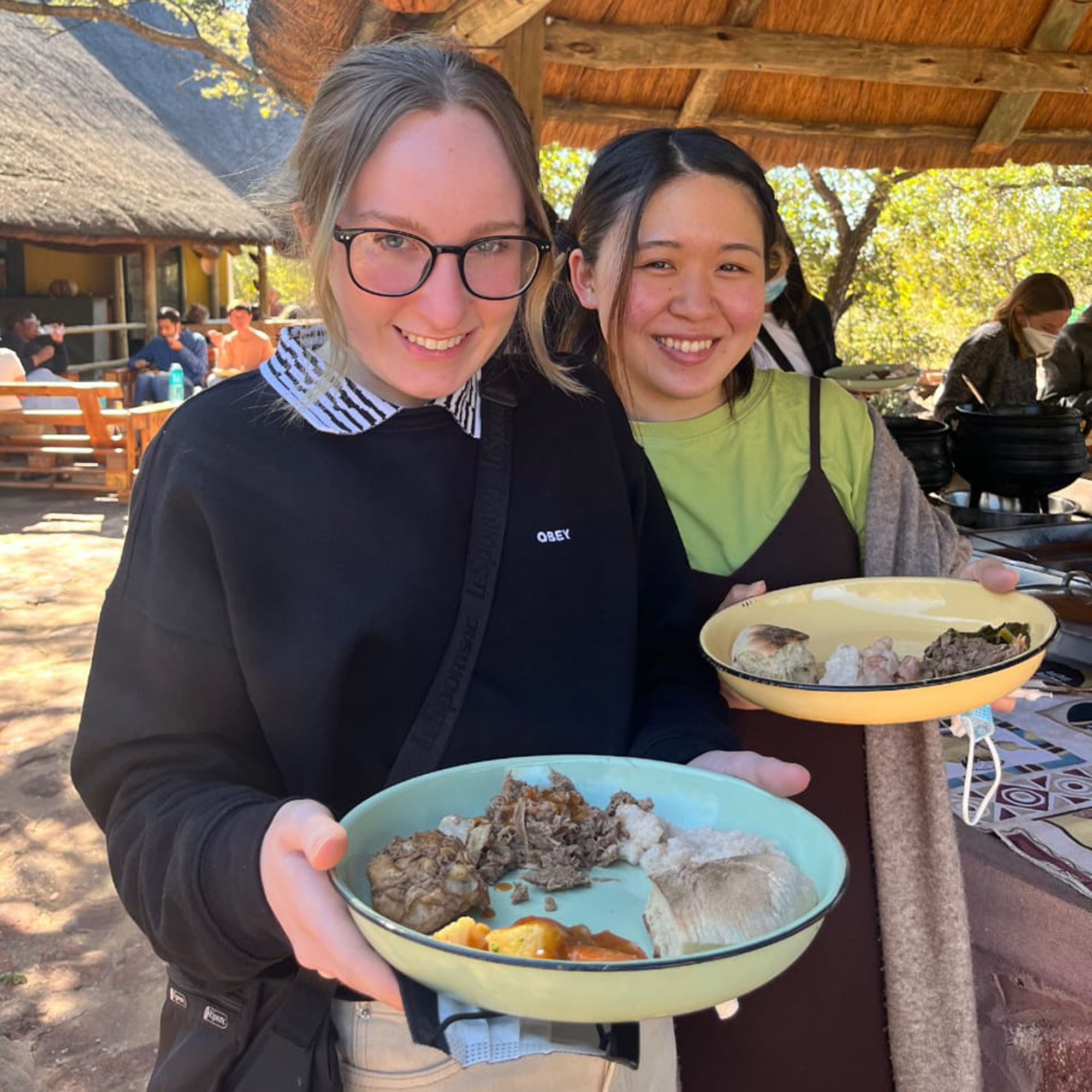
BEST FOOD TO EAT IN BOTSWANA Africa is a meat-eating continent, and Botswana is no different. The country’s national meat dish has two names: “ seswaa” in the Central District... keep reading
Study Abroad in Botswana Africa
For my study abroad, I chose the Community Public Health Program in Gaborone Botswana during the Fall 2024 semester. I am a public health major on a pre-PA track and... keep reading

Internships vs. Volunteering Abroad: Which is Better?
Are you looking for internship or volunteering opportunities while abroad? You’re in luck with CIEE! Follow along as we detail the differences between internship vs. volunteer work and what you... keep reading
Housing & Meals
Housing
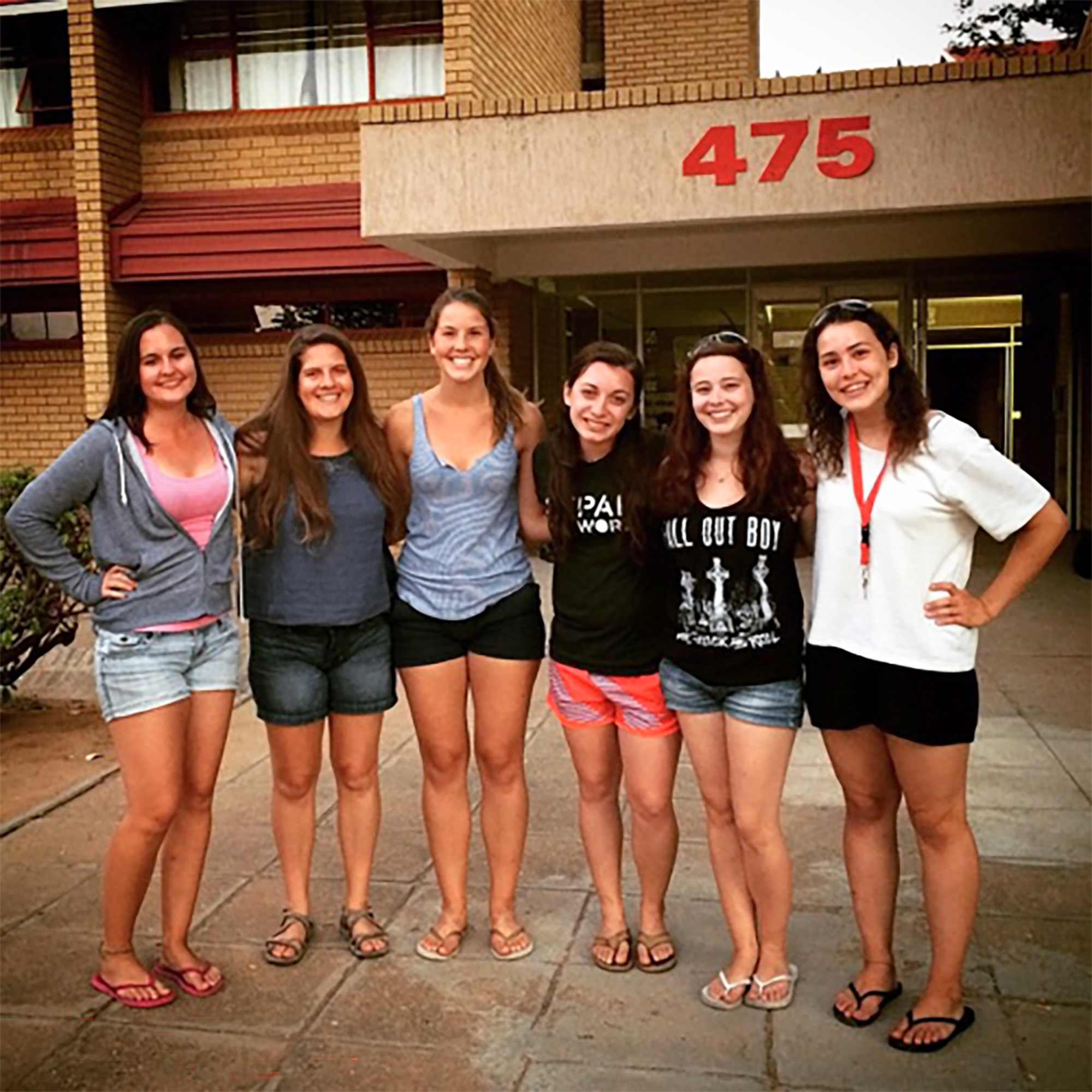
CIEE Gaborone offers diverse housing options to ensure you’re comfortable in your home away from home. From homestays to on-campus shared apartments, your accommodation preferences will be met.
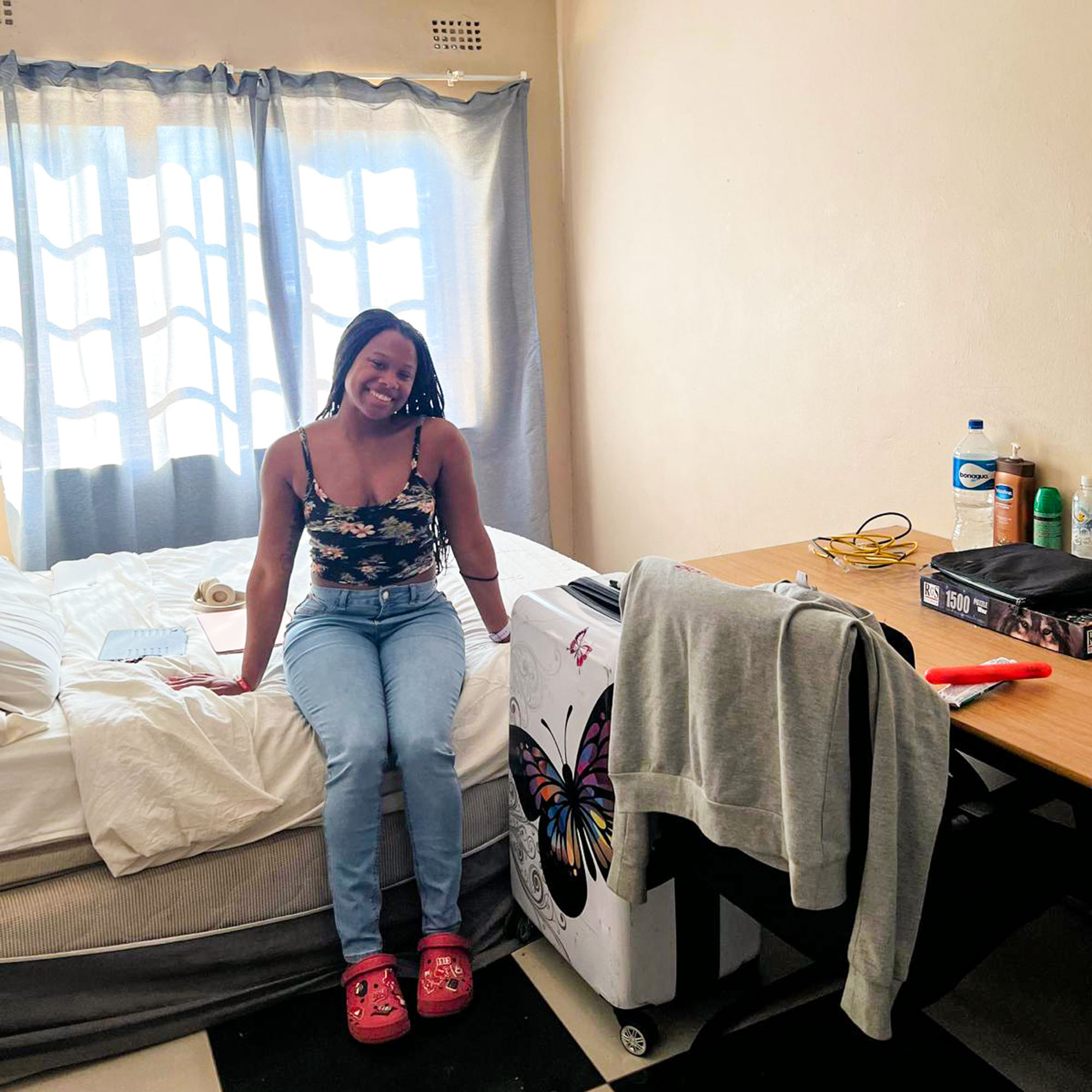
Standard Housing: Includes a single room at a homestay, a shared double room in the university residence hall, or single accommodation in apartment style housing off campus. Residence halls are on the university campus while homestays are within 60 minutes of the university.
- On-Campus Residence Hall: Includes a shared double room with a local student at the university residence hall. The residence hall accommodation includes a shared bathroom and no kitchen facilities.
- Homestay: Homestays include a single room at a local homestay. Homestays boast a kitchen, living room, and a shared bathroom with the host family.
Select Plus Housing: Includes a single air-conditioned room in apartment style housing off campus, within a 15-minute commute to CIEE Gaborone. Select Plus housing requires an additional fee.
A note: The default criterion to assign housing is first-come, first-served; however, other factors may also be considered. If we cannot accommodate your first housing choice, we'll let you know before you arrive. Non-standard housing options require an additional fee that can be found in the program Dates and Fees.
Meals
- Residence Hall: Meals are not included, therefore students are responsible for all meals. Students have options to purchase meals at the local refectory or eat off-campus.
- Apartments: Meals are not included, therefore students are responsible for all meals.
- Homestays: Host families provide breakfast and dinner during the week and all meals on weekends. Students are responsible for their weekday lunches.
Academics
CIEE Gaborone: Study on the campus of the University of Botswana, the first higher education institution established in the country. The campus is conveniently located within walking distance of Riverwalk Mall – one of the oldest shopping centers in Botswana – where you will find a movie theatre, plenty of restaurants, and shops. CIEE Gaborone is situated on-campus where you will have access to a gym and computer labs.
University of Botswana: The University of Botswana was established in 1982 with the goal of improving economic and social conditions for the nation. With more than 15,000 students and a staff of more than 2,000, the university is committed to academic freedom and integrity, cultural authenticity, and internationalism. The University of Botswana offers state-of-the-art facilities including a newly built medical school and sports facilities open to all students. Except for the CIEE Language and Culture Practicum, all courses are taught by University of Botswana’s faculty.
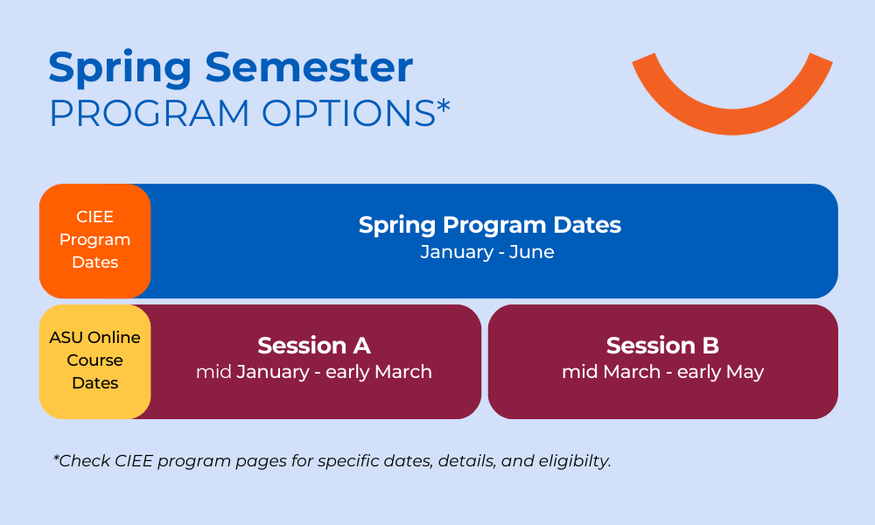
Arizona State University (ASU): Brought to you by CIEE in partnership with ASU, enhance your international coursework with online classes that align with your degree requirements. ASU offers thousands of online courses in asynchronous 7.5-week sessions that fit within the CIEE academic calendar.
Course Information
Academic Projects
Communication, Journalism, and Media
Health Professions and Related Programs
Languages and Cultural Studies
Academic Projects
Communication, Journalism, and Media
Health Professions and Related Programs
Languages and Cultural Studies
Academic Projects
Communication, Journalism, and Media
Health Professions and Related Programs
Languages and Cultural Studies
University of Botswana
Elective Courses
Students select three University of Botswana courses from the offerings listed below. One of the three elective courses must be Public and Environmental Health related. It is not guaranteed that the classes below will be offered, so we recommend choosing backup courses.
Public and Environmental Health
Students enrolled in this program must select at least one course from this list.
Community Mental Health Nursing
- Principles and Practice of Community Health Nursing
- Traditional and Alternative Medical Systems
- Demographic Aspects of HIV/AIDS Epidemic
- Basic Nursing Concepts and Skills in Health Sciences
- Basic Toxicology
- HIV/AIDS Education, Prevention and Control in Botswana
- Introduction to Community Health Nursing
- Parasitology for Health Sciences
Additional University of Botswana courses
African Languages and Literature
- Politics and Southern African Poetry
- Post-Colonial Theory and African Literature
- Rites of Passage: A Study of Social Dramas
- Studies in African Aesthetics
Business and Economics
- Development Economics
- Economics of Botswana and Southern Africa
- Entrepreneurship and New Business
- Environmental Economics
- International Trade
- Money and Banking
Education
- Rural Development and Rural Extension
Engineering and Technology
- Design for Sustainable Development
- Digital Cartography
- Engineering Materials
- Fluid Mechanics and Hydraulics
- Infrastructure Planning and Management
- Water Engineering
English
- Botswana Literature
- Currents of Thought in the Literature of the African Diaspora: African-American Literature
- Gender Issues in African Literature
Environmental Health and Environmental Science
- Environmental Issues
- Urbanization in the Developing World
History
- African Cultures and Civilization
- African Diaspora in the Islamic World and Asia
- Historiography of Botswana
- Trade and Politics in Central African Kingdoms
Media Studies
- Media in Botswana
Political Science and Administrative Studies
- Africa in World Politics
- Politics in Botswana
- Politics of South Africa
Science
- Applications of Thermodynamic and Electrochemistry
- Dynamics of Savanna Ecosystems
- Geology of Africa
- Parasitology for Health Sciences
- Introduction to Quantum Mechanics
- Wetlands Ecology and Management
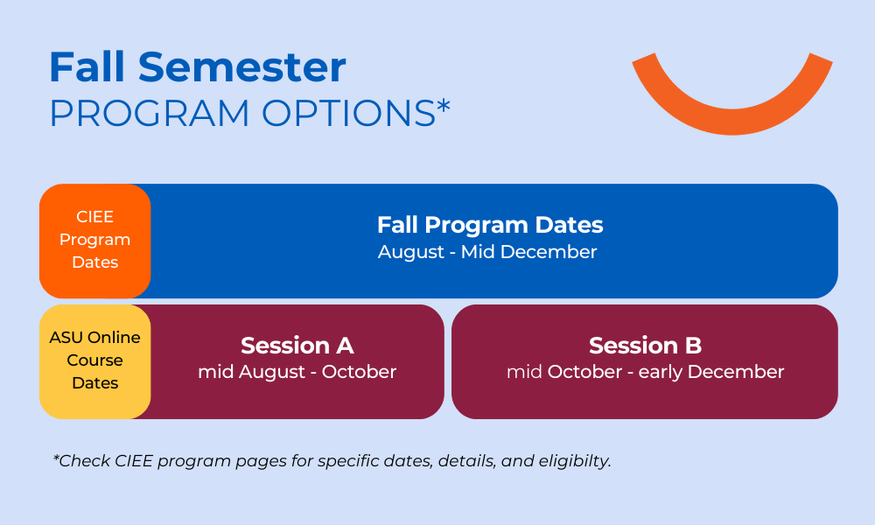
CIEE proudly partners with ASU to deliver asynchronous, online coursework that aligns with your degree requirements from anywhere you study abroad.
CIEE and ASU offer courses online per program eligibility, at no additional charge. Be sure to review online courses with your home school advisor.
Check the CIEE Program Dates and ASU start dates below to maximize course options within your program!
Search ASU Online Courses BROWSE FAQs for more INFO
Note: This course listing is for informational purposes only and does not constitute a contract between CIEE and any applicant, student, institution, or other party. The courses, as described, may be subject to change as a result of ongoing curricular revisions, assignment of lecturers and teaching staff, and program development. Courses may be canceled due to insufficient enrollment.
"(GI)" denotes courses that originated at CIEE's Global Institutes and that are offered at multiple CIEE sites.
Scholarships & Grants
CIEE offers scholarships and grants annually to help students like you make your study abroad dream a reality.
Students who apply to this program are eligible for the following scholarships and grants:
- Wollitzer Merit Scholarships in Area or Comparative Studies
- Ping Scholarships for Academic Excellence
- Global Access Initiative (GAIN) Travel Grants
- McDermott Health Sciences, Nursing, and Public Health Merit Scholarships
- Stohl International Undergraduate Research Scholarships
- CIEE Gilman Go Global Grant
- Global Access Initiative (GAIN) Scholars Grants
To be considered, submit the CIEE Scholarships & Grants application within your CIEE program application.
Dates & Fees
You get more for every dollar when you study abroad with CIEE, because our high-quality programs include everything from excursions to insurance. There are no hidden charges, and no disappointing surprises when you arrive.
Program |
Application Due |
Start Date |
End Date |
Fees & Housing |
|---|---|---|---|---|
| Program Spring 2027 18 weeks | Start Date | End Date | Fees & Housing $17,950 | |
| Program Fall 2027 18 weeks | Start Date * | End Date * | Fees & Housing $17,950 | |
| Program Spring 2028 19 weeks | Start Date * | End Date * | ||
| Program Fall 2026 18 weeks | Application Due Deadline Passed | Start Date | End Date | Fees & Housing $17,950 |
*Dates for this program are provided as tentative dates. Please consult with your study abroad advisor to confirm dates before purchasing your flights.
To help you budget, keep in mind that students are responsible for the cost of international airfare, local transportation, books and supplies, visas, and personal expenses. In addition, your college or university may charge additional fees for study abroad, or may require you to receive a transcript via CIEE's School of Record, which carries an additional fee of $500.
Program Fees
CIEE offers the most student support of any provider in its program fee, including an airport greeting, full-time leadership and support, orientation, cultural activities, local excursions, pre-departure advising, and CIEE iNext travel protection with benefits.
| Participation Confirmation | $500 * |
| Educational Costs | $14,756 ** |
| Housing | $2,500 *** |
| Insurance | $194 |
| Total Fees | $17,950 |
Optional Housing
CIEE accommodation options are detailed in the Housing section. Based on availability, Select or Select Plus Housing can be chosen during the application process for an additional fee. Housing is assigned on a first-come, first-served basis; however, other factors may also be considered.
| Select Plus Housing Fee | $2,850 |
Financial Aid
CIEE offers the most grants and scholarships of any study abroad organization, including $8 million/year in travel grants, merit-based scholarships, institutional grants, and Gilman Go Global Grants.
Estimated Costs
Students are responsible and manage costs related to travel, meals, books, and personal expenses. Below are estimates for consideration.
| Meals not included in program fee | $555 † |
| International Airfare | $1,700 †† |
| Local Transportation | $120 ††† |
| Books & Supplies | $300 |
| Personal expenses | $1,028 †††† |
| Total Costs | $3,703 |
*non-refundable fee
**Direct cost of education charged uniformly to all students
***Housing fees listed are for financial aid purposes only and should not be considered a basis for calculation of refunds.
†The listed estimated cost is for students in homestays, families provide 2 meals a day, and the optional estimated cost for dining out once per week ($166). For students in Residence Halls, you should budget approx. $1,065 for meals
††round-trip based on U.S. East Coast departure
†††Homestay students should budget for $190
††††Personal expenses may include but are not limited to the following: taxis, social activities and entertainment, toiletries, cell phone. Does not include personal travel.
Program Fees
CIEE offers the most student support of any provider in its program fee, including an airport greeting, full-time leadership and support, orientation, cultural activities, local excursions, pre-departure advising, and CIEE iNext travel protection with benefits.
| Participation Confirmation | $500 * |
| Educational Costs | $14,756 ** |
| Housing | $2,500 *** |
| Insurance | $194 |
| Total Fees | $17,950 |
Financial Aid
CIEE offers the most grants and scholarships of any study abroad organization, including $8 million/year in travel grants, merit-based scholarships, institutional grants, and Gilman Go Global Grants.
Estimated Costs
Students are responsible and manage costs related to travel, meals, books, and personal expenses. Below are estimates for consideration.
| Meals not included in program fee | $555 † |
| International Airfare | $1,700 †† |
| Local Transportation | $120 ††† |
| Books & Supplies | $300 |
| Personal expenses | $1,028 †††† |
| Total Costs | $3,703 |
*non-refundable fee
**Direct cost of education charged uniformly to all students
***Housing fees listed are for financial aid purposes only and should not be considered a basis for calculation of refunds.
†The listed estimated cost is for students in homestays, families provide 2 meals a day, and the optional estimated cost for dining out once per week ($166). For students in Residence Halls, you should budget approx. $1,065 for meals
††round-trip based on U.S. East Coast departure
†††Homestay students should budget for $190
††††Personal expenses may include but are not limited to the following: taxis, social activities and entertainment, toiletries, cell phone. Does not include personal travel.
Program Fees
CIEE offers the most student support of any provider in its program fee, including an airport greeting, full-time leadership and support, orientation, cultural activities, local excursions, pre-departure advising, and CIEE iNext travel protection with benefits.
Financial Aid
CIEE offers the most grants and scholarships of any study abroad organization, including $8 million/year in travel grants, merit-based scholarships, institutional grants, and Gilman Go Global Grants.
Estimated Costs
Students are responsible and manage costs related to travel, meals, books, and personal expenses. Below are estimates for consideration.
Program Fees
CIEE offers the most student support of any provider in its program fee, including an airport greeting, full-time leadership and support, orientation, cultural activities, local excursions, pre-departure advising, and CIEE iNext travel protection with benefits.
| Participation Confirmation | $300 * |
| Educational Costs | $14,956 ** |
| Housing | $2,500 *** |
| Insurance | $194 |
| Total Fees | $17,950 |
Optional Housing
CIEE accommodation options are detailed in the Housing section. Based on availability, Select or Select Plus Housing can be chosen during the application process for an additional fee. Housing is assigned on a first-come, first-served basis; however, other factors may also be considered.
| Select Plus Housing Fee | $2,850 |
Financial Aid
CIEE offers the most grants and scholarships of any study abroad organization, including $8 million/year in travel grants, merit-based scholarships, institutional grants, and Gilman Go Global Grants.
Estimated Costs
Students are responsible and manage costs related to travel, meals, books, and personal expenses. Below are estimates for consideration.
| Meals not included in program fee | $365 † |
| International Airfare | $1,700 †† |
| Local Transportation | $120 ††† |
| Books & Supplies | $300 |
| Personal expenses | $230 †††† |
| Total Costs | $2,715 |
*non-refundable fee
**Direct cost of education charged uniformly to all students
***Housing fees listed are for financial aid purposes only and should not be considered a basis for calculation of refunds.
†For students in homestays, families provide 2 meals a day. For students in Residence Halls, you should budget approx. $1000 for meals
††round-trip based on U.S. East Coast departure
†††Homestay students should budget for $190
††††$100 emergency fund + cell phone expense + toiletries
What's Included
Tuition
Housing
Pre-departure Advising
Advising before you depart to set goals and answer questions
Optional on-site airport meet-and-greet
Orientation
Introduction to your program plus practical information about living in your host city
On-site Staff
Full-time program leadership and support in your city
Cultural and/or Co-curricular Activities
Excursions and/or Study Tours
Travel Protection
CIEE iNext travel protection
24/7 emergency on-site support
Our Staff

Basetsana Maposa
Center Director
Get Started
1
2
Connect With Your Campus Study Abroad Office
Share your plans and confirm you're on track to meet all required steps to go abroad.
3
Contact Us
Send us an email if you still have questions or need information about applying to this program.
You might also like

- Gaborone, Botswana
- Study Program

- Gaborone, Botswana
- Study Program
- Part-Time Internship

- Gaborone, Botswana
- Study Program
- Part-Time Internship