
Liberal Arts Language Immersion


Unique Experiences
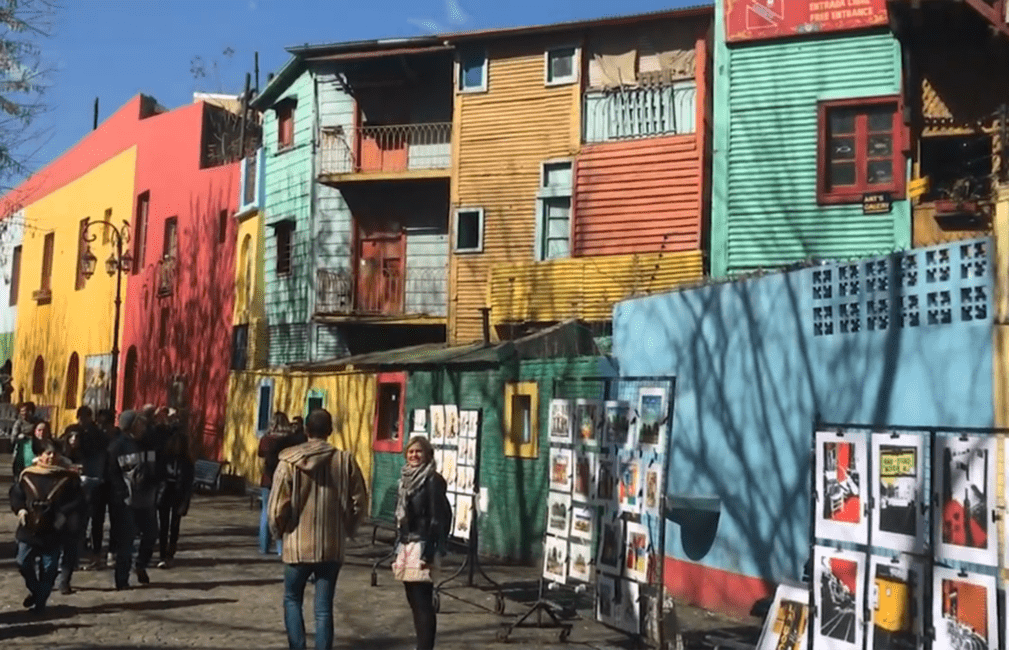
Explore Argentina
and its lively culture, history and art firsthand.
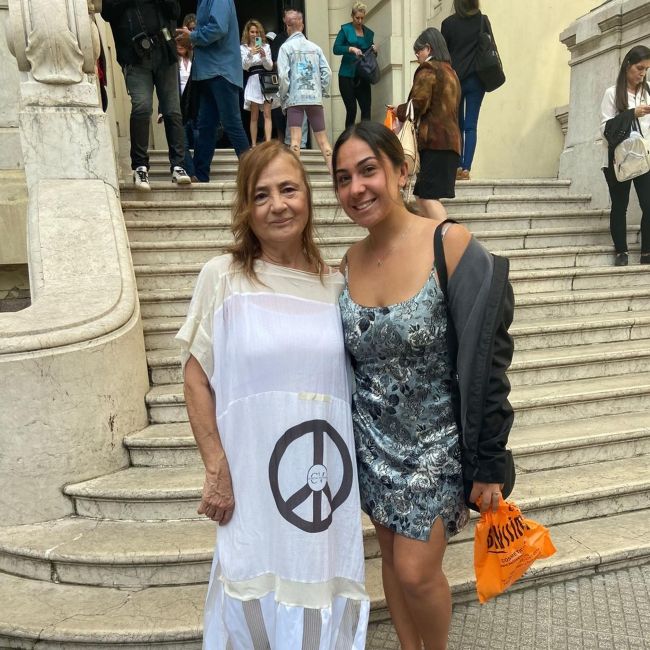
Get into the swing of Argetine life
by living with a host family, doing volunteer work, and joining a conversation club
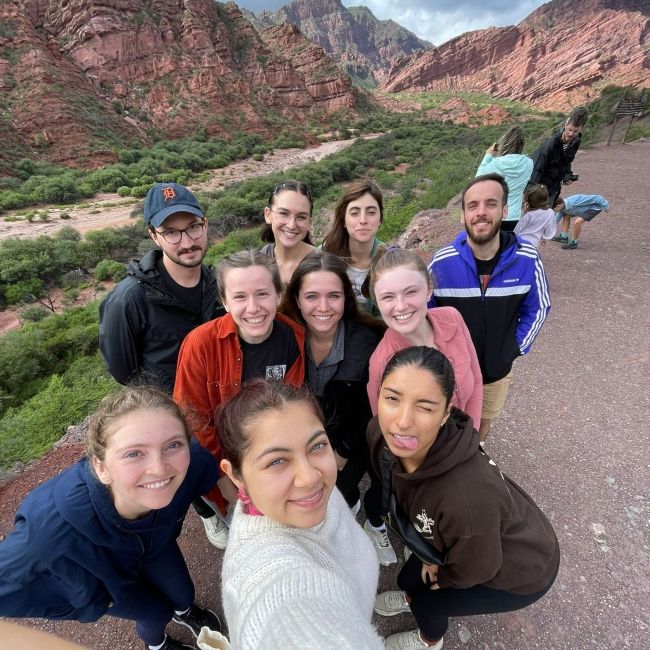
Travel around
and into broader Argentina – to dig into the local culture and customs

Your Destination
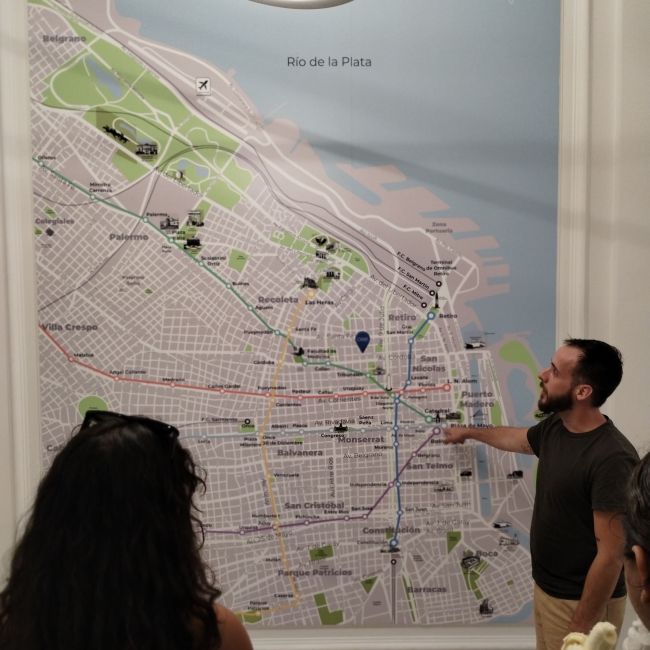
Buenos Aires is Argentina’s dynamic, Spanish-speaking capital where language and culture come alive on every corner. Whether you're practicing Spanish with locals at a neighborhood café, browsing bookshops along Avenida Corrientes, or dancing tango in the streets of San Telmo, each moment deepens your connection to Argentine culture. With its blend of European charm, Latin American flair, and vibrant arts scene, Buenos Aires is the perfect place to study abroad.

Program Highlights
- Academic Courses: Choose from CIEE courses and host institution courses that align with your academic major.
- Optional Internship Placements: Enhance your program with an optional for-credit internship that aligns with your career aspirations.
- Immersive Experiences: Participate in activites, excursions, study tours, and more that showcase your host city's culture, values, and local art, film, music, cuisine, and sports scenes.
- Cultural Projects: Volunteer with members of the local community, join student clubs to socialize with your peers, and attend local workshops and events to get to know your host city.

Excursions & Activities
CIEE’s excursions and cultural activities in Buenos Aires will open doors for you to explore Argentina's rich diversity, language, culture, history, and timeless beauty in ways that will enhance your time abroad.
Samples of past excursions and activities:
- Immerse yourself in the greatest passion of Argentinians by playing a friendly soccer match with locals
- Attend concerts at the local opera house, Teatro Colón
- Join an Argentine empanada cooking workshop led by an expert
Please note: Activities are based on past programs and subject to change at CIEE's discretion to adapt to local circumstances and participant feedback. Our goal when arranging activities is always to enhance your experience.
Program Blogs

Traveling to Patagonia While Abroad in Buenos Aires
By: Liliana Micera Studying abroad in Buenos Aires has been incredible, but once my classes ended I fled the city for the nature of Argentina’s south. I cannot recommend traveling... keep reading

What are the Best Places to Study Abroad in Latin America?
If you’re reading this, you’re probably ready to take your college experience to the next level with an extraordinary study abroad adventure. What better way to do than by discovering... keep reading

Study Abroad in Latin America: The Ultimate Guide
Deciding where to study abroad can be as thrilling as it is daunting, especially with so many amazing Latin America study abroad programs and countries to choose from. We get... keep reading
Housing & Meals
Housing
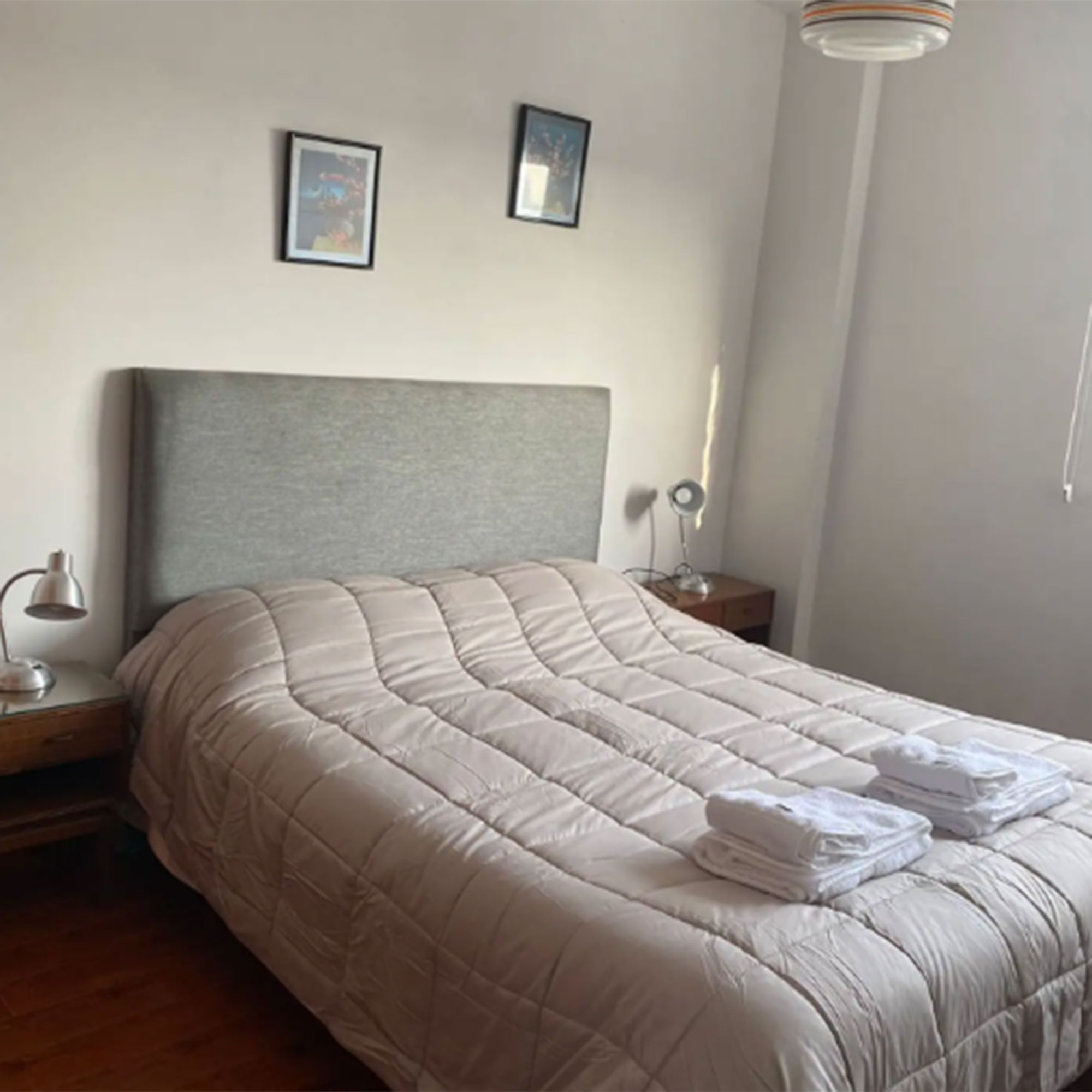
At CIEE Buenos Aires, you’ve got flexible housing options to match your vibe. Whether you’re into the cozy feel of a homestay, want your own space in a single apartment, or prefer the social scene of a shared apartment or residence hall, there’s a setup that works for you. Plus, all housing is in neighborhoods that make life easy—with easy access to public transportation, cool cafés, shops, and restaurants just around the corner.
Standard Housing: You’ll stay in either a homestay, a double room at shared apartment or a shared room in a Residence Hall, all within about an hour of CIEE Buenos Aires
- Homestays: Live with a local host and get a real feel for Argentine culture. You’ll have your own space, but also the chance to build a connection with someone who knows the city inside and out. You will have a private bedroom and access to a shared bathroom, kitchen, living room, Wi-Fi, weekly laundry and cleaning, and two meals per day.
- Shared Apartments: Double rooms at a modest-sized shared apartment come with everything you need to feel at home—kitchens, shared living spaces, fresh linens, and regular cleaning service. Most apartments don’t have washing machines, but don’t worry, there are laundromats either in the building or nearby. Just keep in mind that students are responsible for covering their own laundry expenses.
- Residence Hall. Residence Halls offer a welcoming and community-oriented living experience. Students stay in double rooms and have access to shared bathrooms, comfortable common areas, and regular cleaning service. Residence halls also feature shared kitchens equipped for preparing meals, giving students the flexibility to cook for themselves. Conveniently located near supermarkets, cafés, and restaurants, they provide easy access to everything students need. Laundry facilities are available nearby, and students are responsible for covering their own laundry expenses.
Select Housing: Select Housing includes a private room in a studio apartment or at a Residence Hall; all located within 45 minutes of CIEE Buenos Aires.
- Studio Apartment. Apartments come with kitchens, fresh linens, and regular cleaning service. Most apartments don’t have washing machines, but don’t worry, there are laundromats either in the building or nearby. Just keep in mind that students are responsible for covering their own laundry expenses.
- Residence Hall. Residence Halls offer a welcoming and community-oriented living experience. Students have access to shared floor bathrooms, comfortable common areas, and regular cleaning service. Residence halls also feature shared floor kitchens equipped for preparing meals, giving students the flexibility to cook for themselves. Conveniently located near supermarkets, cafés, and restaurants, they provide easy access to everything students need. Laundry facilities are available either in the building or nearby, students are responsible for covering their own laundry expenses.
Select Plus Housing: Select Plus Housing offers extra comfort and convenience in a private studio apartment within 30 minutes of CIEE Buenos Aires. Apartments include kitchens, fresh linens, and weekly cleaning service. Most apartments don’t have washing machines, but don’t worry, there are laundromats either in the building or nearby. Just keep in mind that students are responsible for covering their own laundry expenses.
A note: The default criterion to assign housing is first-come, first-served; however, other factors may also be considered. If we cannot accommodate your first housing choice, we'll let you know before you arrive. Non-standard housing options require an additional fee that can be found in the Program Dates and Fees.
MEALS
- Homestays: Homestays include two meals per day – breakfast and either lunch or dinner. Host families and students arrange their own meal schedules. Students are responsible for the remaining meal, either preparing it at home or eating in
- Apartments and Residence Halls: Meals are not included. Apartments feature equipped kitchens, allowing students to prepare their own meals, while residence halls provide easy access to nearby dining options.


Academics
CIEE Buenos Aires: Study in the heart of Buenos Aires in the lively neighborhood of Recoleta, well-connected to parks, cafés, restaurants, and shops. CIEE Buenos Aires features modern classrooms, comfortable lounge areas, and a charming outdoor space.
Universidad Católica Argentina (UCA): Founded in the late 1950s, UCA is one of Argentina’s leading private universities. As a Catholic institution, it promotes ethical and humanistic values while fostering a pluralistic academic environment. UCA offers programs across 16 schools, with strengths in social sciences, humanities, economics, law, and music. With more than 24,000 students and 50+ undergraduate degrees, it nurtures a vibrant academic community. Its campus in the scenic Puerto Madero waterfront district provides an ideal setting for study and student life, just steps from downtown Buenos Aires.
Universidad de Buenos Aires (UBA): Founded in 1821, UBA is Argentina’s oldest and most prestigious public university, enrolling more than 350,000 students and offering 114 undergraduate degrees across 13 autonomous schools spread throughout Buenos Aires. Known for its commitment to free, high-quality education and vibrant political culture, UBA plays a central role in Argentine culture. CIEE Liberal Arts students can take courses at the school of social sciences (Facultad de Ciencias Sociales), and at the school of humanities (Facultad de Filosofía y Letras). These two schools are respectively located in the neighborhoods of Constitución and Caballito, not far from downtown, providing an immersive experience in the city’s intellectual life.
Universidad Nacional de las Artes (UNA): Established in the late 1990s, UNA is the only university in Buenos Aires dedicated exclusively to arts education, combining long-standing institutes in music, dance, fine arts, ceramics, theater, and folklore. With nine schools, one museum, and more than 40 degree programs, it offers a rich blend of theoretical and practical training. CIEE Liberal Arts students can take courses at UNA Movimiento and UNA Visuales, two dynamic schools in the centrally located neighborhoods of Balvanera, Recoleta, and San Telmo – offering a unique chance to explore the city’s artistic heritage and contemporary creative scene.
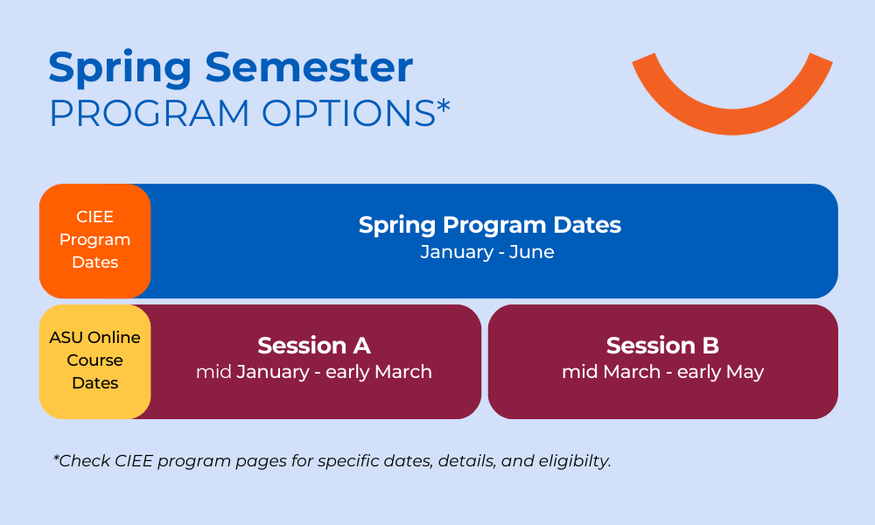
Arizona State University (ASU): Brought to you by CIEE in partnership with ASU, enhance your international coursework with online classes that align with your degree requirements. ASU offers thousands of online courses in asynchronous 7.5-week sessions that fit within the CIEE academic calendar.
Course Information
Course availability may depend on the final exam format.
Academic Projects
Communication, Journalism, and Media
History, Philosophy, Religion
Languages and Cultural Studies
Academic Projects
Communication, Journalism, and Media
History, Philosophy, Religion
Languages and Cultural Studies
Academic Projects
Communication, Journalism, and Media
History, Philosophy, Religion
Languages and Cultural Studies
Universidad de Buenos Aires (UBA) Courses
The following is a representative sampling of recommended courses. Not all courses are available every semester. Course listings and availability are not finalized until immediately prior to the start of university classes each semester. Students may not register for courses that are not affiliated with a specific academic department. CIEE students may participate in all courses for which they meet UBA prerequisites.
Facultad de Ciencias Sociales
Special courses for international students:
- Argentine History through a Latin-American Perspective
- Photojournalism
Regular courses:
- Socio-Environmental Situations
- Human Rights in Public Administration
- International Politics and Humanitarianism in the Post-Pandemic Era: Challenges and Opportunities
- Presidential Instability in South America: Crises, Overthrows, and Early Departures in the 21st Century
- Management of Technological Development
- Social Policy in Argentina: Conceptualization, Management, and Context
- Contemporary Political Problems
- Economic Analysis of Labor Policies in Argentina
- Body, Image, and Meaning
- Popular Culture and Mass Culture
- Living and Working Conditions in the Agrarian World of the 21st Century
- Territories, Cities, and Neighborhoods in Transition
- Social Representations and Forms of Enactment of Genocidal Social Practices
- Advanced Techniques for Research and Multivariate Data Analysis
- Public Policies and the University: A Sociological and Legal Perspective on Recent Transformations
- Sociology of the Social and Solidarity Economy
Facultad de Filosofia y Letras
- Human Rights, Crimes Against Humanity, and Genocide
- Human Rights in Public Administration
- International Politics and Humanitarianism in the Post-Pandemic Era: Challenges and Opportunities
- Presidential Instability in South America: Crises, Overthrows, and Early Departures in the 21st Century
- Public Policies and the University: A Sociological and Legal Perspective on Recent Transformations
- Socio-Environmental Situations
- Geography and Geopolitics of Hunger: Food Sovereignty, Territory, and Power
- Living and Working Conditions in the Agrarian World of the 21st Century
- Territories, Cities, and Neighborhoods in Transition
- Critical Geopolitics and Decolonial Geography: Deconstructing the Modern Geopolitical Imaginary
- Gender Inequalities and Territory: Theoretical and Methodological Approaches from Geography
- Territorial Studies from Gender and Sexuality Perspectives
- Contemporary Subjectivities and Education: Formations in Times of Violence
- Training on Care Work and Childhoods: Policies, Experiences, and Dialoguing Forms of Knowledge
- Body, Image, and Meaning
- Popular Culture and Mass Culture
- Materiality and Ontology in Amerindian Musical Practices
- The Unrepresentable and the Beyond of Representation: Fragments of a Visual Memory
- Research Design in Geography
- Methodology I (Qualitative Techniques)
- Advanced Techniques for Research and Multivariate Data Analysis
- Neuroscience and Education
- Intertextual Relations in Hexametric Poetry of the Archaic Greek Period
- Scribal Praxis and the Construction of Identities from a Postcolonial/Decolonial Perspective in Ancient Near Eastern and Classical Societies
- Philosophy of the Italian Renaissance
- Dialectics and Mysticism: Plotinus
Pontificia Universidad Católica Argentina (UCA) Courses
The following is a representative list of courses available at UCA. Students may only enroll in courses offered in the schools listed below, and for which they meet the pre-requisites. Students may not register for courses that are not affiliated with a specific school. Please note that not all courses are available every semester, and many schools offer yearlong courses. UCA course listings and availability are not determined until immediately prior to the start of university classes in each semester.
School of Law
- Principles of Private Law
- Criminal Law
- Basics of Economics
- Civil and Commercial Contracts
- Corporate Law
- Workshop on Alternative Methods of Conflict Resolution
School of Economics
- Administration I
- Introduction to Macroeconomics
- Workshop on Logical Oratory
- Accounting for Decision-Making
- Labor Law and Social Security
- Statistics
- Management and Leadership
- History of Economic and Political Thought
- Statistical Inference
- Introduction to People Management
- General Psychology
School of Engineering
- Graphic Representation
- General Computer Sciences
- Biology
- Organic Chemistry
School of Psychology
- Introduction to General Psychology
- Child Psychology
- Cognitive Neuropsychology
- Neuropsychology and Disability
- Psychoanalysis I
- Family and Institutional Psychology
- Psychology of Adult Life and Old Age
- Professional Practice
- Current Orientations in Psychology I
- Psychopathology I
- Psychopathology II
School of Social Sciences
- Public Opinion
- Multimedia Tools
- Introduction to Advertising and Institutional Communication
- Introduction to Law
- History of Political Ideas I
- Introduction to International Relations
- Introduction to Journalism
- Art and Design
- Human Geography
- Research Methodology
- Audiovisual Communication
- Principles of Economics
- Political and Economic Geography of Latin America and Argentina
- Argentine History I
- History of Political Ideas III
- Medieval History
- History of Argentine Education
School of Music
- Musical Production I
- Instrumental Ensemble I
- Sound Design and Audio-vision
- Instrumental Ensemble IV
- Sound Design and Audio-vision
Note: Music courses have strict pre-requisites which need to be fulfilled before being registered.
School of Humanities
- Medieval Spanish Literature I
- French Literature I
- Spanish Golden Age Literature I
- History of the Spanish Language I
- Contemporary Spanish Literature I
- Latin American Literature I
Instituto de Cultura Universitaria (Theology and Ethics)
- Introduction to Philosophy
- Philosophy and Anthropology
- Introduction to Theology
- Morality and Social Commitment
- Ethics and Its Foundations
- Philosophy and Anthropology (Advanced)
- Ethics and Its Foundations (Advanced)
- Introduction to Theology (Advanced)
- Morality and Social Commitment (Advanced)
Programa de Estudios Latinoamericanos (PEL) at UCA Courses
This special UCA department for international students offers a wide range of courses. Students may enroll only in Spanish-instructed courses. Please note that not all courses are available every semester. PEL course listings and availability are not finalized until immediately prior to the start of university classes in a given semester and are available upon arrival in Buenos Aires. Courses may include:
- Democracy and Personalization in Latin America
- Argentine Politics: Analysis and Fundamentals
- Migrations: The Argentine Case
- Sports and Culture: Soccer in Argentina
- Latin American Literature and Culture
- Contemporary Latin American Cinema
- Service Learning
- Capturing Buenos Aires: Culture and Photography
- Political and Economic History of Argentina
- Discourse Analysis
- Communication and Business
- Innovation and Creativity in Biotechnology
Universidad Nacional de las Artes (UNA) Courses
CIEE students may take courses at UNA. Students may enroll in semester courses offered at UNA based on their qualifications and course schedule. Please note that not all courses are available every semester, and many departments have yearlong courses. Students may not register for courses that are not affiliated with a specific academic department.
Performing Arts and Drama
- Choreography
- Dance
- Direction
- Lighting Design
- Stage Design
- Theater
Visual Arts
- Ceramics
- Drawing
- Painting
- Printmaking
- Sculpture
CIEE proudly partners with ASU to deliver asynchronous, 100% online coursework that aligns with your degree requirements from anywhere you study abroad.
CIEE and ASU offer courses online per program eligibility, at no additional charge. Be sure to review online courses with your home school advisor.
Check the CIEE Program Dates and ASU start dates below to maximize course options within your program!
Search ASU Online Courses BROWSE FAQs for more INFO

Note: This course listing is for informational purposes only and does not constitute a contract between CIEE and any applicant, student, institution, or other party. The courses, as described, may be subject to change as a result of ongoing curricular revisions, assignment of lecturers and teaching staff, and program development. Courses may be canceled due to insufficient enrollment.
"(GI)" denotes courses that originated at CIEE's Global Institutes and that are offered at multiple CIEE sites.
Scholarships & Grants
CIEE offers scholarships and grants annually to help students like you make your study abroad dream a reality.
Students who apply to this program are eligible for the following scholarships and grants:
- Wollitzer Merit Scholarships in Area or Comparative Studies
- Ping Scholarships for Academic Excellence
- Global Access Initiative (GAIN) Travel Grants
- CIEE Gilman Go Global Grant
- Global Access Initiative (GAIN) Scholars Grants
To be considered, submit the CIEE Scholarships & Grants application within your CIEE program application.
Dates & Fees
You get more for every dollar when you study abroad with CIEE, because our high-quality programs include everything from excursions to insurance. There are no hidden charges, and no disappointing surprises when you arrive.
Program |
Application Due |
Start Date |
End Date |
Fees & Housing |
|---|---|---|---|---|
| Program Spring 2027 18 weeks | Start Date * | End Date * | Fees & Housing $15,950 | |
| Program Fall 2027 18 weeks | Start Date * | End Date * | Fees & Housing $15,950 | |
| Program Academic year 2027-2028 48 weeks | Start Date * | End Date * | ||
| Program Calendar year 2027 40 weeks | Start Date * | End Date * | ||
| Program Spring 2028 18 weeks | Start Date * | End Date * | ||
| Program Fall 2026 18 weeks | Application Due Deadline Passed | Start Date | End Date | Fees & Housing $14,950 |
| Program Academic year 2026-2027 | Application Due Deadline Passed | Start Date * | End Date TBD* | Fees & Housing $30,100 |
*Dates for this program are provided as tentative dates. Please consult with your study abroad advisor to confirm dates before purchasing your flights.
To help you budget, keep in mind that students are responsible for the cost of international airfare, local transportation, books and supplies, visas, and personal expenses. In addition, your college or university may charge additional fees for study abroad, or may require you to receive a transcript via CIEE's School of Record, which carries an additional fee of $500.
Program Fees
CIEE offers the most student support of any provider in its program fee, including an airport greeting, full-time leadership and support, orientation, cultural activities, local excursions, pre-departure advising, and CIEE iNext travel protection with benefits.
| Participation Confirmation | $500 * |
| Educational Costs | $9,506 ** |
| Housing | $5,750 *** |
| Insurance | $194 |
| Total Fees | $15,950 |
Optional Housing
CIEE accommodation options are detailed in the Housing section. Based on availability, Select or Select Plus Housing can be chosen during the application process for an additional fee. Housing is assigned on a first-come, first-served basis; however, other factors may also be considered.
| Select Housing Fee | $1,800 |
| Select Plus Housing Fee | $2,250 |
Financial Aid
CIEE offers the most grants and scholarships of any study abroad organization, including $8 million/year in travel grants, merit-based scholarships, institutional grants, and Gilman Go Global Grants.
Estimated Costs
Students are responsible and manage costs related to travel, meals, books, and personal expenses. Below are estimates for consideration.
| Meals not included in program fee | $1,260 † |
| International Airfare | $1,300 †† |
| Local Transportation | $195 |
| Books & Supplies | $60 |
| Visa Fees | $160 |
| Personal expenses | $1,080 ††† |
| Total Costs | $4,055 |
*non-refundable fee
**Direct cost of education charged uniformly to all students
***Housing fees listed are for financial aid purposes only and should not be considered a basis for calculation of refunds.
†The listed estimated cost is for students in homestays, families provide 2 meals a day and the optional estimated cost for dining out once per week ($378). For students in apartments, you should budget approx. $584 per month for groceries if you plan on making your own meals, and more if you plan on eating out regularly.
††round-trip based on U.S. East Coast departure
†††Personal expenses may include but are not limited to the following: taxis, social activities and entertainment, toiletries, cell phone. Does not include personal travel.
Program Fees
CIEE offers the most student support of any provider in its program fee, including an airport greeting, full-time leadership and support, orientation, cultural activities, local excursions, pre-departure advising, and CIEE iNext travel protection with benefits.
| Participation Confirmation | $500 * |
| Educational Costs | $9,506 ** |
| Housing | $5,750 *** |
| Insurance | $194 |
| Total Fees | $15,950 |
Financial Aid
CIEE offers the most grants and scholarships of any study abroad organization, including $8 million/year in travel grants, merit-based scholarships, institutional grants, and Gilman Go Global Grants.
Estimated Costs
Students are responsible and manage costs related to travel, meals, books, and personal expenses. Below are estimates for consideration.
| Meals not included in program fee | $1,260 † |
| International Airfare | $1,300 †† |
| Local Transportation | $252 |
| Books & Supplies | $60 |
| Visa Fees | $160 |
| Personal expenses | $1,080 ††† |
| Total Costs | $4,112 |
*non-refundable fee
**Direct cost of education charged uniformly to all students
***Housing fees listed are for financial aid purposes only and should not be considered a basis for calculation of refunds.
†The listed estimated cost is for students in homestays, families provide 2 meals a day and the optional estimated cost for dining out once per week ($378). For students in apartments, you should budget approx. $584 per month for groceries if you plan on making your own meals, and more if you plan on eating out regularly.
††round-trip based on U.S. East Coast departure
†††Personal expenses may include but are not limited to the following: taxis, social activities and entertainment, toiletries, cell phone. Does not include personal travel.
Program Fees
CIEE offers the most student support of any provider in its program fee, including an airport greeting, full-time leadership and support, orientation, cultural activities, local excursions, pre-departure advising, and CIEE iNext travel protection with benefits.
Financial Aid
CIEE offers the most grants and scholarships of any study abroad organization, including $8 million/year in travel grants, merit-based scholarships, institutional grants, and Gilman Go Global Grants.
Estimated Costs
Students are responsible and manage costs related to travel, meals, books, and personal expenses. Below are estimates for consideration.
Program Fees
CIEE offers the most student support of any provider in its program fee, including an airport greeting, full-time leadership and support, orientation, cultural activities, local excursions, pre-departure advising, and CIEE iNext travel protection with benefits.
Financial Aid
CIEE offers the most grants and scholarships of any study abroad organization, including $8 million/year in travel grants, merit-based scholarships, institutional grants, and Gilman Go Global Grants.
Estimated Costs
Students are responsible and manage costs related to travel, meals, books, and personal expenses. Below are estimates for consideration.
Program Fees
CIEE offers the most student support of any provider in its program fee, including an airport greeting, full-time leadership and support, orientation, cultural activities, local excursions, pre-departure advising, and CIEE iNext travel protection with benefits.
Financial Aid
CIEE offers the most grants and scholarships of any study abroad organization, including $8 million/year in travel grants, merit-based scholarships, institutional grants, and Gilman Go Global Grants.
Estimated Costs
Students are responsible and manage costs related to travel, meals, books, and personal expenses. Below are estimates for consideration.
Program Fees
CIEE offers the most student support of any provider in its program fee, including an airport greeting, full-time leadership and support, orientation, cultural activities, local excursions, pre-departure advising, and CIEE iNext travel protection with benefits.
| Participation Confirmation | $300 * |
| Educational Costs | $9,706 ** |
| Housing | $4,750 *** |
| Insurance | $194 |
| Total Fees | $14,950 |
Optional Housing
CIEE accommodation options are detailed in the Housing section. Based on availability, Select or Select Plus Housing can be chosen during the application process for an additional fee. Housing is assigned on a first-come, first-served basis; however, other factors may also be considered.
| Select Housing Fee | $2,000 |
| Select Plus Housing Fee | $2,500 |
Financial Aid
CIEE offers the most grants and scholarships of any study abroad organization, including $8 million/year in travel grants, merit-based scholarships, institutional grants, and Gilman Go Global Grants.
Estimated Costs
Students are responsible and manage costs related to travel, meals, books, and personal expenses. Below are estimates for consideration.
| Meals not included in program fee | $980 † |
| International Airfare | $1,300 †† |
| Local Transportation | $168 |
| Books & Supplies | $40 |
| Visa Fees | $160 |
| Personal expenses | $300 ††† |
| Total Costs | $2,948 |
*non-refundable fee
**Direct cost of education charged uniformly to all students
***Housing fees listed are for financial aid purposes only and should not be considered a basis for calculation of refunds.
†For students in homestays, families provide 2 meals (breakfast and dinner). For students in apartments, you should budget approx. $584 per month for groceries if you plan on making your own meals, and more if you plan on eating out regularly.
††round-trip based on U.S. East Coast departure
†††$100 emergency fund + cell phone expense + toiletries
Program Fees
CIEE offers the most student support of any provider in its program fee, including an airport greeting, full-time leadership and support, orientation, cultural activities, local excursions, pre-departure advising, and CIEE iNext travel protection with benefits.
| Participation Confirmation | $300 * |
| Educational Costs | $19,106 ** |
| Housing | $10,500 *** |
| Insurance | $194 |
| Total Fees | $30,100 |
Optional Housing
CIEE accommodation options are detailed in the Housing section. Based on availability, Select or Select Plus Housing can be chosen during the application process for an additional fee. Housing is assigned on a first-come, first-served basis; however, other factors may also be considered.
| Select Housing Fee | $2,000 |
| Select Plus Housing Fee | $2,500 |
Financial Aid
CIEE offers the most grants and scholarships of any study abroad organization, including $8 million/year in travel grants, merit-based scholarships, institutional grants, and Gilman Go Global Grants.
Estimated Costs
Students are responsible and manage costs related to travel, meals, books, and personal expenses. Below are estimates for consideration.
| Meals not included in program fee | $980 † |
| International Airfare | $1,300 †† |
| Local Transportation | $168 |
| Books & Supplies | $40 |
| Visa Fees | $160 |
| Personal expenses | $300 ††† |
| Total Costs | $2,948 |
*non-refundable fee
**Direct cost of education charged uniformly to all students
***Housing fees listed are for financial aid purposes only and should not be considered a basis for calculation of refunds.
†For students in homestays, families provide 2 meals (breakfast and dinner). For students in apartments, you should budget approx. $584 per month for groceries if you plan on making your own meals, and more if you plan on eating out regularly.
††round-trip based on U.S. East Coast departure
†††$100 emergency fund + cell phone expense + toiletries
What's Included
Tuition
Housing
Pre-departure Advising
Advising before you depart to set goals and answer questions
Optional on-site airport meet-and-greet
Orientation
Introduction to your program plus practical information about living in your host city
On-site Staff
Full-time program leadership and support in your city
Cultural and/or Co-curricular Activities
Excursions and/or Study Tours
Travel Protection
CIEE iNext travel protection
24/7 emergency on-site support
Our Staff

Carolina Zumaglini
Center Director

Mariano Sañudo
Program Manager
Mariano holds a Master's in Cultural Management and has years of experience developing cultural programs for museums and international students in Buenos Aires.

Martin Marimon
Academic Manager
Professionally trained historian with a Ph.D. from Princeton University. He has extensive experience in higher education as a professor and academic coordinator.
Get Started
1
2
Connect With Your Campus Study Abroad Office
Share your plans and confirm you're on track to meet all required steps to go abroad.
3
Contact Us
Send us an email if you still have questions or need information about applying to this program.
You might also like

- Buenos Aires, Argentina
- Study Program
- Part-Time Internship
...for 1, 2, or 3 term blocks!

- Buenos Aires, Argentina
- Study Program
- Part-Time Internship

- Buenos Aires, Argentina
- Study Program