
High School USA
Your Future Starts Here
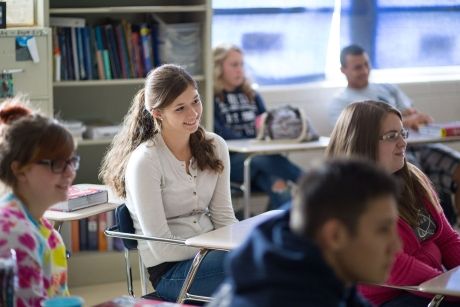
High School USA offers international students a life-changing opportunity to attend high school in the U.S. and live like an American teen. Play a sport, practice English, and live in the American heartland with a welcoming host family, all while gaining skills that will last you a lifetime.
Program Essentials
At CIEE, we deliver outstanding exchange experiences to international students. We do that by providing a high-quality program so you can have the cultural experience you want. The best part? No matter what, you will enjoy the following key features:
An International Representative From Your Home Country
Let a CIEE international representative from your region or country guide you through the High School USA application process — everything from filling out the forms to providing an in-country orientation.
A Local Coordinator (LC) In Your Host Community
Your LC, who is highly trained in conflict resolution and intercultural communication, will be there to welcome you to the U.S. and to provide supervision and support throughout your experience.
Visa Application Support
As experts in the field of international education, CIEE provides all the documents and guidance you need to get through the complicated J-1 visa application process. With us, applying for your visa is easy!

Program Orientation
Every High School USA student has the opportunity to join us in New York City for our kick-off orientation. If you can’t join us in NYC, don’t worry! You can also attend an orientation in your host community upon arrival in the U.S.
Insurance For The Duration Of Your Program
Our in-house travel health insurance provides extensive coverage against typical risks to international travelers such as accidents, sudden illnesses, and more.
A Safe And Welcoming Place To Live
We strive to match students with host families based on personality traits, hobbies, curricular or extracurricular interests, family make-up, and more. That way you feel less like a guest and more like a member of the family.*
24/7 Multilingual Phone Support
CIEE’s highly-trained and multilingual support staff is available 24/7 by phone in case of emergencies.
*Students attending boarding schools will live in a supervised dormitory.
Am I Eligible for High School USA?
We are glad you asked! To be eligible for our program, you must
- Be between 15 to 18 years old, and enrolled in high school in your home country
- Have basic practical skills in both spoken and written English
- Have completed at least three years of English instruction
- Have not failed a year of school or an English language course in the past three years
Ready to start your CIEE High School USA journey?



Connecting Global Leaders, Creating Lasting Impact
Led by the U.S. Department of State in partnership with organizations like CIEE, BridgeUSA brings together the next generation of current and emerging young leaders through unmatched cultural and professional exchange programs.
Learn more about BridgeUSA